Onimusha: Way of the Sword Review: Capcom Actually Got This One Right
Twenty years dormant, a demo that got roasted for being too easy, and a publisher with a genuinely rough recent track record on monetization. Onimusha: Way of the Sword shouldn't work this well. It does.

TL;DR
- Verdict: buy it. Capcom's first new Onimusha in 20 years is a genuinely excellent swordplay action game, and it shipped without the monetization baggage the publisher's last few big releases have carried.
- The pre-launch demo caught real criticism for being too easy. Producer Akihito Kadowaki confirmed final-game bosses and enemies would be noticeably more aggressive in response, and the shipped game backs that up.
- 1 million units sold on launch day, franchise total past 10 million, reviews landing 82-89 across every platform. This is a real hit, not a nostalgia play that limped over the finish line.
- $69.99 base price with no Dragon's Dogma 2-style consumable shop. Deluxe edition charms do provide a stat boost though, worth knowing before you pick an edition.
Capcom hasn't made a new mainline Onimusha game since 2006. Two decades is a long time to revive a franchise. Add a demo that got publicly mocked for being too easy. Add a publisher whose last few big single-player releases made players angry at launch. Way of the Sword had every reason to be a disappointment.
It isn't one.
Twenty Years in the Vault
The Onimusha series ran from 2001 to 2006 across four mainline entries plus a couple of spin-offs. It was built around swordplay, demon-hunting, and a gauntlet that let you absorb the souls of the things you'd just killed.
It sold well in its era. Then it sat dormant for two decades.
A quiet second life came through remasters of the first two games in 2019 and 2025. Those remasters did enough business that the franchise crossed 9.1 million lifetime units even before Way of the Sword shipped. Capcom greenlit a genuine new entry rather than just another remaster.
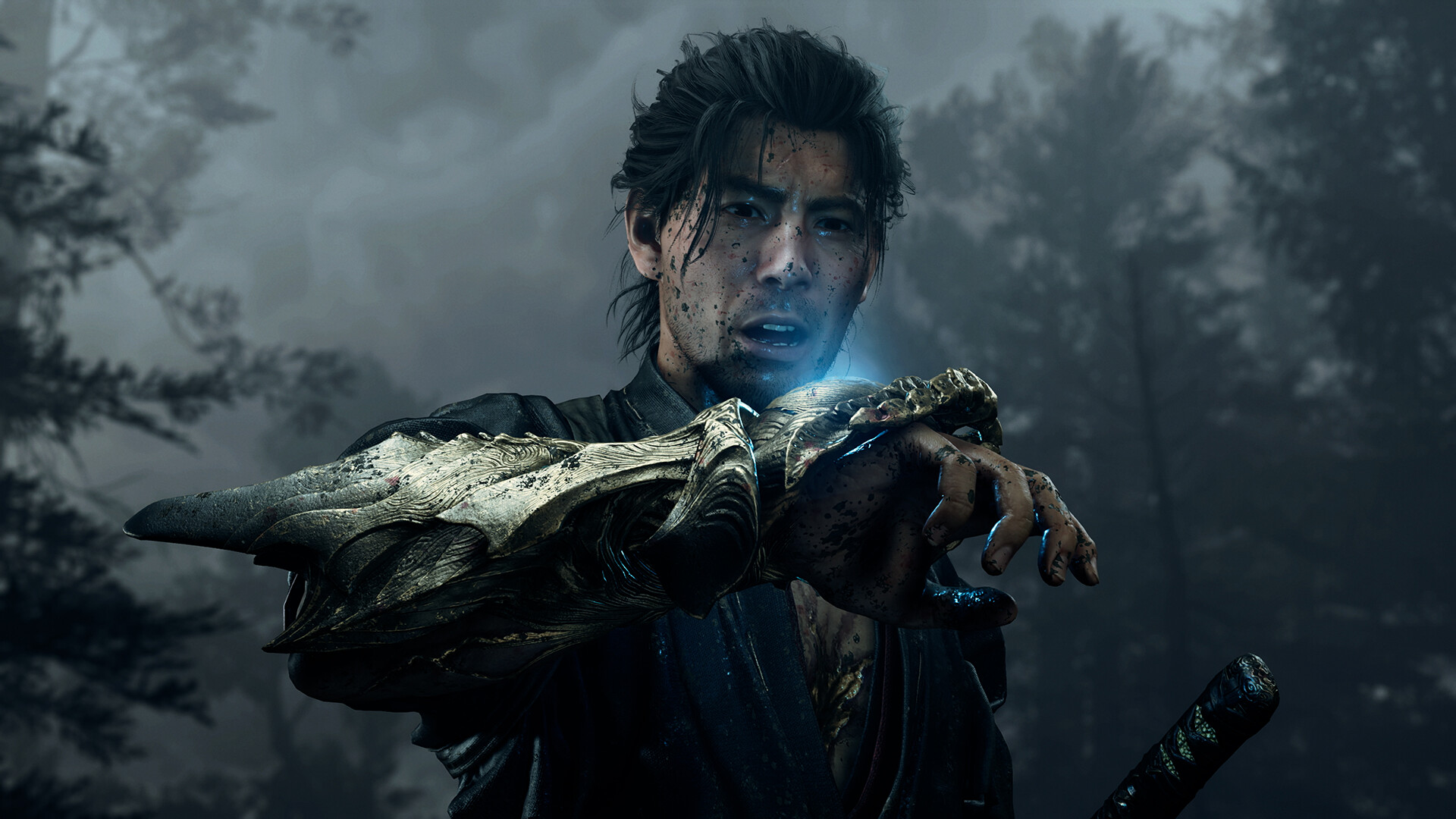
Way of the Sword puts you in control of Miyamoto Musashi, a real historical figure and Japan's most famous swordsman. He's dropped into a fictionalised Edo-era Kyoto being consumed by a corruption called Malice and overrun by demons called Genma. Musashi picks up an Oni Gauntlet partway through and becomes the only person capable of fighting back.
It's a fantasy setting built around a real name. That's drawn some fair criticism from series fans, which I'll get to. But the historical anchor gives the story a weight a fully invented protagonist wouldn't have carried as easily.
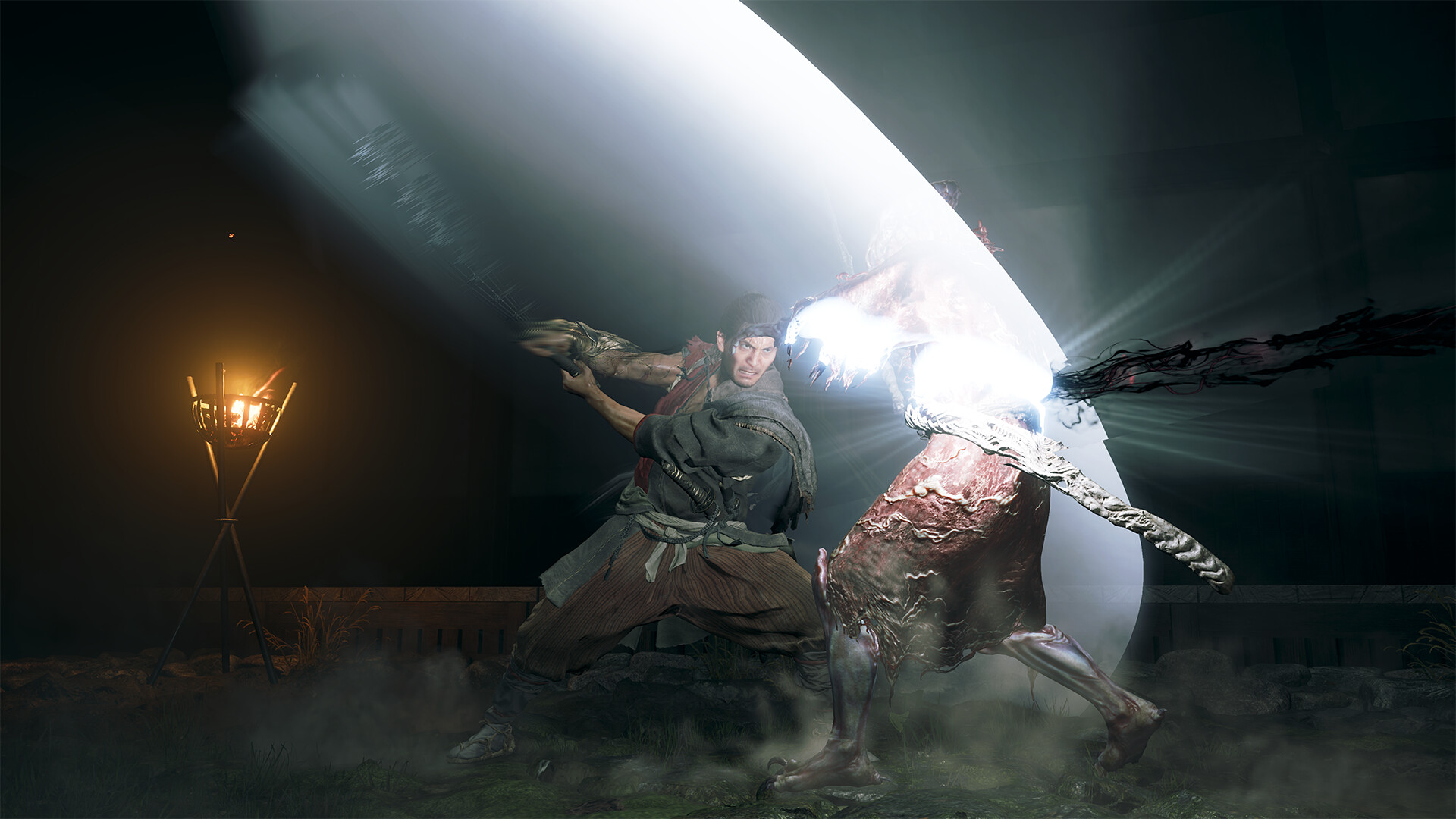
The Demo Was Too Easy, and Capcom Actually Listened
Before launch, Capcom put out a free demo built around a boss fight against Sasaki Ganryu, a real rival of the historical Musashi. Reception to the atmosphere and combat system was genuinely positive.
Reception to the difficulty was not.
Players who'd been sold on "intense and exhilarating swordplay" found the demo's version of that fight simple enough to clear on a first attempt. That's a bad first impression for a game pitching itself on the weight of its combat.
Capcom didn't get defensive about it. Producer Akihito Kadowaki addressed the criticism directly, confirming the enemies and bosses in the final release would be noticeably more aggressive than what the demo had shown.
That's not a given response. Plenty of publishers would have shipped the game as-is and let the marketing keep talking about "intense" combat regardless of the actual difficulty curve. Capcom tuned it instead.
The shipped game backs it up. Reviewers consistently describe the full game's combat as demanding real precision, not the demo's easier version scaled up cosmetically.
Capcom's Recent Track Record, and Why This One's Different
It's worth being upfront about Capcom's history here. Pretending a big publisher's past doesn't matter is exactly the kind of thing this site exists to push back on.
Capcom has a real, documented pattern over the last several years. Full-price single-player games, shipped with monetization that undercuts their own design. Devil May Cry 5 sold "red orbs" that let you buy your way past the game's own upgrade grind. Monster Hunter World, Rise, and Wilds all carried similar convenience-purchase structures.
The clearest flashpoint was Dragon's Dogma 2 in 2024. A $70 single-player RPG launched day one with microtransactions for things like fast-travel items and character-edit vouchers. Mechanics the game already let you earn for free through normal play.
Steam reviews flipped from overwhelmingly positive to mostly negative within hours. Capcom's response, essentially reminding players the paid items were also obtainable in-game while continuing to sell them anyway, was read by most outlets as tone-deaf rather than reassuring.
Way of the Sword doesn't repeat that pattern. Worth being precise about what that actually means though, rather than just declaring it clean.
There's no in-game shop selling consumables or shortcuts during play. No Dragon's Dogma 2-style storefront undercutting the game's own progression. What does exist: a three-tier edition structure ($69.99 Standard, $79.99 Deluxe, $89.99 Premium Deluxe), and the Deluxe and Premium Deluxe editions include charms Capcom's own marketing describes as strengthening Musashi's abilities. That's a real stat advantage tied to a higher price point, not a purely cosmetic upsell.
The honest read: Capcom pulled back hard from its worst recent habit and deserves real credit for it. Without needing to pretend the edition structure is spotless to make that point.
How It Stacks Up Against Capcom's Recent Releases
Peak concurrent player counts on Steam are a useful, apples-to-apples way to gauge how a launch actually landed, separate from review scores.
| Game | Peak Steam CCU | Review Score Range |
|---|---|---|
| Devil May Cry 5 | 88,894 | 88-93 |
| Onimusha: Way of the Sword | 81,559 | 82-89 |
| Resident Evil 2 Remake | 74,227 | 87-89 |
| Pragmata | 68,687 | 78-86 |
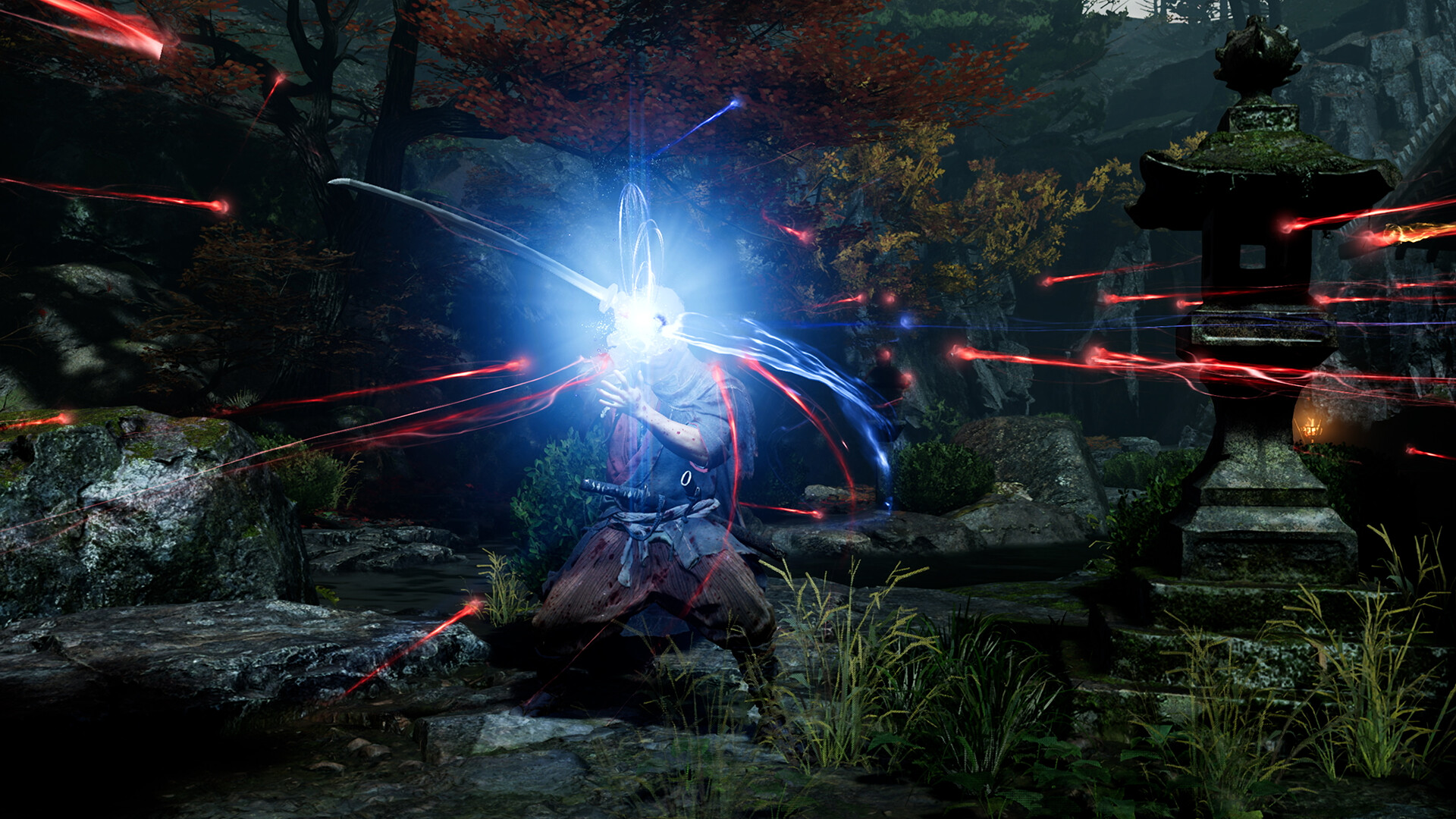
The Actual Game: Combat, Structure, and Where the Weight Comes From
Strip away the franchise history and the monetization discourse. What's left is a genuinely well-built action game with more going on than the marketing lets on.
Musashi carries a single katana throughout. That sounds limiting until you see what the game builds around that constraint instead of working against it. Every upgrade point sunk into the sword tree pays off for the entire run.
The soul economy is the game's real engine. Yellow souls, harvested from felled enemies, heal you. Red souls are currency for permanent upgrades. Blue souls charge your Oni Armaments, a set of seven demonic weapons collected across the campaign, each suited to a different job.
The Earth-Shakers, a pair of hammers found beneath Nijo Castle, shred enemy stamina and armor. They carry hyper-armor through their swing so you won't get interrupted mid-attack. That makes them the strongest general-purpose pick for most of the campaign.
Above all of that sits Issen, the series' signature one-strike execution, and its escalated form Break Issen. Landing these consistently is where the game's actual skill ceiling lives.
It's built on a clean, readable parry-and-deflect layer underneath. Block drains stamina and breaks your guard if you let it run dry. The game is constantly asking you to read an attack and choose the correct response.
Structurally, the game surprised more than a few reviewers by not being the stage-based, linear experience the marketing implied. Kyoto is built as a set of semi-open zones you explore between story beats, with genuine side content tucked away rather than everything sitting on the critical path.
Where It Falls Short
Not everything lands cleanly.
The choice to build an entire fantasy demon-hunting narrative around a real historical figure has drawn genuine pushback from longtime series fans. It's a fair criticism, not just nostalgia talk. Musashi historically developed his own real sword style, the two-blade Niten Ichi-ryu. Way of the Sword doesn't meaningfully engage with that history, instead fitting him into a fairly conventional single-katana template.
Pacing is the other real complaint, and it's worth taking seriously. The original Onimusha 1 and 2 ran a tight three-and-a-half and eight-and-a-half hours respectively. Way of the Sword spends a genuinely long first act steadily introducing mechanics.
Most basic enemy encounters through that opening stretch feel more empowering than genuinely challenging. That narratively fits the story, but it means the swordplay doesn't fully show what it can do until the midgame boss fights start arriving.
Winning a Genuinely Brutal Release Month
Context matters here. September 2026 turned into one of the most stacked release windows of the year.
Publishers openly shuffled launch dates to avoid getting buried under Grand Theft Auto 6's shadow later in the year. Onimusha shares this month with Rebel Wolves' The Blood of Dawnwalker, Remedy's Control Resonant, Konami's Silent Hill: Townfall, and the free Witcher 3 remaster.
Producer Akihito Kadowaki has publicly acknowledged the team didn't fully anticipate how crowded this window would get.
Against that backdrop, a million units on day one isn't just a good number in isolation. It's a good number that held up against direct competition from some of the biggest names in the industry launching in the same handful of weeks.
For a franchise dormant since 2006, that's a genuinely successful re-launch holding its ground in a month designed to bury weaker titles without mercy.
Replay Value and Where the Grind Actually Sits
A single playthrough gives you 54 Power Stones and Oni Stones to spend. The math doesn't quite let you max everything in one run.
The six gauge-based Oni Armaments alone want 33 Oni Stones. The full Special Skills tree asks for 56, more than a single campaign provides.
That's a deliberate design choice rather than a shortfall. New Game Plus carries real weight instead of being a victory-lap difficulty toggle. Anything you didn't buy the first time through carries over.
Oni Awakening sits above the standard skill economy entirely, powered by purple souls rather than the red and blue currencies that drive everything else. Filling the Awakening gauge transforms Musashi and makes landing Issen windows meaningfully easier during that state.
Players chasing full completion tend to finish the skill trees and the Awakening-related achievements together near the end of a thorough run. That's a reasonable sign the systems were built to reward sustained investment, not padding.
What Players Are Actually Saying
Review scores and critic consensus only tell part of the story. Here's what real Steam users are saying, the good and the bad, with my own take on each.
Sensual Ninja, recommending after 7.7 hours, called it "absolutely worth the wait" after two decades away from the series. He's not wrong. The franchise's absence has been long enough that even a merely competent return would've felt like a win. This is more than competent.
License2Shred, in a detailed 43.7-hour review, described it as one of "Capcom's best gameplay loops in decades." He specifically singled out the Earth-Shakers as a build-defining pickup and noted he still hadn't fully upgraded Musashi's kit after 40 hours on Normal difficulty. That tracks exactly with the stone-cost math in the game's own systems. This isn't exaggeration, the numbers back it up.
XEG had a funnier complaint, joking that Capcom's semi-open Kyoto hub eventually reveals itself as "the mansion is now the size of a town," a dig at how much backtracking through familiar streets the structure demands. I laughed at this one because it's accurate. The Resident Evil DNA in Capcom's world design is genuinely showing here, for better and worse.
Not every review was glowing. EKusanagi16, marking the game Not Recommended after 8.8 hours, argued the flashy combat system gets undercut by passive enemies, calling the long gaps between enemy attacks "not good game design regardless of difficulty." This is a fair complaint I actually share to a point. Standard mob encounters genuinely do drag in the early hours, though the criticism weakens somewhat once you hit the mid-campaign boss fights, which don't have this problem at all.
One review deserves mentioning on its own terms rather than folded into the pro-and-con format. A player named markey wrote that Onimusha "was more than just a game" for him and his late father, who passed away from cancer this summer, describing years of playing the series together and this being his first Onimusha without him. I'm not going to editorialise over that one beyond saying it's the kind of review that reminds you why a franchise coming back after 20 years actually matters to people, not just to a publisher's balance sheet.
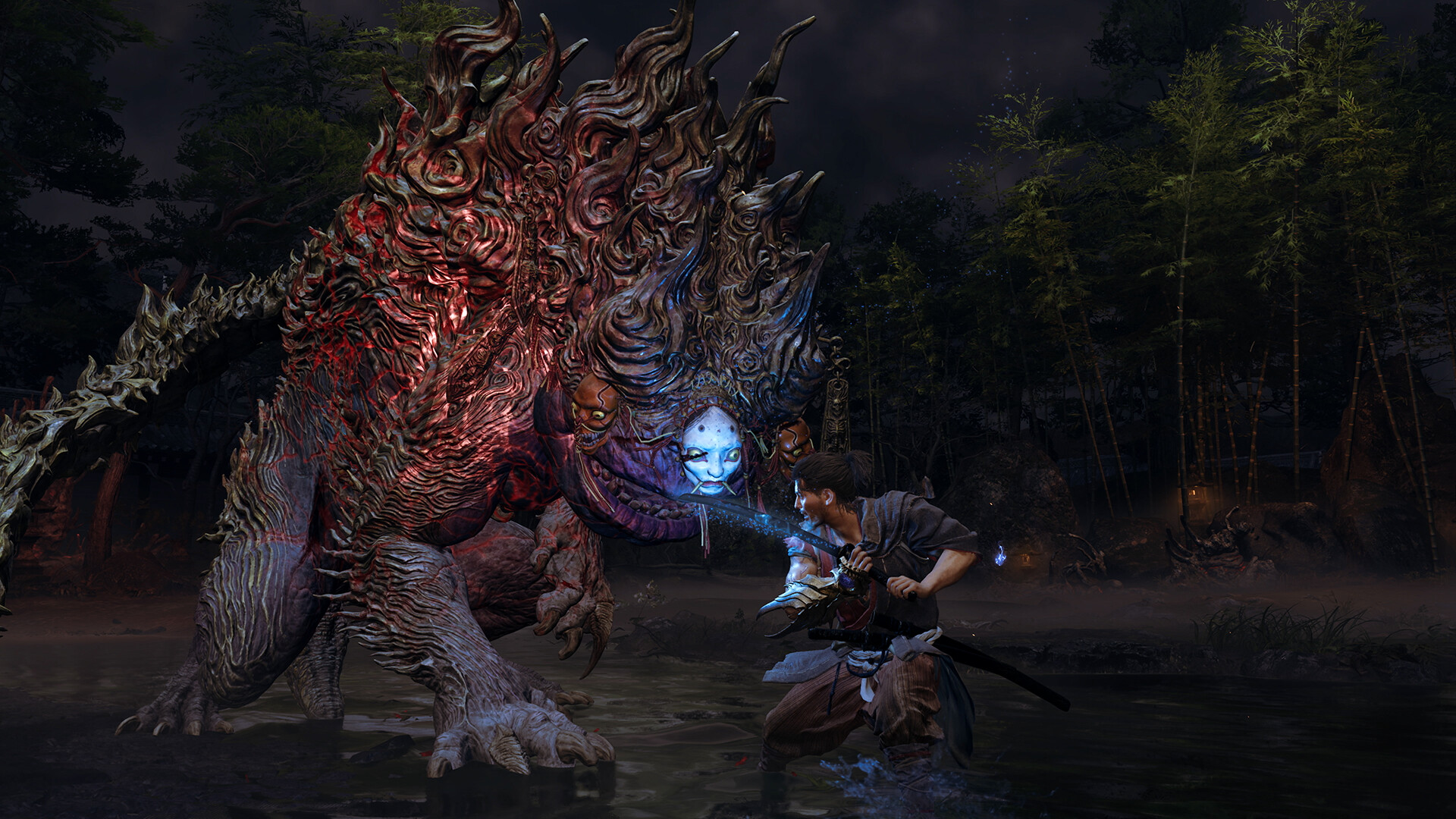
The Verdict
Onimusha: Way of the Sword is a genuinely strong action game wearing a returning franchise's name. It earns both halves of that description.
The combat has real depth once you're past the early hours. The soul economy gives you a reason to actually engage with exploration. Capcom's response to the demo backlash wasn't PR spin, the shipped difficulty backs it up.
The pricing structure isn't perfectly clean. The historical-figure setup leaves real value on the table. Neither issue undercuts what's actually here.
For a publisher that's spent the last several years teaching players to brace for a store prompt the moment a full-price single-player game loads up, shipping something this clean is worth the credit. This is the version of Capcom that made Devil May Cry and Resident Evil worth caring about in the first place.
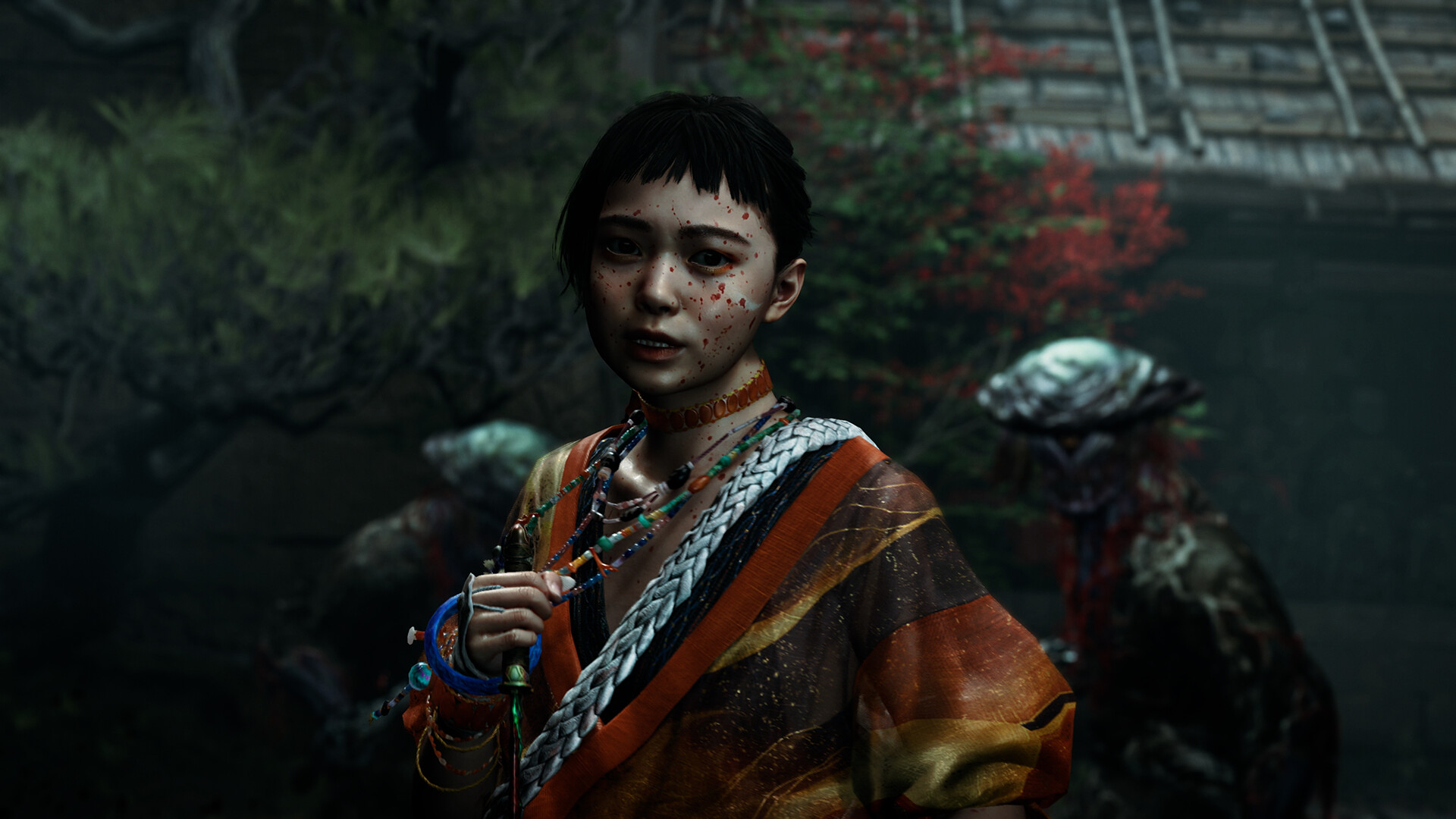
For a full breakdown of every Oni Armament, the katana skill tree, and which build path actually works best, see the complete Onimusha: Way of the Sword build and mechanics guide.
Onimusha: Way of the Sword is available now on PC, PS5, Xbox Series X/S, and Nintendo Switch 2. $69.99.
Game at a glance
| Detail | Answer |
|---|---|
| Genre | Character Action, Swordplay |
| Typical length | 15-25 hrs main story |
| Difficulty | Demanding |
| Play mode | Single player |
| Developer | Capcom |