Outlast
A first-person found-footage horror game with some of the best atmospheric design in the genre for its first two hours, undermined by an escalation into jump-scare spectacle in the second half.
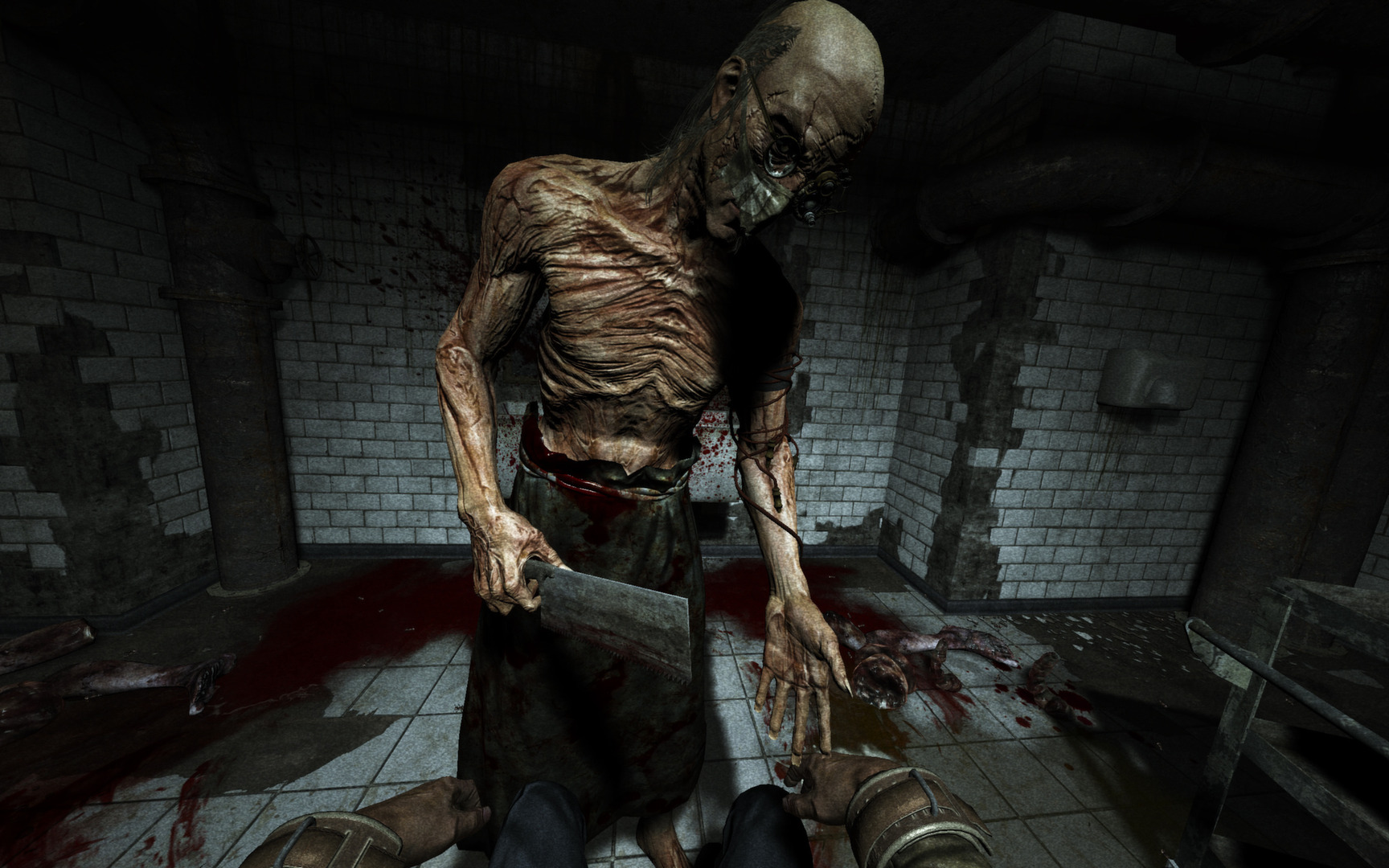
- //The camcorder night-vision mechanic -- total darkness without it, a constantly draining battery with it -- is one of the smartest single design decisions in horror gaming.
- //Mount Massive Asylum's environmental design in the opening hours is genuinely exceptional institutional horror, telling its history almost entirely through environmental detail.
- //The second act introduces a supernatural Murkoff Corporation conspiracy that abandons the grounded horror of the first half without earning the shift.
- //Became a major streaming phenomenon in 2013 largely on the strength of shareable jump-scare reaction content -- Red Barrels drew the wrong lesson from why it worked.
- //Outlast 2 doubled down on the jump-scare-heavy approach and reviewed at 62 on Metacritic, worse than the original.
Outlast puts you in the role of Miles Upshur, a journalist who breaks into Mount Massive Asylum after a tip about unethical experiments, armed only with a camcorder with night vision and no weapons. The camcorder mechanic is genuinely smart: total darkness without it, but the night vision battery drains continuously, forcing constant rationing decisions that create real, sustained tension. Mount Massive's environmental design in the opening hours is some of the finest institutional horror ever built for a game. The problem is the second half, where the narrative introduces a supernatural conspiracy that isn't earned and the pacing shifts from atmospheric dread to constant, predictable jump scares.
My best and worst argument for horror games as a medium simultaneously. The first two hours are some of the most effective atmospheric horror I've experienced in any game. Then the same studio spends three more hours proving they didn't fully understand why those two hours worked. Worth playing for the first half alone.