Outlast Is a Technical Achievement That Proves Jump Scares Are the Lowest Form of Horror
Red Barrels built one of the most oppressive horror environments ever put in a game. Then they filled it with jump scares. Outlast is a fascinating case study in a developer who understood atmosphere completely and narrative horror barely at all.

TL;DR
- The first two hours are some of the most effective atmospheric horror ever made. The next three prove Red Barrels didn't understand why.
- The camcorder night-vision mechanic is one of the smartest single design decisions in horror gaming.
- $14.99. Worth playing for the first half alone.
Outlast is simultaneously my best and worst argument for horror games as a medium. Best, because its first two hours contain some of the most effective atmospheric horror I have experienced in any game. Worst, because the same studio spends the following three hours methodically demonstrating that they do not fully understand why those first two hours worked.
Red Barrels (who deserve credit for the first act) built one of the most genuinely oppressive horror environments in gaming and then undermined it with persistent reliance on shock as a substitute for dread. The game is worth playing. Understanding what it gets right and what it gets wrong is instructive about horror design in ways that examining only successful games sometimes is not. Failure teaches differently, and Outlast is one of the most instructive failures the genre has produced.
What Outlast Gets Right
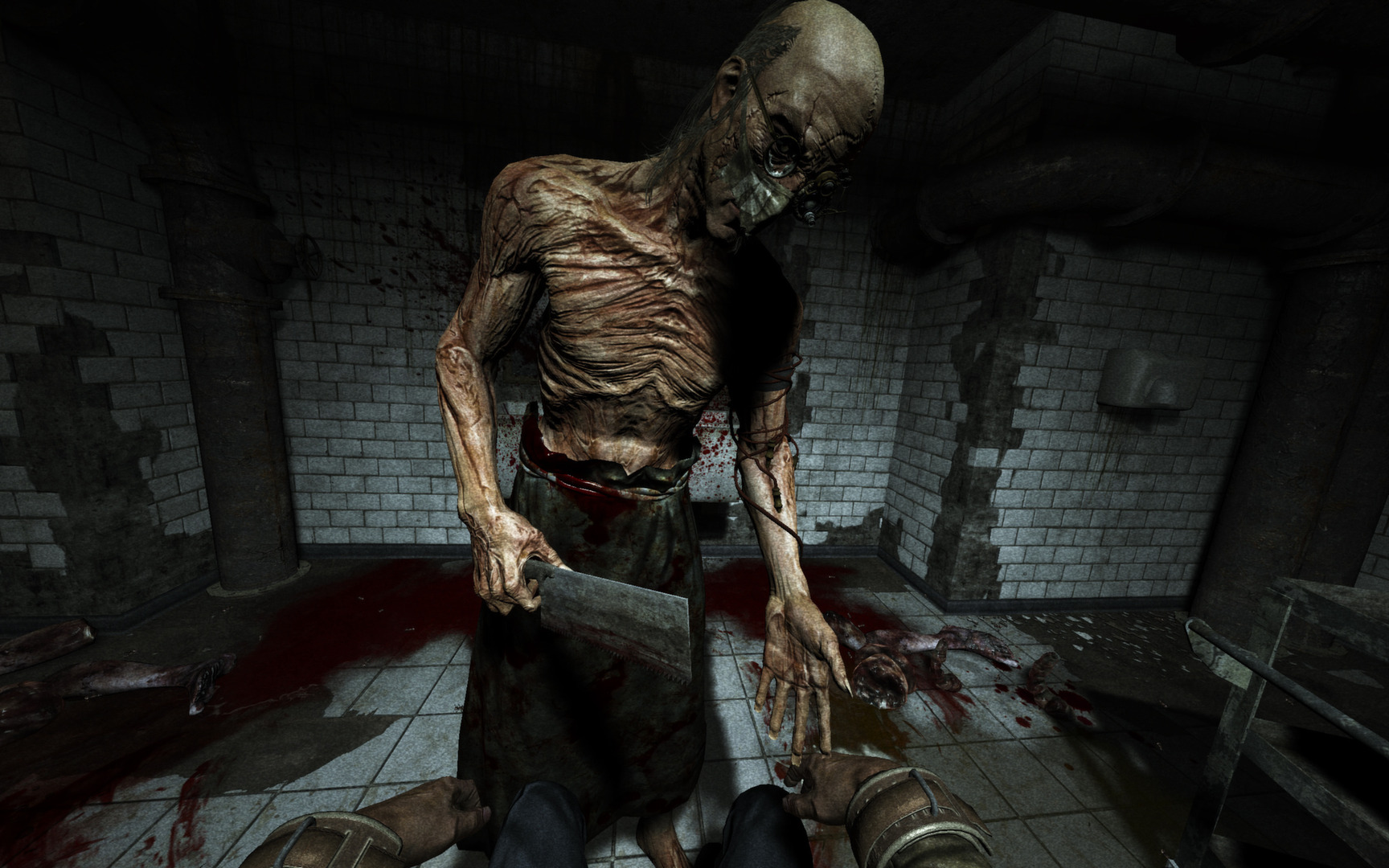
Mount Massive Asylum is a masterwork of institutional horror environment design. Red Barrels understood the specific visual and acoustic language of institutional spaces that have lost their institutional function: the specific quality of fluorescent light in a facility no longer maintained, the way decades of accumulated damage communicates history, the acoustic properties of large concrete corridors that have absorbed too much of what happened in them.
I played the opening section of Outlast at midnight with the lights off and I was genuinely, sustainedly scared. Not startled: scared. In the way that good horror creates an ongoing state of dread rather than a series of reactive spikes. Mount Massive in those first ninety minutes is exceptional work.
The environment communicates what it is before the game tells you anything explicitly. The state of the corridors, the condition of the rooms, the specific quality of damage and neglect, all of this tells a story about what happened here before you arrived. The storytelling through environmental detail is sophisticated enough that I found myself genuinely reconstructing the history of the facility from fragments before any document provided explicit information. That is a real design achievement.
The camcorder night vision mechanic is one of the most intelligent single design decisions in the genre. In complete darkness, without the camera, you cannot see anything. Activate night vision and you can see, but the battery drains continuously. This creates a resource-dependent relationship with visibility that generates sustained tension: you are always managing the battery, always deciding whether to activate now or conserve until you need it more. I was genuinely rationing. The resource scarcity is meaningful in ways that most horror games' resource systems are not.
Chris Walker, the primary antagonist of the first half, is threatening in ways specific rather than generic. He is not a fantasy monster. He is a large, damaged man in a facility that created the conditions for what he became. That grounding is more disturbing than any creature design. It has the specificity of something that happened rather than something invented.
What a Jump Scare Actually Is
A jump scare is a startle reflex. Your amygdala responds to sudden loud stimulus after relative quiet. Adrenaline spike, approximately two seconds of reaction, recovery. This is physiologically identical to what happens when someone sneaks up behind you in a quiet office. It is not horror. It is a biological noise alarm dressed up as one.
Horror is a sustained emotional state. Dread. Unease. The persistent conviction that the environment is hostile and your safety is not guaranteed. The best horror experiences produce associations that persist: you think about the game a day later, a week later, and the associations have the quality of something that actually happened.
Jump scares actively undermine horror by resetting the emotional state. After the startle and the subsequent relief, you are measurably less afraid than you were before the scare. The scare drains accumulated dread and replaces it with temporary relief. If horror is a reservoir you are trying to fill, a jump scare is a drain valve.
Outlast uses jump scares so consistently, in such predictable architectural contexts: the vent, the dark room with the single light source, the quiet corridor that is too quiet, that by the second hour most players have unconsciously mapped the trigger types. When you correctly predict a jump scare and brace for it, you do not experience horror. You experience the mild satisfaction of having read the game's patterns. That is the opposite of what horror is trying to do.
The reason jump scares dominate a certain category of horror game is commercial rather than artistic. Reaction content is highly shareable. A streamer screaming at a jump scare generates clips. Clips generate views. Views generate game awareness. The incentive to design for clip generation is real and it is pulling horror game design in the wrong direction. Outlast is the clearest example of a game whose commercial success was partly attributable to clip-friendly jump scares, and whose creative failure is substantially attributable to prioritising those scares over the atmospheric design that actually made the first act work.
Why the First Act Works and the Second Does Not
The first act of Outlast earns its horror through consistency. Every design decision in those first ninety minutes is in service of the same emotional state: sustained dread generated by an environment that communicates genuine hostility.
The pacing is slow. You have time to look at things, to read documents, to understand what the facility is before the worst of what it contains becomes fully visible. This pacing is not a failure of design. It is the construction of investment. You care about what the facility communicates because you have been given enough time with it to develop an understanding of what it was and what it became.
Chris Walker is introduced before you understand his specific history. He is a threat you need to understand through encounter rather than exposition. The first time he finds you, the response options are limited: run, hide, wait. The helplessness is designed. You cannot fight. You can only manage your visibility and your battery and hope the patterns you have developed are accurate. This is effective horror because the threat is real, grounded, and proportional to your actual capabilities.
The second act abandons all of this. The Murkoff Corporation conspiracy introduces supernatural elements that are neither grounded nor earned. The escalation in violence substitutes content for craft. The jump scares, which were occasional and therefore effective in the first act, become constant and therefore predictable in the second.
I find this pattern genuinely frustrating to identify in a game that clearly had the talent to do better. The people who built Mount Massive understood what they were doing. The people who designed the second-act sequences either did not, or were working under commercial pressure to deliver escalating spectacle rather than sustained dread. Either explanation is depressing, and the result is the same.
The Narrative Collapse
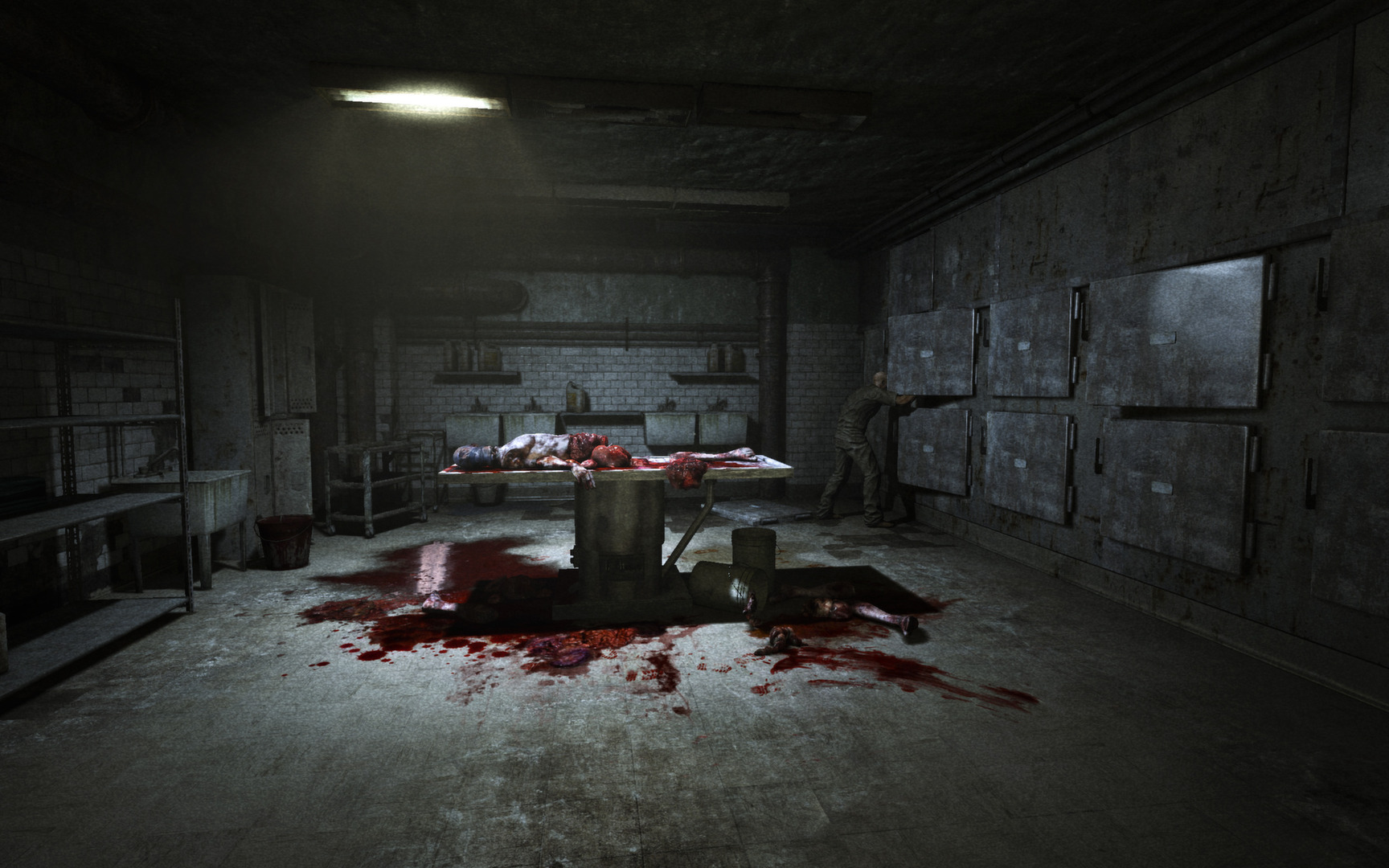
The first act of Outlast has structural coherence that makes it work. You are a journalist investigating a psychiatric facility. The facility is in chaos. The horror is grounded in something real: the documented history of institutional psychiatry, what happens when the systems designed to manage suffering break down, what the people affected by those systems become.
Chris Walker is the personification of this grounded horror. He is a product of the institution. The threat he represents is human rather than supernatural, which makes it more disturbing. There is a specific history behind what he is.
By the second act this grounding is gone. The Murkoff Corporation conspiracy, the Walrider, the final sequences: these are introduced without the setup they require and executed without the care the first act received. The narrative coherence that made the early sections work is abandoned in favour of escalating extreme content.
The game ends on a note that does not justify the violence it asked you to witness over the preceding hours. There is no earned resolution. There is not even the coherent ambiguity that a good horror ending earns through craft. There is a conclusion that arrives because the game ran out of material and needed to stop. This is the most common failure pattern in horror and Outlast is the clearest available example of it.
The Streaming Problem and the Genre It Created
The commercial success of Outlast created a template that has done sustained damage to horror game design, and I think it is worth being specific about the mechanism.
Outlast launched in 2013, the same year that streaming platforms were becoming a primary discovery mechanism for games. Jump scare reaction content is one of the most shareable categories of gaming video: it is funny, it is immediate, it requires no knowledge of the game to enjoy, and it produces the kind of strong emotional response that generates clips with good retention. Outlast was perfectly calibrated for this format, not necessarily by design, but with results that the industry observed and attempted to replicate.
The games that attempted to replicate those results looked at what generated the clips and concluded that jump scares were the product. They were not. The clips were generated because jump scares released tension that had genuinely accumulated. Without the tension, the scare is just a loud noise. Without the atmospheric investment of Mount Massive's first act, the screaming streamer is just responding to a noise alarm rather than to the release of genuine sustained dread.
The games made in Outlast's template after 2013 predominantly failed to understand this distinction. They delivered jump scares without the atmospheric work that makes jump scares mean something. The results are games that generate immediate reaction content but produce no lasting horror impression. They are consumed and forgotten, because they used the mechanism of horror without the substance.
The horror games that have genuinely mattered in the same period, Amnesia, SOMA, Signalis, Darkwood, do not rely on jump scares as a primary tool. They rely on atmospheric construction, environmental storytelling, and mechanical systems that create sustained vulnerability. None of these properties produce immediately shareable clips. All of them produce experiences that players think about for years after playing. The streaming incentive and the artistic incentive are pointing in different directions, and the streaming incentive has more money attached to it.
Outlast is a useful case study specifically because it sits at the intersection of both approaches. The first act demonstrates what horror can be when atmospheric craft is prioritised. The second act and its sequels demonstrate what happens when the commercial incentive takes over. The game that resulted is simultaneously one of the most atmospheric first acts in the genre and one of the most instructive examples of what jump-scare design looks like when it is not supported by the atmospheric work that gives it meaning.
What Red Barrels Got Wrong About Their Own Success
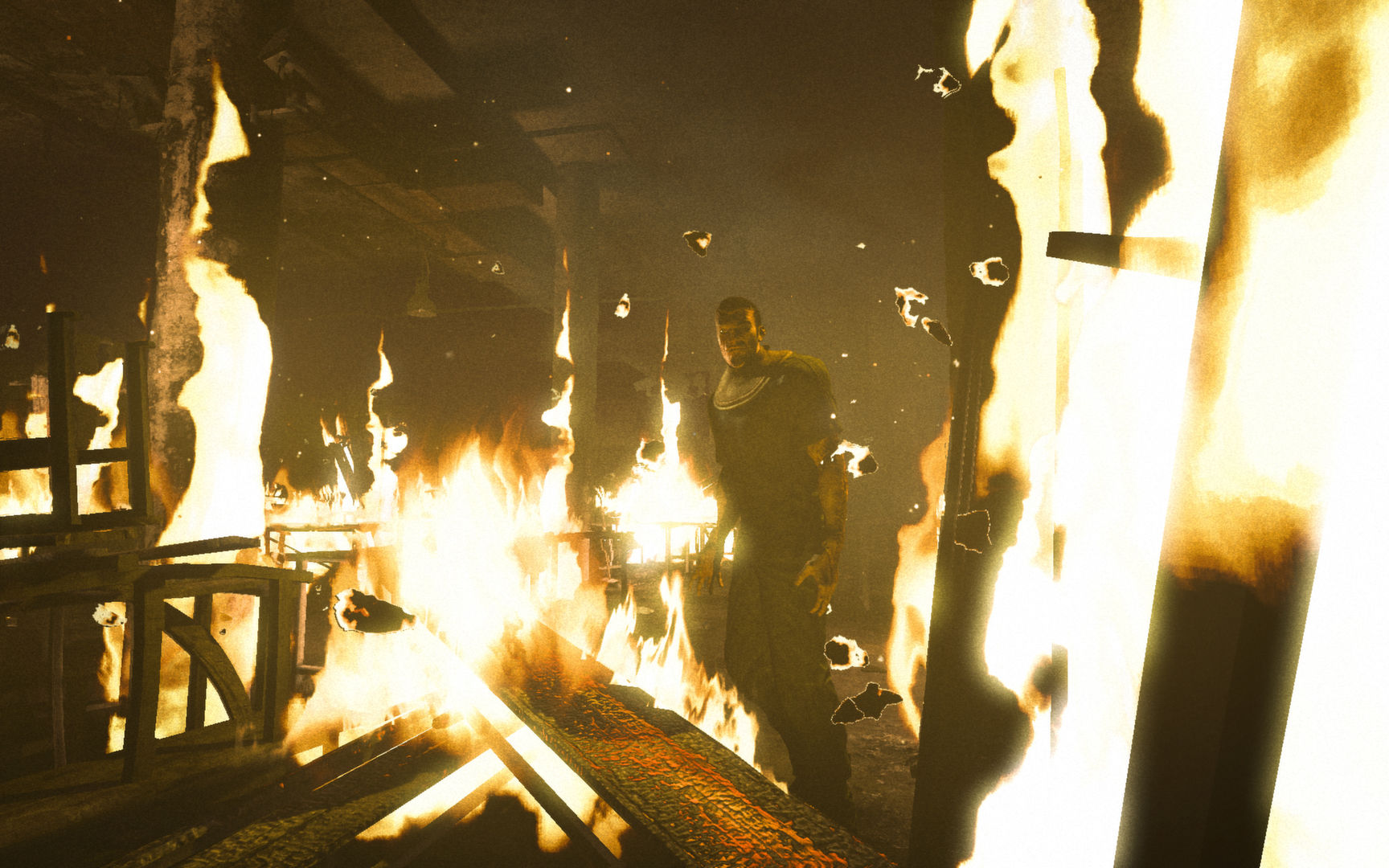
Outlast became a streaming phenomenon in 2013. Reaction content to jump scares is highly shareable. Streamers built audiences partly on their Outlast reactions. The game was commercially successful partly as a result.
Red Barrels drew the wrong lesson. The streaming engagement was driven by the sustained atmospheric tension of the first half. The atmosphere was generating the investment, and the occasional jump scare within that atmosphere was shareable because it was a release of tension that had been genuinely building. The atmosphere came first. The scare was a surfacing of what the atmosphere had built.
Outlast 2 was designed to optimise the streaming-friendly properties. More extreme content. More frequent scares. A more fragmented and deliberately disorienting narrative. It reviewed at 62 on Metacritic. Reviewers who had identified the pattern in the original found it worse the second time. Scaling up the wrong elements of a success story produces a worse version of the thing that succeeded. This is the most predictable failure mode in the industry and it is genuinely infuriating to watch it happen to a studio that clearly has real craft. This is a lesson the games industry relearns repeatedly and never seems to retain.
The battery mechanic and Mount Massive's environmental design are the things worth learning from Outlast. They are the things that made it work. The jump scare design is the thing that limited it, and the commercial success of the jump scares is the thing that prevented Red Barrels from understanding which part of their own game they should have developed further. The correct sequel to Outlast would have taken Mount Massive's atmospheric craft and applied it to a new setting with a more coherent narrative and less reliance on shock escalation. Instead the series went the other direction. The genre got worse for it, and Red Barrels are still making Outlast sequels calibrated to produce reaction content rather than horror.
Outlast is available on PC, PS4, Xbox, and Switch. $19.99, frequently under $5 on sale. The first two hours are some of the best atmospheric horror in gaming. The second three hours substantially undermine them. Worth playing for the first half alone. Play it, then think about why the second half fails. The two halves together are more instructive about horror design than most dedicated analyses of the genre.
Buy on Steam | Red Barrels
Game at a glance
| Detail | Answer |
|---|---|
| Genre | Survival Horror |
| Typical length | 5-6 hrs |
| Difficulty | Moderate |
| Play mode | Single player |
| Developer | Red Barrels |