ARC Raiders Just Did a Helldivers 2. The Industry Still Hasn't Learned.
ARC Raiders dropped to Mixed reviews overnight after the Riven Tides update. Players are calling it the Helldivers 2 playbook -- nerfs disguised as buffs, a community that trusted the devs, and a studio that squandered it. This is the same mistake, second time around.

TL;DR
- ARC Raiders sold 12 million copies before the Riven Tides update dropped it to Mixed reviews overnight.
- The pattern: nerfs disguised as buffs, exactly the playbook that damaged Helldivers 2's community trust.
- Embark Studios had genuine goodwill built up. This update spent a lot of it in one patch.
ARC Raiders sold 12 million copies. It was, by any reasonable measure, the extraction shooter that finally got it right. A genre full of failed experiments and abandoned servers, and Embark Studios built one that people actually stuck with. Community goodwill through the roof. Healthy player counts. A studio being praised everywhere for actually listening.
Then the Riven Tides update dropped on April 28, 2026. Within 48 hours, recent reviews on Steam collapsed to Mixed. Negative reviews were outpacing positive ones by nearly double. Players were calling out nerfs disguised as buffs, weapons made worse under the cover of balance changes, and a patch that fundamentally broke the feel of a game they'd been defending for months.
The top review on Steam right now compares Embark directly to Arrowhead. It's not a subtle comparison. Quote: "Embark has clearly hired Helldivers devs to do their balancing."
I've seen this before. We all have, and it's genuinely infuriating to watch it happen again.
What Helldivers 2 Actually Did Wrong
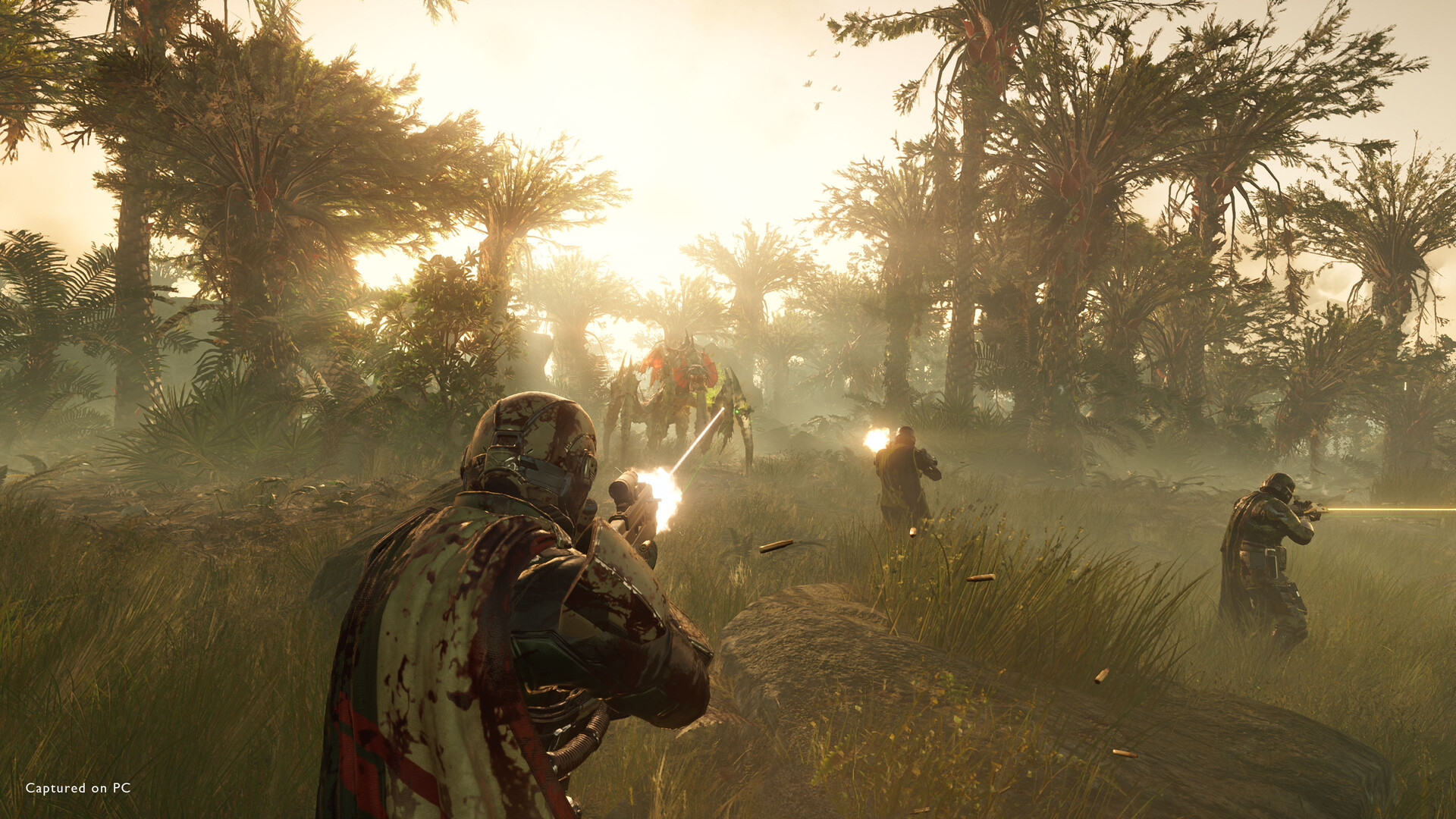
Let me be precise about this because the "Helldivers 2 bad patches" conversation usually gets reduced to vibes. The specific failure modes are worth naming, because they're the same ones showing up in ARC Raiders right now.
Helldivers 2 launched in February 2024 and became one of the fastest-selling PlayStation games of all time. The community was evangelical. The studio (Arrowhead, small Swedish developer) was being held up as a model for how live service games should be run. Responsive, communicative, clearly playing their own game.
Then the nerfs started. Not occasional balance tweaks. A systematic pattern of making weapons less fun, justified with language about "realism" and "believability" that the player base had zero interest in. The flamethrower got nerfed. Crowd favourites got nerfed. Things that felt powerful and satisfying got pulled back, update after update, until the power fantasy that drew people in was gradually deflated.
The specific mechanism that broke trust was stealth nerfs. Arrowhead's Chief Creative Officer Johan Pilestedt eventually admitted publicly that "small balance changes aren't collated properly": that changes to interconnected systems weren't making it into patch notes because of internal tracking failures. Players were discovering their weapons felt different without any official acknowledgement that anything had changed. That's not just bad balance. That's a breakdown in the basic trust between a developer and their community.
The Eruptor is the case study. Patch 01.000.300 included a ricochet fix that the community quickly proved wasn't actually a ricochet fix. It was the Eruptor weapon that had been quietly altered. Arrowhead eventually admitted it and committed to a fix. But the pattern was set: patch notes that don't reflect what actually changed, and a community left to reverse-engineer what the developers had done to their game.
By August 2024, Arrowhead issued a 60-day plan to win back the player base. They promised to put down the nerf hammer. The flamethrower got a 33% damage increase and its armour penetration restored. Some weapons came back. The community cautiously returned. And then in late 2025, Patch 6.2.2 ("Machinery of Oppression", the mech-focused update) landed with the same trick: mechs buffed on paper in the patch notes, enemies buffed against mechs in practice. Players called it "a nerf disguised as a buff" immediately. It was.
Two years of this. The same studio, the same pattern, the same community having to reverse-engineer what actually changed versus what the patch notes claimed.
What ARC Raiders Just Did
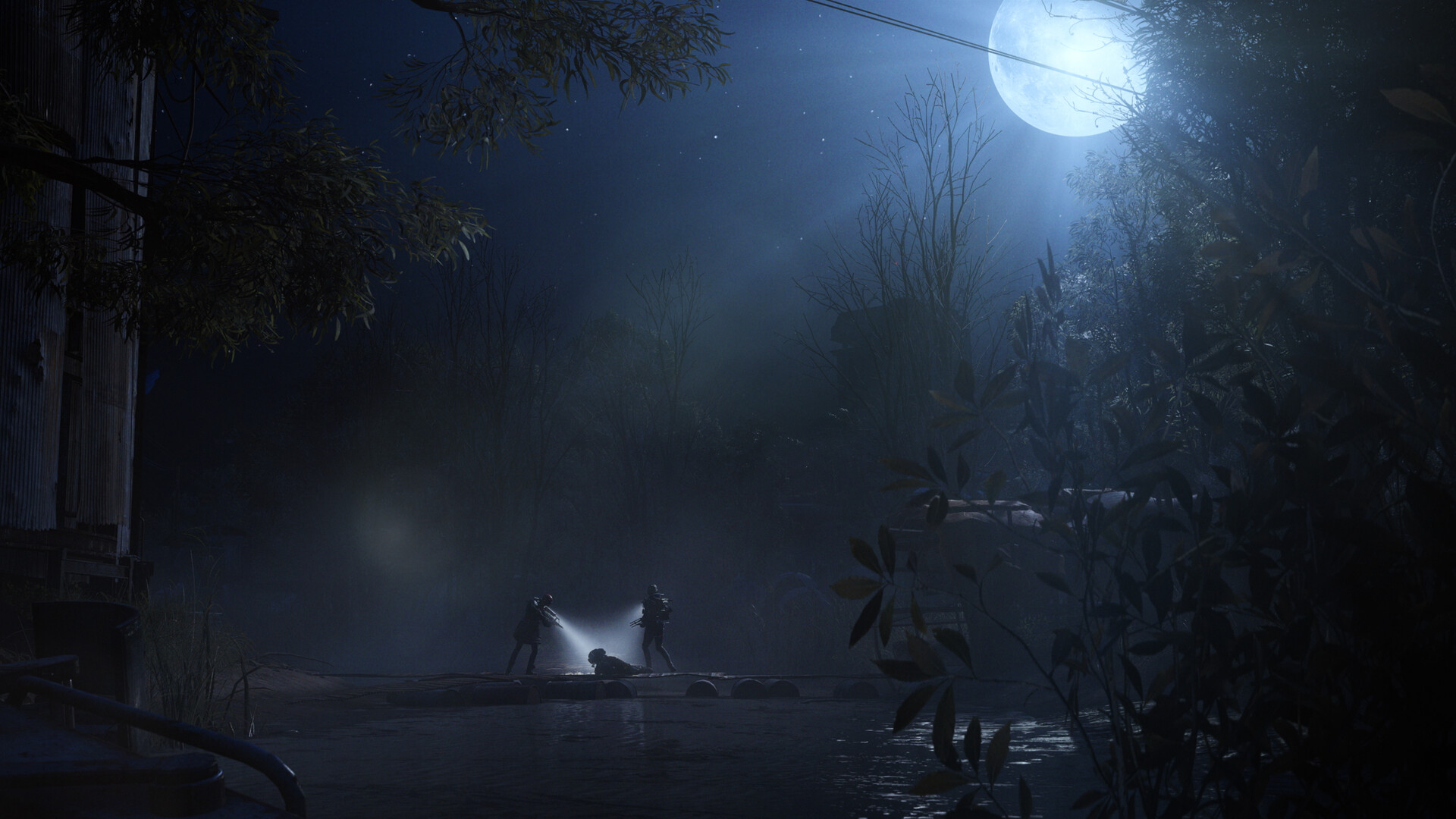
Riven Tides was supposed to be ARC Raiders' biggest update since launch. New coastal map, new enemy threats, expedition rework, treasure hunting mechanic, new tools. The grand finale of the Escalation roadmap. Embark framed it as a celebration.
What players found when they logged in was a different game. Weapon durability changed in ways that made favoured loadouts less viable. PvP encouragement mechanics pushed the experience in a direction a significant portion of the community didn't want it to go. Balance changes hit things that were working. And critically, not all of it was clearly communicated in the patch notes.
A player with nearly 700 hours in the game wrote in their negative review that Embark was "dead set on running their game into the ground" and called out nerfs presented as buffs with multiple specific examples. That review is sitting at the top of the page, decorated with thousands of upvotes.
Within days, the recent review score had dropped from Very Positive to Mixed. 36% of recent reviews are now negative. The ratio was running at nearly double negatives to positives for days after the patch dropped. Peak concurrent players spiked on launch day and immediately dropped below pre-patch levels. The update that was supposed to reinvigorate the community did the opposite.
The Helldivers 2 comparison isn't hyperbole. It's technically precise. The mechanisms are identical: a live service game with strong community goodwill, a major content update that included undisclosed or misleadingly described balance changes, a community that noticed immediately, and a studio response that hasn't yet acknowledged the full scope of what went wrong.
Why Studios Keep Making This Mistake
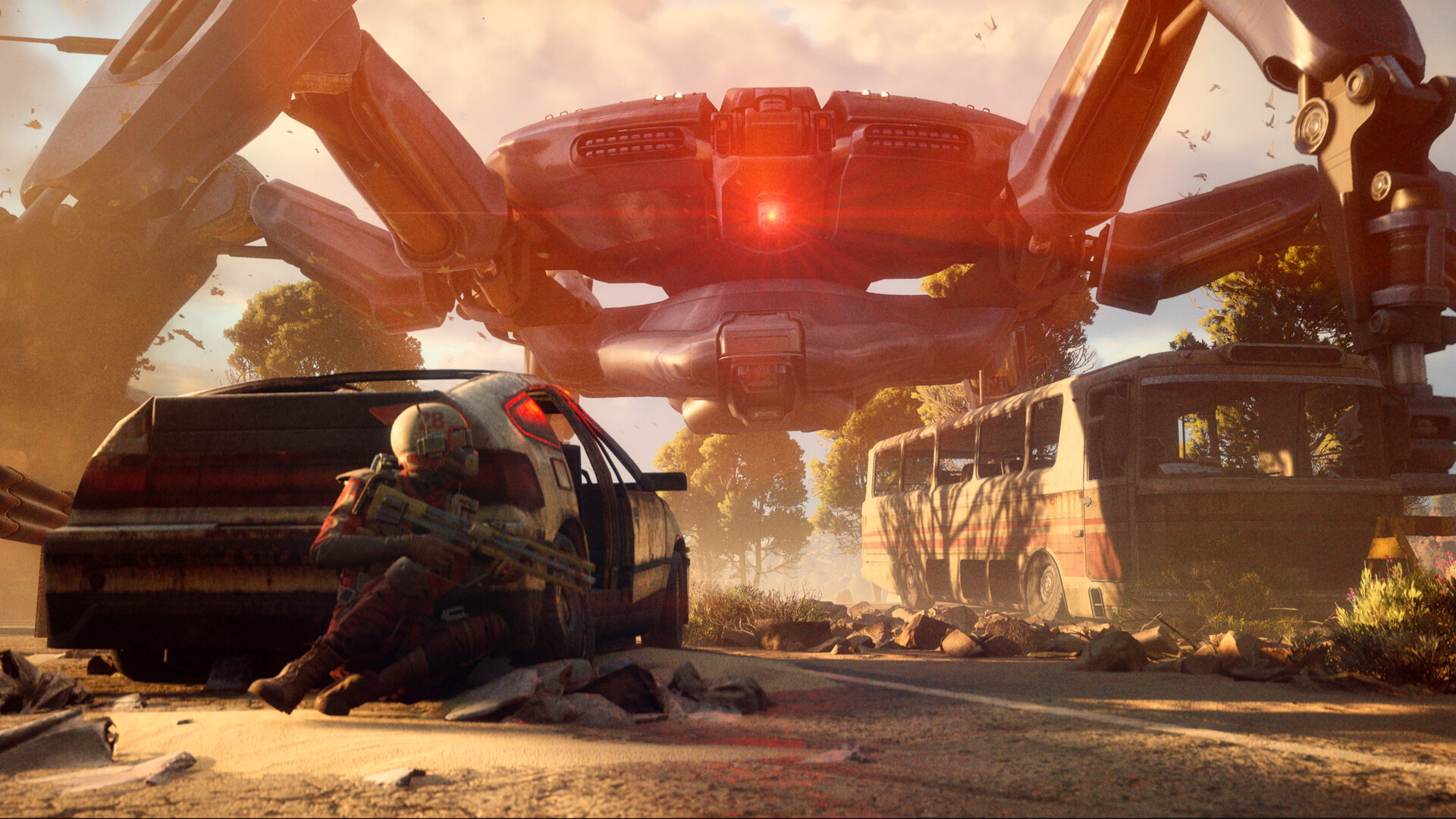
This is the part that genuinely pisses me off, if I'm honest. Helldivers 2's nerf disaster was one of the most documented, analysed, publicly dissected live service failures in recent memory. It was not a secret. Every developer running a live service game in 2024 and 2025 watched that community turn, watched the player counts drop, watched Arrowhead spend months rebuilding trust they'd shattered in weeks.
And yet here we bloody well are.
My working theory is that the problem isn't ignorance. It's organisational, and it runs deeper than any individual studio's bad decisions.
The people making balance calls in a live service game are usually not community managers. They're designers with a vision for what the game should be. That vision is internally coherent. It's documented. It has philosophical backing. And it's frequently completely disconnected from what the player base thinks the game is.
Arrowhead believed Helldivers 2 should be a hard game where your weapons felt appropriately realistic, not power-fantasy wish-fulfilment. That's a reasonable design position. The problem is that 12 million people bought it because they wanted to feel like demigods spreading democracy with a railgun. Those two things are in direct conflict, and when a studio decides its design vision wins, the community leaves. Every time. The people making the balance decisions inside a live service studio are often not the same people monitoring community sentiment. There's a design team that has views about how the game should feel, about what constitutes healthy meta-diversity, about what "balanced" means at a systems level. And there's a community that has views about what's fun. These two groups frequently disagree, and in my experience covering this industry, the design team usually wins the internal argument.
The Helldivers 2 situation crystallised this. Arrowhead's designers genuinely believed that the "believability" of the game's combat systems was more important than the power fantasy the player base had bought into. They weren't wrong from a design philosophy standpoint. They were catastrophically wrong from a live service standpoint. A live service game exists entirely at the pleasure of its active player base. You can have the most internally coherent design philosophy in the industry and watch your game die because you stopped making it fun.
What's frustrating about the ARC Raiders situation is that Embark had the case study sitting right in front of them. The specific playbook: content update plus balance changes plus opaque patch notes plus PvP push on a community that isn't uniformly interested in PvP. It produced a predictable, entirely avoidable result.
What Embark Needs to Do Right Now
The good news is that ARC Raiders is not dead. It's sitting at 85% overall positive on Steam because the game earned that goodwill over months. A patch that burns through community trust in 48 hours doesn't erase it completely. Arrowhead eventually rebuilt (badly, slowly, with a lot of self-inflicted damage) but they rebuilt. The player base came back.
What Embark cannot do is wait. The Helldivers 2 lesson that took Arrowhead far too long to learn is that silence after a bad patch is lethal. Every day you say nothing is a day the community writes the narrative for you, and they'll write the worst possible version. Arrowhead let players sit with bad patches for weeks sometimes before responding. By the time the 60-day plan dropped, the damage was already baked in. Every day without a clear response is another day the negative reviews compound and the narrative calcifies. Players who haven't loaded up yet are checking Steam, seeing Mixed recent reviews, and not loading up.
What they need to do: acknowledge the specific issues the community has named, separate "this is working as intended and here's why" from "we hear you and this is changing," and give a timeline. Not a 60-day plan. A week. Arrowhead's 60-day plan was an admission that they'd broken something so fundamental it would take months to fix. Embark doesn't need to be there yet. But only if they move fast.
The patch notes issue is the trust issue. If players can't reliably know what changed when, they can't engage with the game in good faith. That's the thing that needs fixing first, before any individual weapon number. Make the patch notes accurate. Make them complete. And if something was changed that isn't in the notes, say so immediately.
Live service games run entirely on trust. That's not a platitude, it's the actual business model. You are asking players to invest hundreds of hours and ongoing money into a game that will change underneath them. The only thing keeping them there is belief that the people running it are making it better, not worse, and that they're being honest about what they're doing. Break that belief and the hours evaporate, the money stops, and the reviews turn Mixed overnight. That's not the community being unreasonable. That's the social contract of live service failing. Embark built that trust over a year. They spent a significant chunk of it in 48 hours. The question now is whether they learned from Arrowhead or whether they're about to spend the next year making the same argument that Arrowhead made: that the players don't understand what the game is supposed to be.
The players understand exactly what the game is supposed to be. They understand it better than most of the internal documents do, because they've played it for hundreds of hours and they know what fun feels like. Stop bullshitting them with patch notes that don't reflect reality and maybe, just maybe, they'll stick around. That's why they're angry.
ARC Raiders on Steam -- $39.99 | HELLDIVERS 2 on Steam -- $39.99