Subnautica 2 Early Access: The Developer Betrayal Story You Need to Know Before May 14
Before you buy Subnautica 2 on May 14, read this. Krafton's CEO used ChatGPT to scheme his way out of a $250 million bonus owed to the developers. A Delaware court just ruled it fraud. The full story, with citations from the court record.

TL;DR
- Krafton's CEO reportedly used ChatGPT to help fabricate grounds to fire Unknown Worlds' founders and avoid a $250 million bonus owed to them.
- A Delaware court ruled it breach of contract and reinstated the founders weeks before Subnautica 2's Early Access launch.
- Worth knowing before buying the game -- the developers are back in charge, but only after this fight.
Subnautica 2 launches Early Access on May 14, 2026. It's the most wishlisted game on Steam. It's day-one on Xbox Game Pass. The developers are back in charge after a court fight. If you're planning to buy it, you should know what that court fight was actually about.
The CEO of Krafton, the South Korean publisher that acquired Unknown Worlds Entertainment in 2021, saw his own internal projections showing Subnautica 2 would trigger a $250 million bonus payment to the developers. He decided he didn't want to pay it. He bypassed his legal team, opened ChatGPT, and asked an AI chatbot how to get out of the deal. A Delaware court just ruled that what followed was a breach of contract, reinstated the fired founders, and extended the earnout window so the developers still have a chance to collect.
I've been covering gaming industry exploitation for years. This one is different. Not because the outcome was bad. For once, the outcome was good. but because the paper trail that emerged from the lawsuit is one of the most complete and damning accounts of corporate bad faith I've ever read in a gaming context. The Delaware Court of Chancery had everything: the internal Slack messages, the finance projections, the ChatGPT strategy, the name of the internal scheme (Project X), and the confirmation that the ChatGPT conversation logs had been deleted before the lawyers could get to them.
Here is the full story, with citations.
What Krafton Agreed To
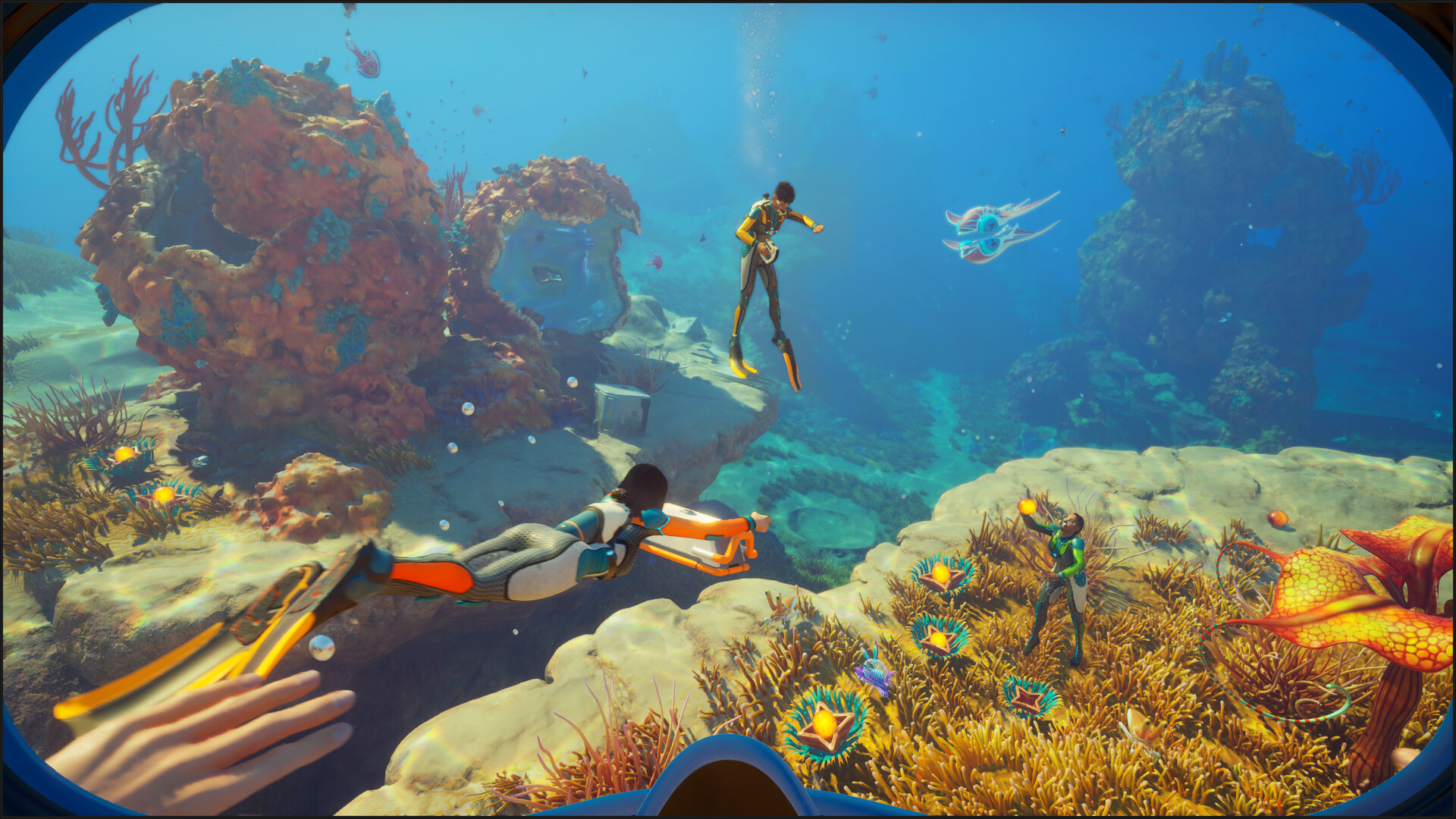
When Krafton acquired Unknown Worlds Entertainment in 2021, the deal included specific protections for the studio. Unknown Worlds would keep its independence. The three founders (CEO Ted Gill, creative director Charlie Cleveland, and technical director Max McGuire) would retain operational control and could only be removed for legitimate cause. And if Subnautica 2 hit certain revenue targets, Krafton would pay an additional $250 million earnout bonus to the development team.
The earnout formula was aggressive by design. Once revenue crossed $69.8 million, Krafton owed $3.12 for every additional dollar earned, up to the $250 million cap. It was structured to reward success generously. Unknown Worlds signed it because they'd built something people loved and they believed the sequel would perform. They were right about that.
The original Subnautica sold over 9 million copies. It spread entirely through word of mouth, bypassing the usual review cycle and marketing machine. Players described it as one of the most genuinely terrifying experiences in gaming despite the absence of conventional horror mechanics. The sequel had over two million Steam wishlists before any of this became public. That is not a game with uncertain commercial prospects. Krafton's own models knew exactly how it would perform.
By May 2025, Krafton's internal finance team ran the projections. A successful Early Access launch in August 2025 would generate over 1.67 million copies sold by Q4. Base-case earnout: $191.8 million. Best case: $242.2 million. The game was on track to trigger close to the full $250 million bonus.
This is when Krafton CEO Changhan Kim decided the deal he'd agreed to was a problem.
(Source: Court of Chancery of the State of Delaware, Gill v. Krafton, March 2026 ruling. Financial projections cited directly in Vice Chancellor Lori Will's written decision.)
The ChatGPT Strategy
Kim described the acquisition contract privately as a "pushover" deal. Krafton's head of corporate development Maria Park told him directly that even a "dismissal with cause" would not cancel the earnout obligation and would expose Krafton to "lawsuit and reputation risk."
At this point, a reasonable executive would have accepted the contract they signed. What Kim did instead is now part of the court record.
Kim bypassed his legal team and opened ChatGPT.
According to Vice Chancellor Will's ruling, Kim consulted an AI chatbot multiple times for help with the situation. The chatbot advised him to form an internal task force to renegotiate the earnout or force a studio takeover. If negotiations failed: lock down Steam and console publishing rights and seize control of the game's code. Frame the conflict publicly as being about "fan trust" and "quality." Not money. Prepare systematic legal defence materials and log all communications.
ChatGPT also suggested drafting a public-facing message to manage the Subnautica community's reaction. Kim asked ChatGPT to write that message.
The resulting scheme was given an internal name: Project X.
(Source: Court of Chancery ruling, March 2026. The Vice Chancellor's written decision states: "Fearing he had agreed to a 'pushover' contract, KRAFTON's CEO consulted an artificial intelligence chatbot to contrive a corporate 'takeover' strategy.")
Project X and the Firing
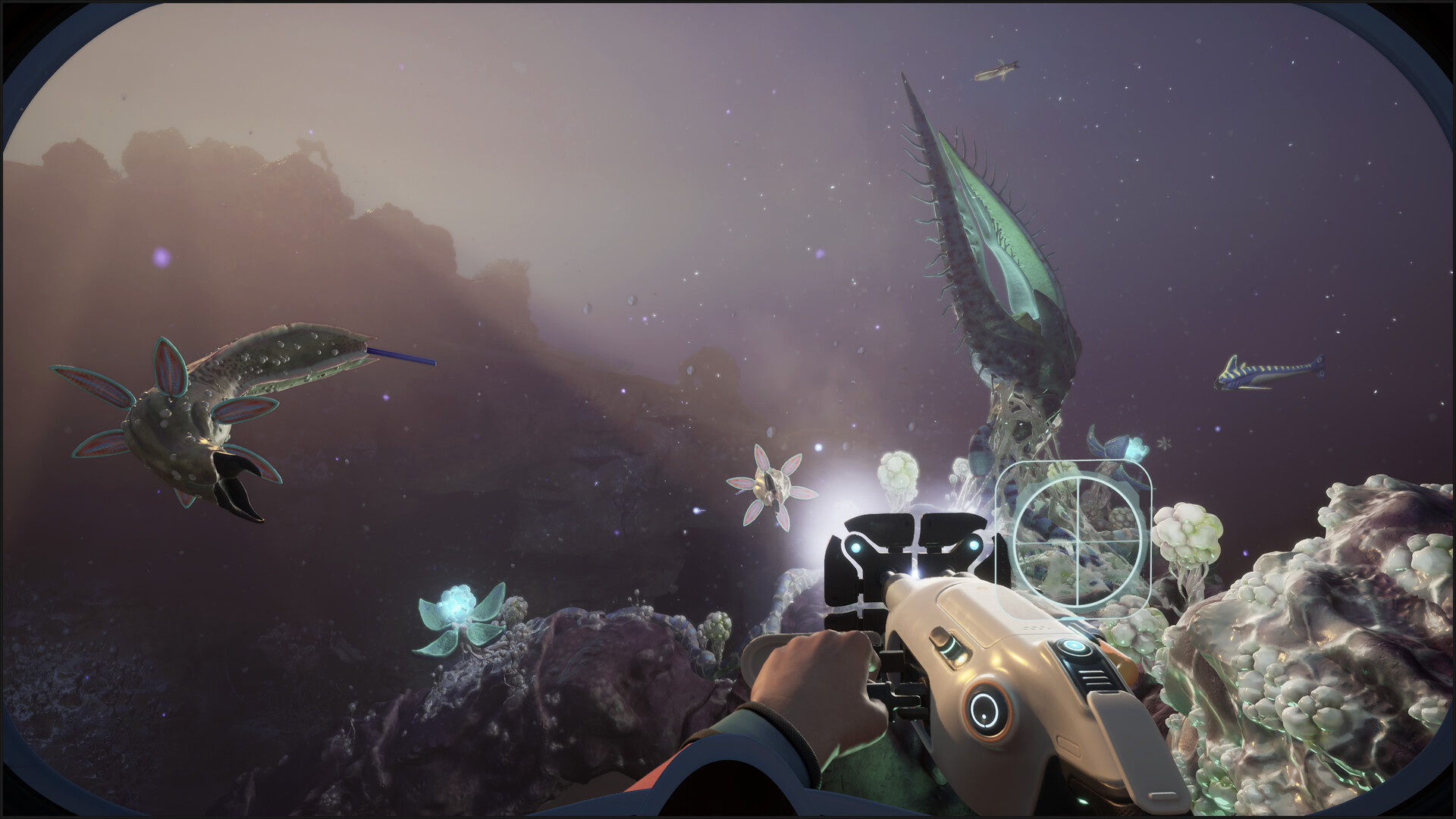
Throughout June 2025, Krafton attempted to renegotiate the earnout directly with the founders. Slack messages entered into evidence show Krafton CFO Richard Yoon telling Kim that the founders were asking for $75 million for themselves and $40 million for team members. A fraction of the full $250 million, and they still said no. Kim's response was not to agree. He approved sending a letter instead.
On July 1, 2025, Krafton fired Ted Gill, Charlie Cleveland, and Max McGuire. The company accused the trio of "an absence of core leadership" and claimed a "profound sense of betrayal by their failure to honour the trust placed in them by our fans." Subnautica 2 was delayed indefinitely. A new CEO, Steve Papoutsis, was installed.
The ChatGPT-drafted public message was distributed. The Subnautica community, already suspicious after the entire founding team of a beloved studio disappeared overnight, wasn't buying the "quality concerns" framing. The response was exactly what Kim's own team had warned him about: alarm, suspicion, and a rapidly escalating PR collapse.
Cleveland, McGuire, and Gill filed suit immediately. The pre-trial brief documented the timeline in full: the finance projections, the failed renegotiation, the ChatGPT consultations, the Project X scheme, the firing, and one particularly remarkable detail. When the founders' legal team pressed Krafton to produce the ChatGPT conversation logs, Krafton confirmed they no longer existed. They had been deleted.
Krafton disputed this characterisation. Their legal response claimed the founders had themselves been told to delete "incriminating" evidence from their own ChatGPT accounts, and that the former executives had improperly retained hundreds of thousands of confidential documents after termination. The court reviewed both positions at trial. It ruled in the founders' favour on the central question of whether the firings were justified.
(Sources: Pre-trial brief filed by Cleveland, McGuire, and Gill legal team, November 2025, as reported by Game Developer and Kotaku. Slack message evidence cited in court filings. Deleted logs confirmed in discovery process.)
What the Judge Found
Delaware's Court of Chancery Vice Chancellor Lori Will issued her ruling on March 16, 2026. It was unambiguous.
The court found that Kim had used ChatGPT to "contrive a corporate takeover strategy" to avoid the earnout. The ruling stated explicitly that company executives are expected to exercise independent human judgment. Not outsource decisions affecting hundreds of millions of dollars and dozens of livelihoods to an AI chatbot. The July 1 board resolution was declared ineffective. Gill was ordered reinstated as CEO with full operational authority, including authority over Subnautica 2's Steam release. The earnout eligibility window was extended to September 15, 2026, with a founder option to extend further to March 15, 2027.
What the ruling also documented is how thoroughly Kim ignored every warning he received. His legal team told him the plan was dangerous. His head of corporate development told him dismissal for cause wouldn't cancel the earnout. ChatGPT itself told him it would be "difficult to cancel the earn-out." At every stage, the same message: this will not work, and it will expose you to exactly the kind of legal action that followed. He pressed ahead regardless. When the lawyers came for the ChatGPT logs, the logs were gone.
The court noted this. Courts note things like that in a specific and deliberate way. They're telling you, without saying it directly, that they know what happened to that evidence and they've drawn the appropriate conclusions.
Krafton issued a statement saying they "respectfully disagreed" with the ruling and were evaluating options. Their focus, they said, remained "delivering the best possible game to Subnautica's fans." The same fans whose trust they'd invoked when firing the developers who built it.
(Source: Court of Chancery of the State of Delaware, Gill v. Krafton. Ruling filed March 16, 2026. Covered by Fortune, Kotaku, and Video Games Chronicle.)
Why the Subnautica Community Responded the Way It Did
This is worth understanding before May 14 because it explains both why the backlash was so fierce and why the community goodwill now is so real.
Subnautica is not a normal franchise. It has no publisher marketing budget behind its original success. It grew because players told other players, because streamers showed it to audiences who'd never heard of it, because the game created a specific kind of collective experience: shared terror of the ocean, shared wonder at what was under it: that people wanted to pass on. Unknown Worlds built that relationship directly with its community. The founders were public faces who communicated openly about development, ran transparent Early Access processes, and treated the audience as collaborators.
When Krafton fired them and released a ChatGPT-drafted statement about "fan trust" and "quality," the community immediately recognised the register. It didn't sound like Unknown Worlds. It sounded like a PR firm managing a crisis. Within days, people who had followed the studio for a decade were piecing together what had happened from leaked information, court filings, and the increasingly implausible official narrative.
The community response wasn't just anger at a publisher doing something shady. That happens constantly in this industry and the audience absorbs it, sigh, and move on. This was different. It was personal. Krafton had used the community's own language against them. The backlash was proportionate to the betrayal.
The lawsuit vindicated every suspicion. And the founders being reinstated, the game launching on their terms, is a story the community is going to show up for.
Subnautica 2 Launches May 14
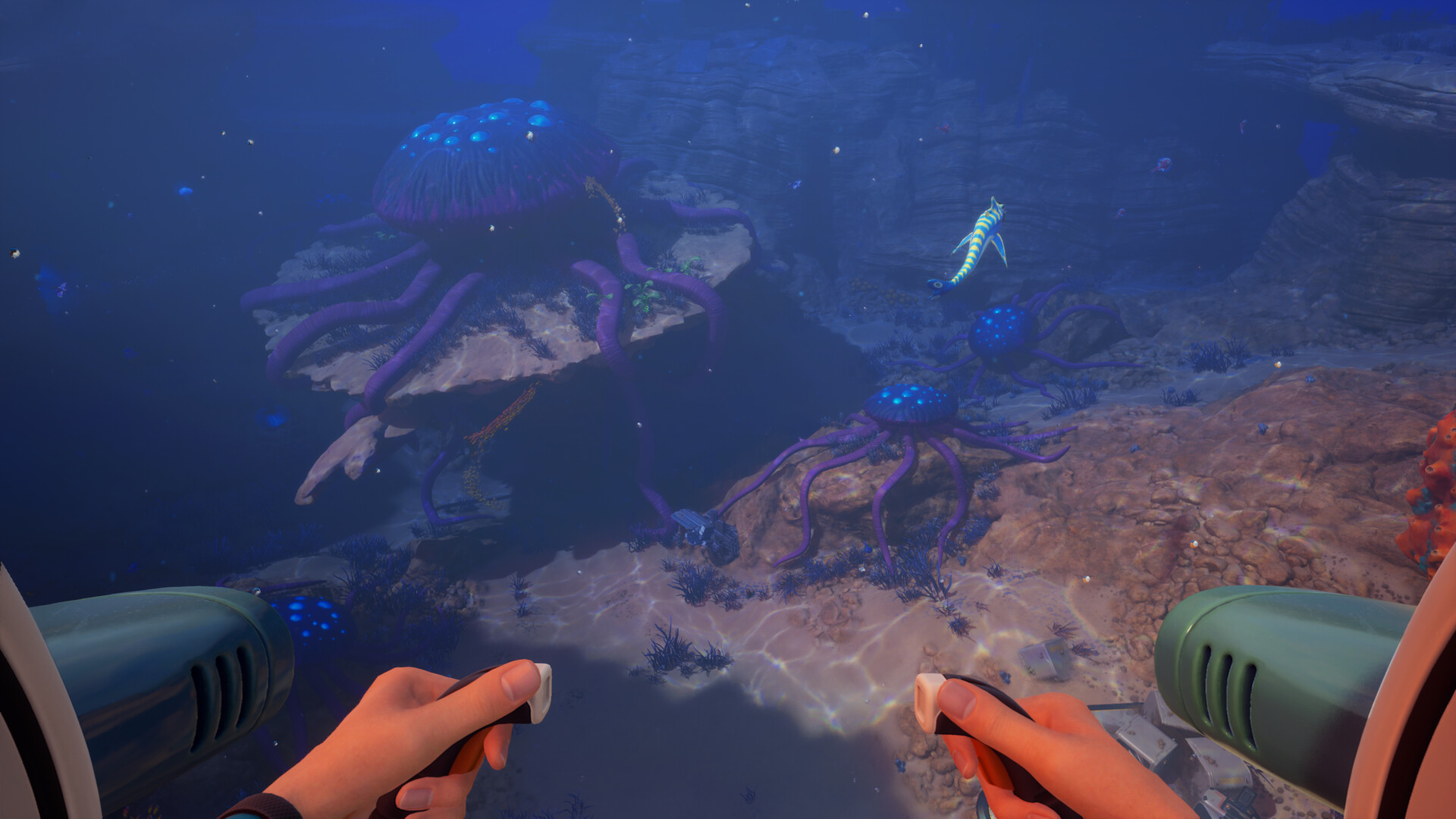
Subnautica 2 enters Early Access on May 14, 2026. PC via Steam and Epic, Xbox Series X/S with Game Pass day-one. The founders are back. Krafton was removed as publisher on April 14. Phase two of the litigation, covering damages from the firings, is still pending. The $250 million earnout hasn't been paid yet. That depends on whether the game hits its revenue targets before the extended window closes in September.
Given that it's arriving as the most anticipated survival game in years, with a community that spent months fighting for its existence, the numbers Krafton's own models projected before all of this look conservative now. The goodwill alone is a commercial factor.
What's already settled is the moral question. A CEO saw his developers building something genuinely successful, decided the contract he'd signed was inconvenient, consulted a chatbot, fabricated cause for termination, fired the people who built the studio, delayed the game they'd made, and deleted the evidence. A court reviewed all of it and found exactly what happened.
I've watched the gaming industry produce a long list of corporate villains over the past decade. Studio closures via email. Developers laid off the week their game shipped. Publishers squeezing studios dry. Most of it is legal even when it's rotten, and the people who do it face no consequences.
This one is different. A Delaware judge found it to be breach of contract, called out the ChatGPT bullshit directly, and reversed it. That almost never happens in this industry.
Buy Subnautica 2 on May 14. Buy it because it looks genuinely brilliant: four-player co-op, new alien ocean, Unreal Engine 5, built by the people who made one of the defining survival games of the last decade. Buy it because the $250 million earnout window is open until September, and every copy sold moves the needle for developers who earned it. And buy it because for once, the right side won.
Sources and Citations
The following primary and secondary sources were used in the reporting of this article:
Court documents:
- Gill v. Krafton, Inc., Court of Chancery of the State of Delaware. Ruling by Vice Chancellor Lori Will, filed March 16, 2026. The ruling is public record and contains direct citations of the ChatGPT consultations, Project X scheme, financial projections, and earnout extension.
Primary reporting:
- Fortune: "A gaming CEO asked ChatGPT how to avoid paying a $250 million bonus. It didn't work." -- March 17, 2026. Contains direct quotes from the Vice Chancellor's written ruling.
- Kotaku: "Judge Orders Subnautica 2 Studio CEO Reinstated Amid Lawsuit" -- March 16, 2026. Full ruling coverage including earnout formula details.
- Kotaku: "Subnautica 2 Publisher Asked ChatGPT For Help Dumping Founders" -- November 2025. Pre-trial brief coverage.
- Video Games Chronicle: "Fired Subnautica 2 leads allege that Krafton CEO asked ChatGPT how to get out of paying their $250 million bonus" -- November 2025. Pre-trial brief and Slack message evidence.
- Video Games Chronicle: "Court tells Subnautica 2 publisher Krafton to reinstate fired CEO" -- March 2026. Post-ruling coverage.
- Game Developer: Pre-trial brief coverage, November 2025.
All financial figures (earnout formula, projection amounts, revenue thresholds) are drawn from the court record as cited in the above sources. Quotes attributed to the Vice Chancellor's ruling are taken from primary reporting of the public court document.
Subnautica 2 launches Early Access May 14, 2026. $29.99 on PC. Day-one on Xbox Game Pass.
Buy on Steam | Unknown Worlds