The 10 Best Psychological Horror Games on Steam That Will Actually Disturb You (2026)
Not jump scares. Not gore. Psychological horror, the kind that gets inside your head and stays there. These are the 10 best psychological horror games on Steam.

TL;DR
- No jump scares required -- every game here relies on atmosphere, ambiguity, and what your own mind fills in.
- SOMA and Signalis top the list for horror that surfaces unpredictably days after you've finished them.
- Disco Elysium included specifically for how it uses internal-voice mechanics to create psychological unease without a single monster.
- 10 games total, ranked by how long the dread actually lasts, not by how disturbing the opening hour is.
Jump scares are a startle reflex. Your amygdala responds to sudden stimulus. Adrenaline spike, two seconds of reaction, recovery. It is not horror. It is the same thing that happens when someone sneaks up behind you in the office. This list exists because finding the good stuff is genuinely infuriating without a guide.
Psychological horror is the kind that stays with you. That gets into your head and occupies space there for days after the game is over. That makes you think differently about the concepts it raised. I have been playing horror games for twenty years. The ones I still think about are all on this list. None of them relied on a figure jumping out of a wardrobe.
1. SOMA | $29.99
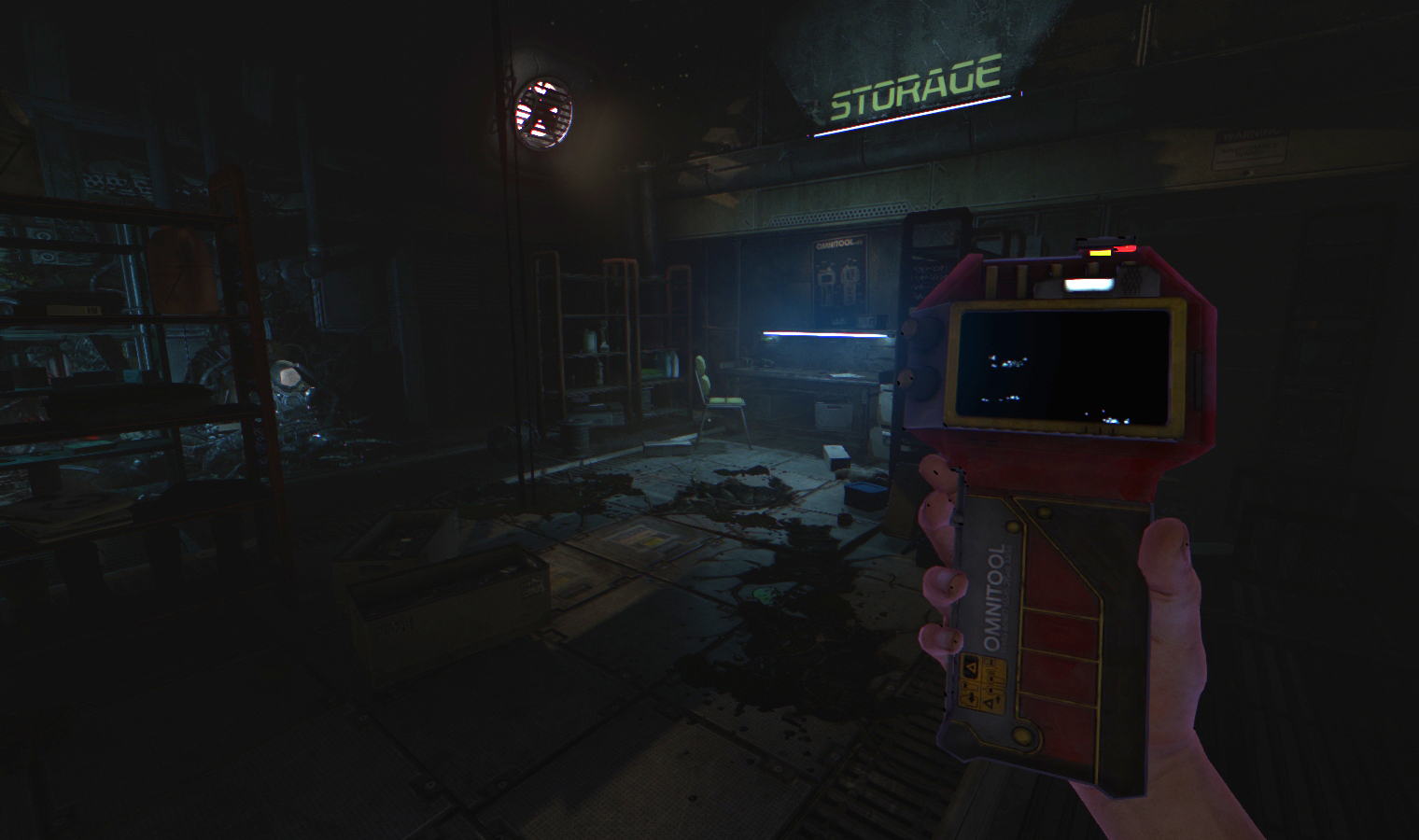
SOMA is the most psychologically disturbing game I have played. Not because of its monsters, not because of its setting, but because of the questions it asks about consciousness and identity and refuses to answer for you. I finished it, went to bed, lay awake for an hour thinking about what had happened, and have thought about specific scenes intermittently ever since.
Do not read anything about it before you play. The less you know, the better it works.
Full review: SOMA
SOMA -- $29.99, frequently on sale for well under $10. The most disturbing game on this list.
2. Signalis | $19.99
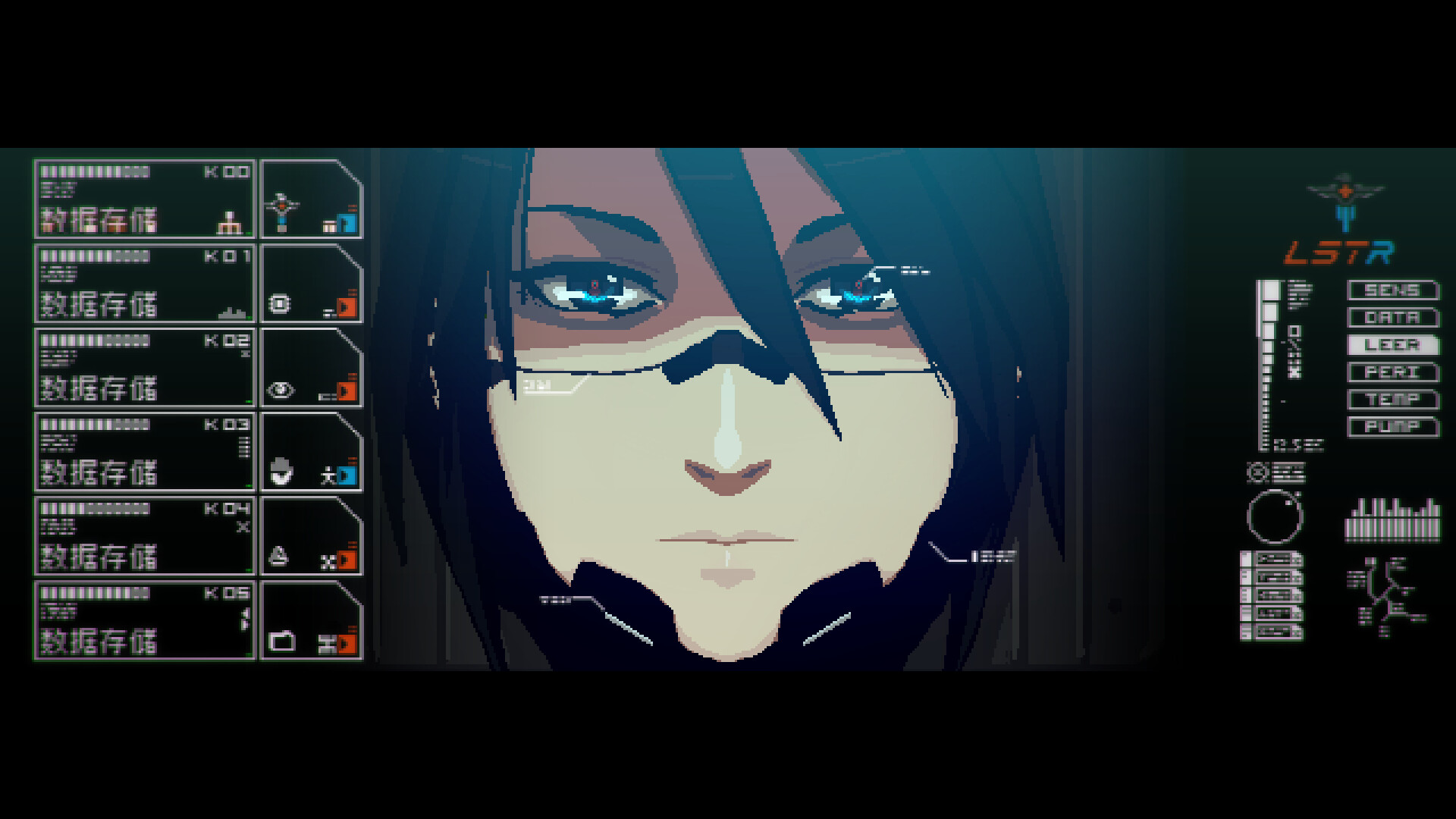
Signalis by rose-engine. Two people. Six years. Psychological horror through narrative structure -- the non-linear reveal of what Elster is, what happened to Ariane, and what the facility has done to reality is constructed with genuine care and genuine strangeness. The endings do not resolve cleanly and that is correct.
Full review: Signalis
Signalis -- $19.99. Exceptional. Underplayed.
3. Darkwood | $19.99
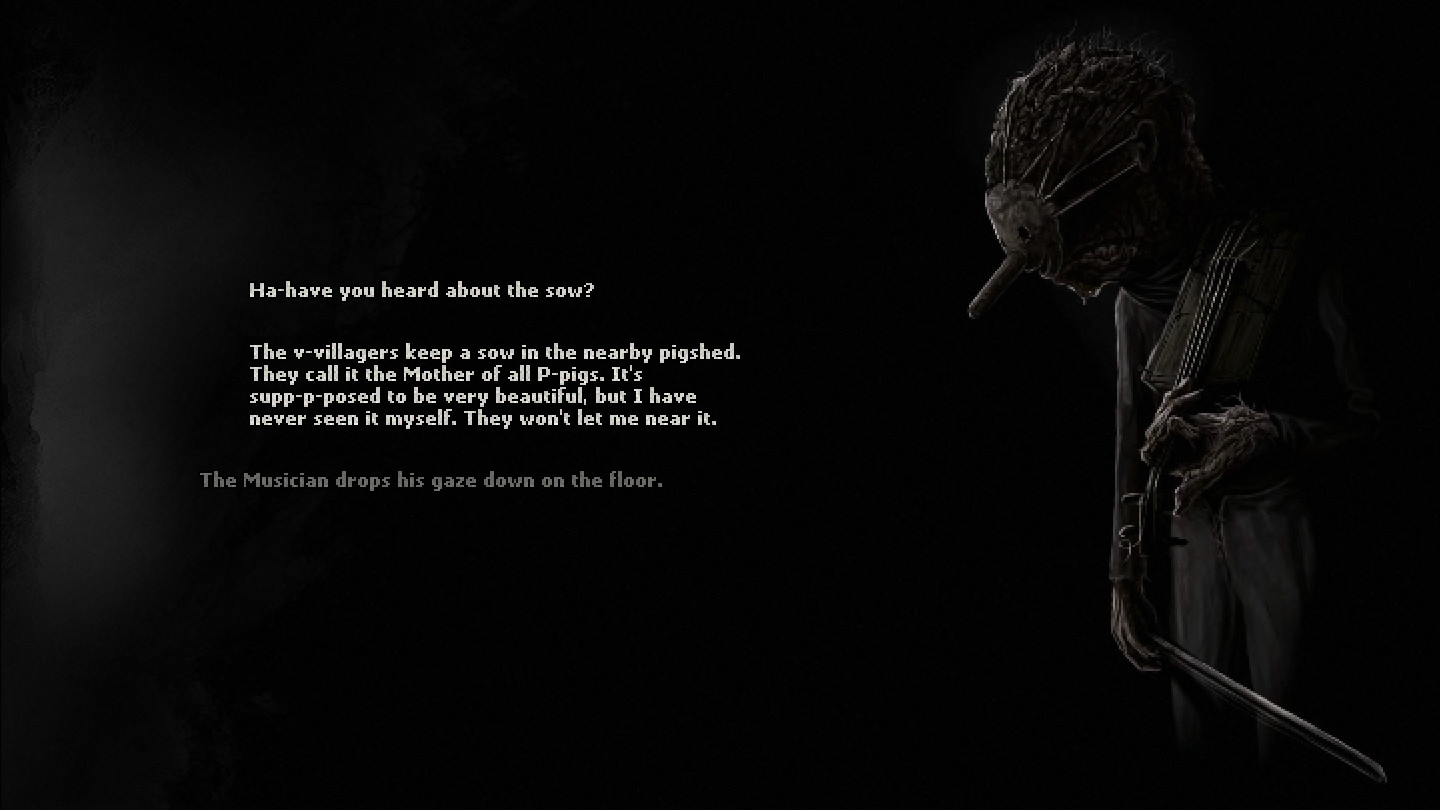
Darkwood by Acid Wizard Studio creates psychological horror through environment and implication. The game never explains what happened to the forest or what the corruption wants. It gives you fragments and lets your imagination assemble something worse than anything it could have shown you directly. By the third hour the forest is under your skin.
Full review: Darkwood
Darkwood -- $19.99. Horror through atmosphere and what is not explained.
4. Observation | $24.99
At a glance: Psychological Horror, Sci-Fi. 5-6 hrs. Story-driven difficulty. Single player.
Observation by No Code. You play as the AI -- not the person trying to survive, the system managing the space station after something has gone wrong. The perspective inversion creates a specific unease that conventional horror cannot replicate. Being simultaneously the horror and the help is an uncomfortable position the game exploits well.
Observation -- $24.99. The most conceptually original on this list.
5. Amnesia: The Dark Descent | $19.99
The sanity mechanic is psychological horror made into a game system. Looking at monsters damages your mind. Staying in darkness damages your mind. Managing your own psychological deterioration as a resource is the most elegant mechanical representation of mental fragility I have encountered in gaming. Sixteen years old and still the benchmark.
Full review: Amnesia: The Dark Descent
Amnesia: The Dark Descent -- $19.99, frequently under $2 on sale. The benchmark.
6. Disco Elysium | $39.99
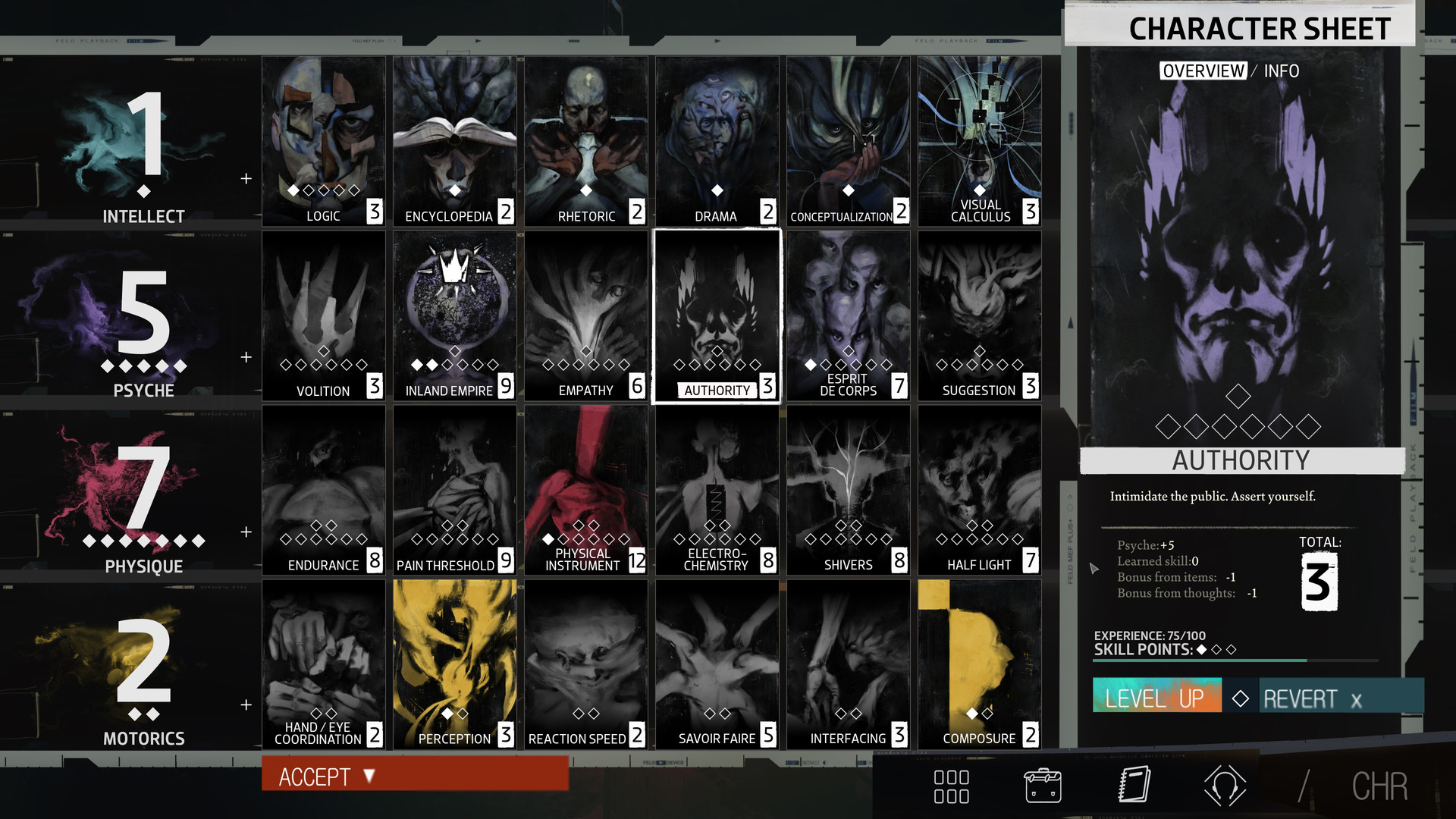
Not traditionally horror but psychologically disturbing in its own specific way. Disco Elysium by ZA/UM puts twenty-four competing voices inside your protagonist's head. The portrait of a man destroyed by his own psychology, and your complicity in either continuing or reversing that destruction, is more unsettling than most dedicated horror games.
Full review: Disco Elysium
Disco Elysium -- $39.99. Psychological horror through character.
7. What Remains of Edith Finch | $19.99
At a glance: Narrative, Psychological Horror. 2 hrs. Story-driven difficulty. Single player.
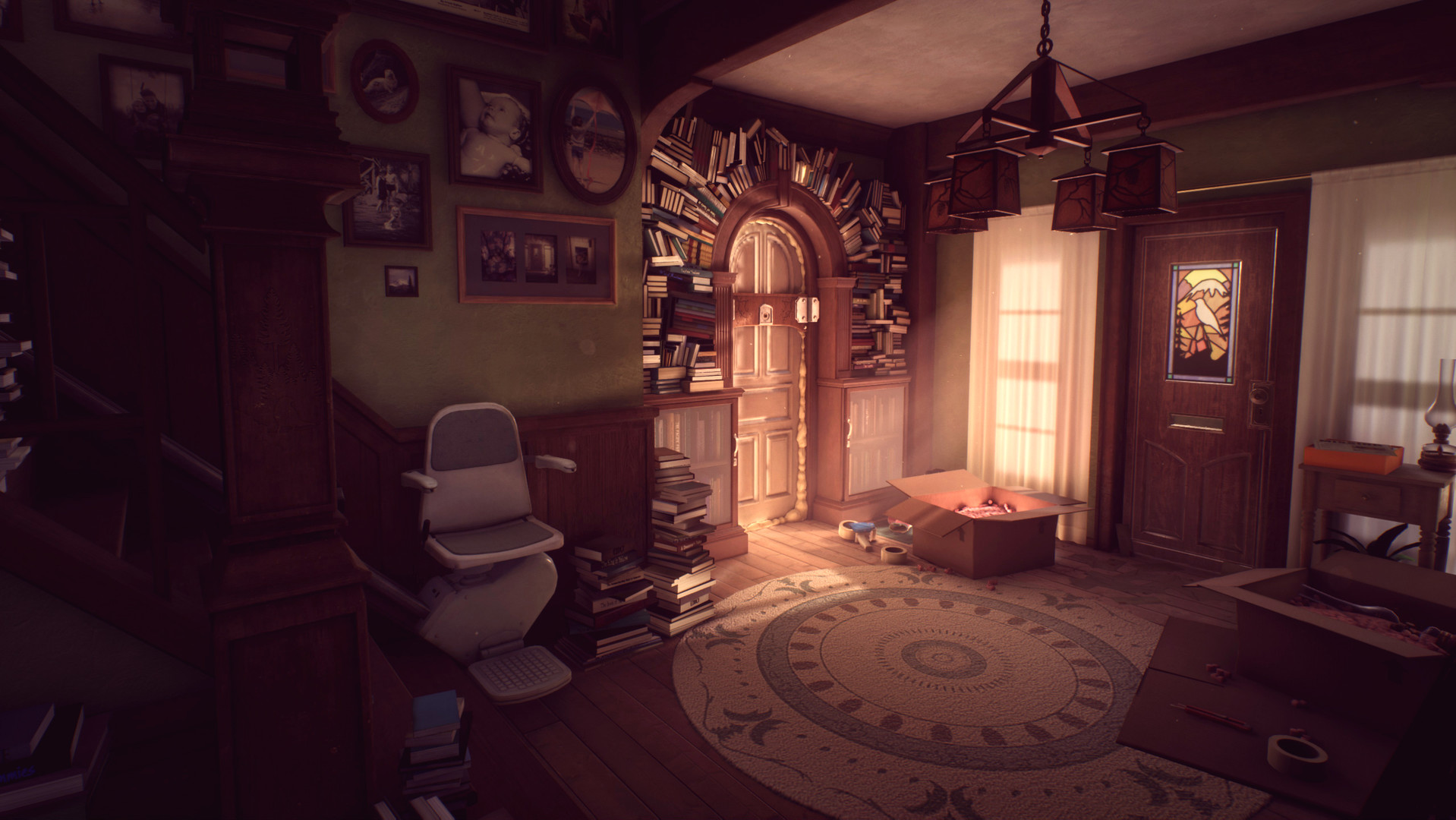
What Remains of Edith Finch by Giant Sparrow. Every death in the Finch family is a short playable sequence in a different style. The cumulative effect -- by the time you reach the final sequence, you have experienced each of these losses personally rather than just heard about them -- is profound and lingering. Two hours.
What Remains of Edith Finch -- $19.99. Two hours. Will stay with you.
8. Mouthwashing | $12.99
Mouthwashing by Wrong Organ. What happens to people in crisis when the structures that constrain behaviour are removed. No monsters. Entirely human. Two to three hours. One of the most disturbing games of 2025 and it does it without anything supernatural.
Mouthwashing -- $12.99. Short and genuinely awful, in the best way.
9. Sunless Sea | $18.99
At a glance: Narrative Roguelike, Lovecraftian Horror. 20-30 hrs. Punishing difficulty. Single player.
Sunless Sea by Failbetter Games. Literary Lovecraftian horror. An underground ocean beneath London where the rules are incompatible with human sanity. The horror accumulates through writing -- through the evidence that the world below London has been operating on its own logic for long enough that nothing human has remained unchanged by it.
Sunless Sea -- $18.99. Horror for people who read.
10. Darkest Dungeon | $24.99
Horror through mechanics rather than narrative. Darkest Dungeon by Red Hook Studios makes you manage the psychological deterioration of characters you have invested in. When a hero you have developed over thirty hours breaks under stress and becomes a liability, the discomfort is genuine. The most mechanically original psychological horror game ever made.
Full review: Darkest Dungeon
Darkest Dungeon -- $24.99. Psychological horror as game mechanics.
Ten games. All of them will stay with you longer than anything with a figure jumping out of a closet. Start with SOMA. Do not look anything up first.
The distinction between psychological horror and conventional horror is not just about what frightens you. It is about where the horror lives after the game is finished. A jump scare lives in the moment and nowhere else. A genuinely disturbing philosophical question or moral situation lives in your thinking for days, returning unexpectedly when something else triggers the association.
None of the games on this list were made by studios primarily concerned with jump scare counts or heart rate metrics. They were made by people who had something to say about the experience of being human, and who understood that the most effective horror is the kind that cannot be resolved by turning on the lights. SOMA is asking genuine philosophical questions about consciousness that have no clean answers. Signalis is exploring what it means to persist across fragmented identity. Darkest Dungeon is making a mechanical argument about the nature of hope and depletion. These are not themes bolted onto horror aesthetics. They are the point.
One practical note: all of these are better played in sessions long enough to build proper immersion. Don't play twenty minutes before bed. Give yourself two to three hours at a time -- the atmospheric accumulation these games depend on requires time to work, and short bursts interrupt that process, making the horror easier to dismiss than it should be. Start with whichever one sounds most interesting to you. Do not play them late at night alone if you value your sleep. Some of these will cost you some of it.
Every game on this list also rewards a second playthrough. The first time through, you're learning the story and the systems. The second time, you understand them well enough to notice what the game is doing structurally -- and for these specific games, that structural visibility often makes the original experience more impressive in retrospect, not less.