The Best Roguelikes on Steam in 2026: Ranked by Someone Who's Actually Played Them
The roguelike genre is flooded with mediocre games. Here are the ones actually worth your time, ranked with honest opinions on difficulty, price, and what makes each one tick.

TL;DR
- Hades tops the list -- technically a roguelite, and the argument for why that distinction matters.
- Dead Cells included for the best action feel in the genre, already better than most finished games.
- Every entry has been played through at least one meaningful run -- ranked with real opinions, not an algorithm.
The roguelike genre has a discovery problem. Steam has hundreds of them. The vast majority are mediocre. A handful are exceptional. The algorithm does not reliably distinguish between these categories, which means a lot of people end up playing mediocre roguelikes and concluding the genre is not for them. This list exists because finding the good stuff is genuinely infuriating without a guide.
I have played a lot of roguelikes. I have opinions about which ones are worth your time. These are the ones that actually matter in 2026, ranked with honest assessments of what makes each one work and who it is for. I have played everything on this list through at least one meaningful run.
Essential | Buy Without Thinking
Hades | $24.99
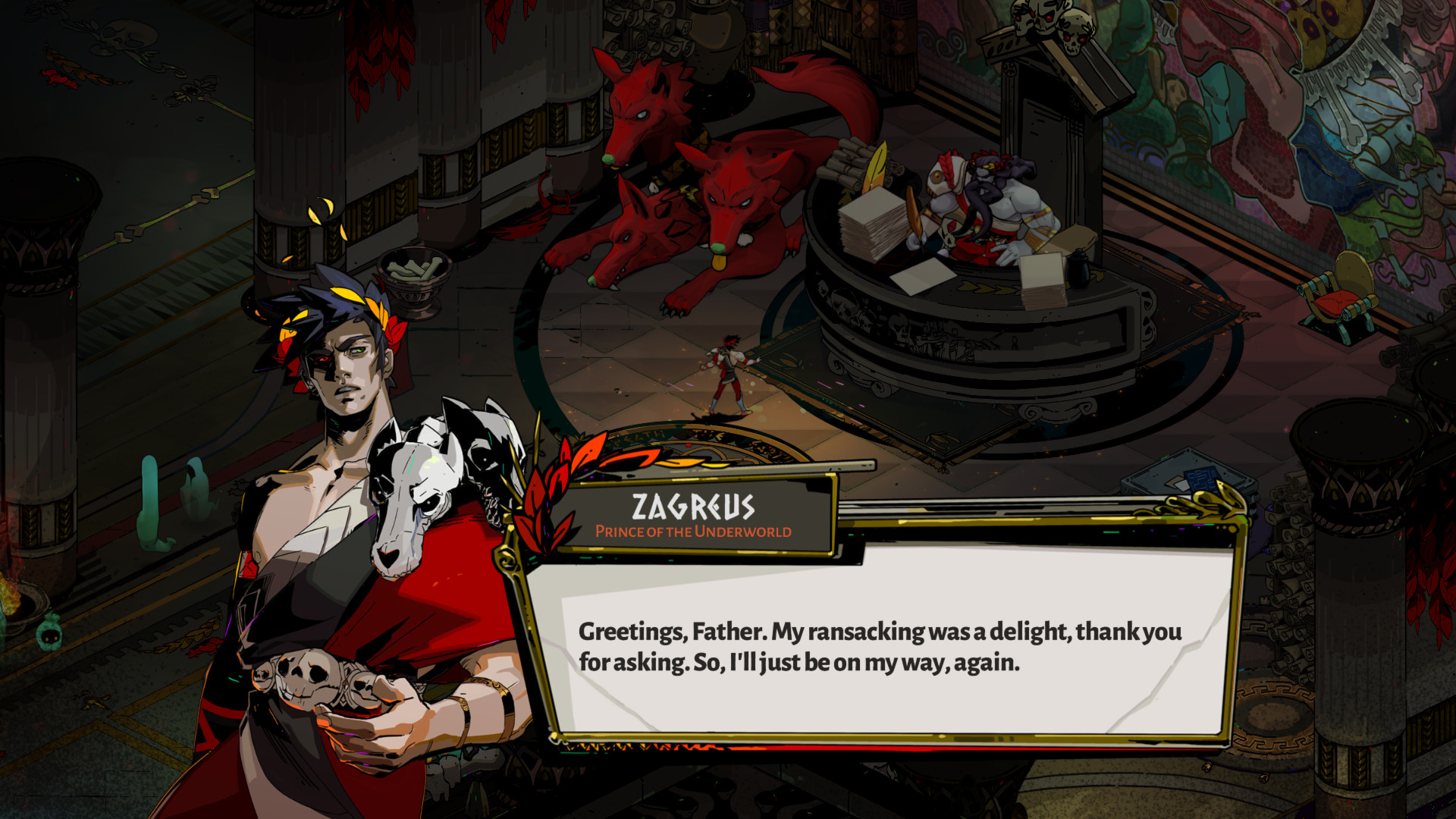
Hades by Supergiant Games is the best action roguelite ever made. It is also, technically, not really a roguelike -- it is a narrative game using run-based structure as a story delivery mechanism. Every death advances the plot. Every character has tens of thousands of unique lines calibrated to where you are in the story. The combat is tight enough to stand alongside dedicated action games.
If you play one game from this list, it is Hades. Play it first, before anything else.
Hades -- $24.99. The genre benchmark.
Balatro | $14.99
One person. A poker-based deckbuilder that won Game of the Year 2024 and found genuinely new ground in a genre everyone thought was solved. The one-more-run pull is among the strongest ever designed. $14.99. The best game of 2024.
Balatro -- $14.99. Buy it immediately.
Slay the Spire | $24.99
Slay the Spire by MegaCrit invented the deckbuilding roguelite in 2017 and remains the best example of it. Four characters with distinct playstyles, synergy possibilities that stay interesting across hundreds of hours, an ascension system for players who want continued challenge. The template for everything that followed.
Slay the Spire -- $24.99. The deckbuilder template.
Dead Cells | $24.99
The best movement feel of any action roguelite on Steam. Dead Cells by Motion Twin rewards aggression in ways that feel physically satisfying. After years of free updates and DLC it has more content than games three times its size.
Dead Cells -- $24.99. Best action feel in the genre.
Excellent | Worth Full Price
Hades II | $29.99 (Early Access)
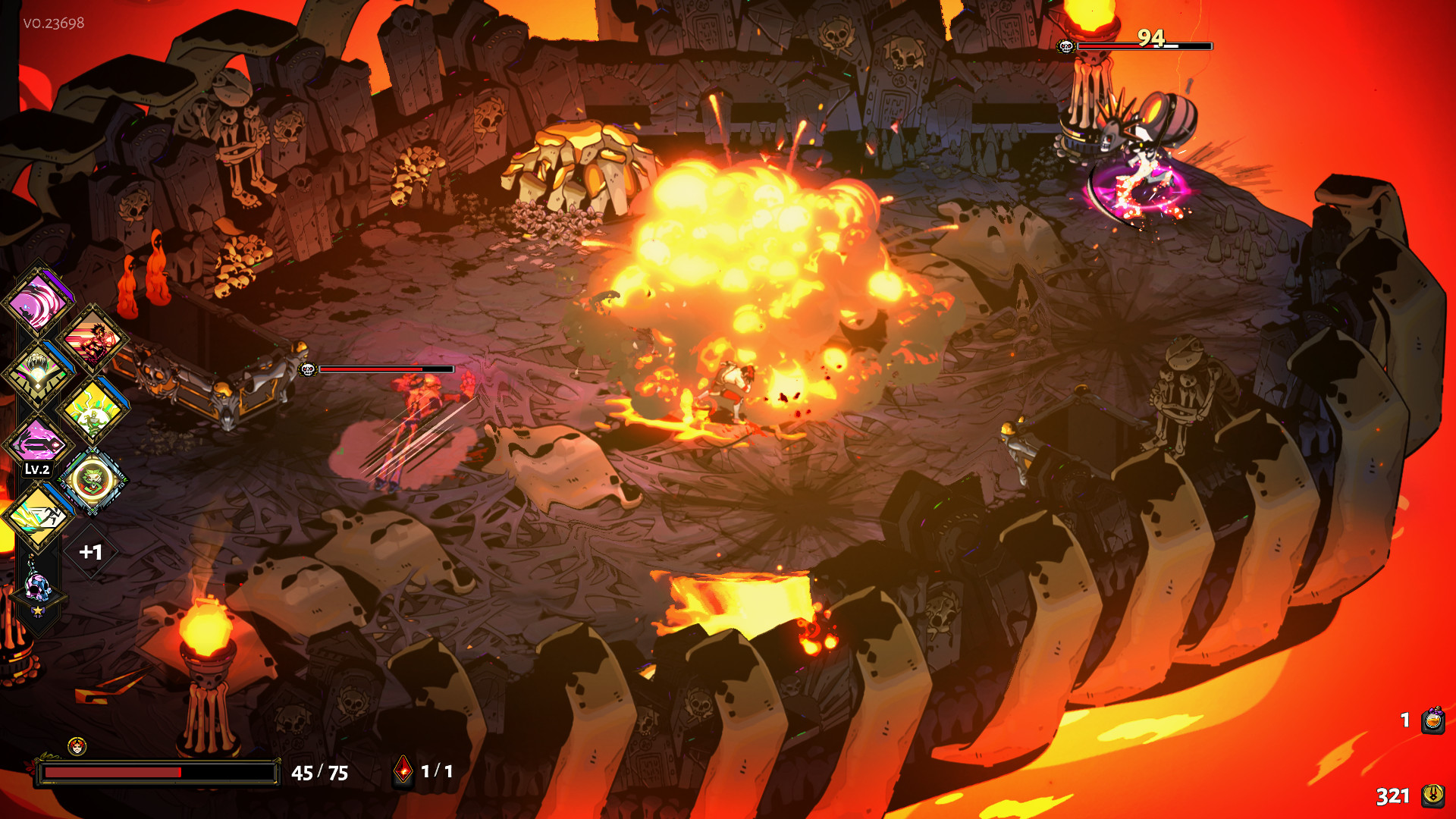
Already better than most finished games. Hades II in early access demonstrates Supergiant's design standards clearly. New protagonist, expanded combat systems, same narrative-driven structure. Play Hades first if you have not.
Hades II -- $29.99 Early Access. Play Hades first.
Risk of Rain 2 | $24.99
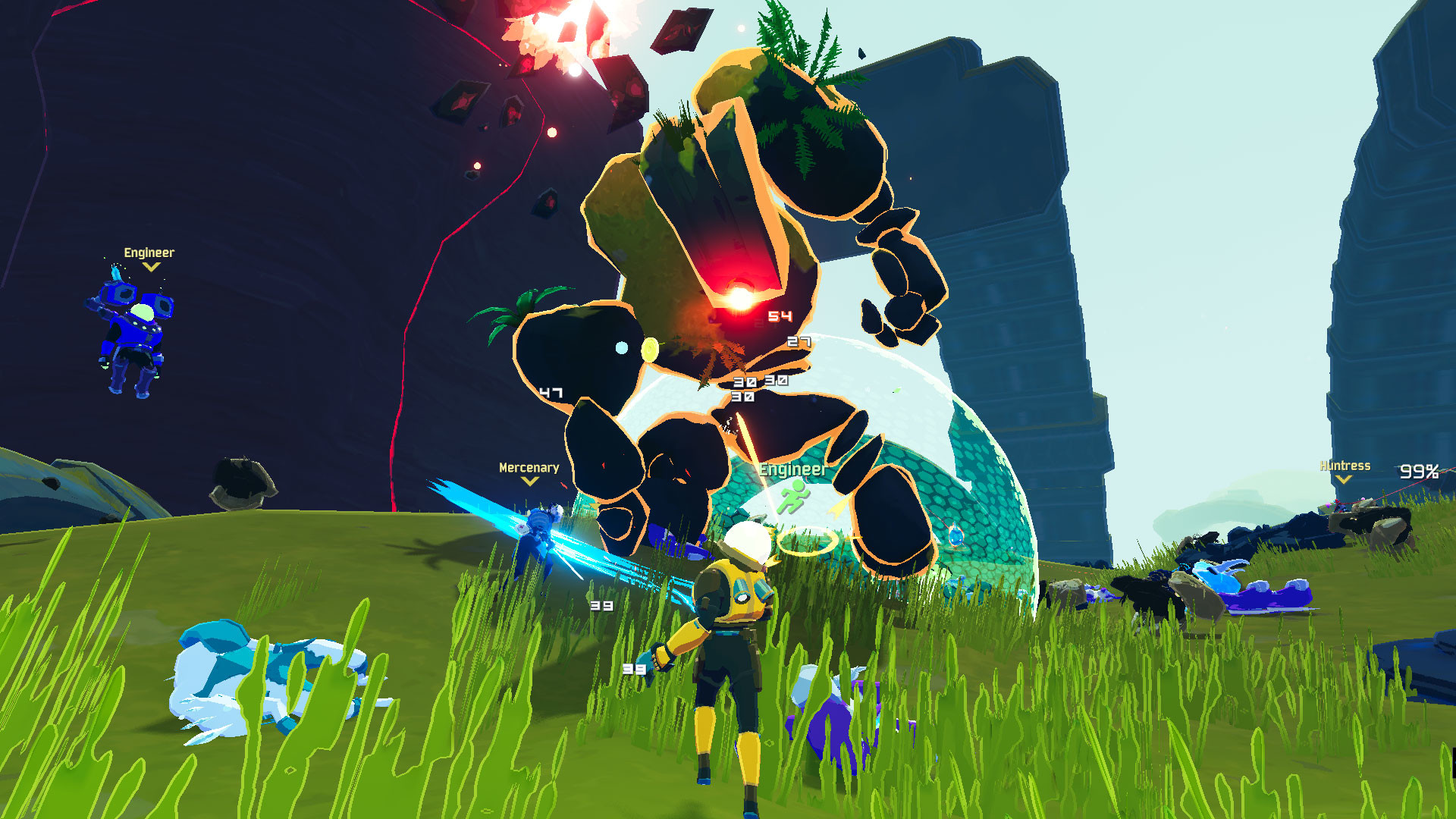
Difficulty scales with time spent in a run, the longer you survive, the harder it becomes, creating tension that most roguelites cannot replicate. Item stacking reaches spectacular absurdity by the late game. Better in co-op than solo, though it holds up fine alone.
Risk of Rain 2 on Steam -- $24.99. Genuinely Worth Buying.
Caves of Qud | $29.99
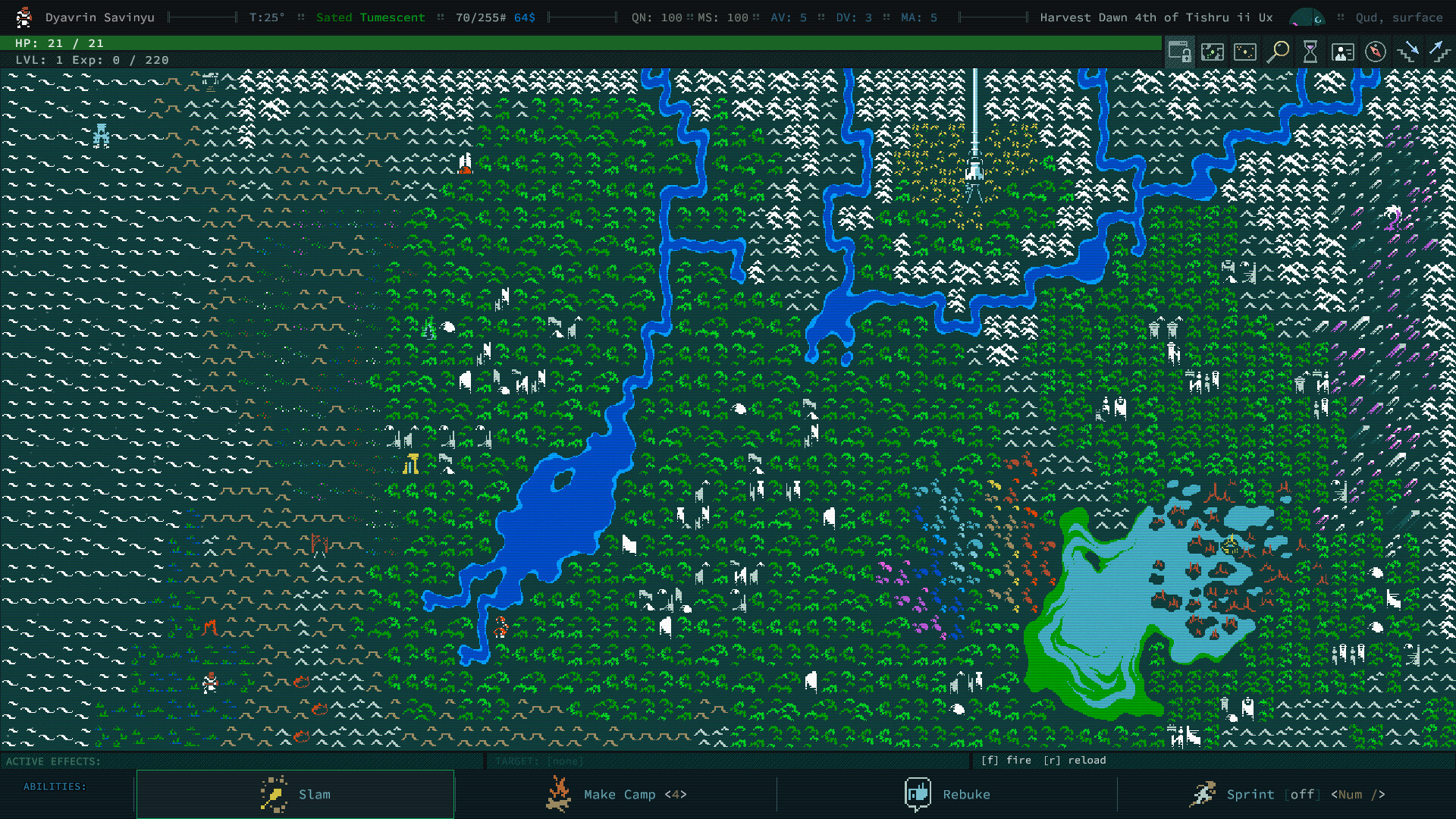
The deepest roguelike on Steam by systemic complexity. Not accessible, genuinely requires commitment before it clicks. For players who engage fully, one of the most generative game worlds ever built, with mutation and faction systems that keep producing genuinely novel situations hundreds of hours in.
Caves of Qud on Steam -- $29.99. Genuinely Worth Buying.
Enter the Gungeon | $14.99
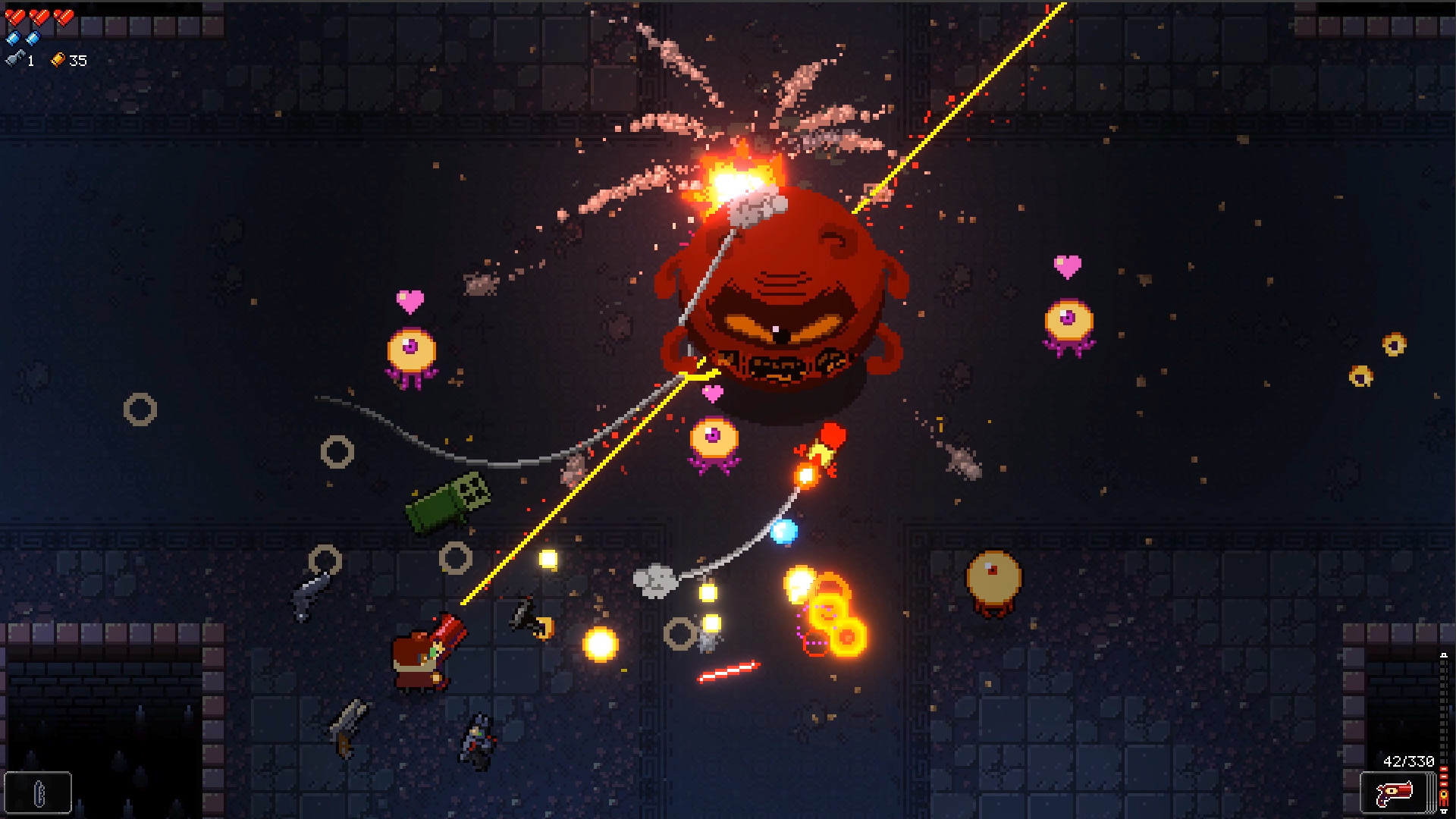
A bullet-hell roguelite set in a dungeon that is also a gun, where every weapon is a gun pun. Difficult, fair, packed with references. One of the best twin-stick shooters available on Steam, roguelike or otherwise, and genuinely funny throughout without the jokes undercutting the challenge.
Enter the Gungeon on Steam -- $14.99. Genuinely Worth Buying.
The Binding of Isaac: Repentance | $50.96 (Complete Bundle)
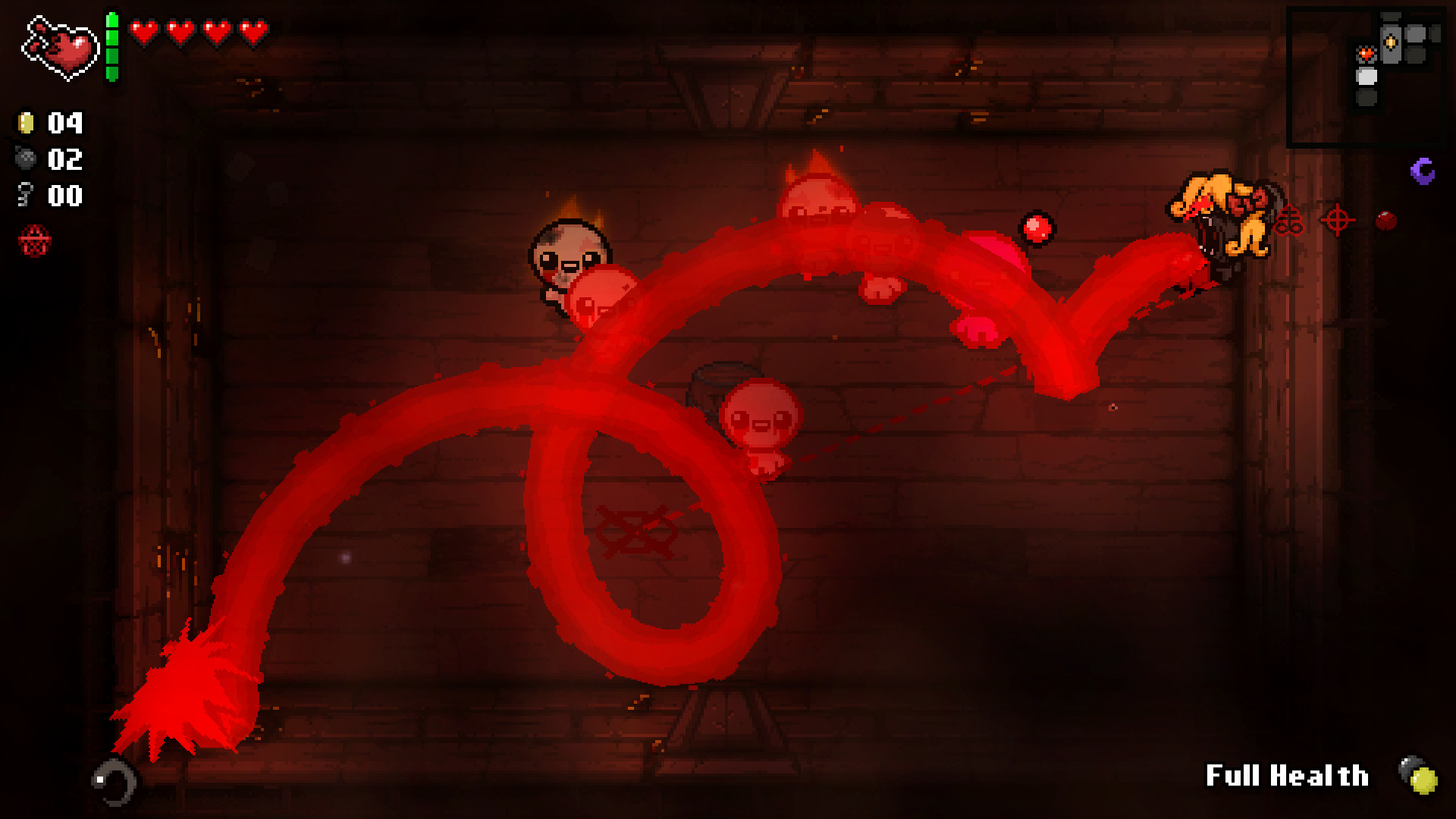
A decade of updates has produced the most content-dense roguelite on Steam. Overwhelming initially and endlessly deep for committed players. Worth a real pricing note: Repentance is DLC that chains through the whole series, Rebirth then Afterbirth then Afterbirth+ then Repentance, each requiring the last, so the honest price to know is the Complete Bundle's $50.96, not the DLC's standalone listing. It goes on sale often and hard, down to around $5 during major Steam sales, which is genuinely the smart way to buy the whole thing.
The Binding of Isaac: Repentance on Steam -- $50.96 full (complete bundle), frequently on sale for ~$5. Genuinely Worth Buying.
Monster Train | $24.99
Slay the Spire for players who want more faction variety and strategic layering. Choose two of five factions at the start of each run, generating 25 possible combinations, then defend across three vertical floors rather than a single lane. The spatial layer changes the strategic math meaningfully compared to a straight deckbuilder.
Monster Train -- $24.99. Genuinely Worth Buying.
Slay the Spire 2 | $24.99 (Early Access)
The genre-defining deckbuilder gets a real sequel, a thousand years after the original. 575-plus cards, 278 relics, and the series' first four-player co-op. Still in Early Access, with card balance still being tuned, but the foundation is exactly what you'd expect from the studio that invented the genre building on it a second time.
Slay the Spire 2 -- $24.99 Early Access. Genuinely Worth Buying.
FTL: Faster Than Light | $9.99
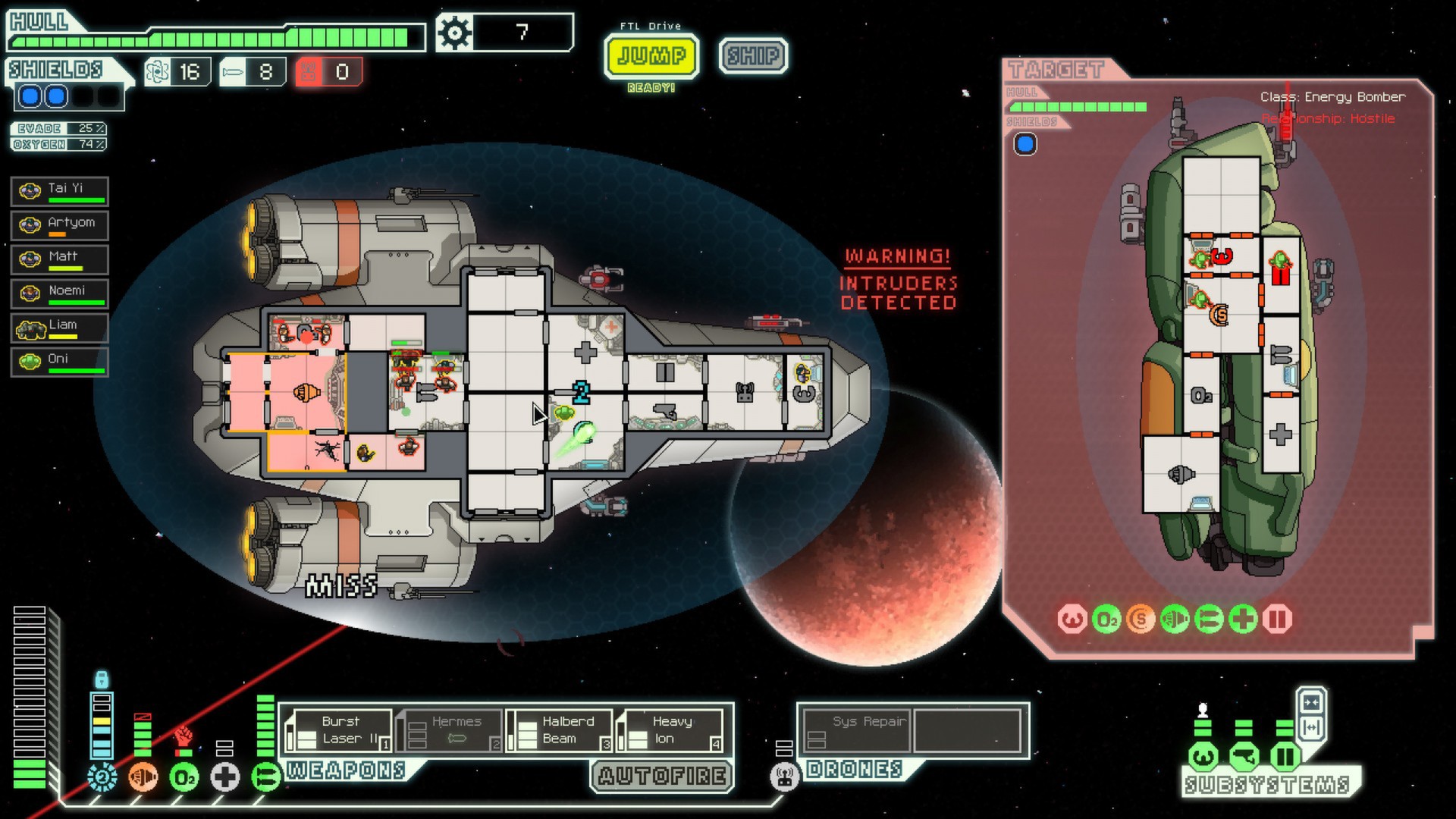
Arguably the game that started the modern roguelike wave on Steam. A spaceship management sim where every system failure and crew decision matters, and permadeath means every run's specific disaster becomes a story worth telling. From Subset Games, who went on to build Into the Breach. It still holds up completely over a decade later.
FTL on Steam -- $9.99. Genuinely Worth Buying.
Spelunky 2 | $19.99
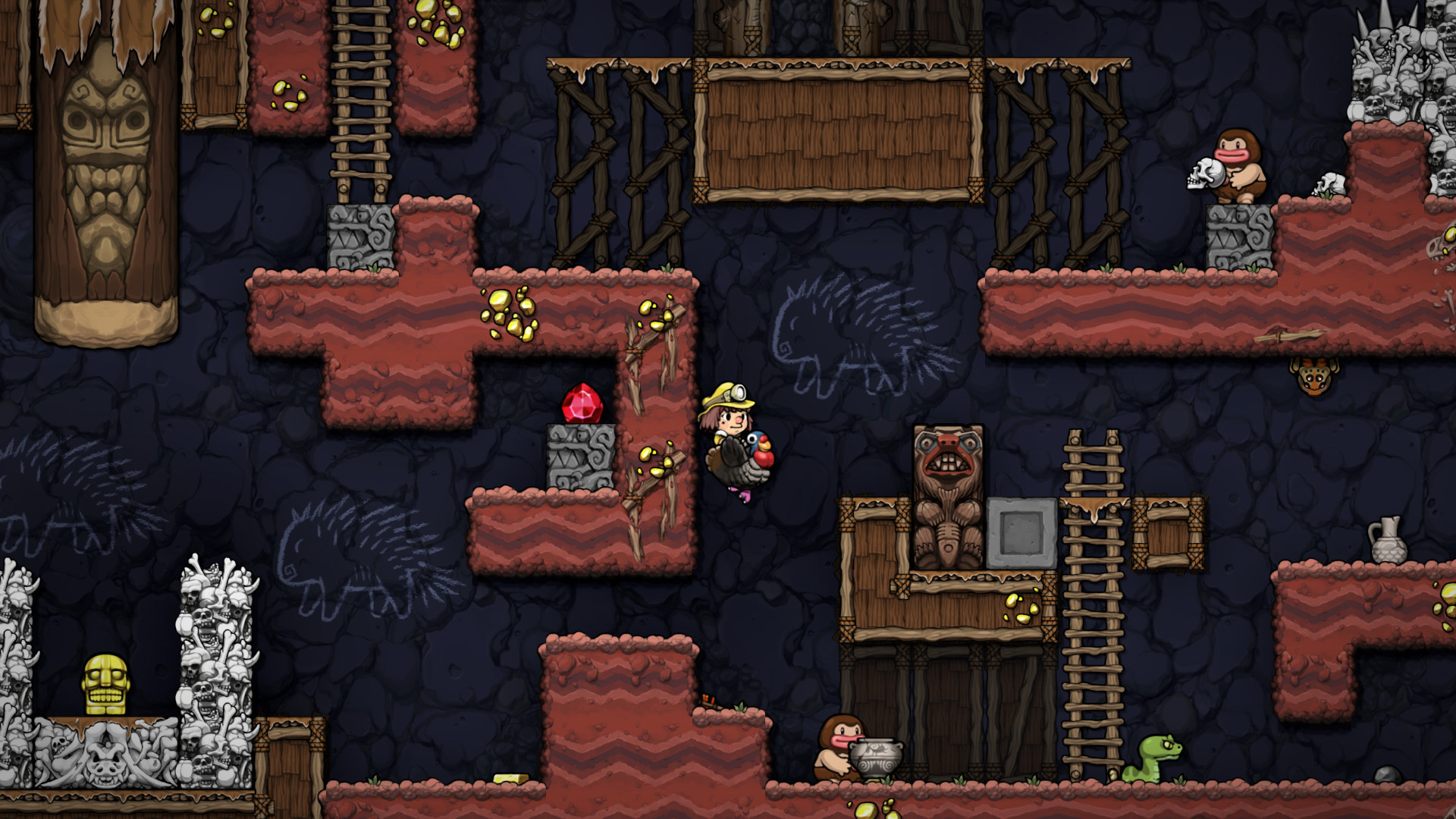
The benchmark for platformer roguelikes, and the sequel improves on an already-excellent original in almost every way. Procedural generation that somehow still feels handcrafted, with interlocking systems (fire spreads, water floods, enemies fight each other) that create emergent chaos no scripted level could match.
Spelunky 2 on Steam -- $19.99. Genuinely Worth Buying.
Cult of the Lamb | $24.99
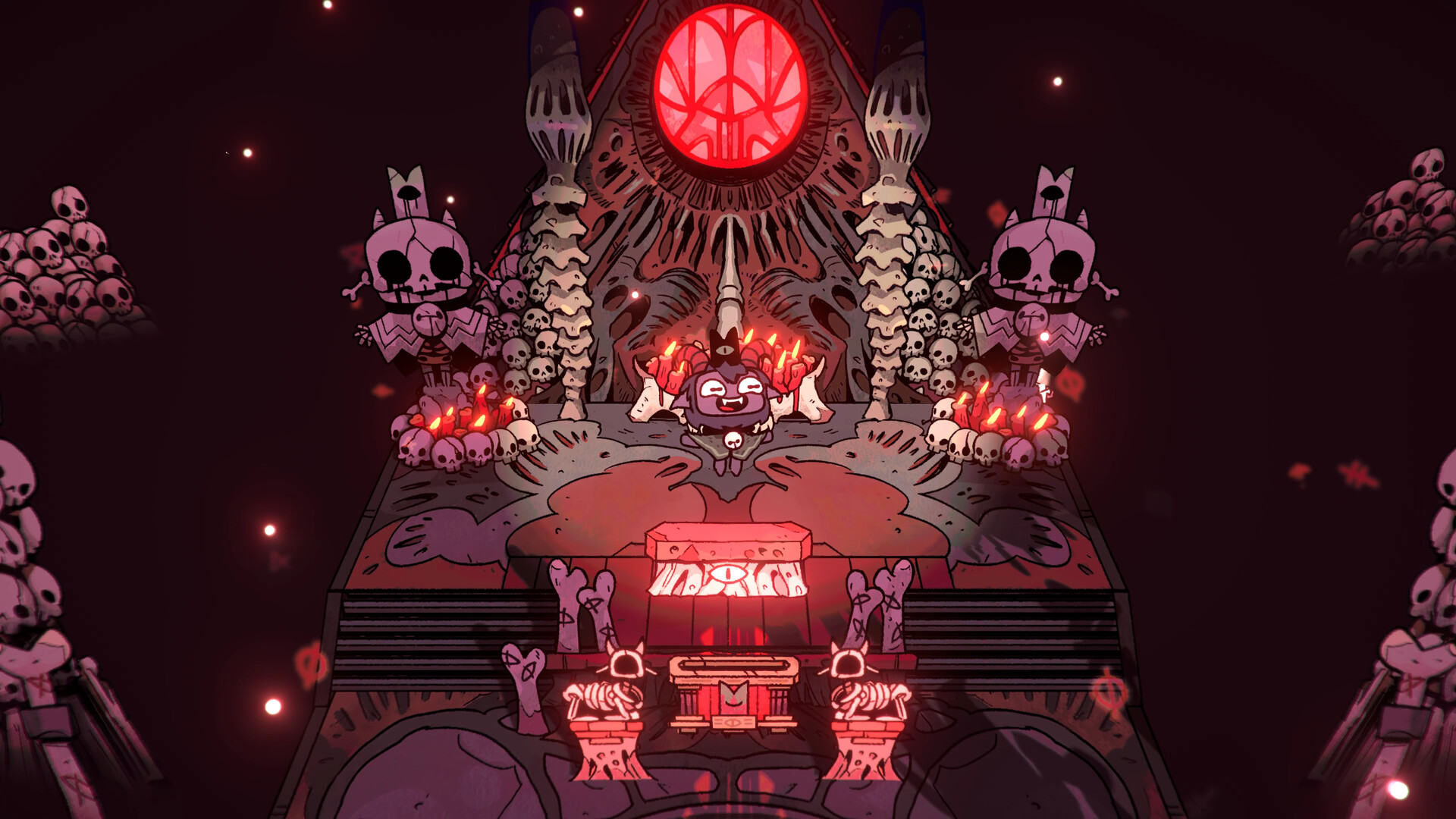
Roguelike dungeon crawling fused with cult-management base building, and both halves are genuinely good rather than one propping up the other. You lead followers, manage a growing settlement, and periodically descend into procedurally-generated dungeons to fight for your dark god. The hybrid works because each half gives the other a reason to exist.
Cult of the Lamb on Steam -- $24.99. Genuinely Worth Buying.
Streets of Rogue | $19.99
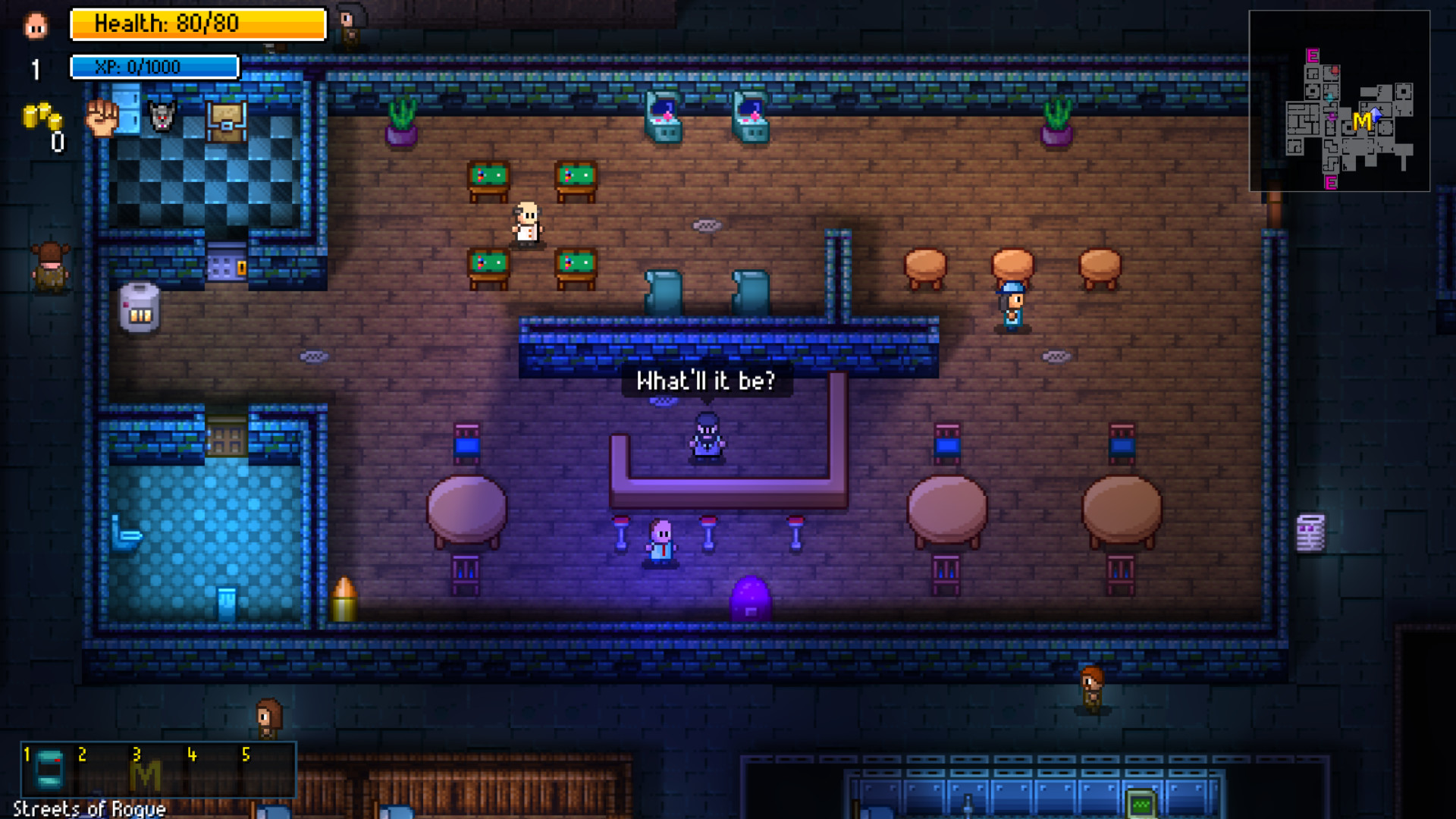
An immersive-sim roguelike, genuinely unlike anything else on this list mechanically. Every mission can be solved through combat, stealth, social manipulation, or outright chaos, and the game means it: a run built entirely around bribing guards or disguising as an NPC is just as viable as one built around punching through every obstacle.
Streets of Rogue on Steam -- $19.99. Genuinely Worth Buying.
Very Good | Buy on Sale
Noita | $19.99
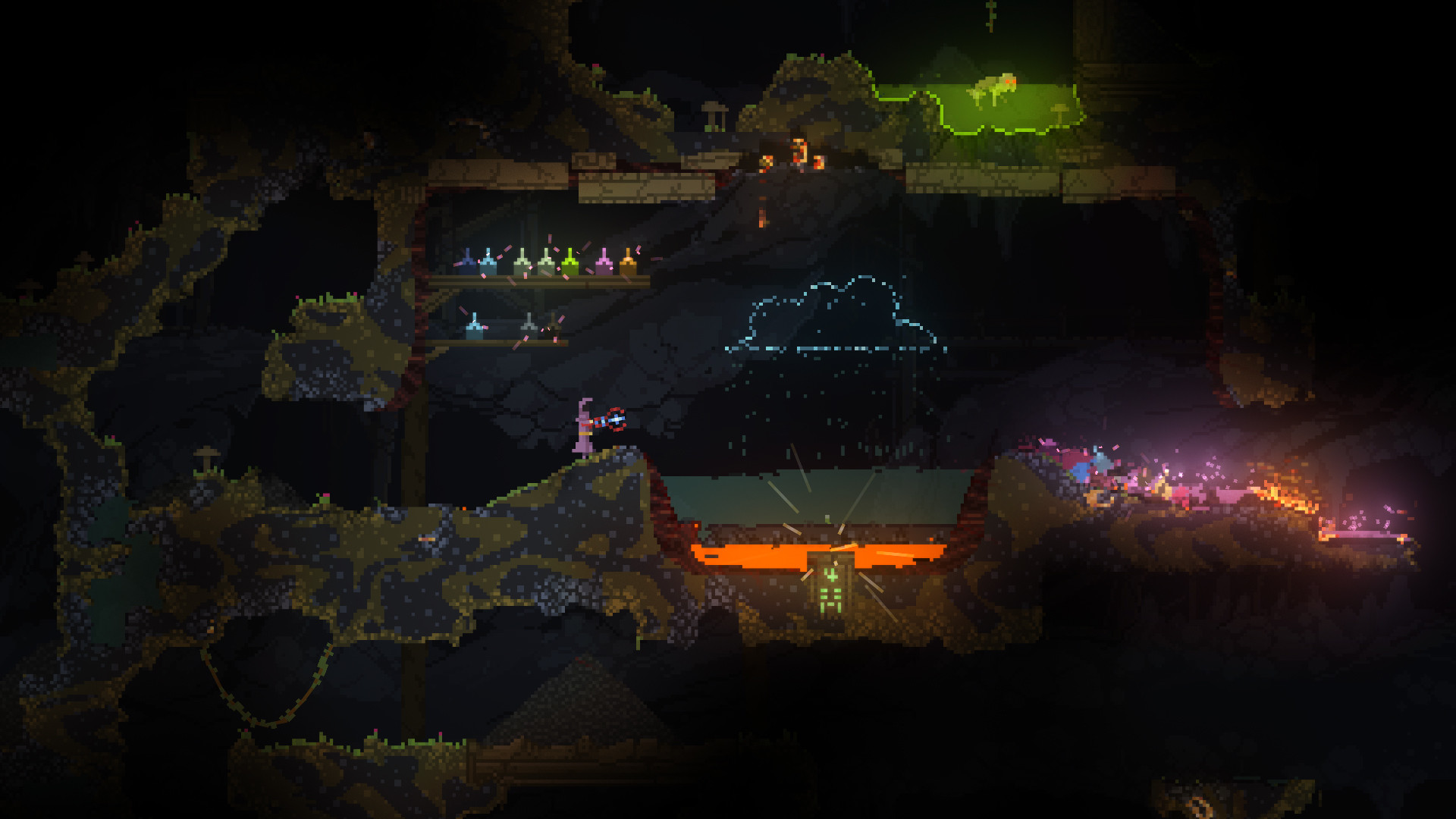
Every pixel physically simulated. The most technically ambitious indie game ever made, mechanically. Wand combinations range from world-ending to catastrophically self-destructive, and the game never tells you which in advance. Punishing, strange, extraordinary, and genuinely unlike anything else on Steam at the systems level.
Noita on Steam -- $19.99. Genuinely Worth Buying.
Vampire Survivors | $4.99
The best value proposition in PC gaming. One developer. Seven million copies. The roguelite that broke the genre open for a new audience. $4.99. Just buy it. Buy on Steam.
Darkest Dungeon | $10.99
Gothic horror roguelite. The stress mechanic changed how horror games can represent psychological damage. Wayne June narrating your failures in Gothic poetry. Hundreds of hours. Buy on Steam.
Loop Hero | $14.99
An idle roguelike where you build the world your hero walks through, one card at a time, rather than navigating a world that already exists. One of the most genuinely original concepts the genre has produced in years -- easy to lose track of time in.
Loop Hero -- $14.99. Genuinely Worth Buying.
Mewgenics | $29.99
Edmund McMillen's years-in-the-making cat-breeding roguelike. Breed, train, and send genetically unique cats into tactical combat, with a genetics system deep enough that no two runs play quite the same. Sold over a million copies in its first week. The humour is very McMillen and won't land for everyone, but the systems underneath are worth pushing through it for.
Mewgenics -- $29.99. Genuinely Worth Buying.
Brotato | $4.99
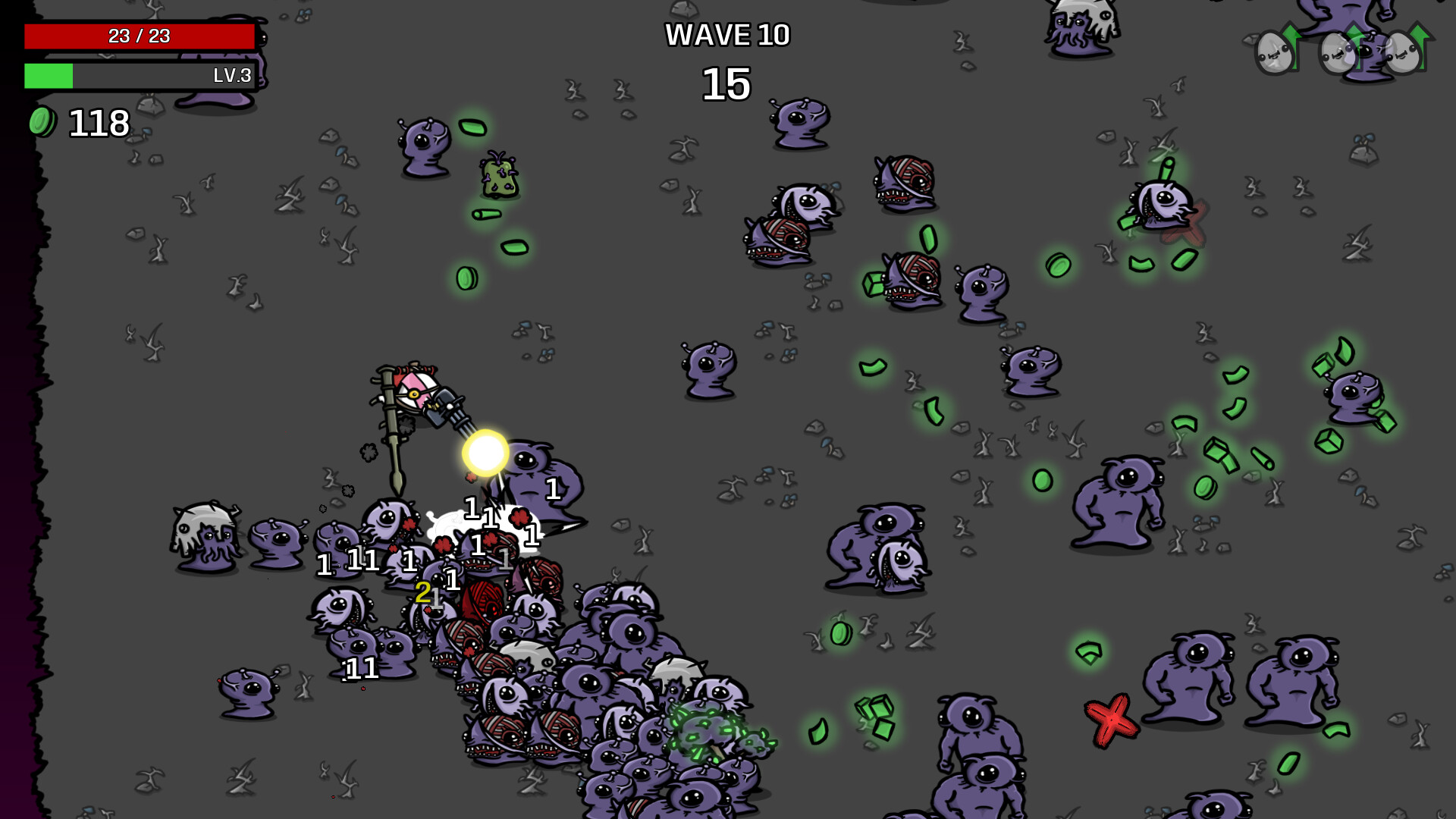
The biggest recent hit in the Vampire Survivors-adjacent bullet-heaven space, and it earns the comparison on its own terms rather than just riding the wave. You play a potato (six arms optional) surviving waves of enemies while juggling up to six weapons at once. Runs are short, replayability is high, and $4.99 is an easy ask.
Brotato on Steam -- $4.99. Genuinely Worth Buying.
Nuclear Throne | $11.99
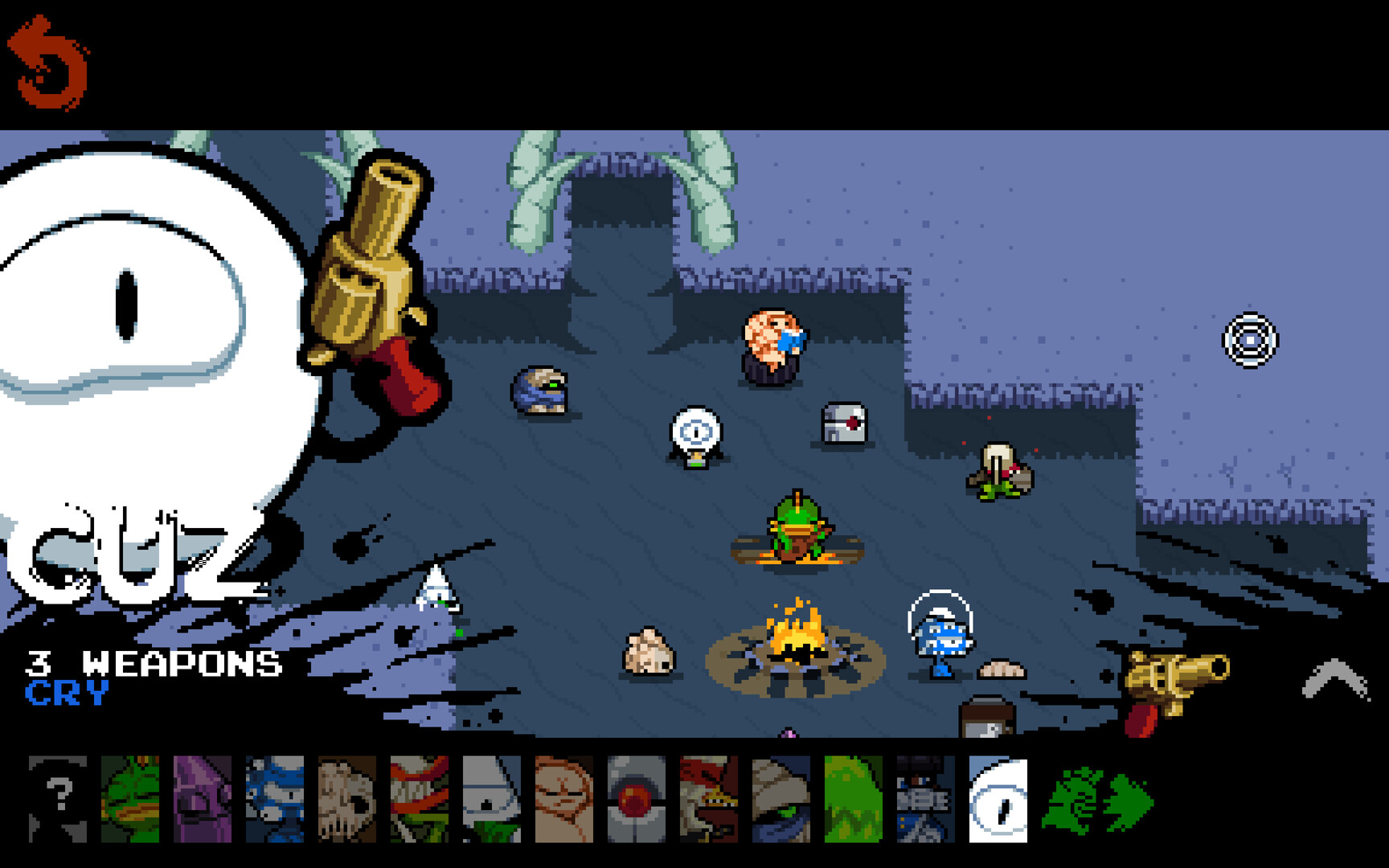
Vlambeer's top-down shooter roguelite, a genre classic that's held up well since release. Fast, brutal, and unapologetically difficult, with a mutant-cast selection that each play meaningfully differently. Short runs mean losing never costs much time.
Nuclear Throne on Steam -- $11.99. Genuinely Worth Buying.
Rogue Legacy 2 | $24.99
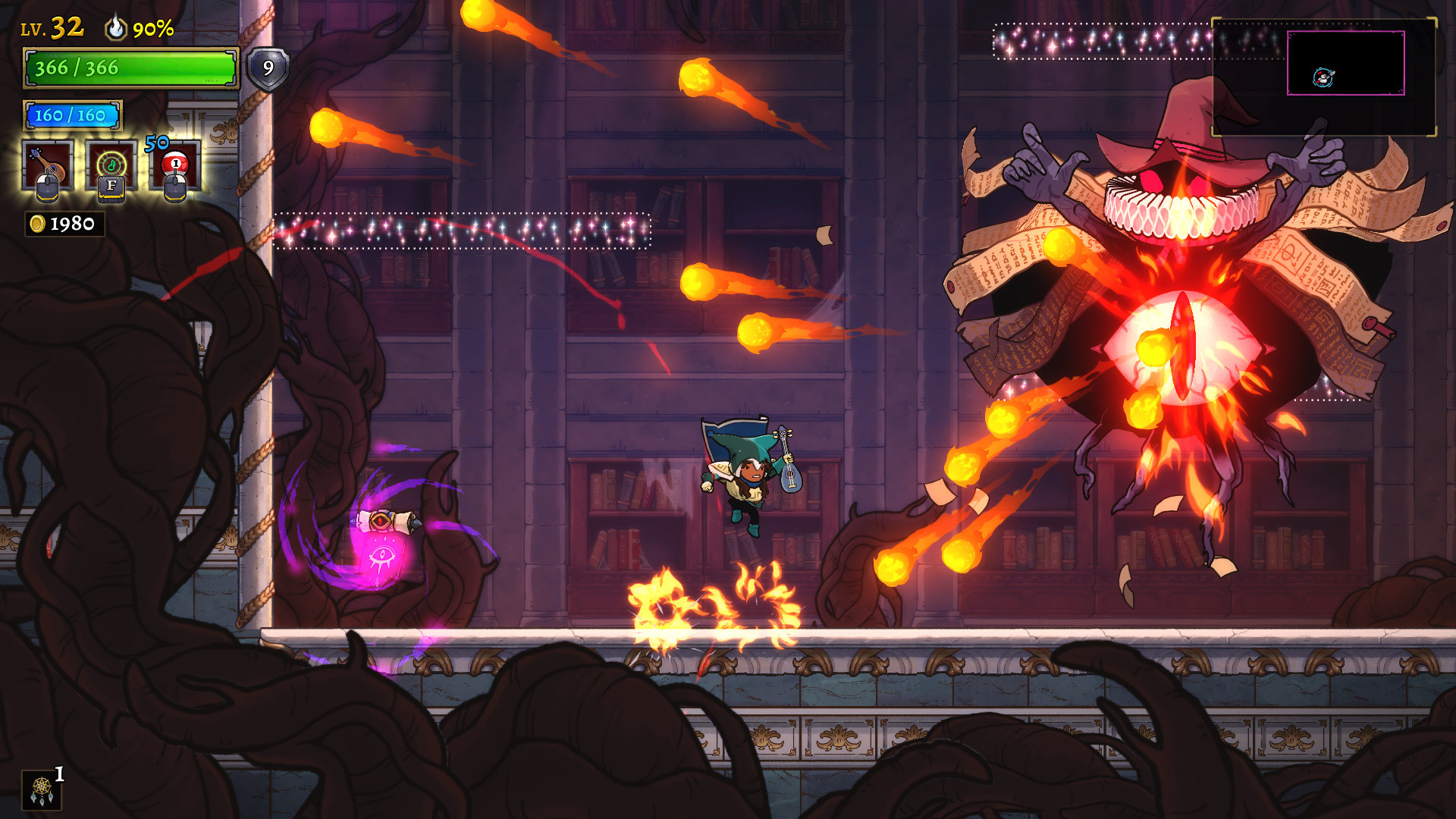
A well-reviewed sequel to a genre-defining original. Each death passes your castle to a randomly-generated heir, sometimes with useful traits, sometimes with genuinely absurd ones, and the generational inheritance mechanic still gives permadeath real narrative texture nearly a decade after the first game did it first.
Rogue Legacy 2 on Steam -- $24.99. Genuinely Worth Buying.
Children of Morta | $21.99
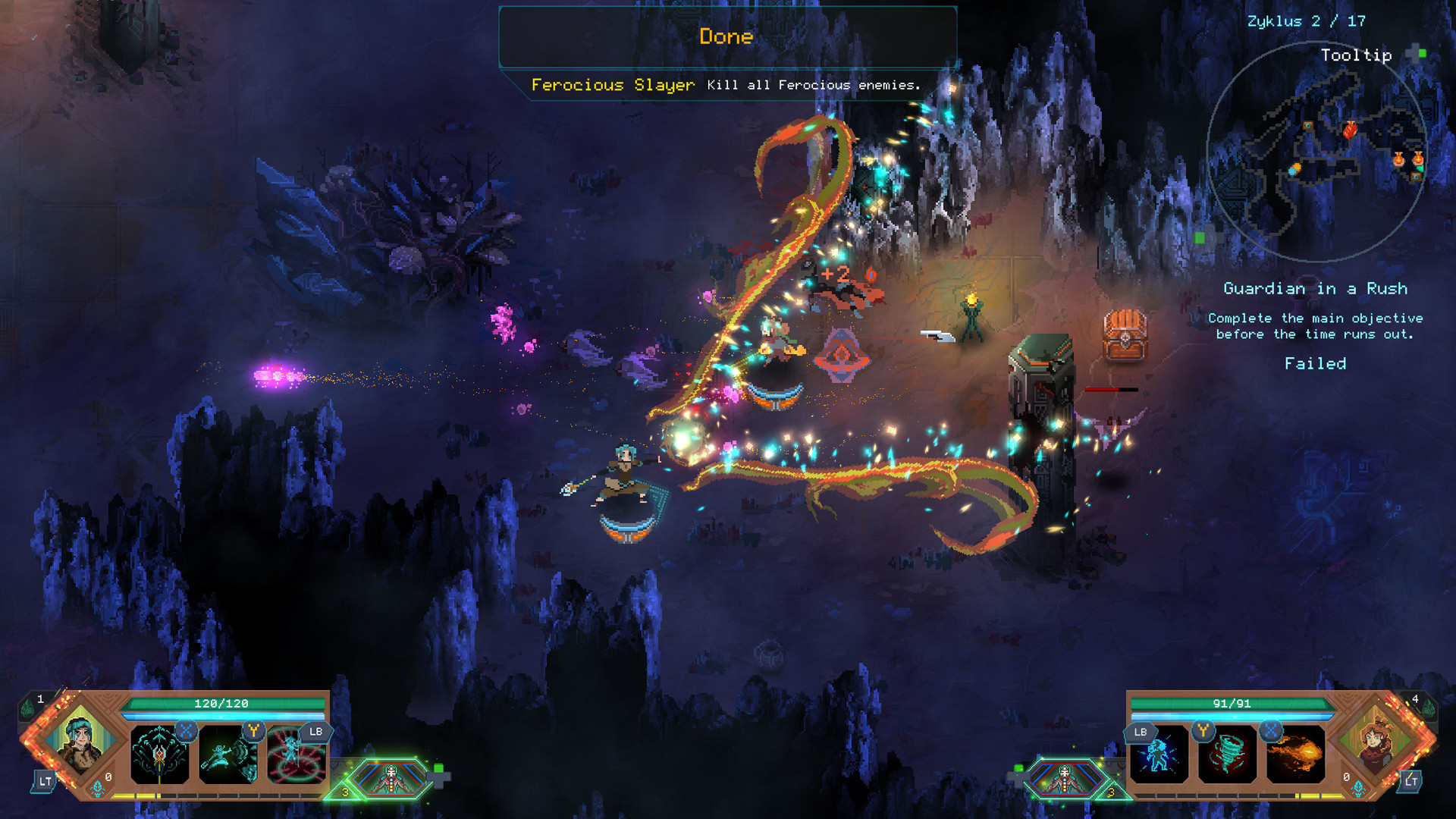
An action RPG roguelite built around a genuinely beloved family mechanic, six playable Bergson family members with a shared, persistent relationship system rather than isolated characters. The narration and hand-painted art style give it real emotional weight most roguelites don't attempt.
Children of Morta on Steam -- $21.99. Genuinely Worth Buying.
Wizard of Legend | $15.99

Fast, fluid spell-combo action, chaining elemental abilities together in ways that reward genuine mechanical mastery over gear stacking. Solid, well-regarded, and underrepresented in the genre's usual conversation despite holding up well against flashier competition.
Wizard of Legend on Steam -- $15.99. Genuinely Worth Buying.
Worth Your Time | Real Audience, Not For Everyone
Have a Nice Death | $24.99

Workplace comedy meets action roguelite. You play Death himself, worn down by an overworked, understaffed soul-collection company, fighting through your own corporate hierarchy to figure out why. The premise alone makes it worth knowing about, and the combat holds up well enough to justify it beyond the joke.
Have a Nice Death on Steam -- $24.99. Genuinely Worth Buying.
Skul: The Hero Slayer | $19.99
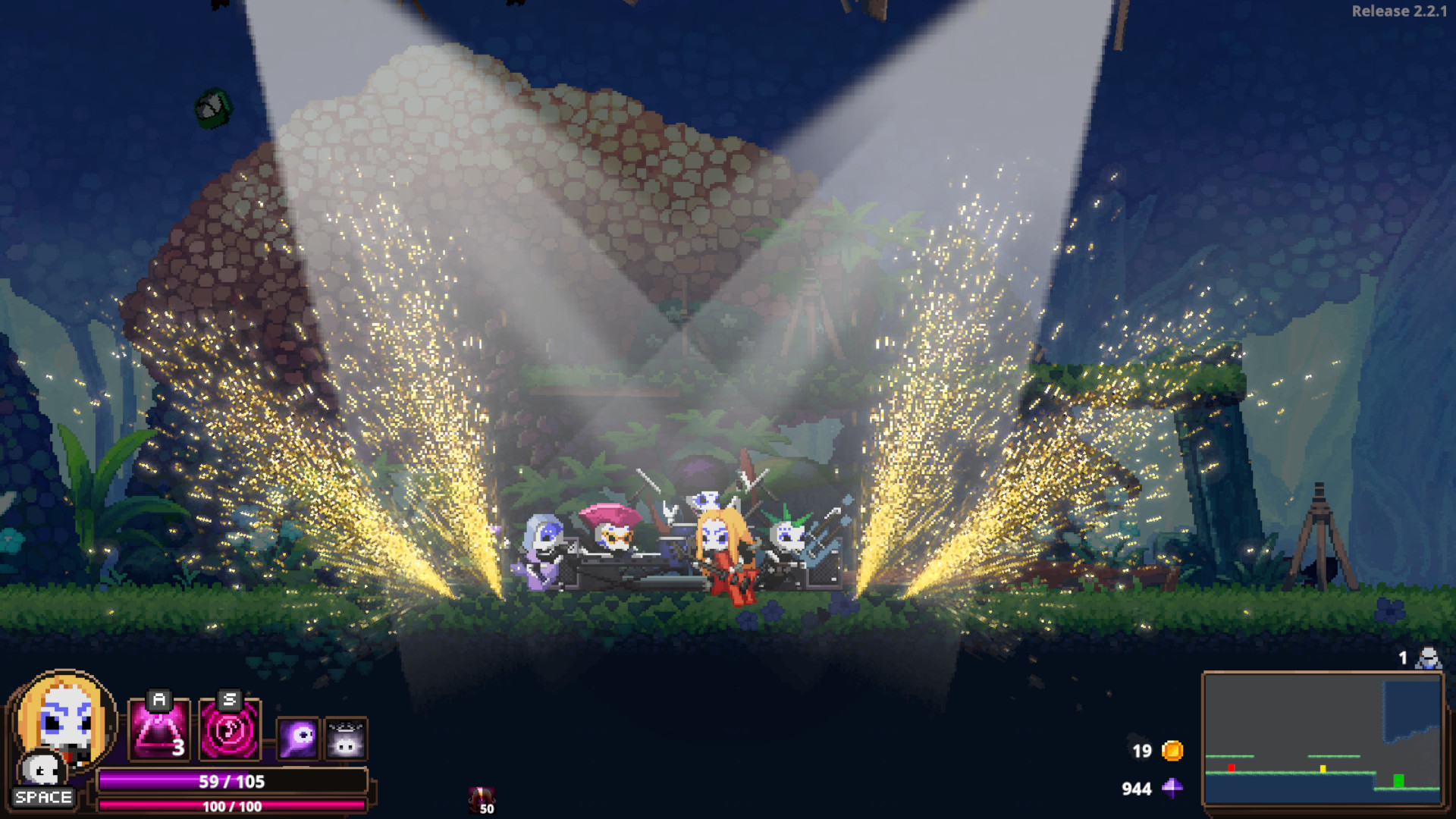
A skeleton swapping skulls mid-run for entirely different movesets, each skull changing your whole kit rather than just tweaking stats. Well regarded within the genre specifically for how different two runs can feel purely from which skulls you find, with a visual identity nothing else on this list shares.
Skul: The Hero Slayer on Steam -- $19.99. Genuinely Worth Buying.
Peglin | $19.99
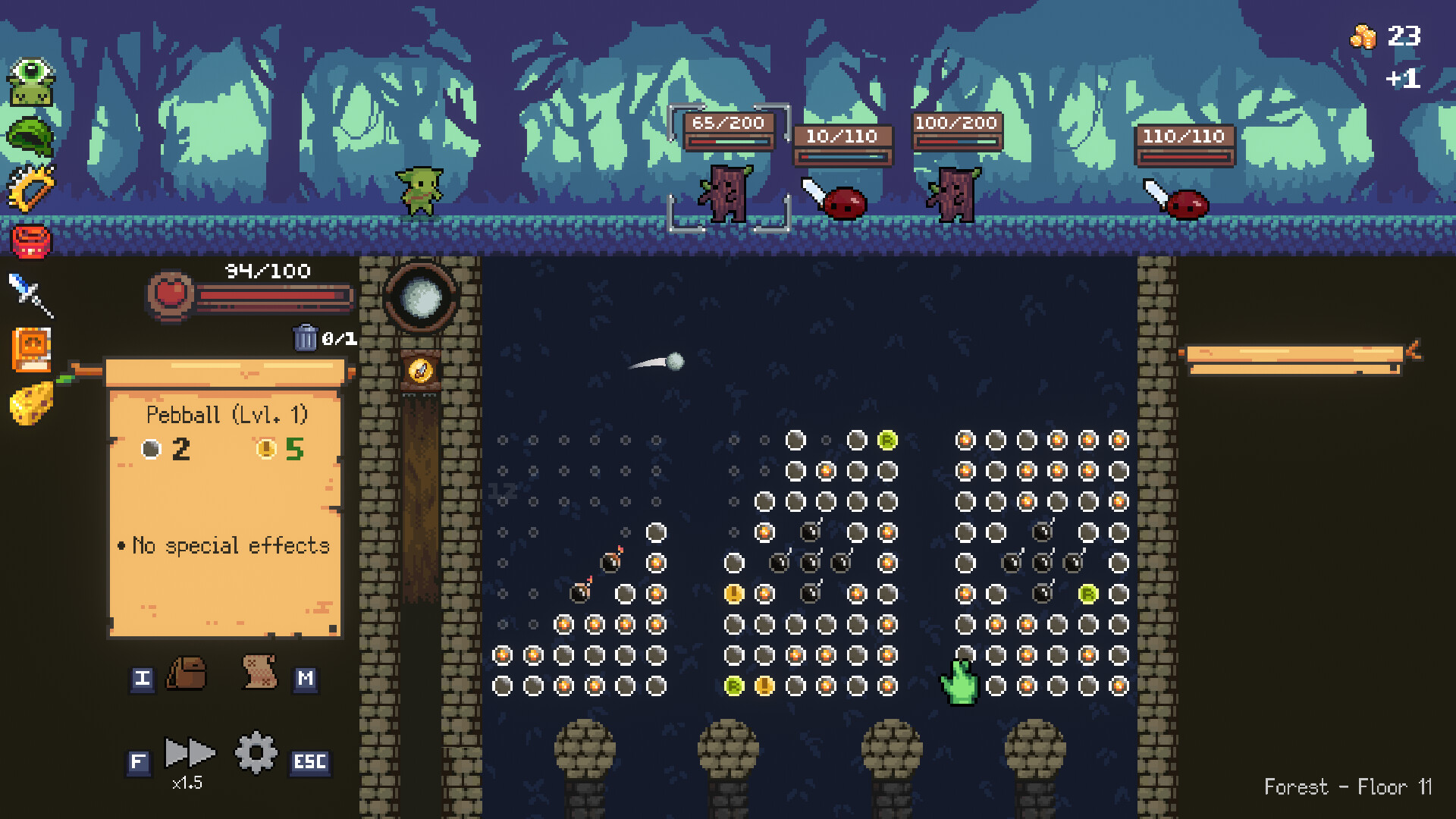
Peggle's peg-bouncing mechanics fused with roguelike deckbuilding progression, and it's a genuinely unique combination nothing else on this list, or really on Steam, replicates. Orbs bounce unpredictably off pegs for damage, building runs are about orb selection and peg-board reading rather than card synergy alone.
Peglin on Steam -- $19.99. Genuinely Worth Buying.
Wildfrost | $19.99
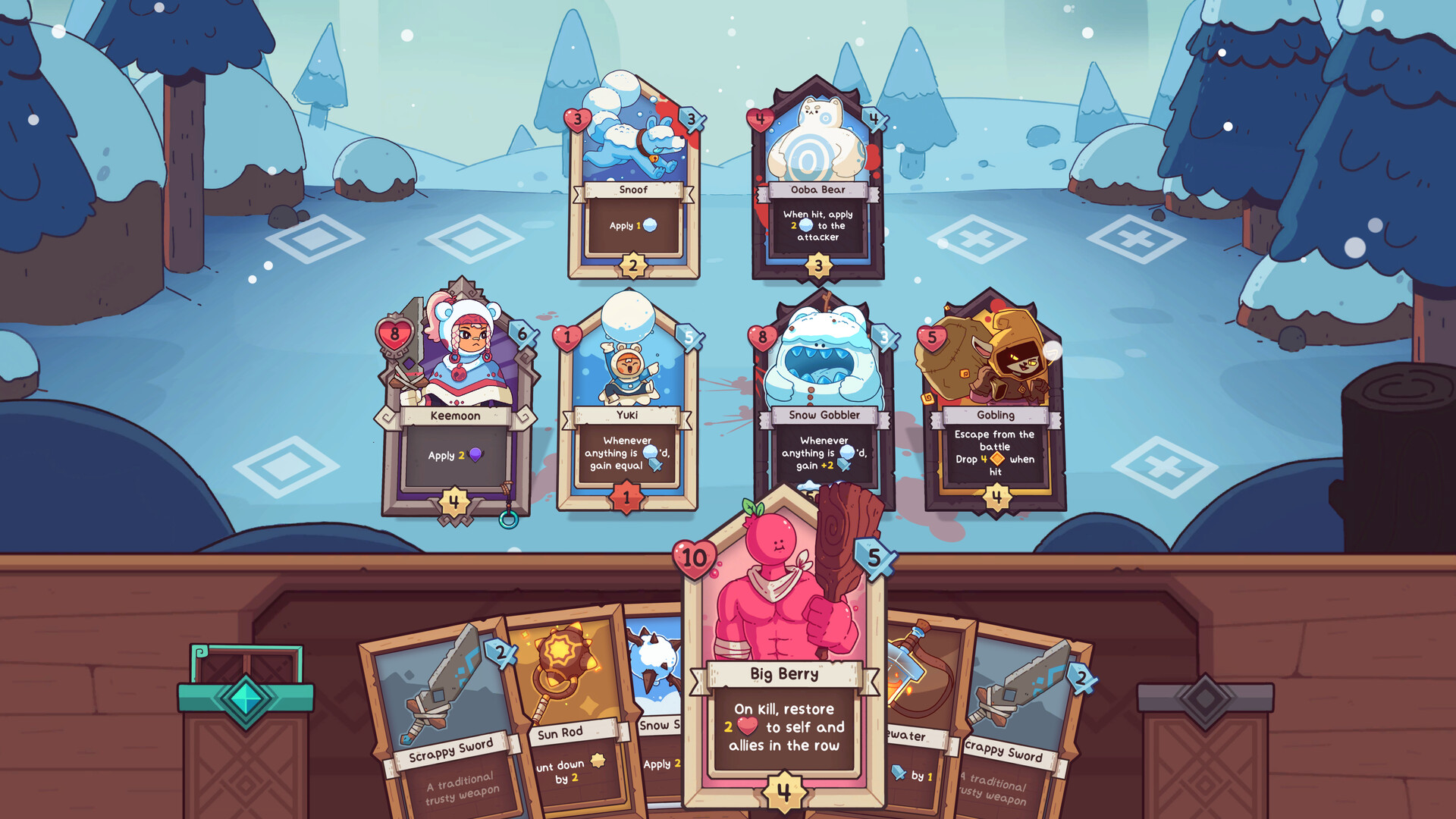
A well-reviewed deckbuilder roguelike that's genuinely distinct from the Slay the Spire lineage, companion creatures with their own health and abilities sit alongside your card hand, adding a positioning and creature-management layer most deckbuilders don't have. Charming presentation, real strategic depth underneath it.
Wildfrost on Steam -- $19.99. Genuinely Worth Buying.
Path of Achra | $9.99

A minimalist ARPG roguelike, stripped down visually but genuinely deep systemically, a cult favourite specifically among players who've played enough of the genre to want mechanical density over presentation. Not the place to start with roguelikes. The place to end up once you know exactly what you're looking for.
Path of Achra on Steam -- $9.99. Overwhelmingly loved by the small, dedicated audience who finds it.
What Makes a Roguelike Worth Playing
Three things, specifically:
Legible failure. When you die, you understand why. Each death teaches rather than feels arbitrary. Hades and Slay the Spire both do this exceptionally.
Run variety. Still generating novel situations after 100 hours. Balatro achieves this from a 52-card deck and a modifier system. That is extraordinary design economy.
One more run. You feel it or you do not. Every Essential tier game on this list has it. You cannot manufacture it. It is the test that separates the genre's best from the rest.
Every Essential tier game passes all three. Everything else passes at least two. Anything below that is probably not worth your time regardless of the Metacritic score.
The roguelike genre has a specific discovery problem: every run-based game gets described as a roguelike regardless of how much it actually resembles the format's defining properties, so genuinely excellent games end up sharing a category with ones that borrowed the aesthetic without the design philosophy. The tier system exists to cut through that. Essential tier games didn't just execute a known formula well, they identified something specific about what run-based play could do and made it feel inevitable in retrospect. Hades proved a roguelite could be a genuine narrative vehicle. Slay the Spire proved deck-building could create real strategic depth within a single run. Those realisations changed what got built afterward.
Excellent and Very Good tier games are worth playing on their own terms, not just as a step down from Essential. Which category you land in personally depends on your own taste for the specific mechanics, not the ranking alone. Start with whichever one sounds most interesting to you and work outward from there.
A practical note: several games on this list are available through subscription services including Game Pass. That's a legitimate way to try them, but for the ones you find yourself returning to, buying them directly matters more than the subscription play count does. It's the clearer signal to studios that there's real demand for this kind of game.
The games on the Essential tier of this list have been played by millions of people and have held up across years of that play. They identified something important about what the format can do and executed it completely enough that the realisation still holds years after release. That durability is rare in any medium, and it's worth seeking out.
A note on difficulty: most games on this list have accessibility options that make the experience more approachable if the standard difficulty is too punishing. Using them isn't failure, it's practical. The mechanical depth that makes these games worth playing is visible at any difficulty level.