How Sony WASTED $1 Billion on Bungie
PlayStation reported a $765 million impairment loss on Bungie in 2026, on top of a $204 million write-down the year before. Nearly a billion dollars in 18 months. Bad games, studio politics, a talent exodus, and a pitch Sony should never have believed.

TL;DR
- Sony paid $3.6 billion for Bungie in 2022. Since then: nearly $1 billion written off in impairment losses.
- $765 million impairment in 2026, on top of $204 million the year before.
- Bungie's own CEO promised multiple live-service games in the pipeline. None materialised as pitched.
In 2022, Sony Interactive Entertainment paid $3.6 billion for Bungie. This was supposed to be the acquisition that gave PlayStation a live service powerhouse. Destiny was a proven IP with a loyal community. Bungie was the studio that made Halo. Pete Parsons, Bungie's CEO, told Sony they had multiple live service games in the pipeline, that Destiny would keep growing, that Bungie was a machine for producing exactly the kind of games Sony needed to compete with Microsoft's growing portfolio.
Sony believed him. They paid $3.6 billion.
In their 2025 earnings report, Sony disclosed a $204 million impairment loss on Bungie. In their 2026 report: a $765 million impairment loss. That is $969 million in write-downs. Almost a billion dollars. On a $3.6 billion acquisition.
Nearly 30% of the purchase price has been written off in under two years.
This is not an accounting anomaly. This is the documented financial consequence of a studio that has spent four years making bad decisions, making games their own audience rejected, and burning through goodwill accumulated over two decades at a pace that should have been impossible.
This is how it happened.
The Numbers First
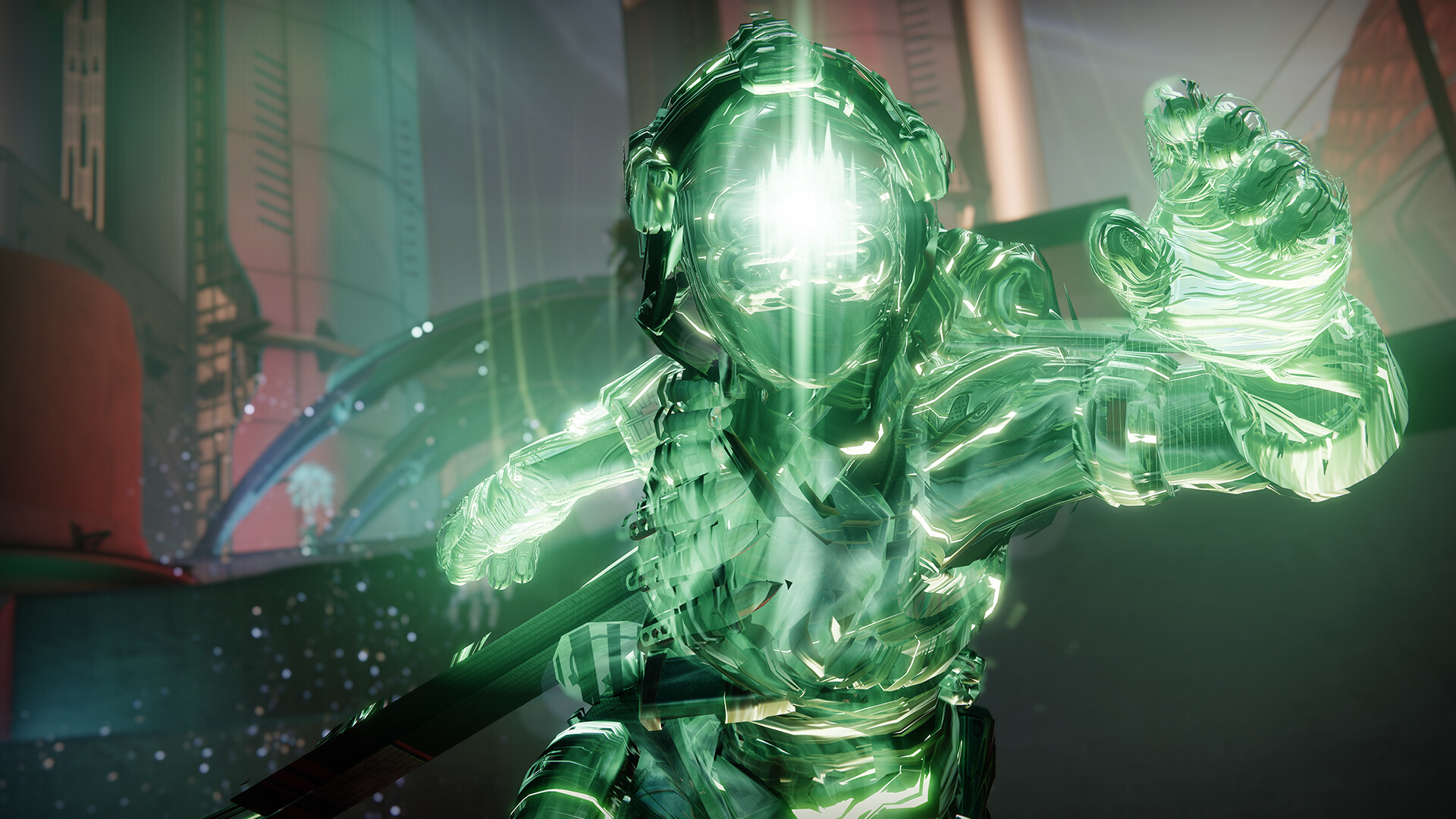
Before getting into the story, here are the Steam review scores across Bungie's recent output. These numbers tell the story more efficiently than any analysis can.
| Game | Reviews | Score | Verdict |
|---|---|---|---|
| Destiny 2 (base) | 646,072 | 77% | Mostly Positive |
| Destiny 2: Lightfall | 12,090 | 29% | Mostly Negative |
| Destiny 2: The Final Shape | 8,176 | 79% | Mostly Positive |
| Marathon | 48,847 | 85% | Very Positive |
The Lightfall number is the one that explains everything. 29% positive from over 12,000 reviews is not a bad review period or a coordinated bomb. It is a near-unanimous rejection from the Destiny community: the people who had already invested years into the franchise. The people whose goodwill was Bungie's most valuable asset.
Lightfall did not just get bad reviews. It destroyed trust. And the Destiny community, once one of the most dedicated in gaming, started leaving in numbers that didn't come back.
What Bungie Sold Sony
To understand the write-down, you have to understand what Pete Parsons told Sony during the acquisition.
The pitch was not just "we have Destiny." The pitch was that Bungie had multiple live service games in development: a pipeline of titles across different genres, each capable of generating Destiny-scale recurring revenue. There was mention of gummy bear projects. There was Destiny Payback. There was Team LFG. There were incubation titles that would diversify Bungie beyond a single franchise. Sony was buying not just Destiny but a factory.
The factory never produced anything. Project after project was cancelled, shelved, or quietly absorbed. The incubation titles that were supposed to justify the premium price never materialised as products. Bungie's headcount peaked and then contracted through layoffs. Hundreds of developers let go in 2023 and 2024, despite a recent acquisition at a price that should have funded years of expansion.
What Sony actually got: Destiny 2, which was already past its peak engagement period. Marathon, which launched to decent reviews but is fighting for player retention in an extraction shooter market that already has dominant incumbents. And a studio that spent two years after acquisition losing its best people while publicly embarrassing itself.
Lightfall: The Expansion That Broke Everything
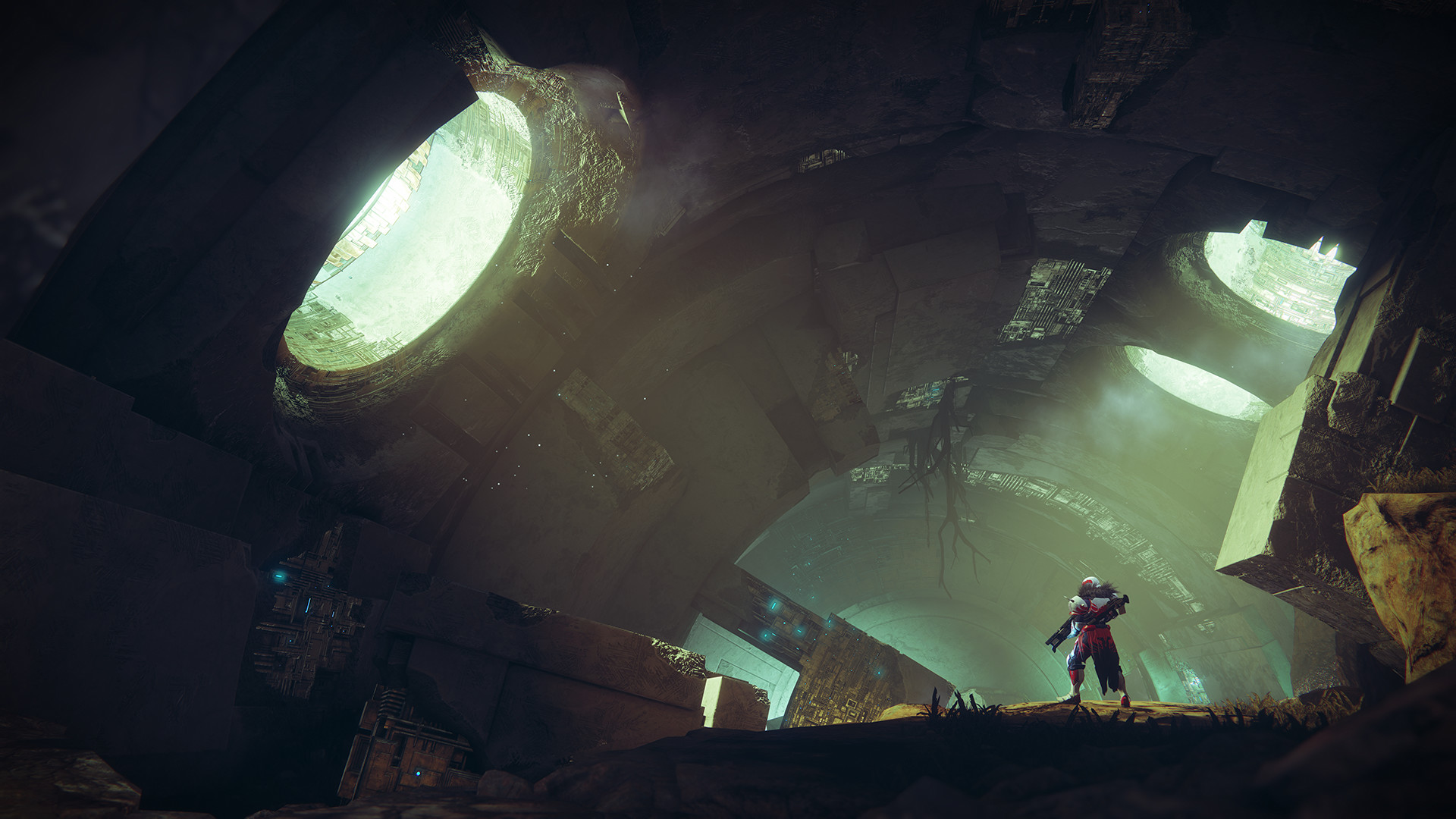
Destiny 2: Lightfall launched February 28, 2023. It sits at 29% positive on Steam from 12,090 reviews. To put that in perspective: 8,608 players who paid money for this expansion bothered to write a review specifically to say it was bad. That is not passive disappointment. That is active documentation of a grievance.
What did Lightfall get wrong? Nearly everything that matters in a Destiny expansion.
The campaign was widely criticised as incoherent. The villain, The Witness, had been built up across years of content as an existential threat of cosmic proportions. Lightfall was supposed to be the beginning of the final confrontation. Instead it introduced a new storyline on Neptune that most players found disconnected from the narrative momentum the franchise had been building. The Cloudstrider characters were criticised as underdeveloped. The tone swung toward light-hearted sci-fi in a way that clashed badly with the apocalyptic stakes the game had established.
The new subclass, Strand, was considered by the hardcore community to be poorly balanced at launch. The seasonal content model (which asked players to pay for an expansion and then pay again for seasonal content on top of it) had been a source of friction for years, and Lightfall pushed that frustration past its limit for a significant portion of the player base.
But the single most damaging thing Lightfall did was make the Destiny community feel like Bungie had stopped listening. Years of feedback about the content vault, about the complexity of the purchase model, about the convoluted new player experience: none of it had been addressed. Lightfall felt like a product made by a studio that had internally decided it knew better than its players what those players wanted. And the reviews reflect exactly that.
29%. After Shadowkeep at 54%, Beyond Light at 69%, The Witch Queen at 88%. Lightfall was not a gentle decline. It was a cliff.
The Politics Problem
This section is going to annoy some people and I genuinely do not care. I've been watching this play out for two years and I'm tired of the dance around it.
Bungie has, over the past several years, made a series of decisions that prioritised political positioning over game quality in ways that repeatedly generated negative press attention and community backlash, without generating any observable benefit in terms of game quality or commercial performance.
The most documented example is the firing of community manager Josh Sherrill in 2023 following revelations that he had been involved in writing internal DEI materials that described white male players as a problem to be managed rather than an audience to be served. The specific language that surfaced, describing a need to push away the "toxic" white male demographic and replace it with a broader audience, which generated enormous backlash. Bungie's response, which was to quietly distance themselves from Sherrill while making no substantive acknowledgement of the concerns raised, satisfied nobody.
Separately, Bungie's internal culture had developed a reputation, documented in multiple independent reporting pieces, for a specific brand of political monoculture that made dissent within the company uncomfortable. Former employees described environments where certain creative directions were unchallengeable regardless of player feedback, and where the people with the most institutional power were also the people most insulated from the consequences of bad commercial decisions.
The connection to game quality is not theoretical. When a development team cannot have honest internal conversations about whether a product is good, the product gets worse. When community feedback is filtered through a political lens that makes certain criticisms illegitimate before they can be evaluated, the community stops being a useful signal and starts being an obstacle. Bungie's community relations in the Lightfall era were widely described as defensive, dismissive, and occasionally contemptuous of the very players who were funding the operation.
This is not to say that Bungie's games failed because of DEI initiatives or progressive politics. That argument is too simple and the people making it loudest are usually arguing in bad faith. The argument is more specific: a studio culture that cannot hear criticism, that treats segments of its core audience as problems to be solved rather than customers to be served, and that makes public political statements that alienate paying customers without commensurate benefit, is a studio that will make worse games and lose more customers over time. Bungie demonstrated all three of these things. The review scores and the impairment loss are the result.
The Talent Exodus
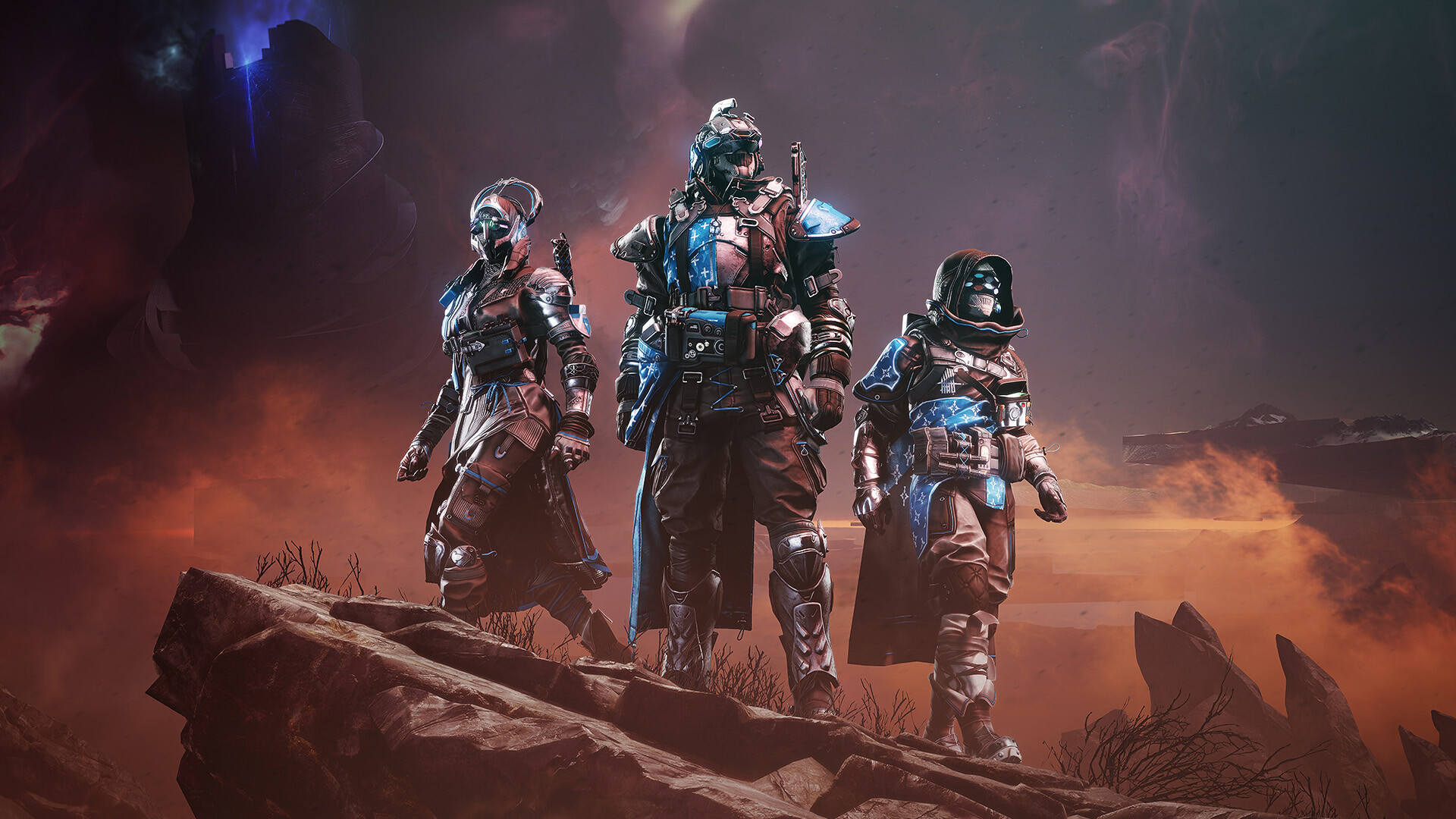
The Final Shape, which launched in June 2024, scored 79% positive and was considered by most of the community to be a genuine return to form after Lightfall. The campaign was emotionally resonant. The raid was acclaimed. Luke Smith, one of the franchise's most polarising but genuinely visionary creative leads, appeared to tease that Destiny's story would continue beyond The Final Shape.
Then Luke Smith left. Mark Noseworthy left. The senior creative leadership that had guided the franchise through its best moments, that had turned The Taken King into one of the most celebrated live service turnarounds in gaming history, departed.
The community noticed immediately. The period following The Final Shape saw Destiny 2's concurrent player counts continue to decline. The Renegades expansion launched December 2025 to muted reception. The narrative momentum The Final Shape had rebuilt was not sustained without the people who had built it.
This is the talent exodus problem in its clearest form. Great games come from great people with creative vision. When those people leave, the institutional knowledge and the creative direction leave with them. The people remaining are often competent, often hardworking, but they are executing on a legacy rather than building a future. Destiny 2 after Luke Smith and Mark Noseworthy feels like exactly that.
The question of why they left is the interesting one. Both men had spent most of their careers at Bungie. The Final Shape, by all accounts, was something Smith was deeply invested in. Walking away at the moment of its release, with a knowing tease about Destiny's future, suggests they did not leave voluntarily in any meaningful sense. Corporate decisions at the post-acquisition Sony level almost certainly played a role in what was and wasn't greenlit after The Final Shape. The D3 that the community desperately wants: a ground-up rebuilt Destiny that addresses the new player problem, the content vault problem, the purchase complexity problem: it requires a level of investment that Sony is not currently willing to make.
Marathon and the Copium
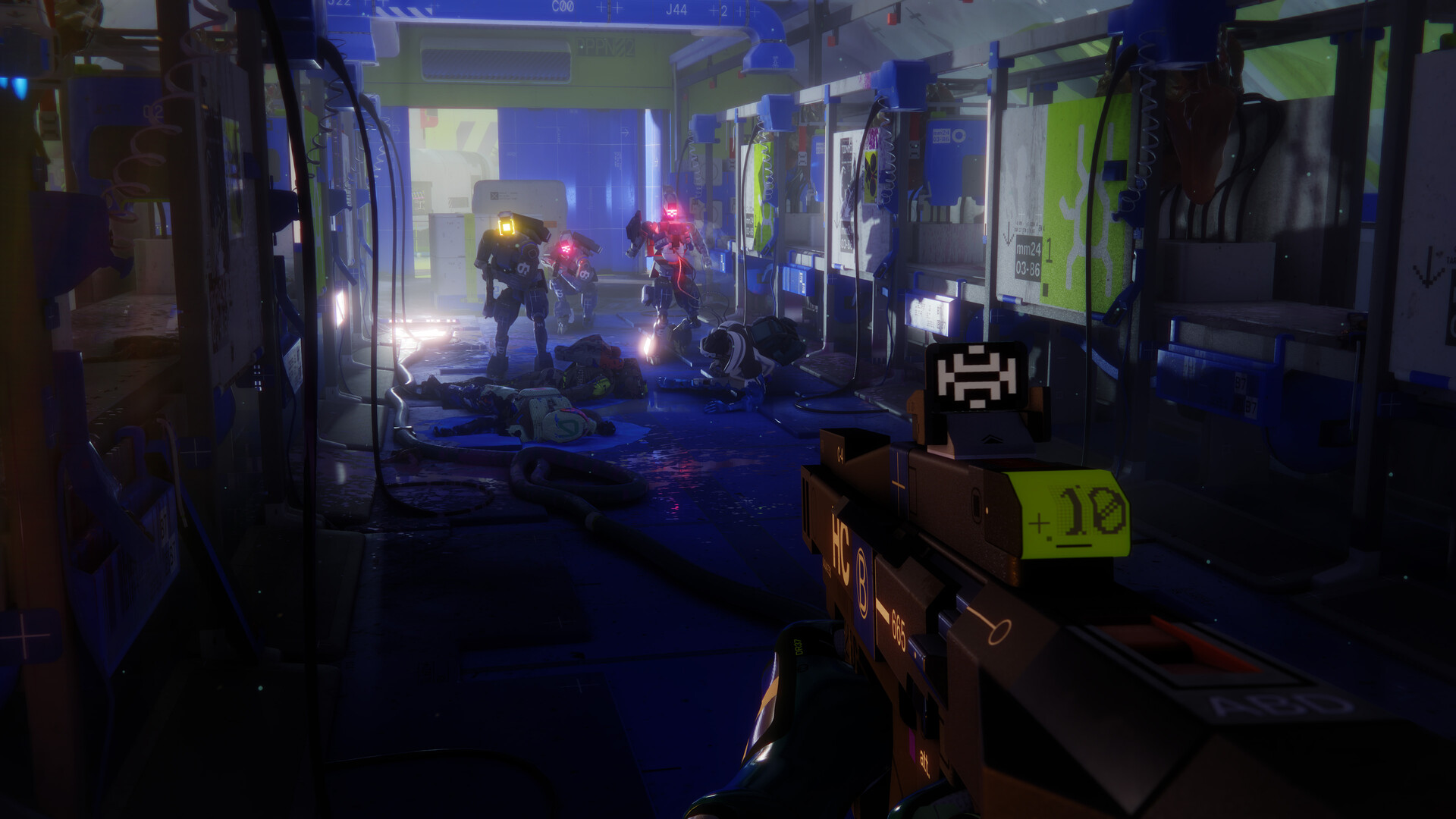
Marathon launched March 5, 2026. It sits at 85% positive from nearly 49,000 reviews, which looks good until you examine the context.
Marathon is an extraction shooter entering a market dominated by Escape from Tarkov, Hunt: Showdown, and a roster of established competitors with years of content and entrenched player bases. The 85% positive score is real. The people playing Marathon are mostly enjoying it. But the player count trajectory is the actual story. Peak concurrent players spiked at launch and have been declining since. The community of people willing to try Marathon is smaller than Bungie needed it to be, and the community of players sticking around is smaller still.
The Destiny community, which should have been Marathon's built-in launch audience, was already fractured and depleted. Destiny 2 players who had survived Lightfall and The Final Shape and the subsequent content drought were not the loyal cheerleaders they would have been in 2018. They were burned customers who needed to be convinced. Marathon's response to that challenge was to launch a product that the extraction shooter veterans considered unpolished relative to its competitors, while the Destiny community found it too different from what they loved.
The copium argument, that Marathon just needs time,, that the player counts will stabilise, that the community will grow: it is technically possible. Games have recovered from worse starts. But the argument requires Sony to continue investing in a studio that has already generated $969 million in write-downs, whose two main products are both fighting for position in competitive markets, and whose leadership's relationship with Sony appears to have "really fallen" according to people watching the situation closely. That is a lot of faith to ask for.
What Happens to Bungie Now
The honest answer is that nobody knows, and anyone who tells you they do is bullshitting. I've read the takes. I've watched the community speculation. Nobody has a clean answer.
What the impairment loss tells us concretely: Sony's accountants have assessed Bungie's current value as approximately $969 million lower than what was paid. That is a formal acknowledgement that the acquisition thesis was wrong. The factory of live service games did not materialise. Destiny's value as a recurring revenue generator is declining. Marathon has not yet proven it can fill that gap.
Sony has options. They can continue funding Bungie and hope that Marathon builds a sustained audience and that the next Destiny expansion reverses the trend. They can reduce Bungie's autonomy further. Team LFG was already extracted from Bungie and placed directly under PlayStation Studios, signalling that Sony is willing to disaggregate the studio's assets when it suits them. They could, in the most extreme scenario, wind down Bungie's independence entirely and fold whatever IP and talent remains into the broader PlayStation organisation.
The path out that the community actually wants: a proper Destiny 3 built from the ground up, addressing every structural problem that has accumulated over twelve years of patched-on live service architecture: it requires Sony to trust Bungie with a significant investment after nearly a billion dollars of write-downs. That trust appears to be gone. Bungie without that investment cannot build D3. Sony without that trust is not giving them the investment.
Pete Parsons is reportedly living very comfortably, which is bloody infuriating when you think about it. He sold Sony a vision that he may have genuinely believed in. The vision did not survive contact with the reality of Bungie's creative trajectory, its culture problems, its talent exodus, and the changing live service market.
The $969 million is not a tragedy for Pete Parsons. It is a tragedy for the developers who lost their jobs in the layoffs, for the Destiny community that invested years of time and money into a franchise whose future is now uncertain, and for everyone who believed that a studio with Bungie's heritage could actually deliver what it promised.
Destiny 2 died so Marathon could live. I didn't want to write that sentence. It's still true. Marathon is fighting to survive. And Bungie itself is running out of road.
Destiny 2 on Steam -- Free to Play
Marathon on Steam -- $39.99