Nintendo's Fastest-Ever Console Is Already in Trouble. Here's Why.
The Nintendo Switch 2 broke every launch record in gaming history. Then the 2025 holiday season happened, Nintendo cut production by 33%, sued the US government, and started thinking about another price hike. Here's what's actually going on.
TL;DR
- 3.5 million units in the first four days, 17.37 million by end of 2025 -- the fastest-selling console ever.
- Then a 33% production cut, a lawsuit against the US government over tariffs, and talk of another price hike.
- The gap between the launch numbers and what's actually happening behind them.
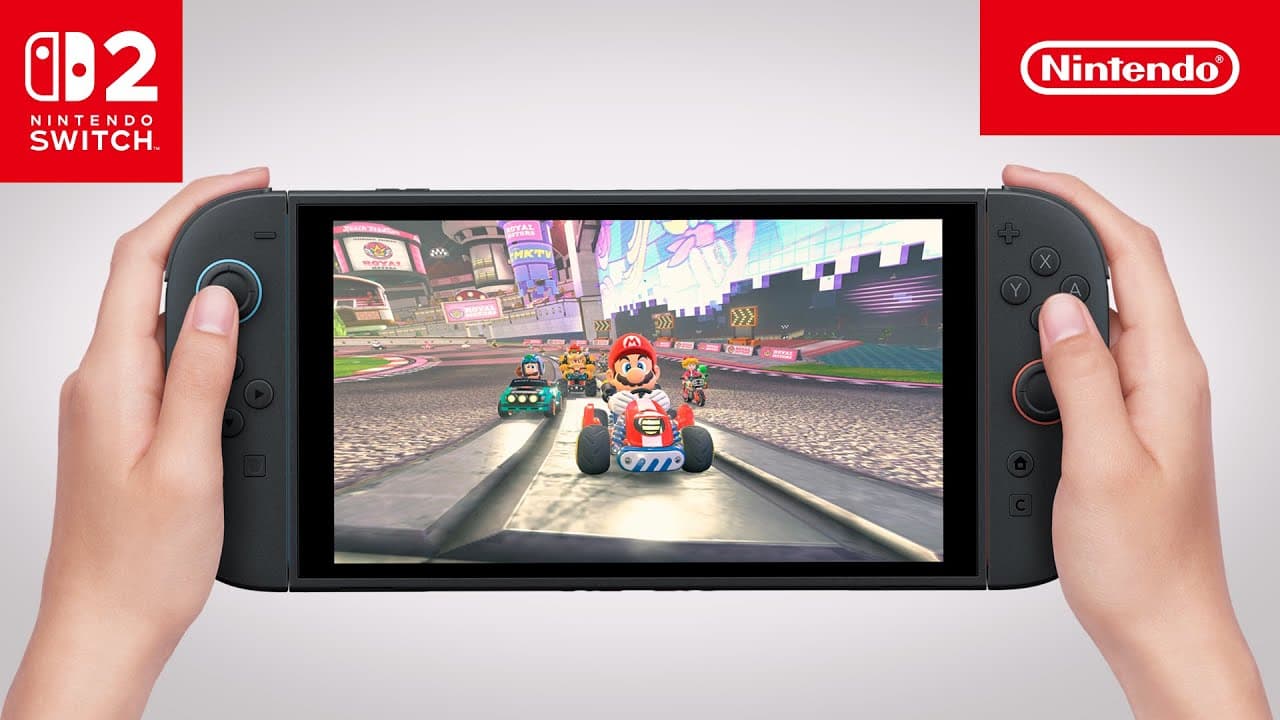
The Nintendo Switch 2 is the fastest-selling console in gaming history. 3.5 million units in its first four days. 17.37 million by the end of 2025. Numbers that made the original Switch's launch look pedestrian.
It also just had its production cut by 33%. Its stock dropped 6.3% in a single session. It sued the US government over tariffs. And it is quietly considering raising its price again. I've watched Nintendo navigate a lot of turbulent launches over the years. This one is genuinely strange. A console that broke every record and then immediately started showing cracks.
Here's what's actually happening. I've been watching the headlines bounce between panic and cheerleading and neither is useful. Let me give you the actual picture.
The Launch Was Real
Let's start with what the Switch 2 actually achieved, because context matters.
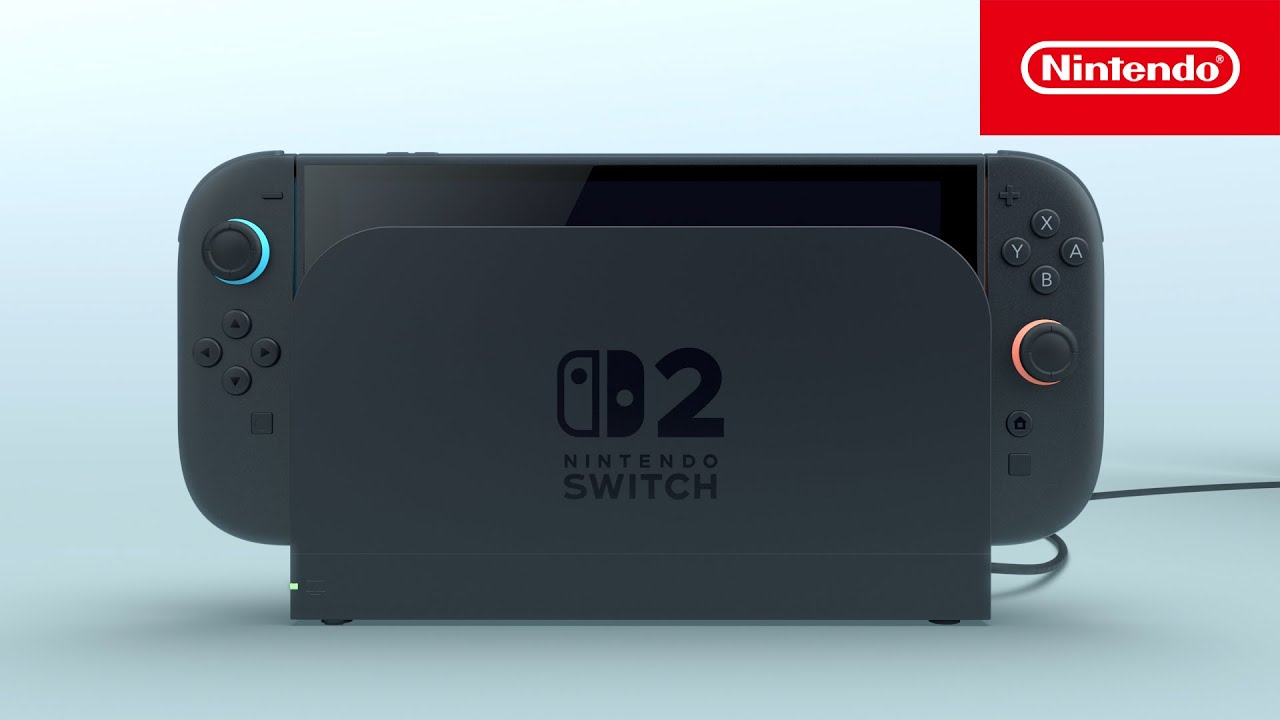
The console launched June 5, 2025 at $449.99. That is 50% more expensive than the original Switch at launch, and Nintendo's priciest hardware in over 30 years when adjusted for inflation. Games were announced at $80. Nintendo Switch Online, previously free for limited features, now requires a paid membership for GameChat voice communication after a grace period ended March 31, 2026. Everything about the Switch 2 cost more than it used to.
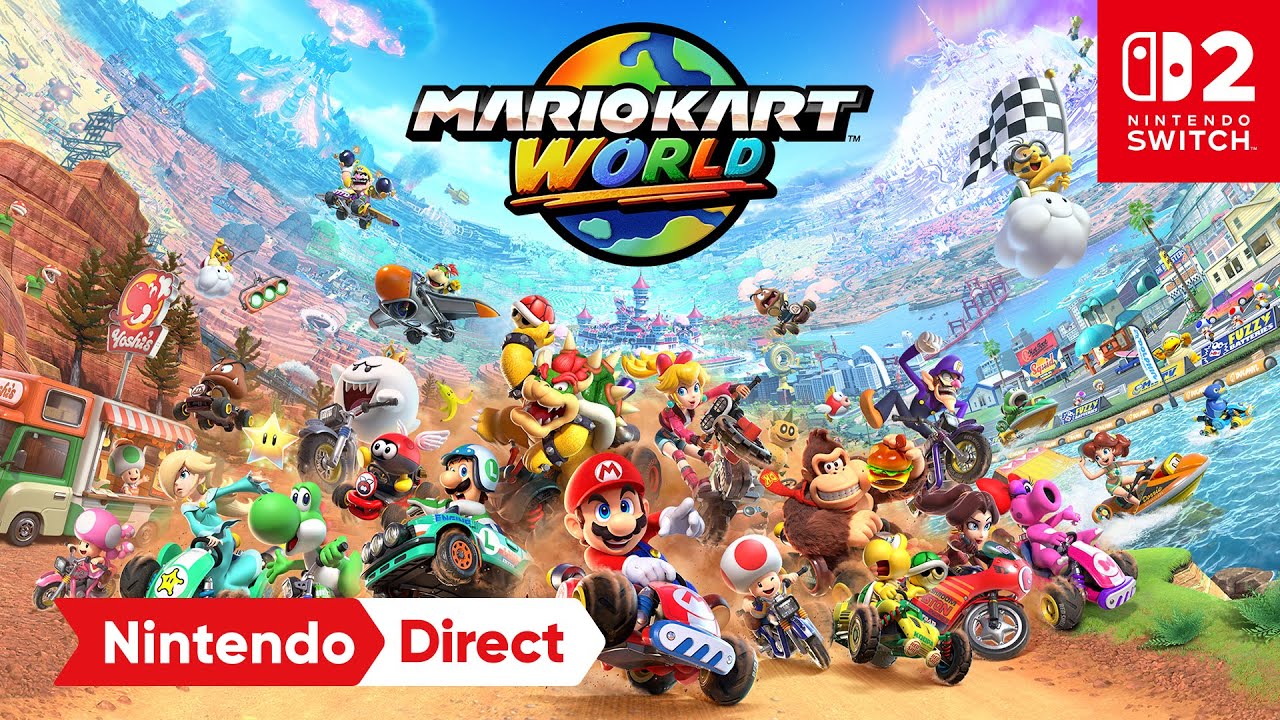
And people bought it anyway. 3.5 million units in four days made it the fastest-selling console of all time: twice the pace of the original Switch's launch across all regions. Famitsu reported 947,931 units in Japan in the first four days alone, dwarfing the original Switch's 329,152. US sales paced 45% ahead of the original Switch over its first four months. Mario Kart World, bundled with the console, sold over 14 million copies.
By any reasonable measure, the Switch 2 launched successfully. The problems came after.
What Went Wrong Over the Holidays
The 2025 holiday season was supposed to cement the Switch 2 as a generational phenomenon. It didn't. And the reasons are more interesting than the doom coverage suggests.
Sales in Japan remained strong. In the United States and other Western markets, demand fell off hard. Nintendo's own figures show the console sold 17.37 million units by December 31, 2025. That sounds impressive until you realise the momentum that drove nearly 14 million sales in the first six months essentially stalled through the back half of the year.
Bloomberg reported in March 2026 that Nintendo was cutting Q2 production from 6 million units to 4 million. A 33% reduction. The lower output rate was confirmed to continue into April. Nintendo's stock dropped 6.3% on the news, wiping out all the gains from Pokémon Pokopia's strong launch earlier that month.
Three factors converged to create the holiday problem.
No Killer App for Christmas
The Switch 2's launch lineup was front-loaded. Mario Kart World shipped in June. Metroid Prime 4: Beyond launched alongside the console. Pokémon Legends: Z-A arrived in the first months. By December, the holiday window had no Mario, no Zelda, no system-selling exclusive to push hesitant buyers over the line. The games that were there were good but weren't the kind of thing that makes someone spend $450 on a new console on Christmas morning.
Metroid Prime 4 Underdelivered
This one genuinely stings, and I say that as someone who waited years for it. Metroid Prime 4: Beyond was in development for years, cancelled once, restarted, and finally delivered. Reviews were solid. Sales were disappointing. Metroid has never been a mass-market franchise, but it was expected to carry more weight as a prestige exclusive. It didn't. And there was nothing behind it.
Tariff-Driven Front-Loading
When Trump's tariff announcements hit in early 2025, Nintendo delayed Switch 2 pre-orders and raised accessory prices while holding the console itself at $449.99. The result was a wave of panicked buying: people who were planning to wait until Christmas bought in April and May instead to lock in the price. That pulled demand forward, leaving fewer buyers for the holiday window. Nintendo essentially sold Christmas 2025 units in the spring.
The Tariff and Lawsuit Situation
On March 6, 2026, Nintendo filed a lawsuit against the US government over tariffs imposed on the Switch 2. That is not a company quietly absorbing costs. This is Nintendo's legal team going to federal court over import taxes.
The tariff situation has been chaotic from the start. When Trump's Liberation Day tariffs hit on April 2, 2025, the same day as the Nintendo Direct that confirmed Switch 2 pricing and specs. Nintendo initially delayed pre-orders. Accessories became more expensive. The console held at $449.99, but Nintendo's president Shuntaro Furukawa told investors that tariffs were affecting product prices and that further adjustments "may be necessary."
They were. Accessories went up. Switch Online pricing got restructured. And now the cost the company was absorbing on hardware is threatening to force a price increase on the console itself.
Bloomberg reported in February 2026 that Nintendo was considering raising the Switch 2's price. Not due to tariffs specifically, but due to the broader RAM shortage. AI data centres are consuming a disproportionate share of global memory production, pulling supply away from consumer electronics. DDR5 prices have risen sharply. TrendForce, a tech consulting firm, projected a 4.4% decline in overall console shipments in 2026 as a result, and warned that Nintendo and Sony had stockpiled memory as a short-term buffer but couldn't hold prices forever.
A price increase on a $450 console that already got criticised for being too expensive, in a market already squeezed by tariff uncertainty, would go down like a lead balloon. The fanbase would lose their fecking minds, and honestly they'd be right to.
Is It Actually in Trouble?
Here's where I'll push back on some of the doom coverage, because I think it's overblown.
The 33% production cut is being reported as a crisis. Rhys Elliott of Alinea Analytics described it as "a calculated move toward inventory stabilisation" rather than a sign the platform is failing. Nintendo's full-year shipment target of 19 million units remained intact as of March 2026, and the company was actually tracking toward the 20 million analysts projected. The production cut is a response to the holiday lull, not a signal that demand has collapsed.
The US sales data that looks alarming also has an alternate explanation inside Nintendo itself: the company produced a lot of stock ahead of launch to avoid the shortages that plagued PS5 and Xbox Series X. That surplus availability, combined with tariff-panic front-loading, created a situation where a huge number of people who would normally have bought at Christmas had already bought in June. Post-holiday softness was, to some degree, baked in.
Pokémon Pokopia's launch in early 2026 reversed the stock decline and pushed Switch 2 sales back up in Japan. The game was a genuine hit. Exactly the kind of software the console needed six months earlier. Retail staff in the US reported nearly selling out during December despite the broader narrative of weak demand, which suggests the picture is more mixed by region than the headlines imply.
And Nintendo has a trump card nobody is talking about yet: a new battery-replaceable Switch 2 variant is reportedly planned for European markets in the next fiscal year. Hardware revisions historically give Nintendo platforms a second wave of momentum. The Switch OLED did exactly this for the original Switch.
The Real Problem Is What Comes Next
The genuine concern isn't the holiday miss or the production cut. It's the 2026 release calendar and what's waiting at the end of it.
GTA VI launches November 2026 on PS5 and Xbox Series X/S. Analysts at Asymmetric Advisors have described it as a "GTA VI tsunami" that Nintendo is sailing directly toward. The Switch 2 won't run GTA VI. It doesn't have the hardware. Every dollar that goes toward GTA VI is a dollar that doesn't go toward a Switch 2, a Switch 2 game, or a Nintendo Switch Online subscription. And GTA VI is projected to sell 40 million copies in its first year. Forty million. That is an absurd, almost comical number, and every single copy is going to platforms the Switch 2 cannot run. Nintendo cannot compete with that directly. Nobody can.
Nintendo's counterplay is unclear, and that's the part that actually worries me. The company that gave us the Wii, the DS, and the original Switch has always had something unexpected up its sleeve. The question is whether they've been working on it quietly, or whether they genuinely don't have an answer yet. The release schedule for the rest of 2026 is thin on specifics. They need a system seller for Christmas 2026: something that gives buyers a reason to choose $450 on a Nintendo hybrid over whatever platform they're buying GTA VI on. As of today, that game hasn't been announced.
The Switch 2 is not failing. And I mean that literally, not as a cope. It's the fastest-selling console ever made, and the fundamentals remain strong: hardware quality, backward compatibility, the Nintendo IP catalogue. But it's entering a genuinely difficult phase: a post-launch content gap, a RAM shortage threatening prices, tariff uncertainty still unresolved in US courts, and GTA VI approaching like a freight train at the end of the year.
Nintendo has navigated far worse, and I mean that seriously. The Wii U was an actual disaster. The 3DS nearly collapsed before a price cut and software investment saved it. The Switch itself was written off by some analysts before it became the 140-million-unit juggernaut it turned into.
But the window for getting the Switch 2's second year right is narrowing. The console needs a Zelda, a new Pokémon mainline title, or something nobody's seen yet to own Christmas 2026. Without it, the production cuts will look prescient rather than precautionary.
Nintendo knows this. They're not a stupid company, and they've pulled rabbits out of hats before. The Wii U taught them what a platform death spiral looks like, and the 3DS taught them how to pull out of one. But someone needs to greenlight the bloody game that saves Christmas 2026, and they need to announce it soon. The silence is the concerning part. But the clock is running, and I suspect even Nintendo knows exactly how tight the window is. The Switch 2 is too good a piece of hardware to go the way of the Wii U. But it needs a reason for people to care again before November, when Rockstar arrives to collect.