Saudi Arabia Just Bought EA for $55 Billion. Here's What to Expect From the Largest Acquisition in Gaming History.
The Public Investment Fund of Saudi Arabia is acquiring Electronic Arts for $55 billion -- the single largest acquisition in gaming history. They've done this before with Scopely. Here's what the track record actually shows, and what it means for Battlefield, The Sims, Mass Effect, and Dragon Age.

TL;DR
- Saudi Arabia's PIF is acquiring EA for $55 billion -- the largest acquisition in gaming history, full stop.
- PIF has done this before with Scopely. The track record from that deal is the actual evidence here.
- Battlefield, The Sims, Mass Effect, and Dragon Age are all now under this ownership structure.
Electronic Arts has agreed to be acquired by a consortium led by Saudi Arabia's Public Investment Fund for $55 billion. The deal, announced September 2025 and approved by shareholders in December, is expected to close in Q1 fiscal 2027. It is the single largest acquisition in the history of the games industry. Not the largest gaming deal of the year. The largest ever.
The consortium isn't just PIF. Silver Lake, one of the largest private equity firms in the world, is participating. So is Affinity Partners, the investment firm founded by Jared Kushner, who used his ties to Saudi Crown Prince Mohammed bin Salman to help structure the deal, with JPMorgan Chase providing debt financing. EA goes private at $210 per share, a 25% premium on its unaffected stock price.
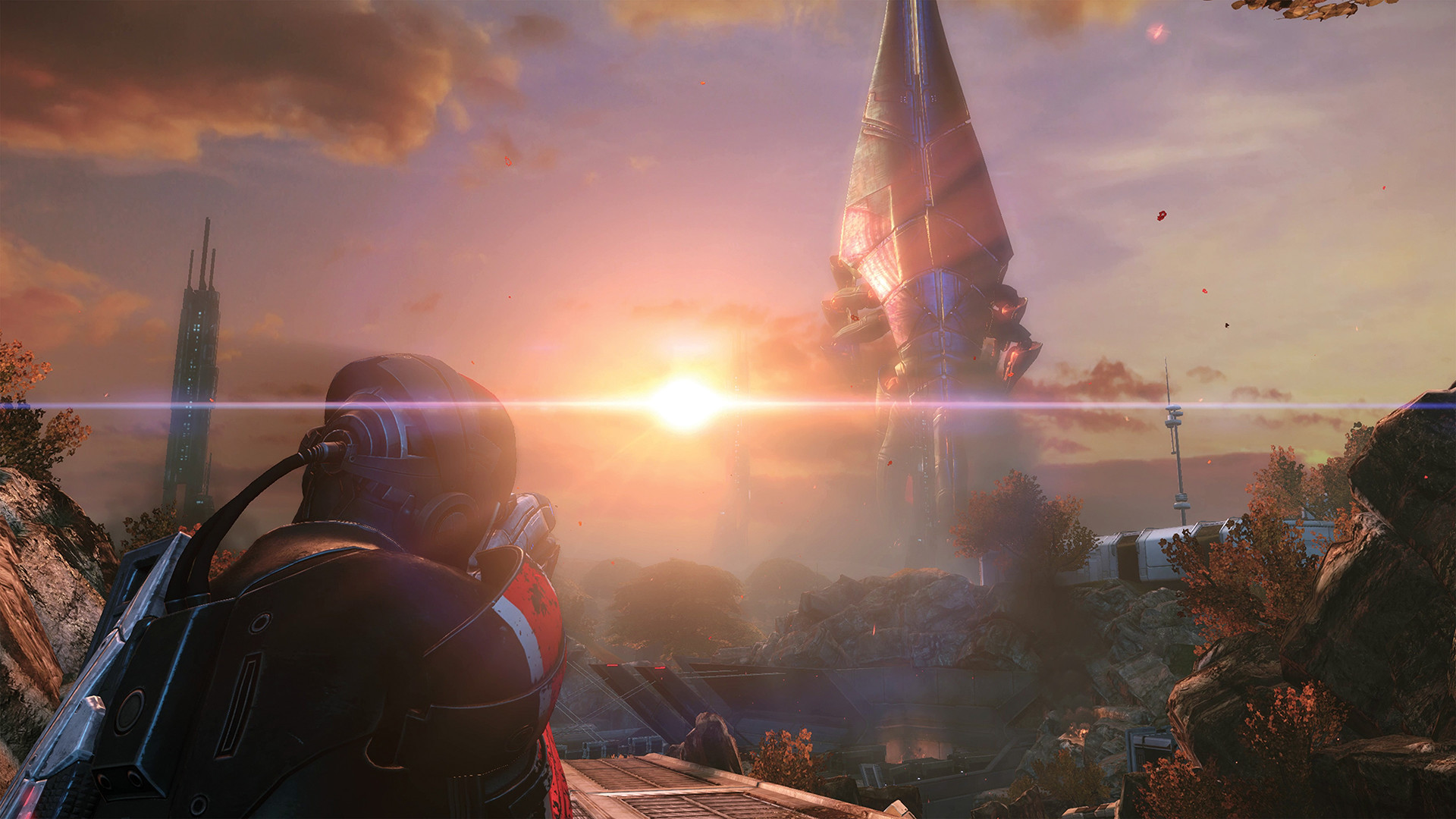
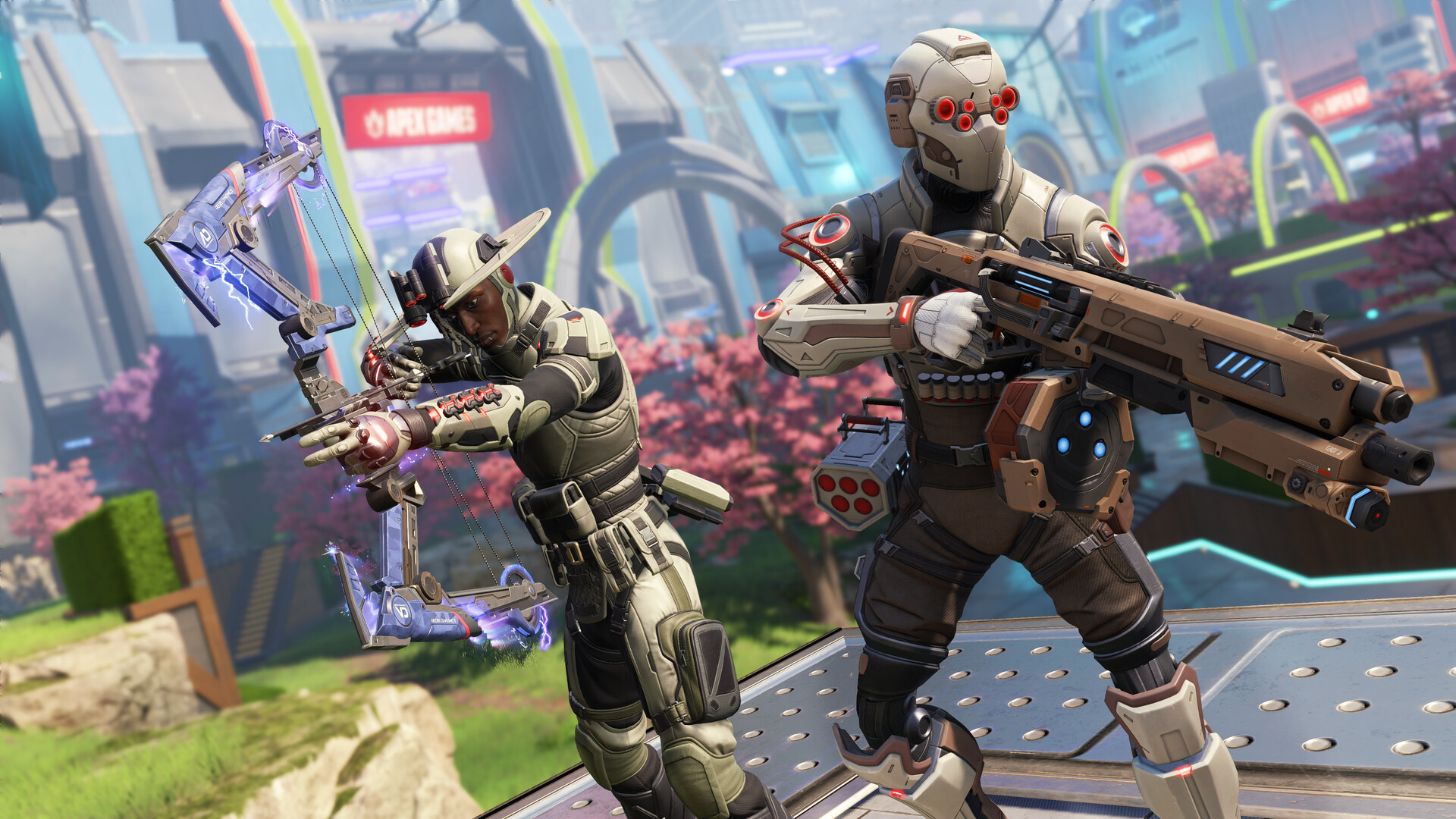
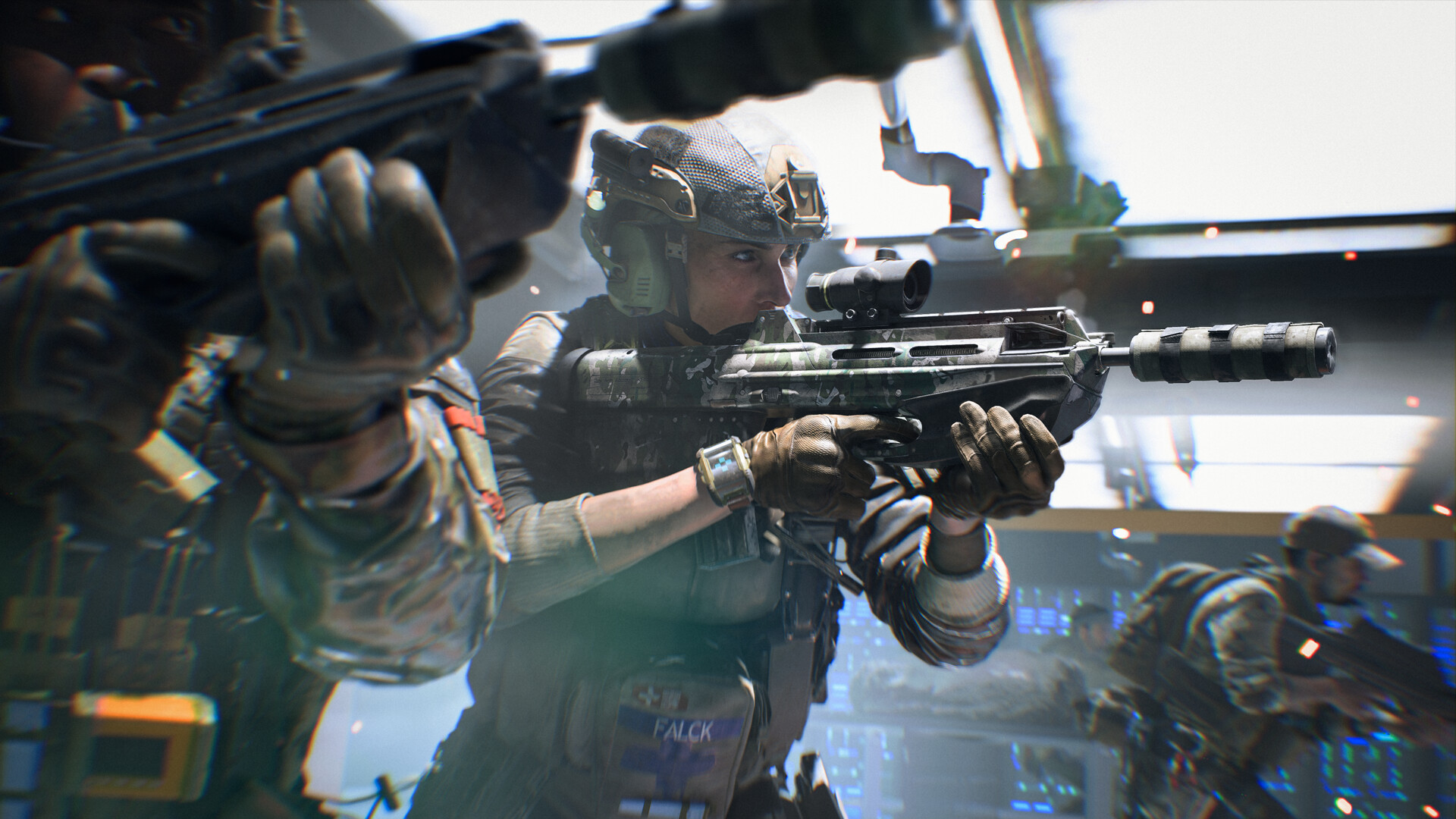
This is not a passive minority stake. PIF, which previously held around 10% of EA, is taking the company private. EA's studios (BioWare, DICE, Maxis, Respawn, Motive, Criterion) all pass into this ownership structure. Battlefield. The Sims. Mass Effect. Dragon Age. Apex Legends. EA Sports FC. The entire catalogue.
Saudi Arabia has done this before, in gaming, at smaller scale. The results are instructive.
What PIF and Savvy Actually Did With Their Previous Gaming Acquisitions
Savvy Games Group, PIF's gaming vehicle, has been on an acquisition run since 2021. The portfolio is large enough now to read as a deliberate strategy rather than opportunistic investment. ESL and FACEIT in 2022 (now merged as ESL FACEIT Group, the world's largest esports company). An 8% stake in Embracer in 2022 for $1 billion. That one aged poorly, as Embracer subsequently imploded and cut nearly 8,000 jobs. Stakes in Nintendo, Take-Two, Activision Blizzard, Capcom, and Nexon. Majority ownership of SNK Corporation, the King of Fighters developer. Then the big one: Scopely for $4.9 billion in 2023.
Scopely is the most useful case study here because it's the closest comparison to what EA represents: an operating games company with multiple live franchises, significant staff, and ongoing development pipelines. How did that go?
Honestly, better than the sceptics predicted. Scopely was run with genuine operational autonomy post-acquisition. CEO Ward has described a "light touch" approach for mature assets like Scopely, with weekly communication about operations rather than top-down direction. The company continued to be led by its existing co-CEOs. It made its own acquisitions. Most notably buying Niantic's games business including Pokémon GO for $3.5 billion in 2025. It became the number one mobile games company in the US by revenue. Monopoly GO, which launched the same month as the Savvy acquisition, generated $1 billion in its first year and $3 billion in record time.
There were no meaningful content changes to any of Scopely's games post-acquisition. No censorship of existing titles. No removal of content. The concerns that always accompany PIF acquisitions: that Saudi Arabia's conservative social values would bleed into game content decisions. They did not materialise at Scopely. What materialised instead was capital, autonomy, and growth.
There was a small round of layoffs tied to Kingdom Maker in February 2024, around 15 people whose roles didn't map to other Scopely games. That was the extent of the workforce disruption. Given that the broader games industry was conducting layoffs at a scale of tens of thousands across this period, Scopely under Savvy was among the more stable employers in the sector.
The honest Savvy track record is: light operational interference, genuine autonomy for acquired companies, capital deployment, and a focus on financial performance rather than content direction. The Embracer stake was a disaster, but that was Embracer's doing, not Savvy's.
Why EA Is a Different Order of Magnitude

Scopely is a mobile-first publisher. Its games are free-to-play, monetisation-heavy, and culturally neutral by design. Star Trek Fleet Command doesn't have LGBTQ characters. Monopoly GO doesn't have a story. The stakes of Saudi ownership for content were, in practice, low.
EA is not that.
The franchises at stake here have cultural weight and established player communities that have built emotional investment in those games over decades. The Sims 4 has had same-sex relationships, transgender characters, and explicit support for LGBTQ players baked into its design. Mass Effect has had romance options across gender and species since 2007. Dragon Age: The Veilguard launched in 2024 with nonbinary characters and transgender storylines. BioWare's entire creative identity is built on choice, player expression, and character relationships that include queer representation.
Saudi Arabia criminalises same-sex activity. The PIF is chaired by Mohammed bin Salman, who the CIA has assessed as having ordered the murder of journalist Jamal Khashoggi. Amnesty International and Human Rights Watch have both raised concerns about PIF's acquisitions as a form of sportswashing: using cultural investment to launder the kingdom's international reputation. These are not invented concerns.
When the EA deal was announced, several prominent Sims content creators (Kayla Sims, James Turner, and Jesse McNamara) immediately left EA's creator program. They stated explicitly that they couldn't continue working within a framework owned by a government with Saudi Arabia's record on LGBTQ rights. EA CEO Andrew Wilson issued a statement. The company's "values and commitment to players and fans around the world remain unchanged." Maxis, the Sims developer, stated that the game's inclusivity focus would not be affected. These reassurances are welcome. They are also exactly the kind of corporate bullshit a company says before a deal closes and the actual decisions start getting made.
The actual test will come in what gets greenlit for development after the deal closes in 2027.
The Specific Things Worth Watching
Let me be specific about what I'll be watching when this deal closes, because vague concern isn't useful.
BioWare's Next Project
BioWare is already a studio in recovery mode. Dragon Age: The Veilguard was a genuine creative achievement after years of uncertainty, but the studio has shed enormous amounts of talent over the past decade. Their next project, whatever it is, will be the first major BioWare title greenlit and developed entirely under PIF ownership. What it's allowed to be in terms of character representation, narrative content, and creative risk will tell you everything about whether the "values unchanged" assurances hold in practice.
The Sims 5
Maxis has been working on what's presumably a next-generation Sims experience for years. The Sims franchise is the most culturally sensitive part of the EA catalogue given its player community and its explicitly inclusive design philosophy. If The Sims 5 launches with the same commitment to LGBTQ representation and player expression as The Sims 4 has maintained, that's meaningful evidence in one direction. If it doesn't, the answer to the "will Saudi ownership affect content?" question will be clear.
Mass Effect 5
BioWare announced Mass Effect is in development. It's years away. But Mass Effect without same-sex romance options, or with those options reduced or removed, would be a fundamental betrayal of what the franchise is. The community will notice immediately.
EA's Live-Service Monetisation Strategy
PIF isn't acquiring EA because they love games. They're acquiring it because EA generates significant recurring revenue through live-service titles: Apex Legends, EA Sports FC's Ultimate Team, The Sims' DLC model. Private equity ownership, and Silver Lake's involvement, typically means pressure to optimise those revenue streams. That might mean more aggressive monetisation in live-service games rather than content changes. The financial squeeze could come from a different direction than the content concerns dominating the conversation.
Studio Consolidation
EA has been on a closures and restructuring cycle for years. Respawn lost developers to layoffs recently despite Apex Legends' commercial success. The question under new ownership is whether that pattern accelerates. Private equity firms taking public companies private have a documented history of cost-cutting to service acquisition debt. The $55 billion deal is largely debt-financed. That debt has to be serviced somehow.
What Actually Happens After Deals Like This
I've been following gaming acquisitions for long enough to have a reasonably calibrated view of what actually happens versus what everyone worries will happen.
What tends not to happen: immediate dramatic content changes. I know that's not the exciting answer. Publishers know that alienating an existing playerbase costs money. PIF knows this. Silver Lake absolutely knows this. The people structuring this deal understand that The Sims' value is inseparable from its community, and that community is there because of the franchise's inclusive values. Killing what makes the product valuable isn't good business.
What does tend to happen: the changes are slower and more structural. New projects get greenlit based on what the new ownership considers commercially safe. Creative risks that the previous leadership might have taken get quietly shelved. Not because anyone issues a memo saying "no queer characters," but because every greenlighting decision gets made in a slightly different atmosphere, with slightly different assumptions about what's acceptable risk.
That's the subtler concern. It doesn't make headlines. It's hard to prove. But it's how corporate ownership actually shapes creative output over time. Not through explicit censorship, but through what never gets made.
The Scopely comparison is genuinely reassuring on the surface, and I'd be lying if I said it doesn't provide some comfort. But Scopely's games weren't making political or social statements to begin with. EA's most important creative studios are. That's the gap in the comparison that matters. And it's a significant one.
The Bottom Line
The $55 billion acquisition of EA by PIF is a financial bet that EA's IP catalogue, live-service revenue streams, and sports licences are worth that price as a long-term hold. PIF's track record at Scopely suggests they're capable of leaving acquired companies alone to operate. The question is whether that operational autonomy extends to content decisions on politically sensitive territory, or whether it only extended to Scopely because Scopely's content was never politically sensitive in the first place.
I genuinely don't have a confident answer here, which is an uncomfortable position for someone who normally has strong opinions about this industry. Nobody does until the deal closes and the first major creative decisions get made under new ownership.
What I'd say is this: the concern is legitimate, the scepticism is earned, and the "values unchanged" assurances deserve to be tested rather than trusted. Watch what BioWare is allowed to make. Watch what The Sims 5 turns out to be. Watch whether Respawn's studios get consolidated to service the acquisition debt. Those answers are three to five years away.
For now: the games you own are the games you own. EA's back catalogue isn't going anywhere. What changes is what gets built next.
Actually, Maybe This Is Fine
Here's the counterargument nobody wants to say out loud but it's worth saying.
EA has spent the better part of a decade using its games as a vehicle for messaging. Dragon Age: The Veilguard restructured its entire narrative around identity politics to the point where the writing suffered for it. The Sims 4 added so many social awareness features that the actual game (the life simulation) got neglected for years. Battlefield V launched with a PR campaign so focused on historical revisionism that it alienated the audience that had been buying Battlefield games since 2002. Mass Effect Andromeda was, frankly, a disaster on multiple fronts, and the conversations inside BioWare at the time were reportedly more focused on representation checklists than on making a good game.
The concern about Saudi ownership pushing conservative values into game content is real and worth taking seriously. But there's a version of this where the new ownership simply demands that games be good: commercially successful, broadly appealing, mechanically sound. And stops caring about the cultural signalling that has been quietly eroding EA's audience for years. Nobody buys a Sims expansion because it makes a statement. They buy it because they want to build houses and torture their Sims. Give the players what they want, remove the agenda, and the games get better.
That is an extremely optimistic reading of what private equity ownership of a gaming company looks like in practice. Silver Lake's track record does not particularly support it. But it's not a reading I can dismiss entirely.
The gaming audience has been increasingly vocal, and increasingly right, that they want games to be games first, not vehicles for ideological positioning. If Saudi ownership accidentally delivers that by forcing EA to focus on product quality over political messaging, it will be one of the stranger unintended consequences in the history of the industry.
And if the deal goes well enough, maybe they'll buy Netflix next. God knows that would make for an interesting conversation.
Battlefield 2042 on Steam | Mass Effect Legendary on Steam | The Sims 4 on Steam | Apex Legends on Steam