Cyberpunk 2077 at Launch Was Not a Mistake. It Was Fraud.
CD Projekt Red knew Cyberpunk was broken on consoles before launch. They hid review copies. They took the money. Not a mistake — fraud.

TL;DR
- Genuinely excellent now -- 8/10 in the current, fully patched state. Buy it.
- That doesn't excuse launch: CDPR withheld console review copies specifically to hide the base PS4/Xbox One state.
- Sony pulled it from the PlayStation Store, close to unprecedented for a major title.
Let me state what happened with precision, because six years of rehabilitation have softened the language around it and I think the original facts deserve to stay on record.
CD Projekt Red knew Cyberpunk 2077 did not function adequately on base PlayStation 4 and Xbox One hardware before launch. This is documented -- not speculated, documented. They withheld review copies from console journalists specifically to prevent console performance from being assessed before purchase decisions were made. Review copies went exclusively to PC outlets. The game then launched on base console hardware at sub-720p resolution, frame rates frequently in the teens in dense city environments, constant texture pop-in, and crash rates severe enough to make sustained play impossible for many players.
Sony removed the game from the PlayStation Store. CD Projekt Red offered refunds. The CEO issued a video apology.
That apology did not retroactively change what happened. What happened was a company deliberately prevented customers from knowing a product was broken before they spent money on it. I do not have a softer description for that. I have read the arguments for more charitable framings and I find them unconvincing. The evidence for deliberate concealment is specific, documented, and connected to a financial incentive that is also documented. There is no version of those facts that does not describe a deliberate choice.
Eight Years and an Incentive Problem
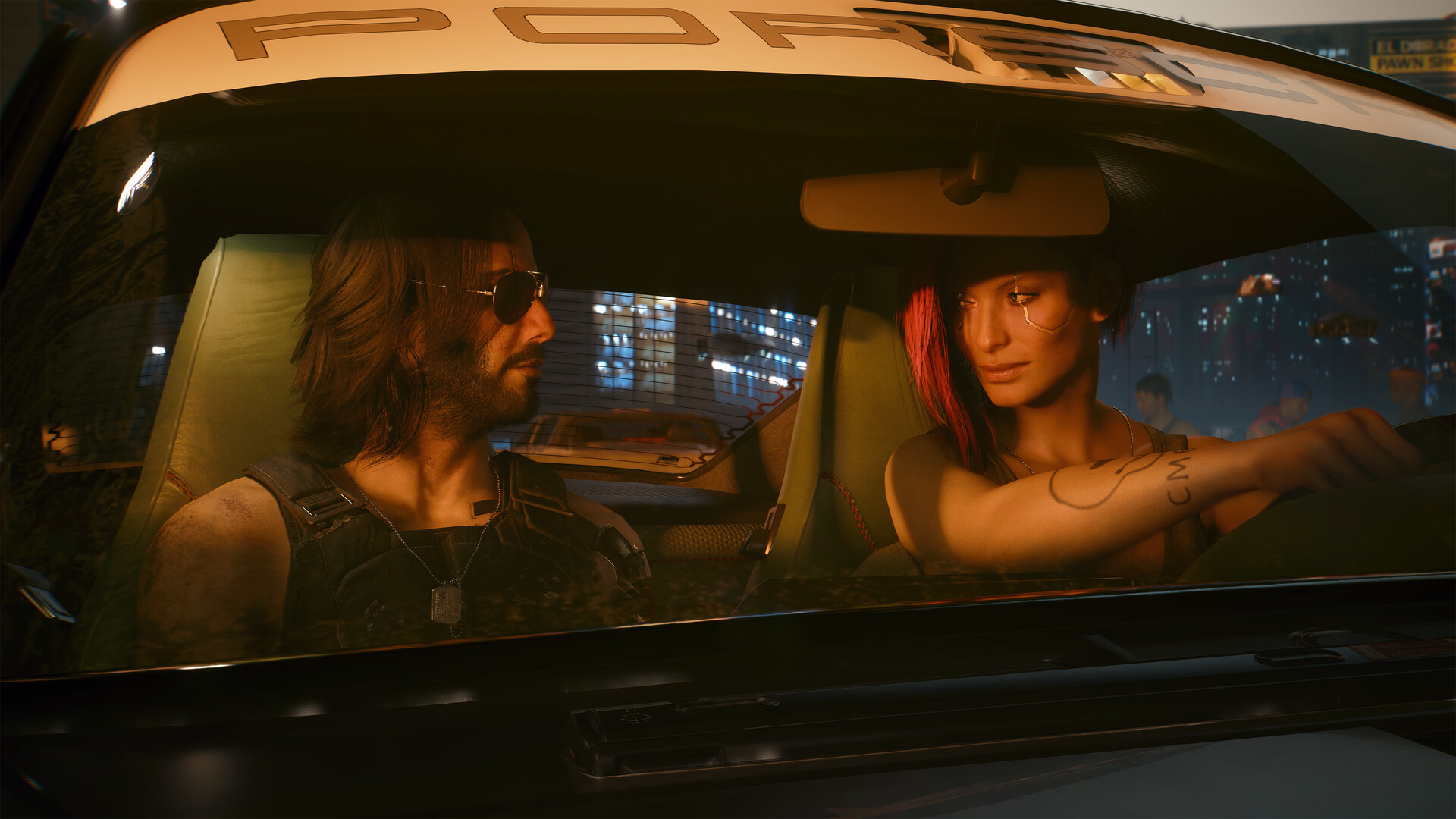
Cyberpunk 2077 was announced in 2012. The eight-year marketing campaign that followed was one of the most effective ever run in gaming: a slow reveal, mounting anticipation, the 2019 E3 appearance with Keanu Reeves, "you're breathtaking" entering the cultural vocabulary. By December 2020, the game was one of the most pre-ordered releases in history across all platforms.
Every pre-release asset shown to the public was PC footage. Press preview events were on PC hardware. The game looked extraordinary, and genuinely was on high-end machines. Night City is a technical achievement. None of what was shown to prospective customers was deceptive about what the PC version would be.
The PS4 and Xbox One versions were a different matter. These were not versions that CD Projekt Red failed to adequately test before launch. The internal build status was known. The decision to withhold console review copies was an active, deliberate choice made after that status was known.
The financial motivation is not speculative. Management bonuses at CDPR were reportedly tied to Metacritic score thresholds. Console review copies would have produced console Metacritic scores. Those scores would have been low enough to affect the bonus calculation. The incentive to withhold was direct and financial, and the incentive was acted on.
I do not believe this was a single rogue decision. It required coordination across marketing, PR, and executive leadership. Multiple people made the call to ship and to conceal.
What Base Console Players Actually Bought
I want to be specific about what the PS4 version was at launch, because the phrase "rough launch" has been used so consistently in retrospective coverage that it now implies something recoverable in a few weeks with patches.
The PS4 version ran at a dynamic resolution that regularly dropped below 720p in city environments. Frame rates were unstable, frequently falling into the teens during gameplay in dense areas. Textures loaded slowly and sometimes failed to load at all, leaving characters in low-resolution placeholder states for extended periods during cutscenes. The game crashed. Not occasionally in specific circumstances. Regularly, during normal play, in ways that interrupted progress.
This was not a game with performance issues. This was a game that did not work on the hardware that the majority of its purchasing audience was using. The majority of gamers in 2020 owned PS4 or Xbox One hardware. The majority of Cyberpunk's purchasing audience were those players. They were sold a product that did not function adequately on their hardware.
Sony pulling a major publisher's title from their storefront is close to unprecedented in the modern console era. The threshold for that action is extremely high. The fact that it happened at all is itself a clear measurement of how severe and sustained the problems were.
The Money That Changed Hands Before Anyone Knew
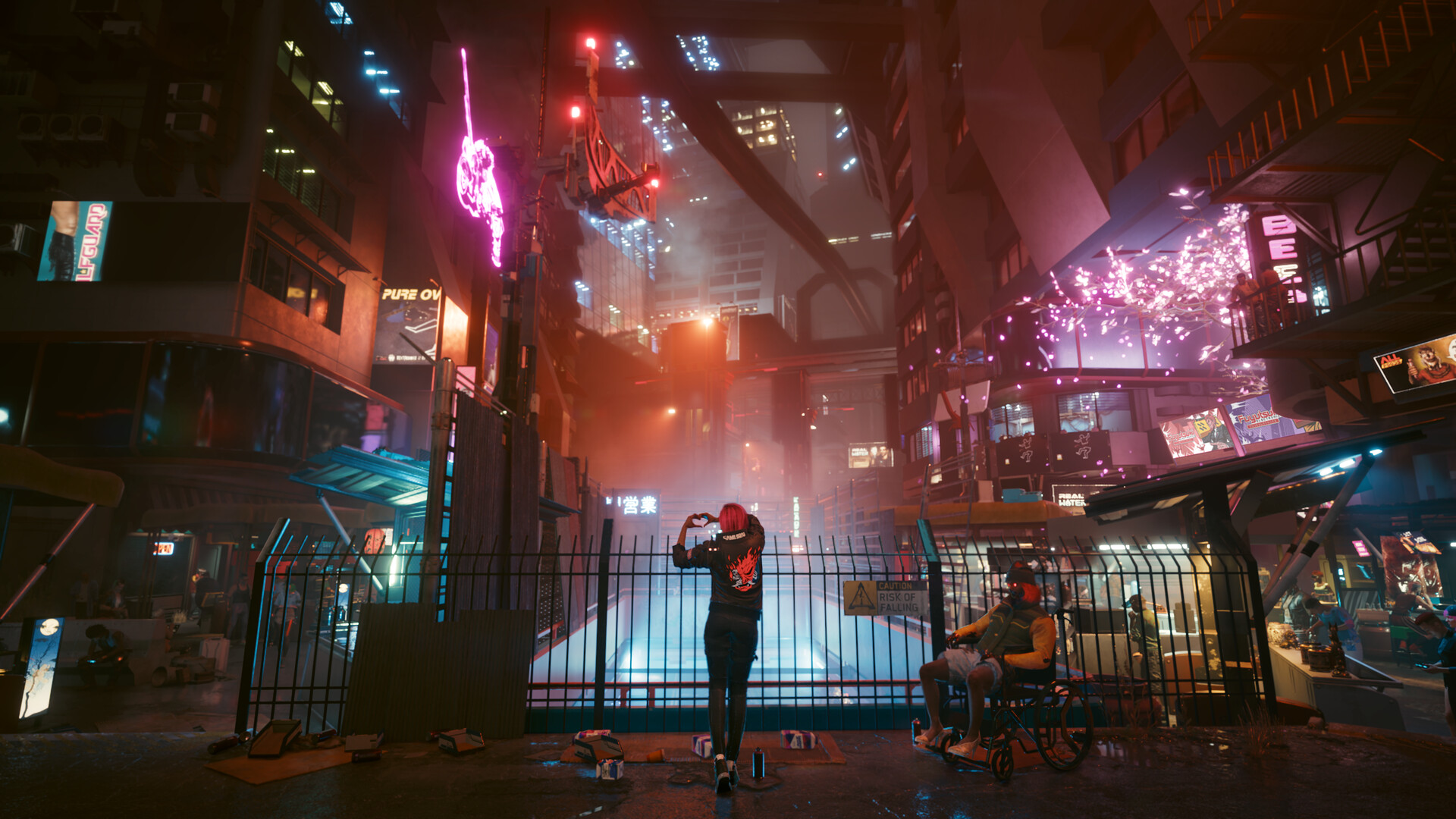
The game launched on 10 December 2020. In its first ten days it sold 13.7 million copies across all platforms. That number includes a substantial portion of console players who were buying based on eight years of marketing content that had shown them exclusively PC footage, and who had no access to console review scores before purchase because CDPR had ensured those scores could not exist.
I want to sit with that revenue figure because I think it is the most honest single measurement of what the decision to conceal console performance actually achieved. Thirteen million copies in ten days. The majority on platforms where the game did not adequately function.
Some of those players were refunded. Many were not. The process for getting a refund required contact with Sony, Microsoft, or CDPR directly. It was not automatic and it was not frictionless. The people who did not pursue a refund, for whatever reason, paid full price for something that had been deliberately misrepresented to them.
The share price fell significantly in the weeks after launch. CDPR faced a class action lawsuit from shareholders over the misleading statements about the game's state. The lawsuit was settled. The developers who had been crunching for years in conditions that produced mass stress and mental health incidents, documented in pre-launch reporting, had already delivered their work. The financial consequences landed on investors rather than on the players who had been misled. The people who made the decisions that caused all of this are still at the company.
I find the whole picture genuinely infuriating. Not the game itself, which is excellent now and none of this reflects on the people who built it. The specific people who coordinated the decision to conceal the console state while the pre-orders continued to bank. That decision has never been adequately named for what it was. The CEO apology video, which was itself an exercise in framing a deliberate choice as an unfortunate outcome, is the closest thing to accountability that ever materialised. That is not accountability. That is risk management disguised as contrition.
The financial model that produced December 2020 is still operational. The incentive to conceal quality problems before launch in order to capture revenue from customers who would wait or decline if informed. That incentive has not been structurally changed by anything that happened afterwards. The Cyberpunk rehabilitation made the model look viable. That is the bit I cannot forgive, regardless of how good Phantom Liberty is.
The Rehabilitation Is Real and the Problem With It

Cyberpunk 2077 is a genuinely great game in 2026. I want to say that without qualification because it is true and it matters.
The 2.0 update in September 2023 overhauled the skill tree, rewrote the police AI from scratch, rebalanced the economy, and fixed hundreds of persistent issues. The Phantom Liberty expansion is among the best DLC content I have played. The game sits at a 9/10 user rating on Steam from over 700,000 reviews. Night City, properly experienced on capable hardware, is one of the most impressive game environments ever built.
The rehabilitation is deserved. What CDPR made over three years of post-launch work is close to what the game should have been at launch.
Here is my specific problem with how this rehabilitation story is told: the accepted narrative is now "ambitious game had a rough launch, studio fixed it, earned redemption." That narrative is incomplete in ways that matter.
The complete narrative is: studio knowingly sold a broken product to millions of customers by deliberately withholding information that would have prevented those purchases, then spent three years fixing the product, and emerged with their reputation mostly intact.
The people who made the decision to withhold console review copies are still employed at CD Projekt Red. The customers who paid £60 for a game that did not work on their hardware received no proportional remedy. Some never received refunds. Some only received them after Sony's extraordinary intervention. The forgiveness I have extended is real. The selective institutional memory I find genuinely frustrating.
What the Industry Learned
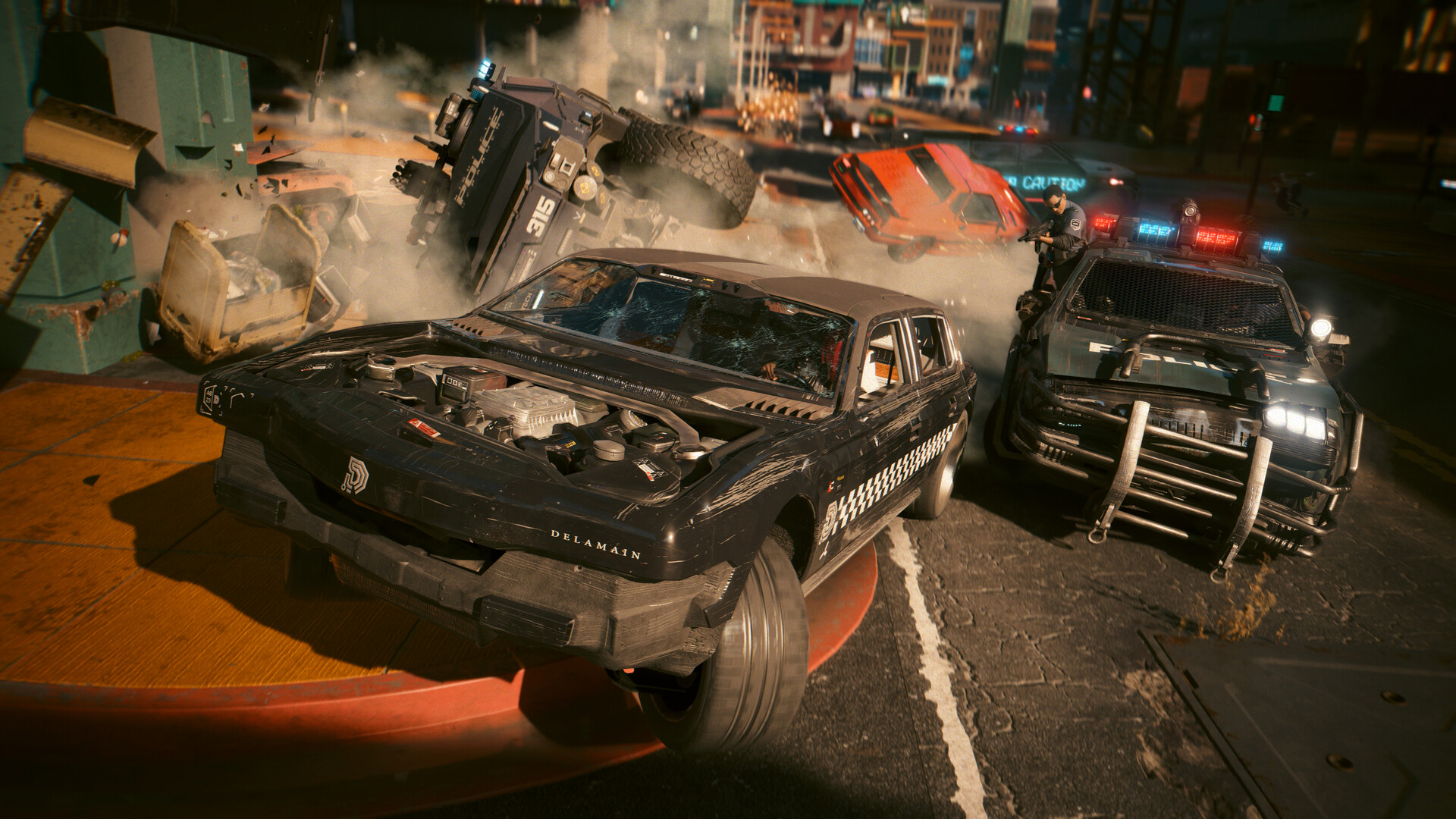
The lesson the industry absorbed from the Cyberpunk rehabilitation is the most damaging legacy of the launch.
What happened in December 2020 should have had severe, lasting consequences. A studio that deliberately misled millions of customers about product quality should face accountability that persists beyond a share price correction and a CEO apology video. The critical and commercial rehabilitation demonstrated that the long-term penalty for this behaviour is limited if the product eventually becomes good.
That is a catastrophically wrong lesson for the industry to have learned. It communicates that the model works: ship early, collect revenue from customers who would have waited if informed, fix over time, receive rehabilitation. The financial calculation favours early shipping even if the product is broken. And because the calculation is demonstrably correct, the Cyberpunk numbers prove it, other studios and publishers have no rational financial incentive to behave differently.
This is not cynical speculation. It is just the incentive structure operating as designed, and the rehabilitation doing its work. The Battlefield 2042 launch was broken. The Anthem launch was broken. The No Man's Sky launch was broken (though that one was genuinely fixed and Hello Games genuinely suffered for it over years). Each one demonstrated that the short-term penalty is survivable if the product eventually improves. None of them faced consequences that would make a finance department hesitate before approving the same strategy next time.
Buying the game is fine. It is excellent now and it is worth the money. What would also be useful is remembering the launch clearly. Not as resentment, but as a piece of information about what studios and publishers will do when the financial incentives and their customers' interests point in different directions. That information is worth keeping hold of, because the conditions that produced the Cyberpunk launch have not been structurally changed by the rehabilitation that followed it.
What the Cyberpunk Launch Taught the Industry (And What It Did Not)
The post-launch rehabilitation of Cyberpunk 2077 is often cited as evidence that games-as-a-service can redeem troubled launches. The game is now excellent. The process worked. Therefore the practice is defensible.
I want to push back on this reading specifically because I think it gets the lesson wrong in a way that matters.
The lesson that should have been taken from the Cyberpunk launch is: do not ship games that are not ready. The lesson that was taken was: if you ship a game that is not ready, you can fix it over time and the rehabilitation will eventually outperform the launch damage. These are different lessons and they produce different incentives.
The Cyberpunk rehabilitation required approximately three years of sustained development work, a series of patches that incrementally addressed fundamental gameplay and stability issues, and a full paid expansion in Phantom Liberty that brought the narrative side of the game to a level that matched the restored technical quality. CD Projekt Red publicly committed to the repair process and executed it with genuine care. The result is a game that is now excellent and that many players who encountered it post-rehabilitation have found transformative.
But the people who bought Cyberpunk on launch day on last-generation consoles did not receive the excellent game. They received a product that in some cases could not sustain play sessions of meaningful length without crashing, that had visual quality substantially below what had been shown in marketing, and that had gameplay systems in states ranging from functional to broken. Sony removed it from their store. Refunds were processed. The damage to the people who trusted the marketing and bought the product on release day is not retroactively repaired by the fact that the game is now good.
The rehabilitation also required CD Projekt Red to maintain a team working on Cyberpunk for three years while also beginning development on their next projects. The human cost of that sustained repair work, on a team that had already worked under intense crunch conditions to ship the original product, is not visible in the final quality of the game but it was real. The people who spent years fixing a game they had already shipped under difficult conditions bear the weight of what the launch decision created.
The industry learned the wrong lesson partly because the story has a satisfying ending: game bad, then game good, studio reputation eventually recovers. The more accurate story is: studio made a decision under commercial and shareholder pressure that was wrong, harmed the people who trusted them, harmed the people who worked on the repair, and produced a rehabilitation that was more expensive in total than shipping the game correctly the first time would have been. Night City Wire, the marketing campaign, the launch day hype: none of it was worth what it cost. The game that exists now should have existed in December 2020. The gap between those two things is the actual story.
Cyberpunk 2077 is available on PC, PS5, and Xbox Series. $59.99. Get Phantom Liberty if you can -- it is the best content in the game. Buy it on current-gen hardware only.
Buy on Steam | CD Projekt Red
One more thing worth saying about the Cyberpunk 2077 story specifically: the role of the financial reporting structure in producing the launch decision is underexamined. CD Projekt Red is a publicly traded company. In the weeks before the launch that was repeatedly delayed and then finally committed to, the share price had significant exposure to the launch timeline. Management bonuses were tied to Metacritic scores. The people with authority to delay the launch again had financial incentives to not delay it, incentives that were visible and documented. This is not a conspiracy. It is the straightforward consequence of a corporate structure that made the correct decision financially costly for the individuals who had to make it.
The developers who worked on Cyberpunk 2077 did not create this structure. They worked within it. The rehabilitation they then undertook was extraordinary work done by people who had already given the original launch everything they had and then had to give more to fix what the structural failure had produced. That work deserves direct acknowledgement separate from any criticism of the launch decision.
The game that exists now is excellent. The process that produced the launch it arrived in was broken. Both are true. The industry should hold both simultaneously rather than letting the quality of the rehabilitation retroactively justify the conditions that made the rehabilitation necessary.
Game at a glance
| Detail | Answer |
|---|---|
| Genre | Action RPG |
| Typical length | 25-100 hrs |
| Difficulty | Moderate |
| Play mode | Single player |
| Developer | CD Projekt Red |