Forza Horizon 6 Leaked. Microsoft's Response Was an 8,000-Year Ban.
Forza Horizon 6 leaked on Steam without encryption ten days before its May 19 launch. One player got hardware-banned until December 31, 9999. Playground Games says it wasn't a preload issue, meaning someone with early access leaked it. That detail is more interesting than the ban.
TL;DR
- Forza Horizon 6 leaked unencrypted on Steam 10 days before its May 19 launch.
- One player got hardware-banned until December 31, 9999 -- an 8,000-year ban.
- The bigger story: Playground Games says this wasn't a preload issue, meaning someone with early access leaked it.
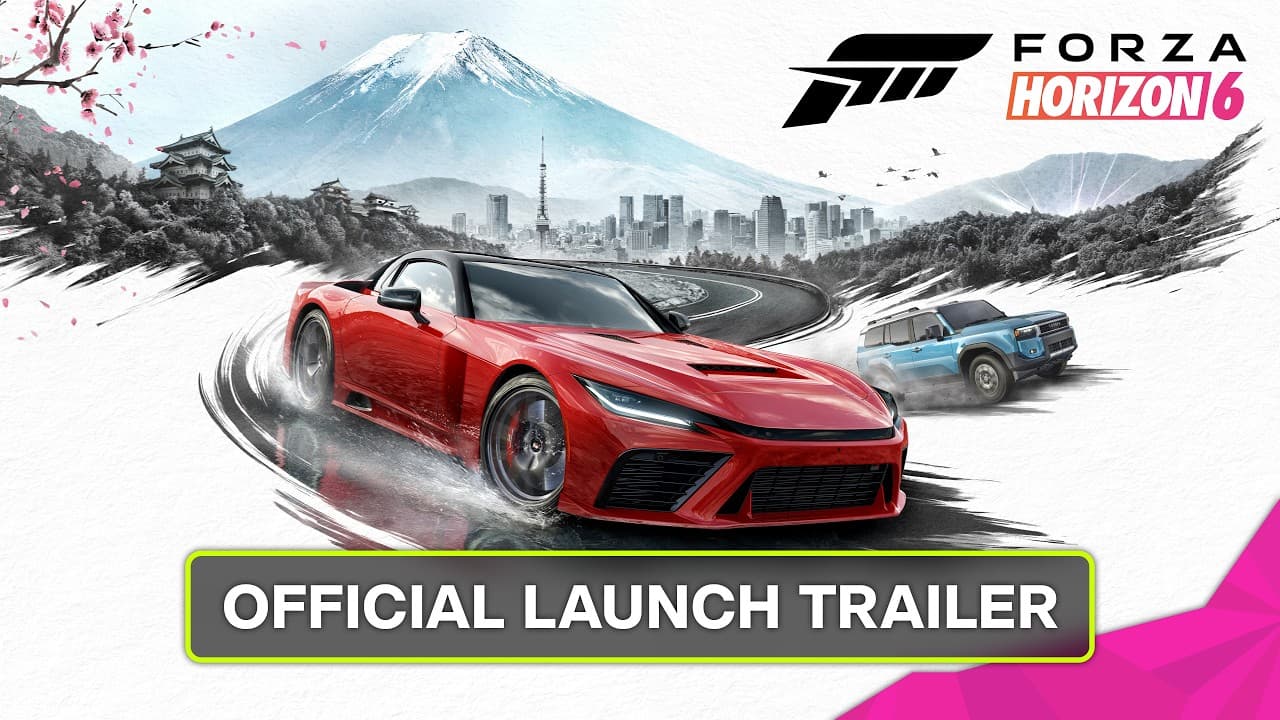
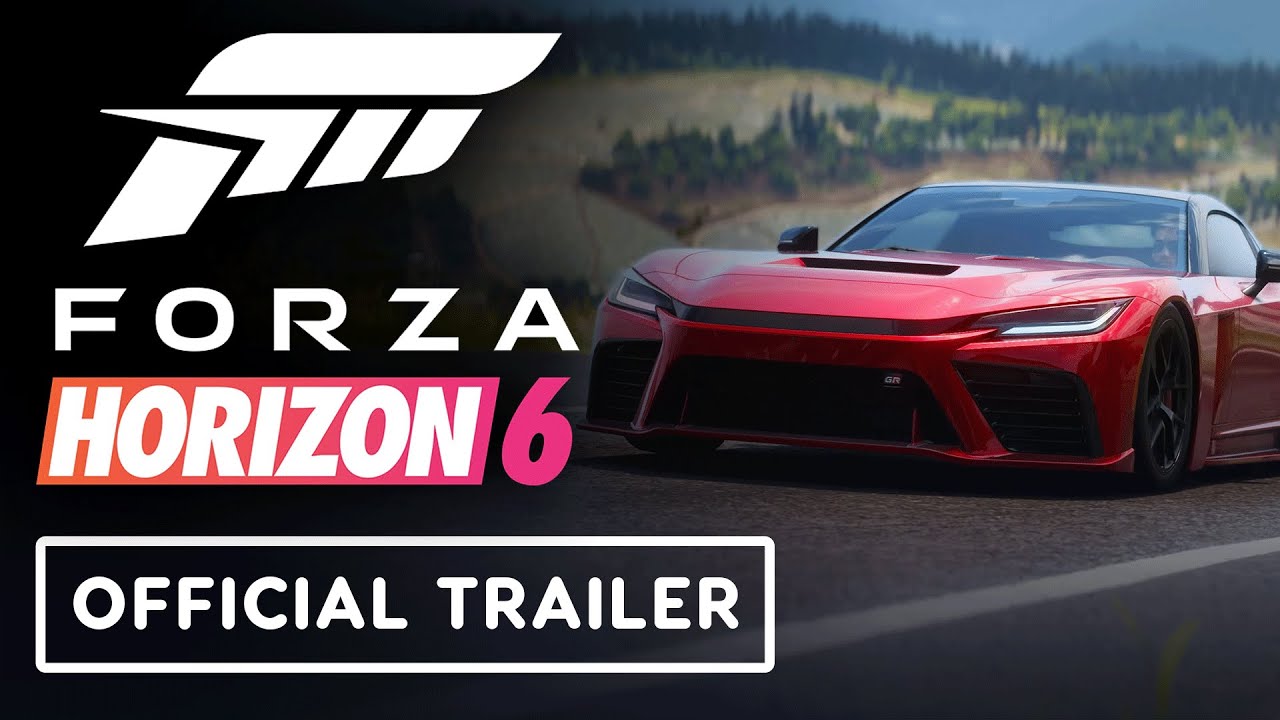
Forza Horizon 6 launches on May 19. Six days from now. It's one of the most anticipated racing games in years, set across Japan, with 550+ cars and a map that Playground Games is calling the series' most ambitious ever. Xbox Game Pass day one. By any measure, it should be having a clean run into launch week.
Instead, Playground Games spent May 11 issuing hardware bans lasting until December 31, 9999.
That's not a typo. Nearly 8,000 years. One player, a modder known online as DVS Squad, who got a Hardware ID ban meaning the punishment applies to the entire machine, not just the account. Creating a new account won't help. Buying the game legitimately on the same hardware won't help. You are locked out of the entire Forza franchise until the year 10,000.
The internet reacted predictably: half outrage at the punishment, half memes about what gaming looks like in 9,999 AD. Honestly fair enough on both counts. about what gaming looks like in the year 9,999. But the ban itself isn't the most interesting part of this story. The most interesting part is what Playground Games quietly admitted in their official statement.
What Actually Happened

Ten days before launch, Forza Horizon 6 appeared on the internet in fully playable form. The game's Steam preload files were uploaded without encryption, which allowed anyone determined enough to find and crack the build to play the full game ahead of its May 19 release. Within hours it was spreading across piracy communities.
The initial assumption was that this was a standard preload screwup: Valve or Xbox had accidentally uploaded an unencrypted build to Steam as part of the preload process. It wouldn't be the first time. Pragmata had a similar premature Steam appearance earlier this year. These things happen.
Then Playground Games issued their official statement, and the explanation shifted.
"We are aware of reports that a build of Forza Horizon 6 has been obtained prior to its release and can confirm this is not the result of a pre-load issue. We are taking strict enforcement action against any individuals found accessing this build including franchise-wide and hardware bans. We encourage fans to sit tight for the game's release on May 19."
Not a preload issue. That phrase is doing a lot of work in that sentence. SteamDB, the database that tracks Steam game files and updates, backed this up almost immediately. Their analysis indicated that Forza Horizon 6 was "very likely leaked by someone with early access to the build," specifically naming reviewers or similar individuals as the probable source. The file list appeared on SteamDB at the same time because someone used their token dumper tool, but SteamDB was explicit: they had no hand in the leak itself.
So the game wasn't accidentally uploaded without encryption. Someone who had the game early: a reviewer, a content creator, someone in the press pipeline appears to have distributed the build, which then spread to piracy communities and eventually onto Steam in cracked form.
That is a meaningfully different story. And it makes the 8,000-year ban look like a bloody misdirection. And it's one the gaming industry should be paying more attention to.
The Press Pipeline Problem
Publishers send early builds to reviewers and content creators because they need coverage on launch day. Day-one reviews drive sales. YouTube impressions in the first 48 hours drive more sales. The entire pre-launch marketing ecosystem runs on the premise that trusted third parties can be given early access without that access being abused.
That premise is breaking down.
This isn't the first high-profile early access leak in recent memory. If you had a nickel for every major game leaked from within the press or content creator pipeline in 2025 and 2026, you'd have enough for the standard edition of Forza Horizon 6. The pattern is consistent: a game goes gold, review codes go out, someone in that distribution chain decides the risk is worth it, and the game appears on piracy sites before launch.
The consequences for publishers are real. Piracy affects sales at the margin. Not catastrophically for a title like Forza Horizon 6 which is day-one on Game Pass and will be played by millions regardless, but meaningfully for smaller titles that depend heavily on launch-week revenue. Early leaks also undermine the carefully managed hype cycle that publishers spend years building. Forza Horizon 6's launch week social media strategy was presumably built around controlled trailer drops and embargo lifts. That strategy evaporates when uncontrolled footage is circulating for a week before launch.
What's interesting is that Playground Games' response targets the players who downloaded and played the leaked build rather than focusing public attention on the source. The 8,000-year ban is aimed at people who, in many cases, had no part in leaking anything. They found a cracked game online and played it. The person or people who actually leaked the build: the ones in the review or press pipeline have received no public acknowledgement at all.
I understand why. Publicly accusing a reviewer or outlet of leaking a build before you can prove it creates legal and PR problems that hardware banning some random pirates does not. But the optics are uncomfortable. The people bearing the harshest punishment are not necessarily the people most responsible for what happened.
The Ban Itself
The 8,000-year ban is genuinely unprecedented in its severity as a publicly visible enforcement action, and it's worth examining what it actually means technically.
A Hardware ID (HWID) ban operates at the device level rather than the account level. Your motherboard, CPU, and other hardware components have unique identifiers that the game's anti-cheat and enforcement systems read. When a HWID ban is issued, those identifiers are flagged. Any account that logs into Forza Horizon 6 on that hardware. Even a brand new account, even a legitimately purchased copy: it will be blocked.
The practical workaround is getting new hardware, which is expensive and extreme. A Windows reinstall doesn't help. Account creation doesn't help. The ban follows the machine.
The December 31, 9999 end date isn't a deliberate artistic statement. It's simply the maximum date value that the enforcement system can store. It's a technical ceiling rather than a considered choice. But the effect is the same: this is intended as a permanent ban.
DVS Squad, the modder who received the ban and went public with it, responded with a seven-minute video. He denied using cheating software, said he was familiar with bypassing Forza's enforcement systems from previous modding work, and claimed the ban hadn't stopped him accessing the game for long. More surprisingly, he praised the game itself. He called Forza Horizon 6 "absolutely stunning" despite having been playing it at non-maximum settings, and described it as potentially one of the strongest entries in the franchise for racing fans.
That last detail is genuinely funny. The person who got the most severe Forza ban in gaming history is also apparently one of its most enthusiastic early reviewers.
Is the Response Proportionate?

Here's where I'm genuinely conflicted, and I want to be honest about that rather than pretending it's simple.
On one hand: yes, playing a pirated build of a game you didn't pay for is wrong. The people who downloaded and played Forza Horizon 6 early knew what they were doing. A deterrent response from Playground Games is legitimate. Publishers have the right to protect their products.
On the other hand: a hardware ban lasting 8,000 years for playing a cracked game is not a proportionate response to the behaviour it's punishing. It's a maximum severity response applied indiscriminately to everyone who touched the build, regardless of their individual role in the leak. Someone who played for twenty minutes out of curiosity receives the same punishment as someone who actively distributed the files.
The Forza series has always had an aggressive stance on modding. Anyone who's spent time in the community knows this. Mods that even slightly touch game files risk bans, and Playground Games has historically been unsympathetic to appeals. The HWID ban for the leaked build sits within that broader pattern of zero-tolerance enforcement.
What bothers me is the misdirection. The severity of the player bans creates a narrative around the people who played the leaked game, when the story that actually matters is how a build this close to launch ended up on piracy sites in the first place. A publisher that loses a review build to piracy has a problem with their review distribution process. Banning the players loudly and publicly is a way of changing the subject.
The gaming media ecosystem depends on trust between publishers and the outlets and creators they work with. When that trust breaks and a review build gets leaked, the right response is to tighten the process for the next game, not to stage a public spectacle of punishing the people downstream of the actual breach.
The Game Itself Is Apparently Excellent
None of this drama changes what Forza Horizon 6 actually is, and based on everything from official materials to DVS Squad's unsolicited endorsement, it looks like a genuinely exceptional game.
Japan is the right setting. The Forza Horizon series has always excelled at capturing a sense of place: the British countryside of FH4, the Mexican festival atmosphere of FH5, and Japan offers exactly the contrast the series needs after Mexico. Urban Tokyo, rural mountain passes, coastal roads, the density and verticality that FH5's open plains couldn't provide. Over 550 real-world cars, the largest urban area in franchise history, touge battles, and JDM classics throughout.
Premium Edition owners get early access starting May 15, with the standard edition unlocking May 19. Game Pass Ultimate and PC Game Pass subscribers can play day one at no additional cost.
If you're on Game Pass, there's no decision to make. Play it on May 19. If you're not on Game Pass, $70 is the standard price and the premium edition hits $120 for four days of early access plus the car pass and expansions. The early access premium is steep at $50 extra for four days, but that's a separate conversation.
What you should absolutely not do is go looking for the cracked build. I mean it. Don't be a fecking eejit about this. Not because of the moral argument (though that stands), but because the HWID ban risk is real and Playground Games has demonstrated they're willing to use it.
The game launches in six days. It'll still be there. I promise.
Forza Horizon 6 on Steam -- $69.99 standard | $119.99 Premium Edition (early access May 15) | Day one on Xbox Game Pass