What a Four-Player Horror Night Costs on Steam
We compare the cost of four base-game copies across six co-op horror picks, using dated US Steam observations and clear party-size caveats.

TL;DR
- Four copies cost $31.96 to $159.96 across the six games in our 26 October observation.
- Separate copies are required in this calculation. Existing ownership and optional DLC change the bill.
- Dead by Daylight needs five players for a private match with four survivors and one killer.
The price on a Steam page is usually the cost of one copy. When four friends need a game, that distinction matters more than another list declaring that everything is a bargain.
We collected US Steam prices for six games from our co-op horror guide on 26 October 2026. In that observation, the four-copy entry cost ran from $31.96 to $159.96. Content Warning and the discounted base game of Dead by Daylight shared the lowest price, but they offer very different evenings.
This is a purchase comparison based on store data and the games' advertised party structures. It is not a new multiplayer playtest, a ranking of today's servers, or a claim that the cheapest game is the best one.
What four new players would pay
The calculation assumes four people on PC, each needing their own base-game copy, all purchasing at the observed US price. Existing ownership, bundles, regional pricing, taxes charged at checkout and optional purchases can change the actual bill.
| Game | Advertised group | Regular | Observed/copy | Four copies |
|---|---|---|---|---|
| R.E.P.O. | Up to 6 | $9.99 | $9.99 | $39.96 |
| Lethal Company | Up to 4 | $9.99 | $9.99 | $39.96 |
| Phasmophobia | Up to 4 | $19.99 | $13.99 | $55.96 |
| Content Warning | Up to 4 | $7.99 | $7.99 | $31.96 |
| The Outlast Trials | Up to 4 | $39.99 | $39.99 | $159.96 |
| Dead by Daylight | 4 survivors; 5 in a private match | $19.99 | $7.99 | $31.96 |
Prices are from observations around 03:30 UTC on 26 October. These are dated prices, not a promise of the price when you read this. The downloadable source data records the exact collection time for each game; our sale tracker provides a more recent buying check.
The cheapest two options ask different things of your group
Content Warning cost $7.99 per copy in this snapshot. Four copies therefore cost $31.96. Its pitch centres on friends filming frightening expeditions, with the group performance and the resulting footage forming part of the joke.
Dead by Daylight reached the same entry total because its $19.99 base game was discounted to $7.99. Treating those two prices as equivalent recommendations would miss the point: Dead by Daylight puts four survivors against a separate killer, rather than making every participant a member of one cooperative expedition.
A four-person survivor group can play together, but it does not fill a five-person private match. If the plan is to keep the entire match within your own group, budget for a fifth player and copy. At the observed price that would be $39.95, with optional characters and other purchases still outside the calculation.

There is another difference hidden by a single price column. Content Warning's observed price matched its regular price. Dead by Daylight's depended on a 60% discount. When that discount ends, four base copies at the recorded regular price would cost $79.96.
The useful conclusion is conditional: compare both the kind of evening you want and the price available at checkout. A temporary discount does not turn an asymmetric game into a substitute for cooperative exploration.
R.E.P.O. and Lethal Company are $9.99 each
Both games were $9.99 per copy in this collection. A four-person group buying from scratch would pay $39.96 for either one. That is $8 more across the group than the cheapest four-copy options in the table.
R.E.P.O. advertises up to six players, so it also answers a question the four-copy column cannot: what happens if two more friends want to join? Six copies at $9.99 would cost $59.94. That is a group total, not a six-way split of one purchase.
Lethal Company's advertised four-player structure fits the smaller group. Do not treat unofficial player-limit modifications as equivalent to the developer's supported setup when deciding what everybody should buy.
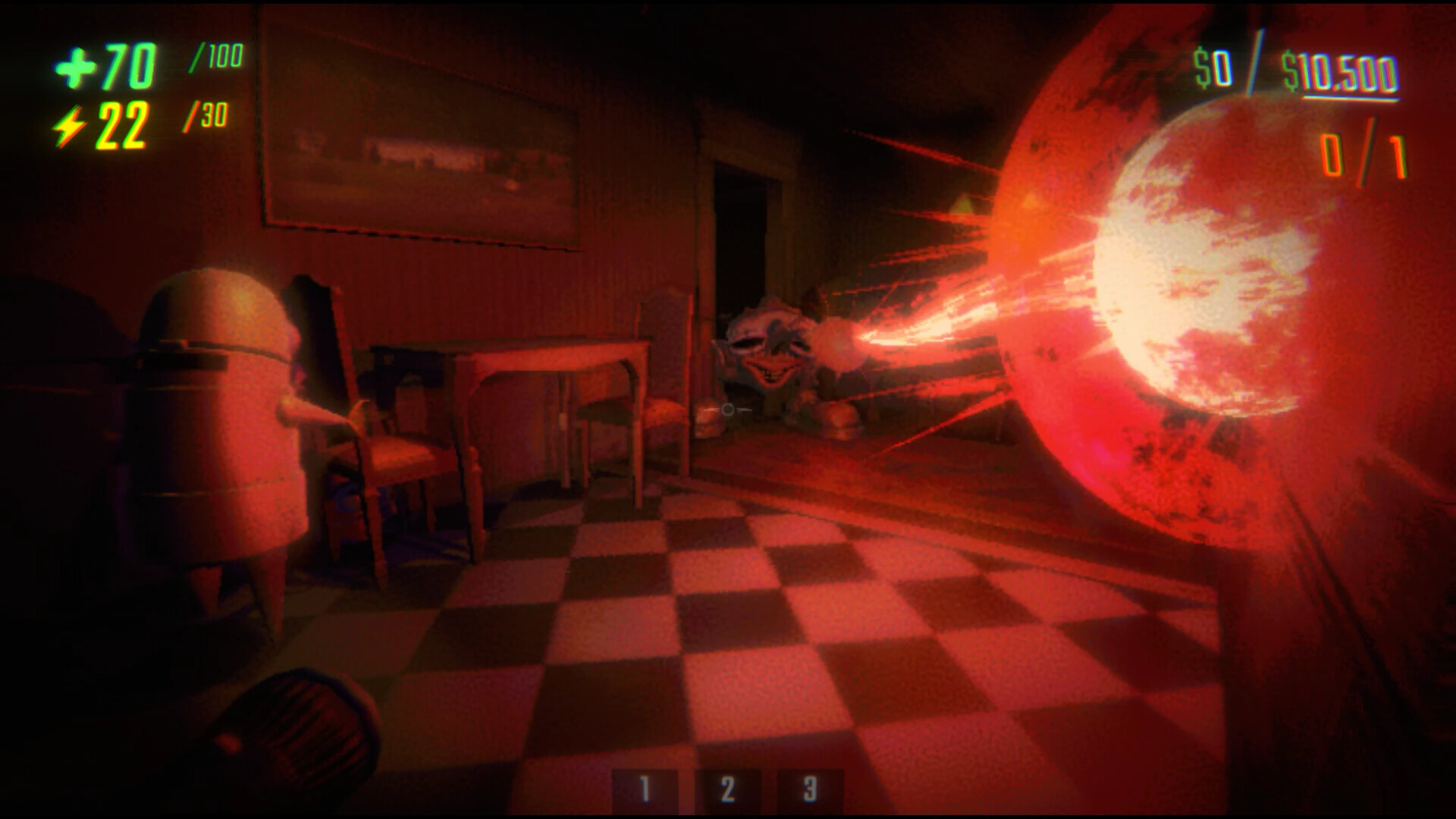
The core idea in both recommendations is a shared task performed under pressure. R.E.P.O. emphasises moving valuable objects with physics, while Lethal Company builds its expeditions around collecting scrap for a company quota. Those differences matter if your friends prefer one kind of coordination over another.
The existing guide gives our editorial assessment of the games. This calculation contributes something narrower and checkable: how many copies your group needs and what those copies cost at one recorded point in time.
Phasmophobia sits between the cheap entry points and The Outlast Trials
Phasmophobia's observed $13.99 price was 30% below the $19.99 regular price. Four copies cost $55.96 in the snapshot, compared with $79.96 at that recorded regular price.
Its investigation structure gives a group a different shared problem: interpreting evidence and identifying a ghost. Buying it because it is inexpensive is less useful than buying it because your friends want to learn that system together. A group that dislikes investigation will not become interested simply because the price drops.
The Outlast Trials was $39.99 per copy with no discount in this collection. Four copies cost $159.96, about five times the $31.96 minimum in our six-game sample. That comparison measures acquisition cost only; it says nothing about how many worthwhile evenings a particular group will get from either purchase.
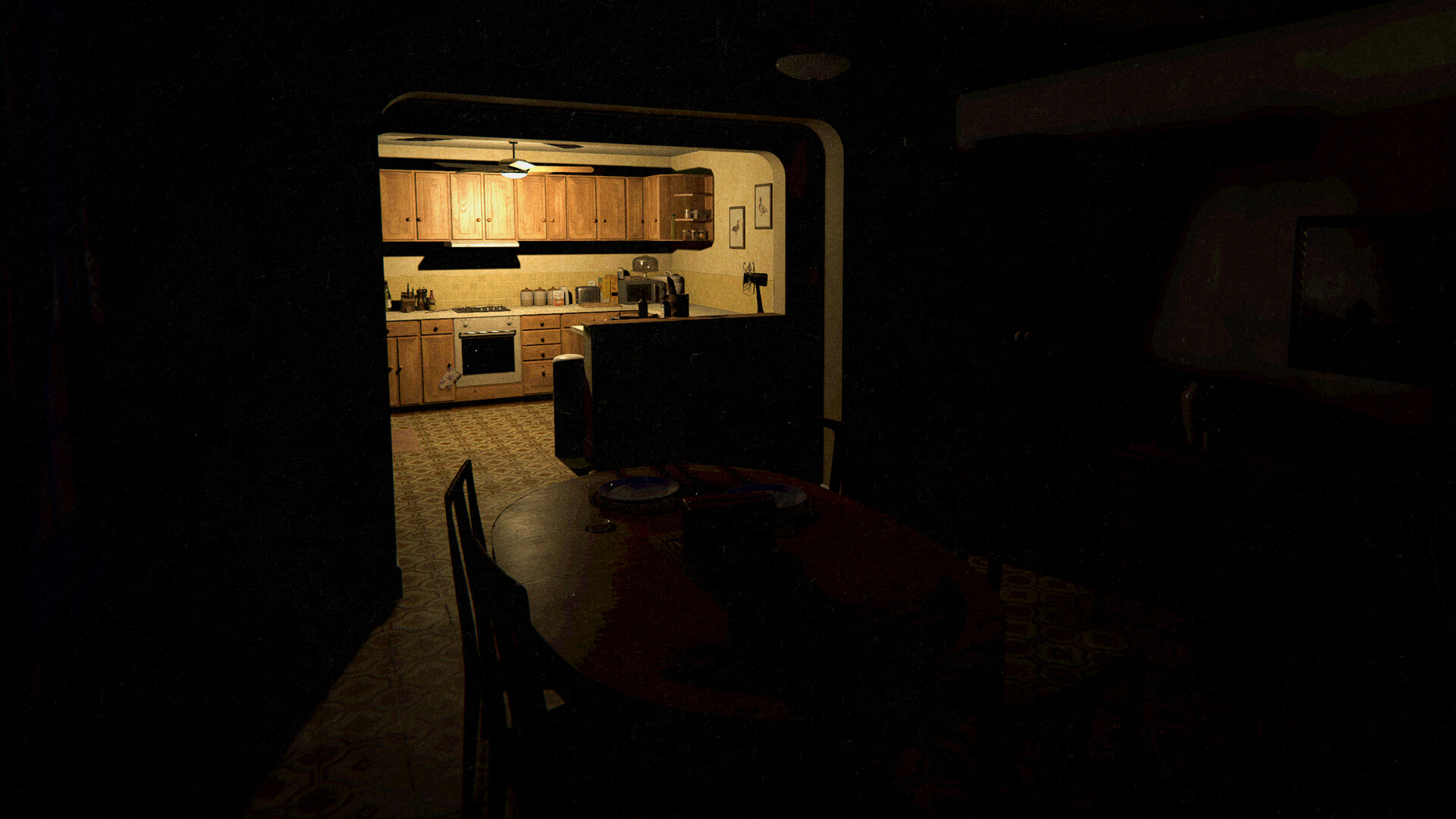
The Outlast Trials offers a more directed cooperative survival-horror setting. The useful buying question is whether everyone wants that particular experience enough to justify the larger shared cost. If only one person is enthusiastic, a low-friction option the whole group wants may make more sense.
Check what your group already owns
Four copies is a deliberately simple starting assumption. If two friends already own a game, the relevant bill is two new copies. At $9.99, that changes a $39.96 group purchase into $19.98 of new spending.
The same arithmetic applies when a sale changes. Multiply the current price of the required edition by the number of people who still need a copy. Keep optional DLC separate, then decide whether the base game supports the evening you are planning.
This is also why the table uses individual Steam base-game prices. It does not assume that a subscription, family-sharing arrangement, cross-platform version or promotional offer grants four simultaneous players access. Verify those conditions separately if they are central to your plan.
How we collected and compared the data
The six games are the existing selection in GamerEmpire's co-op horror guide. They are a convenience sample chosen for that guide, not a survey of every multiplayer horror game on Steam.
We used Steam's public store response with the country set to the United States and retained the regular price, observed current price, currency and observation time. Prices are stored as integer cents, and the four-copy column is exactly four times the observed current amount. No rounding of an average or currency conversion is involved.
The same collection records all-time review aggregates and a concurrent-player observation for these six games. Neither determines the price comparison. A one-time player count is not a trend, a matchmaking guarantee or a measure of active players over a month.
The fixed JSON snapshot remains available even as our collector adds later observations. Our editorial methods describe the filters and limitations. If a store price or party limit changes, the dated evidence remains a record of this calculation; check the linked store before buying.
For the next step, use the co-op horror recommendations to choose the kind of game, then confirm the live price. A group purchase works best when everyone agrees on both.