Free Horror Games on Steam: Five Complete Experiences
Five free Steam horror games with complete stories. Compare what you get, optional extras and content warnings, with dated Steam review data.

TL;DR
- All five base games were free in the US Steam store at the 26 October check. None is included merely because its first chapter is free.
- Choose Cry of Fear for a campaign, Dagon for a narrated short story, or The Supper for point-and-click puzzles.
- Optional art books, soundtracks and additional stories are separate from the free experience described here.
A free horror download is a poor bargain if the story stops just as it gets interesting. These five Steam games offer a complete base experience without asking you to buy the next chapter.
That is the selection rule. It does not mean every game is long, polished or suitable for everyone. It means you can reach the end of the experience described here without discovering that “free” meant an extended advert.
We checked the US Steam store, official descriptions and optional extras on 26 October 2026. This is a researched buying guide, with editorial recommendations based on those features. It does not claim five fresh playthroughs. For other genres, use our broader free Steam games guide.
Choose the kind of evening you want
| Game | Free experience | Choose it for | Important catch |
|---|---|---|---|
| Cry of Fear | Standalone campaign | Survival horror with combat | Disturbing material and an older PC game to configure |
| Doki Doki Literature Club | Original visual novel | Psychological horror built around reading | Explicitly unsuitable for children |
| Dagon | Adaptation of the short story | Narration and cosmic horror | Limited interaction; extra stories are separate |
| We Went Back | Short space-station escape | Environmental clues and a time loop | Deliberately small scope |
| The Supper | Short adventure | Point-and-click puzzles and macabre humour | Dark subject matter despite the pixel art |
“Complete” describes the base story or campaign above. It does not promise every optional purchase, every future release by that developer or unlimited entertainment. A short story can be complete without turning into a ten-hour campaign.
Cry of Fear
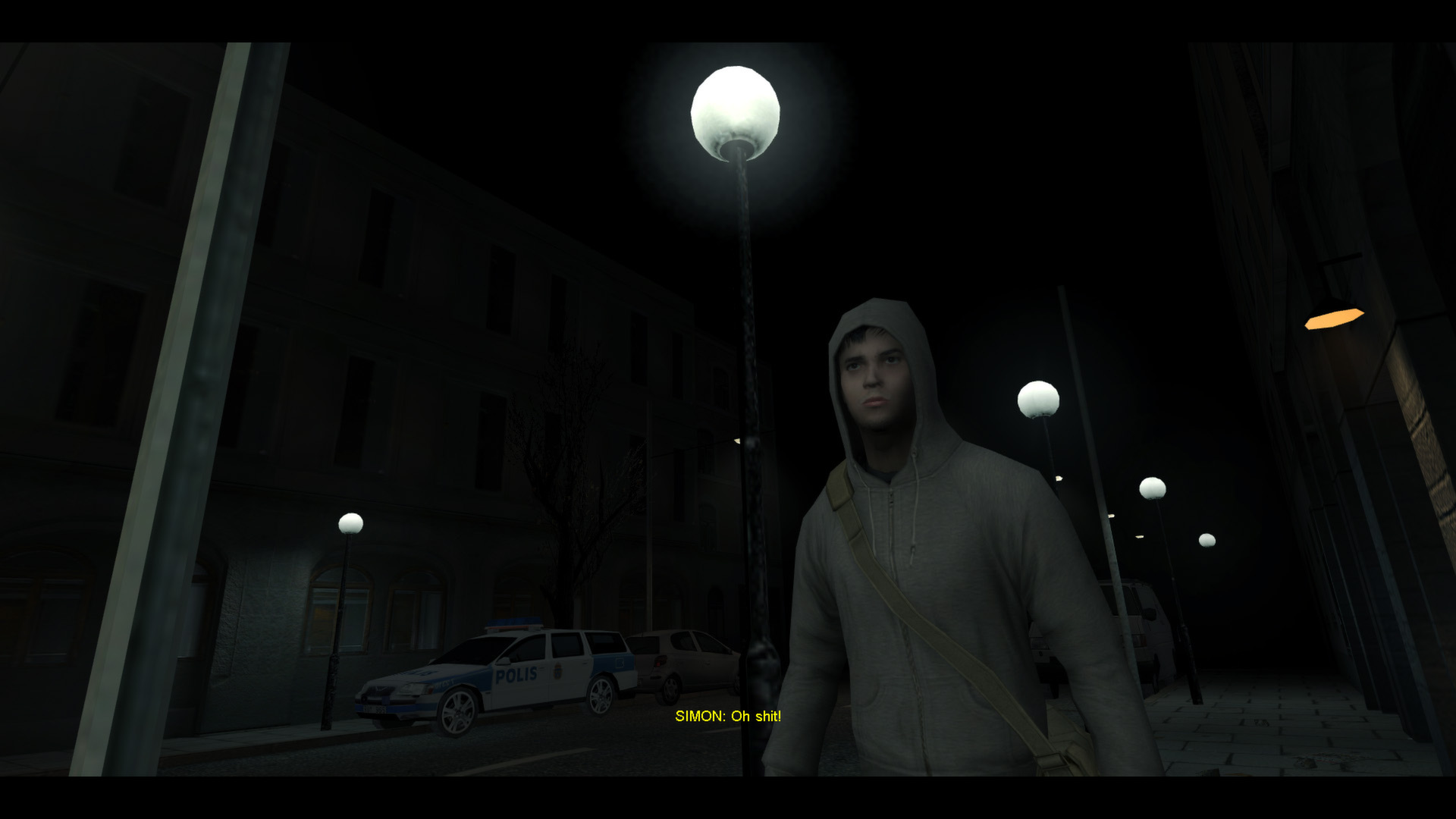
Cry of Fear is the choice when you want a substantial survival-horror campaign without a purchase. Team Psykskallar's official Steam description confirms that the former Half-Life modification is now standalone. You do not need to buy Half-Life first.
Its deserted Scandinavian town, weapons and hostile encounters make this a different proposition from the short narrative games below. The developer advertises multiple endings and a separate co-op campaign for up to four players. The solo campaign is the reason it belongs in this particular guide.
The trade-off is practical. This is an older PC release, and “free” does not remove the need to check the store's requirements and support information. Do that before persuading friends to set aside a whole evening for it.
Its violence and psychological subject matter also deserve consideration. Choose it because you want that kind of horror, rather than because its campaign looks like the largest quantity of free content in the table.
Doki Doki Literature Club
The original Doki Doki Literature Club is a complete free visual novel. Team Salvato's own site identifies the game as free and separates the optional Fan Pack from the download.
The Fan Pack adds music, wallpapers and a concept-art booklet. Those extras are not a toll booth before the original story's ending. This recommendation concerns the original release, rather than a promise that every edition with Doki Doki in its name is free.
The reason to choose it is the reading-led format. It asks for attention to characters and presentation instead of aiming, resource management or quick reactions. If you dislike visual novels, its reputation will not make pages of dialogue disappear.
Take the developer's content warning seriously. The cheerful artwork is not a useful age guide, and the game explicitly warns that it is unsuitable for children or easily disturbed players. Go in knowing the format and warning, then leave the plot details alone.
Dagon
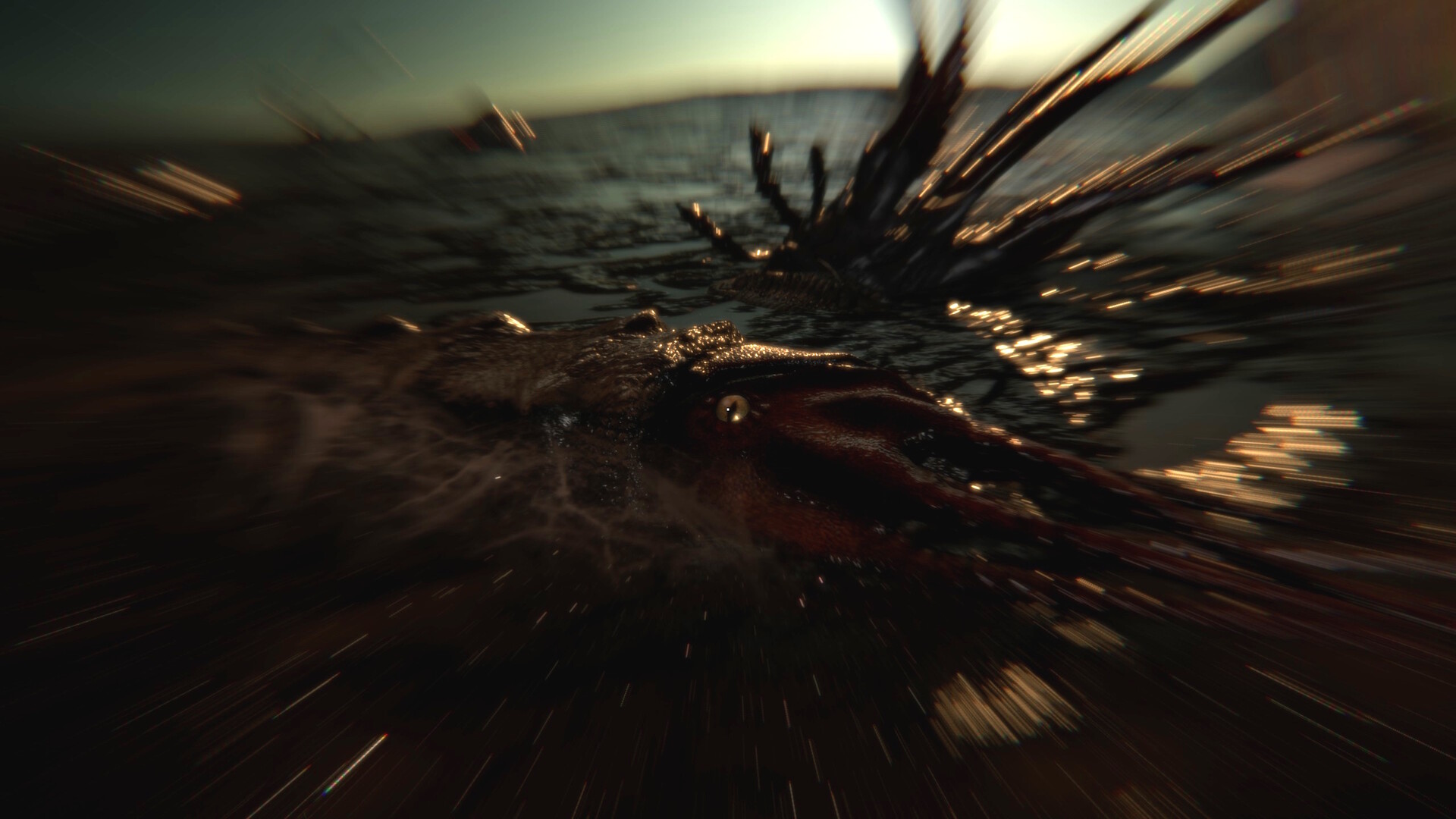
Dagon: by H. P. Lovecraft adapts one short story as a narrated 3D experience. The developer describes a roughly 30-minute visit, which is its estimate rather than a completion time we measured.
This is the easiest selection here to explain honestly: choose it for a voice-led cosmic-horror story and its setting. Do not choose it expecting a combat system, an inventory puzzle campaign or the freedom of a large exploration game.
The free base adaptation is complete. The store also sells optional material and additional stories, so the correct promise is “the Dagon adaptation is free”, not “everything attached to this Steam page is free”. That distinction matters when a store lists several purchase buttons beside the base download.
For someone deciding whether this kind of horror appeals to them, the small commitment is useful. For someone seeking a game to occupy several nights, it is the wrong recommendation regardless of the review percentage.
We Went Back
We Went Back puts you in an abandoned space station and builds its escape around changes to the environment. The developer describes it as a 30-to-50-minute experience with clues and an escape-room-style puzzle.
That gives it a clear place beside Dagon. Both are short, but We Went Back asks you to inspect the space and work something out. Pick it when you want the environment to be part of the problem, rather than primarily a backdrop to narration.
The repeating location is the premise, so expecting a succession of new levels would set up the wrong evening. Its value is a contained puzzle-horror idea that reaches a conclusion. It is not trying to be a free replacement for a sprawling science-fiction campaign.
Our price check found the base game free, and its official description presents the short experience as the game itself. We have not counted a separately labelled demo as a complete release to make the list longer.
The Supper
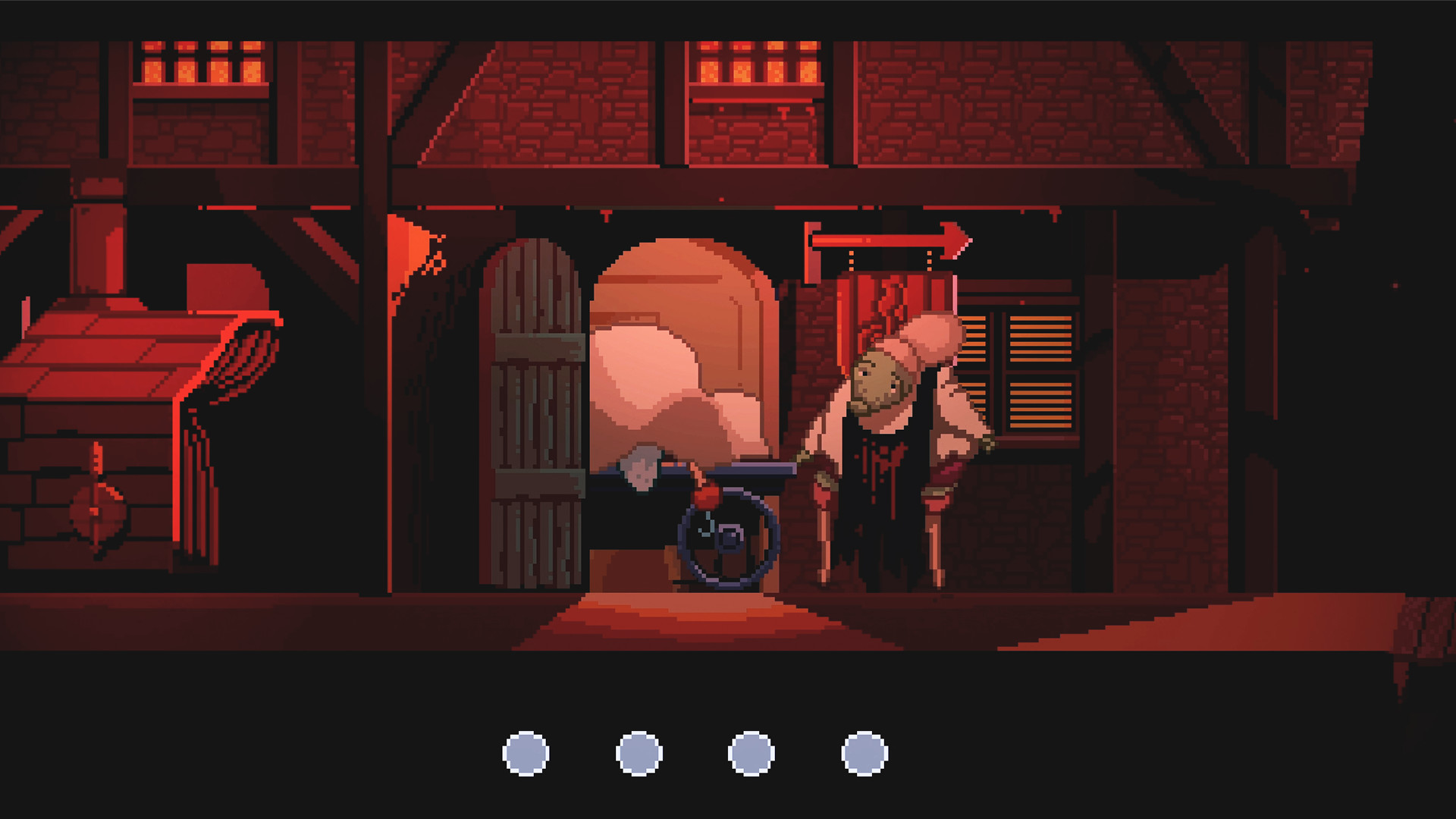
The Supper is Octavi Navarro's short point-and-click adventure about preparing a meal at Ms. Appleton's tavern. Finding ingredients and solving puzzles supply the interaction; the dark premise supplies the reason to pay attention to what those ingredients are for.
Its store lists play without timed input and a mouse-only option. That makes it worth considering if action horror is the obstacle, although those features do not make its subject matter gentle.
The paid PDF art book and soundtrack are optional extras. Neither is a missing final chapter. You can finish the adventure before deciding whether to support the creator through those purchases.
The limitation is its scale. Come for a compact, macabre puzzle story. Expecting a long campaign because another free game offers one would miss what this particular game is offering.
What Steam's review numbers add
The following is a dated check of all-time reviews, using all languages and purchase types with Steam's off-topic filtering enabled. The count matters as much as the percentage: a rating supported by a few thousand reviews describes a different sample from one supported by hundreds of thousands.
| Game | Reviews | Positive share |
|---|---|---|
| Cry of Fear | 88,342 | 88.7% |
| Doki Doki Literature Club! | 229,548 | 96.5% |
| Dagon: by H. P. Lovecraft | 12,426 | 95.0% |
| We Went Back | 4,786 | 85.5% |
| The Supper | 4,471 | 98.5% |
These are observations from 26 October, not live counters. The retained data records each query and collection time. Reviews can be edited or removed, and the people who leave them are not a random sample of everyone who might play.
The table helps check that a recommendation has an audience behind it. It cannot measure how frightening a game will be for you, whether your PC will run it well, or whether reading a visual novel sounds appealing tonight. We have not ranked these games by a decimal point.
A free game still costs your evening
Start with the format, then consider the price. Cry of Fear offers a campaign to work through. Doki Doki Literature Club asks you to read. Dagon asks you to listen and look. We Went Back and The Supper give you different kinds of puzzles to solve.
That is a more useful choice than treating five download buttons as five interchangeable bargains. A game you abandon because the format annoys you has still used your time, even if the checkout total was zero.
The same rule explains the omissions. A free first chapter, a promotional trial and a permanently free story are different offers. Demos can be excellent ways to choose a purchase, but they belong in a guide that makes that purpose clear.
Pick one of these, read its content warning and check its system requirements. Finish the short experience you actually want before filling a library with the ones you feel obliged to try. There is no shortage of free downloads; the useful part is finding an evening worth giving them.
If you decide to spend money next, our main horror recommendations compare the different styles, while the horror price study explains what a dated budget comparison can and cannot tell you. Our editorial methods cover how these checks are made.