Steam's Discovery Problem: How to Actually Find Good Indie Games in 2026
Steam publishes 14,000+ games per year. The algorithm is optimised for engagement, not quality. Here's how to actually find the good ones.

TL;DR
- Steam published 14,000+ games in each of the last two years -- the algorithm optimises for likely purchases, not likely enjoyment.
- Practical methods for actually finding good games, not just a complaint about the discovery problem.
- The gap this article and site exist to fill directly.
Steam published over 14,000 games in 2024. The year before that, over 14,000 again. The platform is not a curation system. It is a publishing platform with a discovery layer built on top, and that discovery layer was optimised to surface games people are likely to buy -- not games they are likely to enjoy.
Those are different objectives. I have been navigating Steam's discovery problem for years, and the methods that actually work are almost none of the ones the platform itself provides.
Here is what actually works.
Why the Algorithm Fails You
Steam's discovery algorithm works from your purchase history, wishlist activity, and behaviour patterns of people with similar histories. It optimises for purchasing probability. A game that your purchase history suggests you might buy gets surfaced. A game that you would love but has no connection to your purchase history does not.
This is a reasonable algorithm for a commercial platform. It is a terrible algorithm for finding games worth playing.
The more important structural problem is Steam's visibility cliff. A game that does not generate significant sales in its launch window falls off the platform's front-facing surfaces and becomes effectively invisible. The games that survive the launch window are the ones with marketing budgets, existing audiences, or influencer coverage. The games that do not survive are frequently the most interesting ones -- made by small teams without marketing infrastructure, relying entirely on word of mouth.
I have played games with 84 on Metacritic that I discovered years after release because the algorithm never surfaced them. Darkwood. Caves of Qud. Pathologic 2. All exceptional. All invisible to anyone who was not specifically looking for them. The algorithm did not help. It rarely does for games of that kind.
Steam Curator Lists: The Platform's Most Underused Feature
Steam allows any account to create a curator list and recommend games. The curators worth following are not the ones with the largest follower counts -- they are the ones whose taste overlaps with yours.
Finding the right curators requires some initial work: look at games you loved that were not mainstream releases and check which curators recommended them. Follow those curators. Their other recommendations become a personalised feed that is aligned with your actual taste rather than your purchase history.
I follow approximately twelve curators on Steam. Each one specialises in a different area -- horror, narrative, strategy, roguelites. Between them they surface far more relevant games than Steam's algorithmic recommendations ever have. The upfront investment in finding good curators pays off continuously.
The curators worth finding are usually not the obvious ones. The obvious ones have audience sizes that cause their recommendations to be crowded with games from developers seeking promotion. The best curators are smaller, more specific, and more trusted within their focus area.
itch.io: Where the Interesting Games Are Before Steam Gets Them
itch.io is where games live that are too experimental, too small, too weird, or too personal for Steam. The discovery tools are significantly worse than Steam's. The games are often significantly more interesting.
Games that went on to become significant Steam releases started as itch.io projects. Browsing recent uploads sorted by popularity for an hour a month surfaces things the Steam algorithm will not show you for years, if ever.
itch.io also operates on a pay-what-you-want model for many games and regular bundle sales that make large catalogues available for very low prices. I have found more games I genuinely loved through itch.io than through any other discovery method.
Buried Treasure: The Newsletter Worth Reading
John Walker's Buried Treasure is a newsletter specifically dedicated to finding overlooked games on Steam. The methodology is systematic -- Walker plays and reviews games that have been missed rather than games generating current coverage. The writing is good. The recommendations are reliable.
If I had to recommend one external source specifically for finding games the algorithm missed, Buried Treasure is it. Subscribe to it. Read it. Your backlog will become uncomfortably long.
The Wishlist as a Discovery Strategy
Add anything that looks interesting to your wishlist immediately, without buying it. This habit serves two purposes.
First, it signals to Steam's algorithm what kinds of games you are interested in, which improves your personalised discovery over time. The algorithm responds to wishlist activity as a signal of genuine interest.
Second, it creates a queue that you can work through during Steam sales. Games on sale 6-12 months post-launch are typically discounted 30-50%. Games 2-3 years post-launch are often 70-90% off. A managed wishlist combined with patience means paying full price is optional for almost everything.
My practical approach: add anything interesting immediately, check the wishlist at the start of each major Steam sale, buy whatever is still interesting at the reduced price. I have not paid full price for a game I was not certain about in years.
How to Read Reviews Usefully
Not all reviews are equally informative. A few signals are worth specifically looking for.
Specificity is the most reliable quality indicator. "The parry system is satisfying because the timing window is learnable but punishing enough to matter" is more useful than "great gameplay." Specific descriptions of mechanics and how they feel indicate a reviewer who actually engaged with the game rather than summarising a marketing description.
Developer communication tells you something about the team. Studios that post regular updates, respond to reviews, and communicate directly with players tend to make better games. It is not universal but it is a reliable correlate of a team that cares about the product.
Recent negative reviews are more informative than overall score for live service games or heavily patched games. A game that launched well and deteriorated, or launched poorly and was genuinely fixed, will have an overall score that does not reflect current state. Sort by "Recent" and read what is there.
The Honest Conclusion
Steam has no incentive to make discovery harder for bad games because bad games pay the same 30% revenue cut that good games pay. The discovery problem is not a bug. It is the natural output of a platform that is commercially indifferent to quality.
The solution is building your own discovery infrastructure: curators you trust, communities with taste overlapping yours, a wishlist that reflects genuine interest rather than marketing impulse. The games are there. The platform has decided not to find them for you.
That is annoying. It is also not going to change. So find the curators, subscribe to the newsletter, and spend an afternoon on itch.io. The backlog you build will last you years.
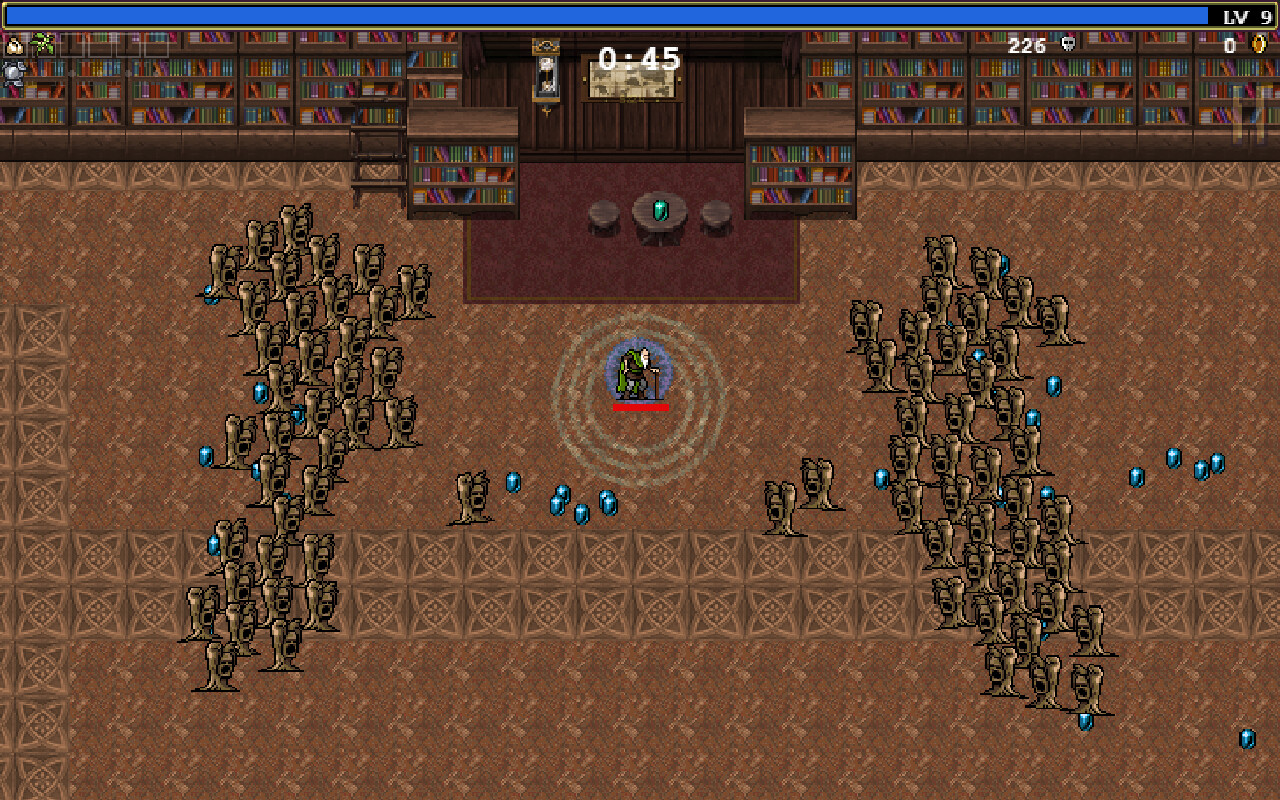
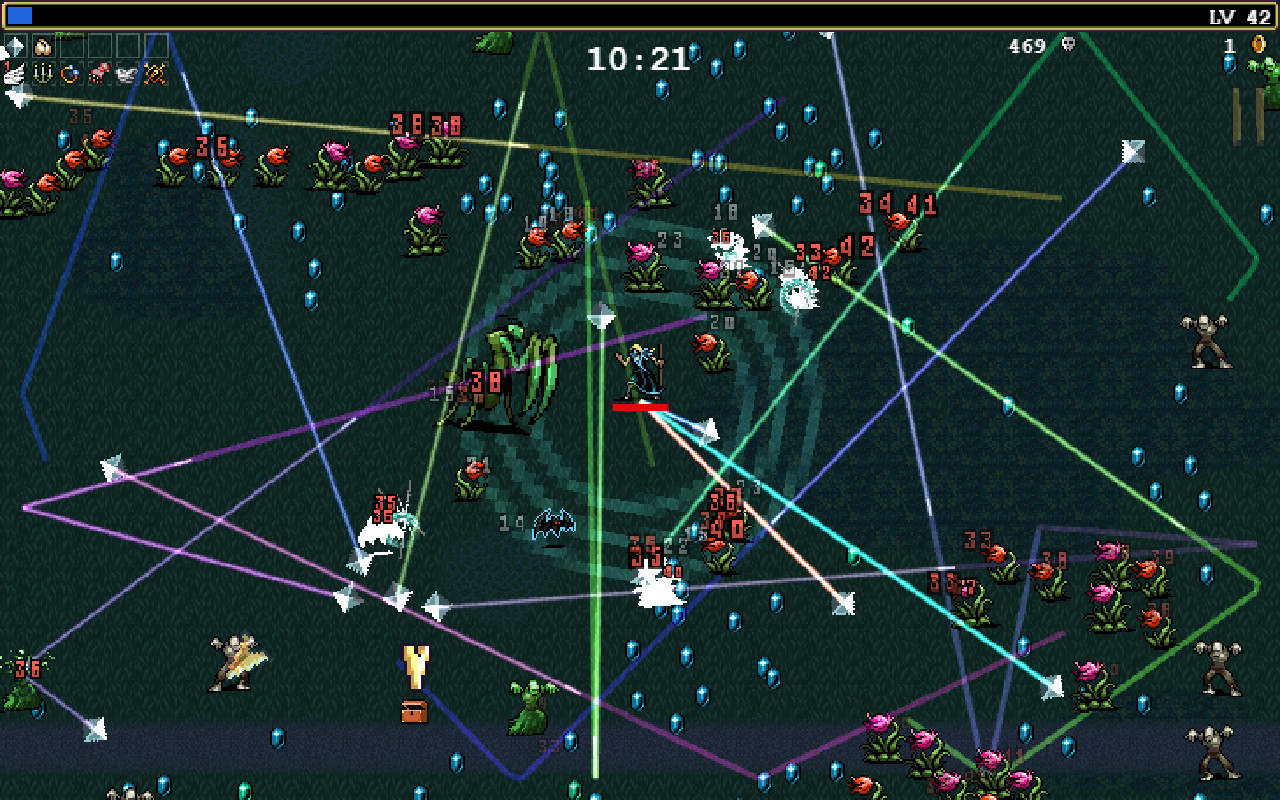
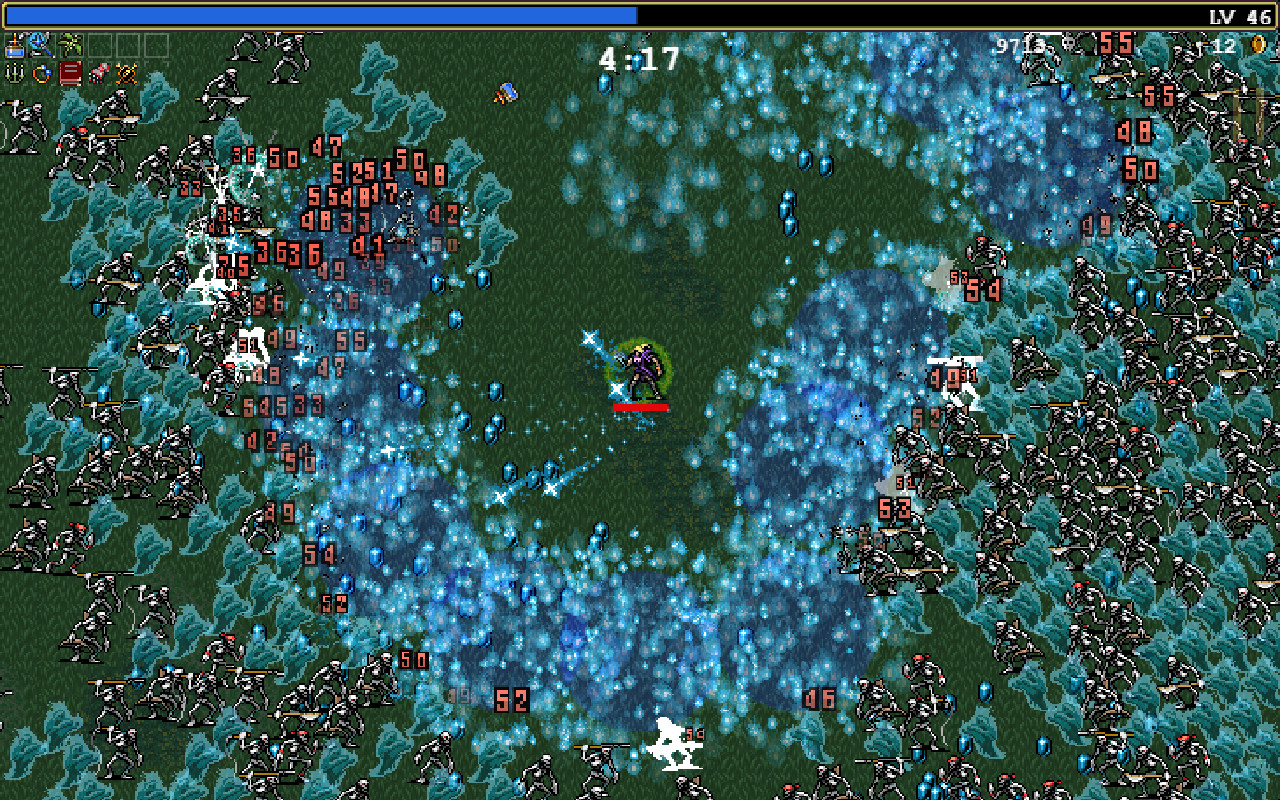
Vampire Survivors is $4.99 and the best example of a game that found its audience through word of mouth rather than algorithmic discovery. Start there, then build the discovery infrastructure to find the next one.
Buy Vampire Survivors on Steam | Browse itch.io | Buried Treasure newsletter