Signalis Is the Best Horror Game of the Last Decade and Nobody Talked About It
A two-person team made a survival horror game that references Resident Evil, Silent Hill, and Evangelion simultaneously, pulls all of it off, and left just about everyone speechless.

TL;DR
- Two people, six years -- and by this argument, better than any AAA survival horror release the same decade.
- Late-90s Resident Evil structure fused with Evangelion, Solaris, and King in Yellow mythology as real architecture.
- $16.79. Multiple endings genuinely reward a second playthrough.
Buy it. $16.79 on Steam. Two people made it over six years. It is better than any survival horror game a major publisher has shipped in the last decade, including every Resident Evil entry from that period, and I make that comparison deliberately rather than casually.
Signalis was released in October 2022. rose-engine, Yuri Stern and Barbara Wittmann, worked on it independently for approximately six years. It received an 84 on Metacritic, solid coverage from horror-focused outlets, and then quietly disappeared from the broader cultural conversation while games with ten times the budget occupied the discourse.
Two people made something exceptional. The industry filed it correctly by its metrics and moved on. This happens constantly and it still bothers me every single time.
What You Are Actually Playing
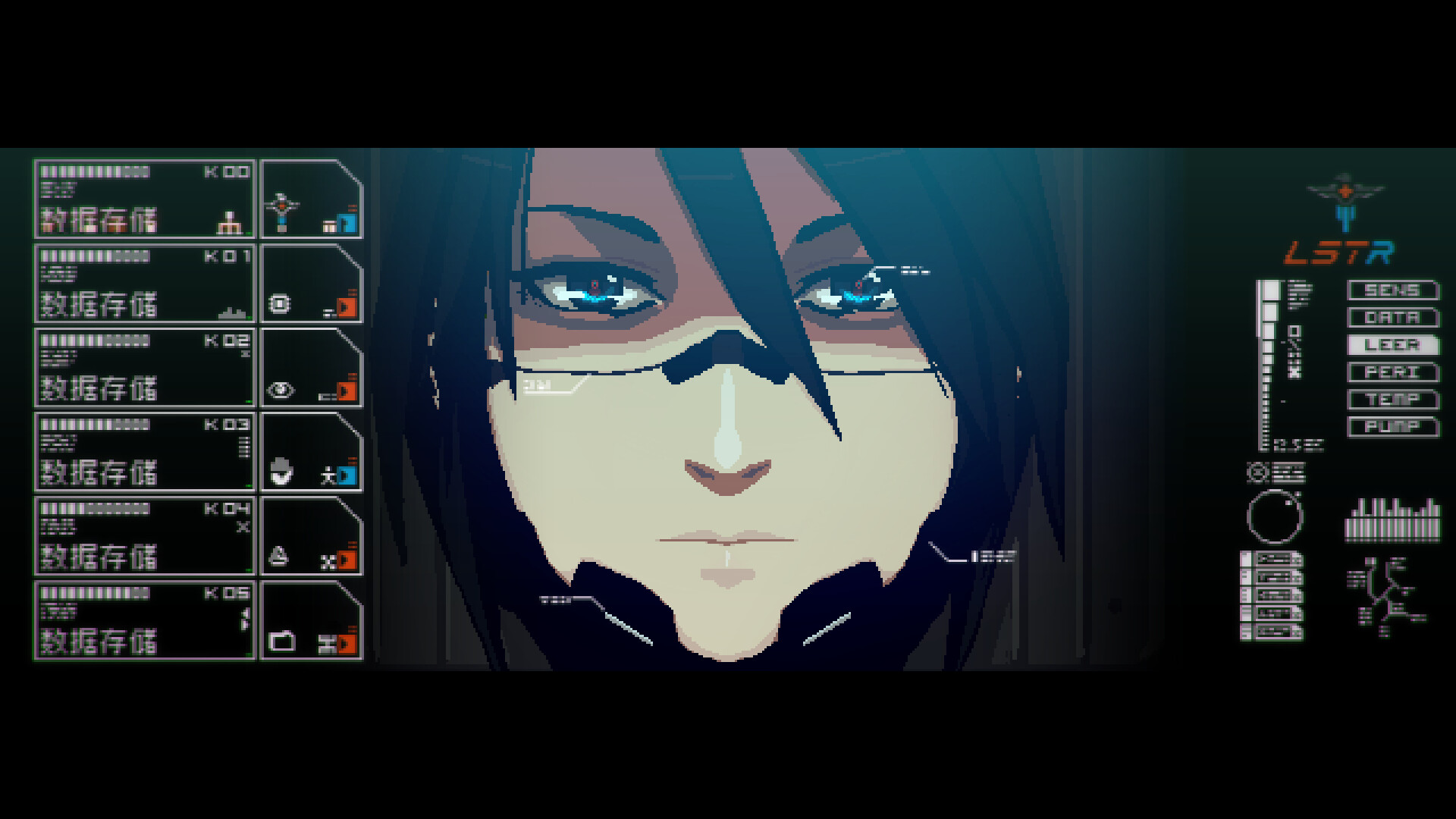
You play as Elster, a REPLIIKA android who has crashed on a remote mining planet searching for her partner Ariane. The facility you explore has been affected by something that has transformed the workers into distorted versions of themselves. Resources are scarce. Your inventory limit is six items. Every decision about what to carry has consequences that persist across an entire area.
The mechanical foundation is late-90s Resident Evil, applied with intention rather than nostalgia. The fixed inventory creates genuine strategic tension. Ammunition is limited enough that shooting through every encounter is not viable. Enemies are dangerous enough that running past everything is not viable either. You learn the facility layouts through exploration. You backtrack through them multiple times. You make mistakes and carry them.
I died multiple times in my playthrough making decisions I understood to be wrong and could not avoid given what I had available. The resource pressure is real and the game does not apologise for it.
What is notable is that the mechanical limitations do not feel like budget constraints. They feel like creative decisions. The six-item inventory creates specific strategic thinking that a larger inventory would dissolve. The fixed camera perspectives communicate information about the environment that a fully free camera would not. The deliberate frame rate and resolution are part of the atmosphere rather than signs of technical limitation. rose-engine made every mechanical decision in service of a specific vision for what the game should feel like, and the result is a game whose constraints are indistinguishable from its design.
The Horror Design Specifically
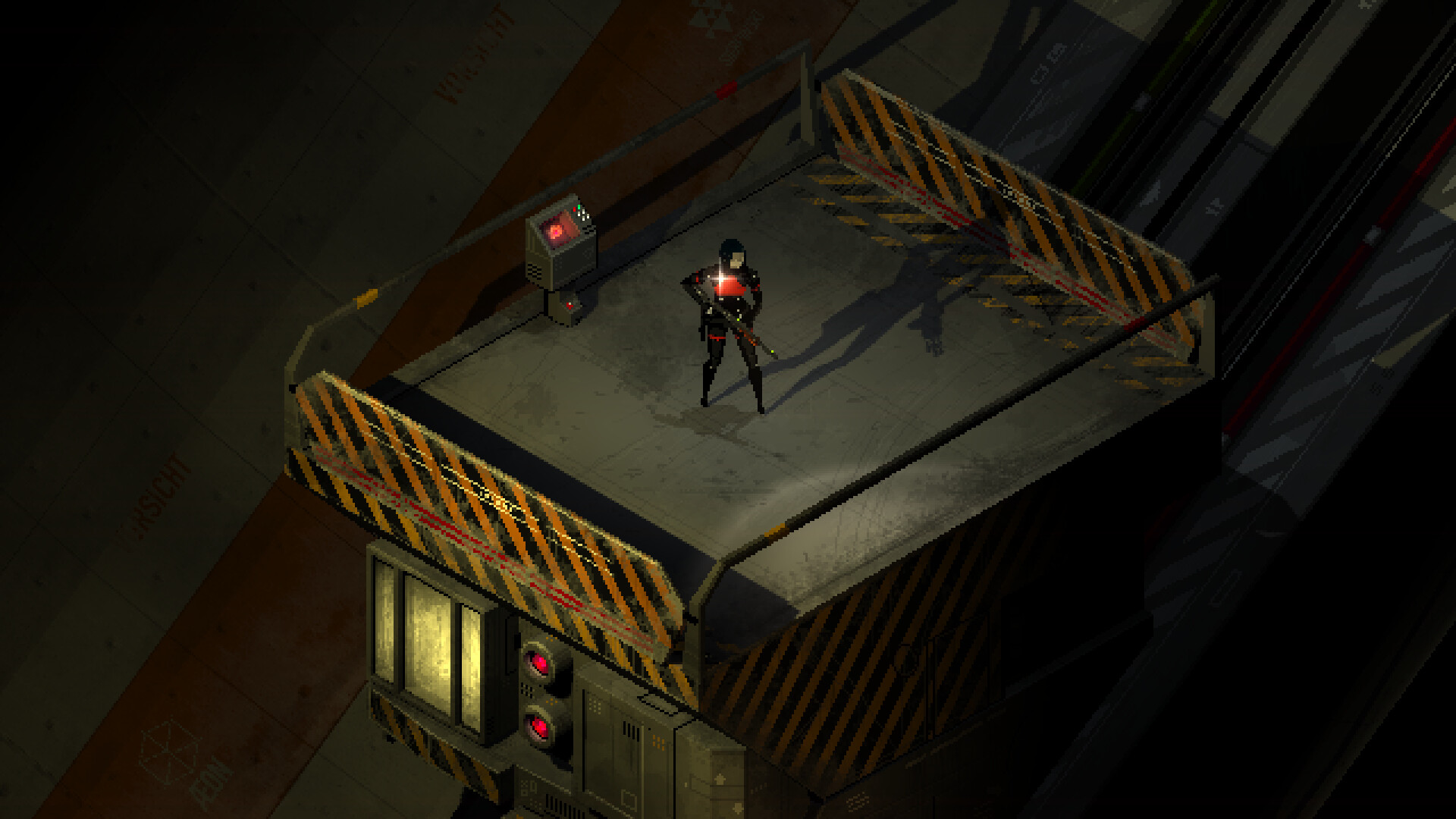
The game's horror is worth examining specifically because it is achieving something different from most survival horror releases.
Signalis is not a game about jump scares or sustained atmospheric dread in the conventional sense. The horror is stranger than that. It comes from the sense that the world you are moving through has its own internal logic that you do not fully understand and that the game is not going to fully explain. The enemies are wrong but wrong in a specific way: they feel like they were once people doing jobs, now doing the same movements in degraded form. The facility feels like it was once functional, now running on something other than its original purpose.
This specific quality, wrongness that implies a history of rightness, is very difficult to achieve. It requires that the environment feel like it has a past independent of the player's arrival. Signalis achieves this through the environmental detail in the facility's un-affected sections: the personal effects in the quarters, the operational records that describe a functioning organisation, the design of the systems you interact with implying they were built for purposes you are not here to serve.
By the time the horror escalates, you have invested in the facility as a place rather than as a game environment. The wrongness lands with weight because you have a sense of what right used to look like.
I have played survival horror games with $50M budgets that could not produce this quality. The Resident Evil remakes are technically extraordinary and atmospherically competent. They do not produce the specific uncanny weight that Signalis produces, because they were made by studios focused on delivering a polished genre product rather than by two people trying to make something that expressed a specific vision of what horror could communicate. These are not the same activity, and the difference is visible in the output.
The distinction between a polished horror product and a horror game made by people with something specific to say is legible in the first hour of play. A horror product produces designed fear moments at designed intervals using established techniques. A horror game made from genuine vision produces something stranger and harder to predict, because the designer's specific obsessions are shaping what happens rather than a genre template. Signalis falls clearly into the second category and the first hour tells you so.
The Narrative Architecture
On the surface: Elster looking for Ariane. Underneath, the game is doing several things simultaneously with genuine intellectual ambition.
It draws structurally from Neon Genesis Evangelion's psychological framework and visual language. It references Stanislaw Lem's Solaris, specifically the idea that an alien intelligence can only be encountered through the observer's own psychology, producing a reflection rather than a contact. It engages with the Robert W. Chambers mythology around the King in Yellow. And it is a story about what it means to have been built with a purpose rather than to have chosen one.
These are not Easter eggs for recognition. They are structural elements. The Jungian archetypes appear as characters. The Chambers cosmology shapes what has happened on this planet. Solaris's central concern operates beneath the entire surface narrative.
Signalis trusts you to engage with this material or to experience the game at a surface level and still find it affecting. It does not explain itself. The multiple endings do not provide clean resolution. The ambiguity is not a failure of clarity. The game is about fracture, and its narrative structure mirrors that. I played through it twice and understood different things each time.
The Elster and Ariane relationship is what makes the narrative work emotionally rather than purely intellectually. Abstract ideas about identity and purpose need something to anchor them to. That anchor is the specific love between two people and what one of them is willing to do, and keep doing, and keep doing again, in search of the other. The game's final image carries the full weight of everything that has come before it.
I want to name something specific about how the narrative handles its influences, because it distinguishes Signalis from games that reference things to seem interesting rather than because the references are doing structural work. The Evangelion influence is not about aesthetics borrowed for recognition value. The specific psychological framework that Evangelion uses, the way it represents dissociation and identity fracture through visual language, is applied because it communicates something about Elster's experience that other visual approaches would not. The Solaris reference is not a nod to a canonical science fiction text. The specific concern in Lem's novel, that what we encounter in the unknown is always filtered through our own psychology rather than existing independently of it, is the conceptual engine of what has happened on this planet. These are not decorations. They are the architecture.
Why the Art Is a Tool, Not a Limitation
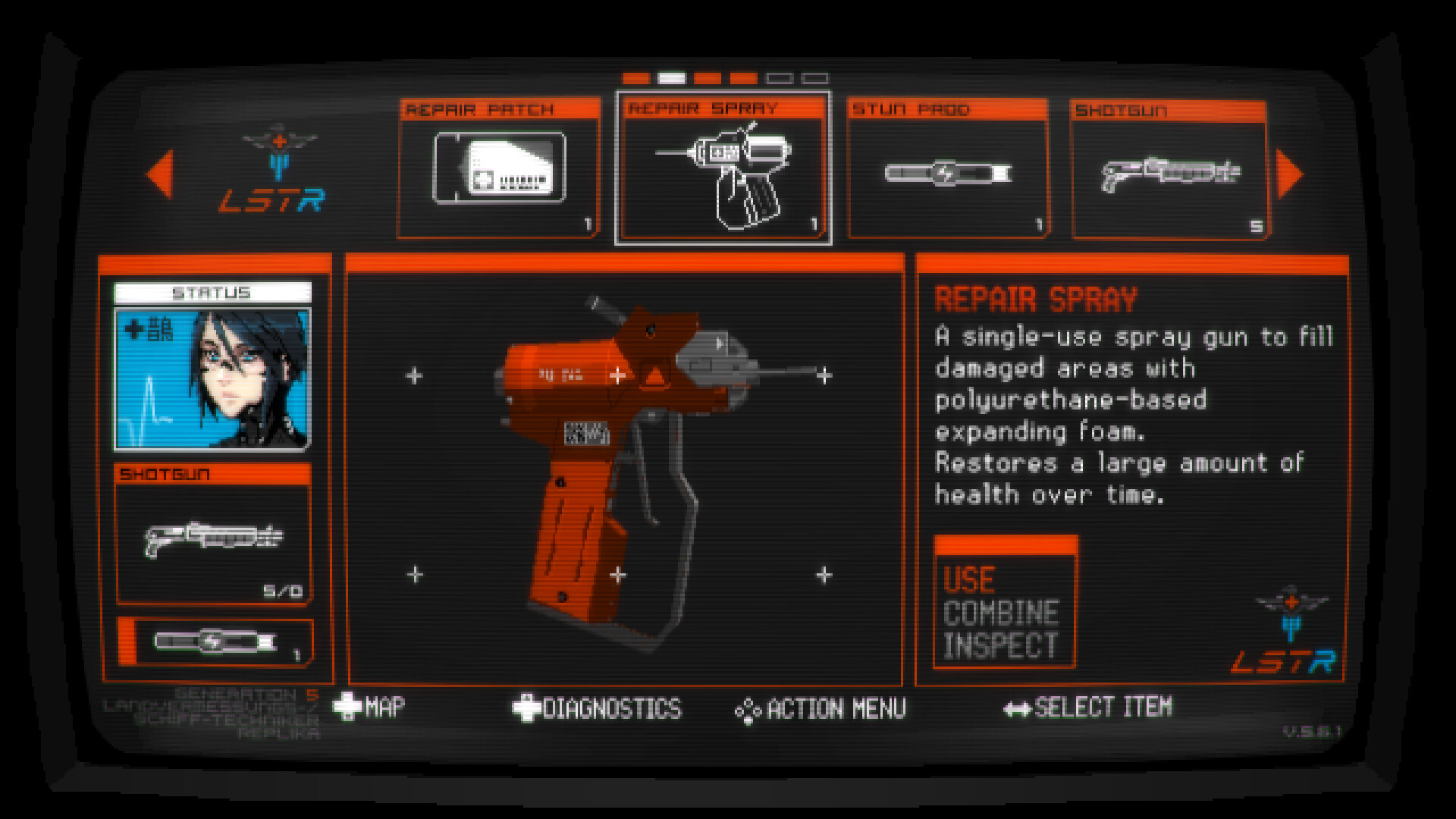
The pixel art aesthetic is sometimes read as a budget compromise by people who have not played the game. It is not. It is a creative decision deployed with intention.
A limited palette and restricted resolution create a visual register that feels genuinely alien rather than merely stylised. The facility is claustrophobic in specific rather than generic ways. The enemy designs are disturbing in the correct sense: wrong proportions, wrong movement rhythms, sounds that are slightly and unmistakably off. Not designed to be frightening in a conventional creature-feature way. Designed to create the feeling that something fundamental about the world has shifted.
The soundtrack rose-engine assembled is among the best in horror gaming. It moves between industrial ambient and something closer to melancholy, with periodic intrusions of music that should not be comforting but somehow is. The tonal shifts mirror Elster's psychological state without calling attention to themselves. The game knows when to be quiet.
Capcom has the RE Engine, one of the most technically sophisticated graphics technologies available, and cannot produce a survival horror game as atmospherically coherent as Signalis. Every RE Engine horror game since RE7 has been technically extraordinary and tonally slightly off. They look incredible. They do not feel like Signalis feels.
rose-engine had two people and six years. They made something that stands alongside the best work the genre has ever produced. It is there because they were allowed to make exactly the game they wanted to make, without a publisher asking whether the non-linear narrative would confuse mainstream players, without a marketing team concerned about whether the six-item inventory would generate social media complaints.
Signalis is exactly as strange and as unresolved as it needs to be. The infuriating thing is that it took two people working independently to produce what the genre actually needs, while studios with hundreds of millions of dollars keep making things that are technically impressive and emotionally inert. That gap tells you everything about what the commercial system optimises for, and everything about why the games worth caring about are increasingly coming from outside it.
What rose-engine Did That Cannot Be Commissioned
The specific quality that makes Signalis exceptional is not something that can be specified in a development brief. You cannot tell a team to make something that feels like a person had a specific obsession and spent years working out how to express it in a game. You can only make something like that by being a person with a specific obsession and having the conditions to work it out over years.
rose-engine had both. The game's references to Evangelion and Solaris and the King in Yellow are not intellectual decorations. They are evidence of two people who were genuinely interested in these things working out what a horror game that engaged seriously with them would look like. That interest is legible in every design decision, from the enemy archetypes to the narrative structure to the visual language. The game is the output of sustained genuine thought about specific things, and that quality cannot be manufactured.
This is worth naming because it explains why the commercial horror market cannot produce Signalis by deploying more resources. The resource constraint is not the limiting factor. The limiting factor is whether the people making the game have something specific to say and the conditions to say it. rose-engine did. Most commercial studios do not, not because the people inside them lack the capacity, but because the conditions for that kind of work do not exist inside commercial production timelines and publisher oversight structures.
Buy it directly. Tell people about it. The studios making this kind of work survive on word of mouth because the algorithm does not surface them and publishers do not fund them.
The horror genre is in a strange position in 2026: technically more capable than it has ever been, and producing fewer games that genuinely disturb people than it did in the early 2000s. The production values have scaled. The creative ambition has not always kept pace. What is missing is not technology or budget. It is the specific quality that Signalis has in abundance: a game made by people who understood exactly what they were trying to say and spent six years working out how to say it in the medium of games rather than in any other medium. That specificity is rare. When it appears, it deserves more than an 84 on Metacritic and a quiet disappearance from the cultural conversation.
It is $16.79. There is no excuse for not having played it. The game has been out since 2022 and it is still substantially cheaper than a single AAA game that will occupy your time for fewer hours and stay with you for far less of your life after you finish it.
Signalis is available on PC, PS4, Xbox, and Switch. $16.79. Two people. Six years. One of the best horror games ever made. And almost nobody talked about it, which is the most depressing sentence I have written in this entire article.
Buy on Steam | rose-engine
Also follow rose-engine on whatever platform they are on. Independent studios making work this good deserve direct attention, not just algorithmic discovery.
Game at a glance
| Detail | Answer |
|---|---|
| Genre | Survival Horror |
| Typical length | 6-10 hrs |
| Difficulty | Moderate |
| Play mode | Single player |
| Developer | rose-engine |