Silver Pines Review: One of the Best Horror Games of 2026
Survival horror Metroidvania set in an evacuated Pacific Northwest motel. A knife that breaks, a coin-operated save system, and five bullets to your name. It's brilliant.

TL;DR
- Verdict: buy it. A confident survival horror Metroidvania with real scares, smart resource design, and a mystery worth following. One of the best indie horror games of 2026.
- Herb crafting, knife durability, duct tape repair, and a coin-operated payphone save system. The resource loop is Resident Evil's DNA used well.
- Metroidvania structure done properly: interconnected motel grounds gated by keys, fuses, and a crowbar. Backtracking feels earned, not arbitrary.
- The darkness sections are the real thing. Pitch black. No torch. Enemies moving somewhere in it.
- $24.99 on Steam. Currently $22.49 with the launch discount until 23rd October 2026.
import YouTubeEmbed from "@/components/YouTubeEmbed"
Verdict: buy it.
Silver Pines is a survival horror Metroidvania developed and published by Wych Elm Games, released on the 8th of October 2026. It is one of the best horror games I have played all year. $24.99 on Steam, currently $22.49 until the 23rd of October. A private investigator, a missing musician, an evacuated Pacific Northwest motel, and something very wrong with the local meat supply. I went in expecting a decent horror game. What I got was a confident, mechanically sharp, genuinely frightening one. Pay for it now.
Silver Pines' Oldest Diner, Established 1861
The game does not waste time explaining itself.
You are a PI. You have arrived in Silver Pines during a weather evacuation warning, hired to find Eddie Velvet, age 25 to 35, musician, occupation: question mark. A photo in your case file shows a man with a Flying V guitar. He has a matching V on the back of his jacket. That is most of what you have to go on.
The diner you start in does the rest of the work. A commemorative plaque mounted on the wall, established 1861. A jukebox packed with 50s nostalgia records that will not turn on, power gone or licensing too expensive. A small ring box sitting in the men's room sink, like someone put it there mid-proposal and never came back. A radio in the kitchen cycling through emergency frequencies: stay indoors, be ready to evacuate at a moment's notice, this is not a drill.
None of it is highlighted. None of it has a quest marker. It just sits there, slightly wrong, and lets you decide what to make of it.
This is the first thing Silver Pines gets right: it trusts the player. The motel has a history, the town has a history, and the game lays both out in notes, diary entries, photographs, and environmental details for you to find at your own pace. The investigation into Alice Baker, the local girl whose disappearance the sheriff department has declined to comment on, runs in parallel to the Eddie Velvet case. Both threads breathe. Neither is over-explained.
The sound design sets the tone immediately. Sound effects that are immediately interesting: the creak of a building under wind, the specific quality of silence in a room where something has recently happened, audio cues that tell you the world around you is inhabited in ways you cannot yet see. The animation on your character is clean and deliberate. It reads as quality on first contact, the kind of attention to small details that tells you the developers cared about the whole thing and not just the headline features.
By the time I found the underpass key and started working into the motel grounds, I had a head full of questions and no intention of stopping.
Herbs, Duct Tape, and a Knife That Will Let You Down
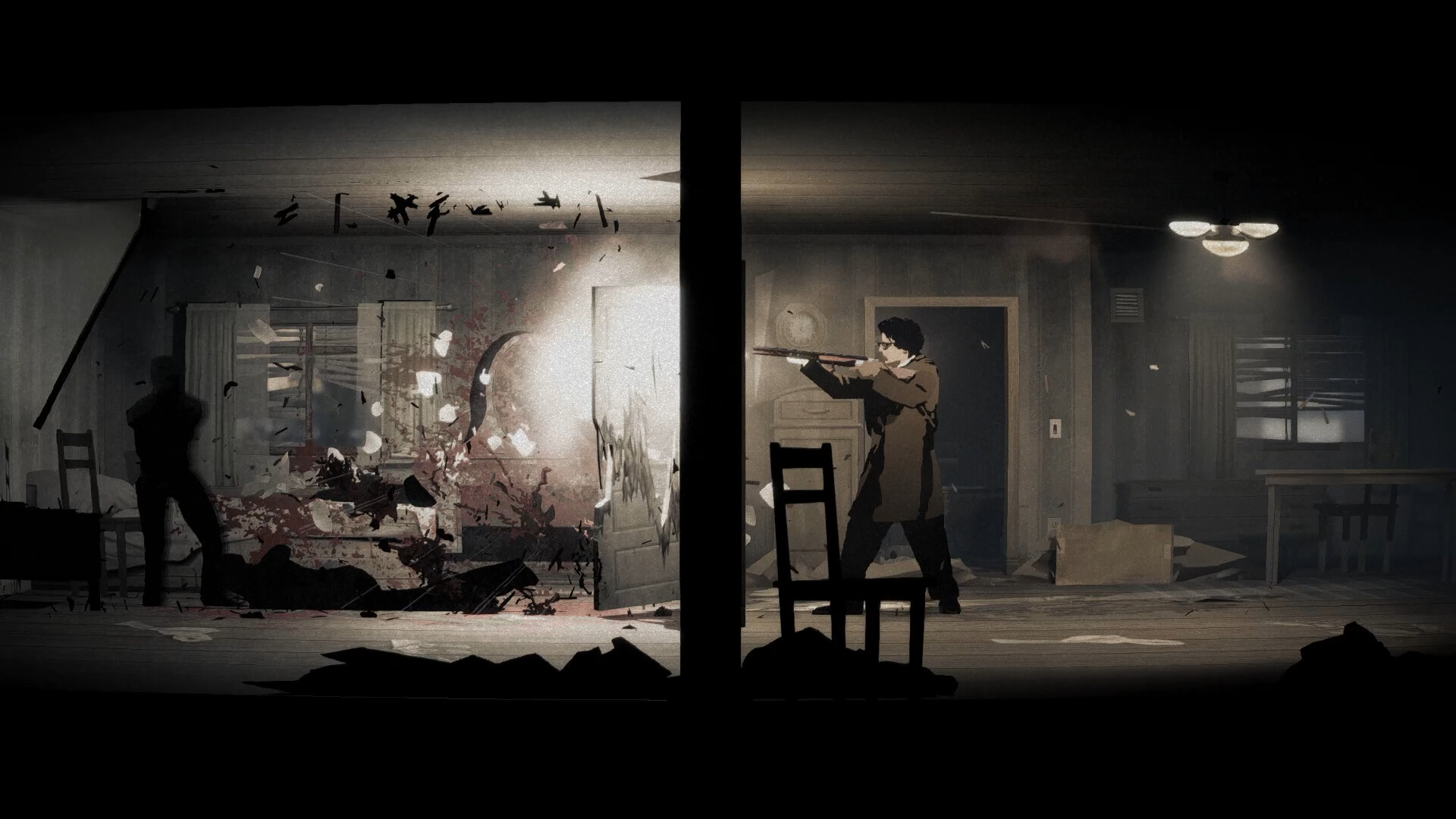
The survival systems owe a clear debt to classic Resident Evil, and Silver Pines earns that comparison.
You will find flat-leaf herbs with medicinal properties in overgrown corners of the motel grounds. You will learn that they can be consumed alone for a mild healing effect or combined with empty glass bottles and other items to create more effective tonics. You will manage an inventory with numbered slots that forces real decisions about what you carry and what you leave behind.
The knife is your primary weapon early on, and it degrades. Not in a way that is telegraphed aggressively, but in a way you will feel through play. You enter a difficult encounter with a solid blade and exit needing to check the durability indicator. Duct tape repairs it. Duct tape is scarce. Every roll you find becomes something you evaluate before using.
Is this the right moment? Can I push through one more encounter without repairing? Is there something worse coming that will need a good blade more than this section does?
These are small decisions. Silver Pines makes them feel meaningful because the scarcity is real and the consequences of misjudging it are immediate. The herb and bottle crafting adds another layer: you are constantly making triage calls about your resources, combining items for efficiency or holding them separate for flexibility, and the game does not tell you which choice is correct.
The save system is one of the smartest things about Silver Pines. Coin-operated payphones. You need a coin to save. Coins are not handed out freely. The game frames saving as your PI character calling in a client update on the job, which is clean narrative framing for what could otherwise feel like arbitrary restriction. When you are down to your last coin and you have just come through a rough encounter without a checkpoint, the decision of when to spend it is a genuinely interesting one.
I have played games that justify their unusual save systems as immersive design and deliver tedium. Silver Pines earns it.
Keys, Fuses, and the Map You Will Learn to Read
Silver Pines commits to its Metroidvania structure properly, and that structure holds up.
The motel grounds are interconnected. Locked doors need keys you have not found yet. Circuit boxes need fuses. A padlocked gate requires a crowbar you will find somewhere else entirely. Every item you pick up is a door you will eventually be able to open, and the game seeds those items across the map with enough thought that tracking back to use them feels satisfying rather than arbitrary.
When it clicked for me that everything needed either a key or a fuse, the design locked into place in a way that told me the layout was intentional. You are not wandering a random map. You are learning a space that was built to reward attention. Miss something on the first pass and you will find it on the second, now that you know what to look for and what it unlocks.
The BB pellet arcade machine is a highlight. There is a coin-operated shooting gallery in the motel games room. Winning earns you a key you need. You find a dispenser for BB rifle pellets, load up, take aim at targets including a bear. I shot terribly. Hit something on a reload, won by apparent accident, and got what I needed. I laughed.
That is exactly the kind of tonal shift a horror game needs at the right moment. The games room section breaks the tension just long enough before putting it back, and it is well-placed.
The power puzzle section stumped me properly. A fuse box controls the power. Power should logically unlock a room. The lights are not where I expected them and the switch is not where logic would put it. I sat there for longer than I will admit, pressing buttons, examining walls, talking to myself, until I worked it out through observation and stubbornness. Fair but not obvious. That is exactly where survival horror environmental puzzles should sit.

The Meat Locker
There is a point in Silver Pines where the game shows you what kind of horror it actually is.
You find a note in the storage area. The meat locker has a coded combination: 23 plus the current day of the month. The calendar on the wall gives you the date. You work it out. You open the door.
There are bags on hooks. The game prompts you to look closer. You read the tag attached to one of them.
Meat trims. Not for retail.
And then you understand what is in the bags. And then something moves at the far end of the corridor. And then you run.
What the fuck. What a reveal.
The first proper enemy encounter lands because the game has been patient with its build-up. It has spent time establishing the motel as a place where bad things have happened but where you are still in control, still the investigator working a case. The meat storage takes that away. You go from investigator to prey in about fifteen seconds, and Silver Pines commits to the shift without any softening.
The dog enemies introduced later are uncomfortable. I will be straightforward: I do not enjoy animal cruelty in horror games, and Silver Pines does not sugarcoat those sections. The horror is effective. Whether it is your kind of effective is a personal call, but it is in there and worth knowing about.
When the Lights Go Out
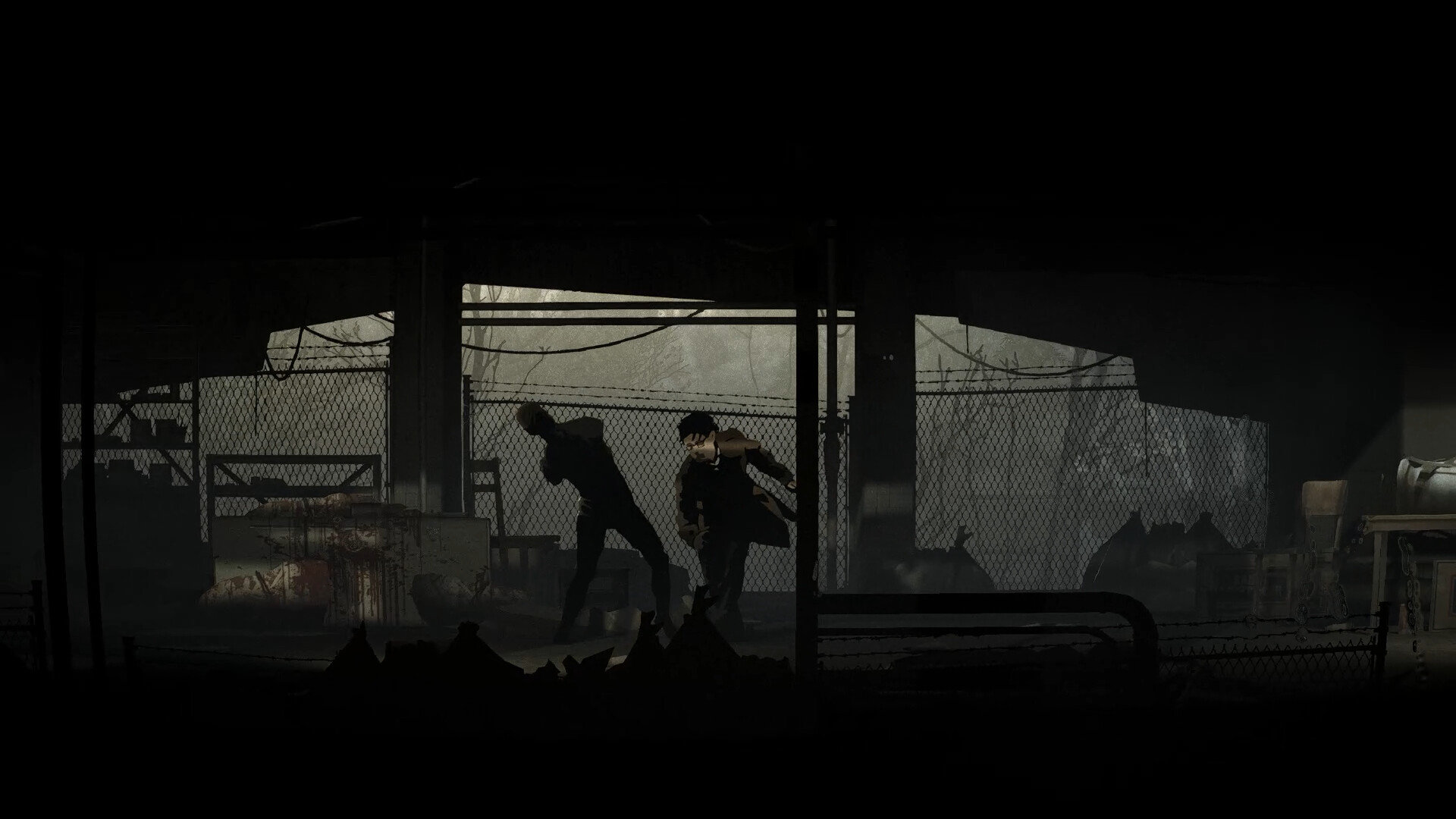
There is a section in Silver Pines where the electricity cuts and you have no torch.
Nothing. Pitch black. Shit. Enemies are moving somewhere in that darkness and you cannot see them.
It is the best horror design in the game.
What makes it work is that these sections are not jump scare delivery mechanisms. They are environments the game expects you to navigate seriously. The audio carries what the visuals cannot: the specific shuffle of something moving, the way a sound shifts when it gets closer, the direction an enemy is approaching from. You learn to stop moving and listen. You learn to pick your moments. You die a couple of times and then you move through it more deliberately, not because it gets easier but because you know the space now, and that knowledge is its own form of progress.
I found hands hanging from the ceiling in one of those sections. Just hanging there in the dark, above the path you have to take. Silver Pines understands what it is doing.
Five Bullets
The game's pistol is locked in a storage locker in the motel shop.
A note tells you the woman in room three knows the code to the weapon locker. So you go to room three. You find what she left behind. You open your inventory and see a pistol and five bullets.
Five. That is your firearm budget for a significant stretch of the game.
The ammo economy is severe in a way that keeps the pistol from making anything easier. You will still use your knife. You will still combine herbs. You will still ration duct tape for repairs. The pistol is a pressure valve for moments that have become unmanageable, not a solution to anything, and the game makes sure you never forget that.
Bollocks. I treated every bullet as if wasting one had consequences. The moment of finding the pistol, after a long stretch of melee-only navigation, felt earned in the way resource windfalls in survival horror should: genuine relief, immediately followed by the awareness that you cannot relax. Only five. Right. Make them count.
The knife breaking at the wrong moment, mid-fight, deep in a section you cannot easily back out of, produces a specific kind of panic that is very much intentional. Silver Pines builds its tension through the resource layer as much as through the enemy encounters, and the two work together cleanly.
What Does Not Work
The darkness sections are the game's best design and also its most likely point of frustration.
On Survival Horror difficulty the margin for error in pitch-black areas is very thin. Some deaths come from enemies you genuinely could not have anticipated rather than mistakes you made, and dying to those twice in the same corridor is a different experience from the intended tension. The best horror game deaths should feel like your fault. Some of these do not, and the line between the two is blurry in places.
The map could do more. Silver Pines accumulates locked doors quickly in the second half, and keeping track of which gate needs which key type, which box needs a fuse, and where you have and have not been becomes harder than it should be without annotation tools. A more functional map with basic marking capability would have helped without making the game easier. It is a small criticism but a real one after the third time you have run the same corridor trying to remember what you left undone there.
Backtracking is inherent to the Metroidvania structure and mostly earns its place. Occasionally it does not, and you will know those moments when they arrive: returning to a room for the third time with nothing new to observe and nothing yet to unlock. Short windows of busywork in an otherwise well-paced experience.
The Verdict
Wych Elm Games have made a proper survival horror Metroidvania on their first attempt. Silver Pines gets its fundamentals right, does not waste its atmosphere on cheap tricks, and builds genuine dread through resource management as much as through enemy design.
The payphone save system is clever and well-integrated. The knife durability and duct tape repair loop is satisfying. The herb crafting gives you real decisions. The Metroidvania structure holds up. The darkness sections are actually frightening in the way the genre promises and rarely delivers. The meat locker reveal is one of the best single horror moments I have encountered in a game this year.
The story of Eddie Velvet, Alice Baker, and whatever is happening to Silver Pines' meat supply and missing persons count is one I intend to finish. That is the most honest endorsement I can give a horror game: after all the dying, all the rationing, all the stumbling around in the dark, I still want to know what happens at the end.
At $24.99, currently $22.49 with the launch discount running until the 23rd of October, buy it on Steam before the full price comes back.
Score: 9/10