The 50 Best Indie Horror Games on Steam
The definitive horror guide's DNA, indie-only. Every genuinely independent horror title from the main pillar, ranked in the same order, plus twenty foundational classics and current cult favorites that earn their place on merit, not nostalgia.
TL;DR
- 50 indie-only horror games on Steam, no AAA or major-publisher titles anywhere on this list.
- The first 30 carry over directly from the main horror pillar, in the exact same relative order, because if a game is good enough to rank there, it's good enough to rank here.
- The other 20 are genre-defining classics and current cult favorites that never fit a mixed AAA/indie list: Cry of Fear, Yume Nikki, SCP - Containment Breach, Imscared, and more.
- Every entry earns its spot on atmosphere and dread, not horror aesthetics wrapped around a shooter or a power fantasy.
Steam's horror scene isn't really one scene. There's the AAA remake wave, Capcom and Konami finally getting it right again, and there's everything else: small teams, solo developers, and studios of two or three people building horror a bigger budget would never greenlight. The main horror pillar on this site ranks both camps against each other honestly. This is the other list: indie only, nothing here made by a studio with a publisher's marketing budget behind it.
The first thirty entries carry over directly from the main 50-game guide, in the exact same relative order they hold there. That's a deliberate rule, not an accident: if Amnesia ranks above Visage on the mixed list, it ranks above Visage here too. The AAA titles, the console-exclusive remakes, and a few borderline major-publisher-backed games got cut entirely rather than reranked around, because this list only works if "indie" means something specific and consistently applied.
The other twenty are new: foundational classics that shaped the genre before most current horror fans were playing games, and current cult favorites that never fit cleanly into a mixed list. A few of these, Cry of Fear, Yume Nikki, SCP - Containment Breach, Imscared, are the actual genre originators that games higher up this list (and the main pillar) owe a direct, provable debt to. Leaving them off would have been the bigger omission.
One honest note on data: the thirty carryover entries carry the same verified live Steam pricing and review data as the main pillar. All twenty new additions are now backed by confirmed Steam listings too, several of them older or freeware-adjacent titles that took real digging to track down, so treat those figures as the most recent confirmed snapshot rather than an automated live feed, refreshed on the same cadence as everything else here.
1. Amnesia: The Dark Descent
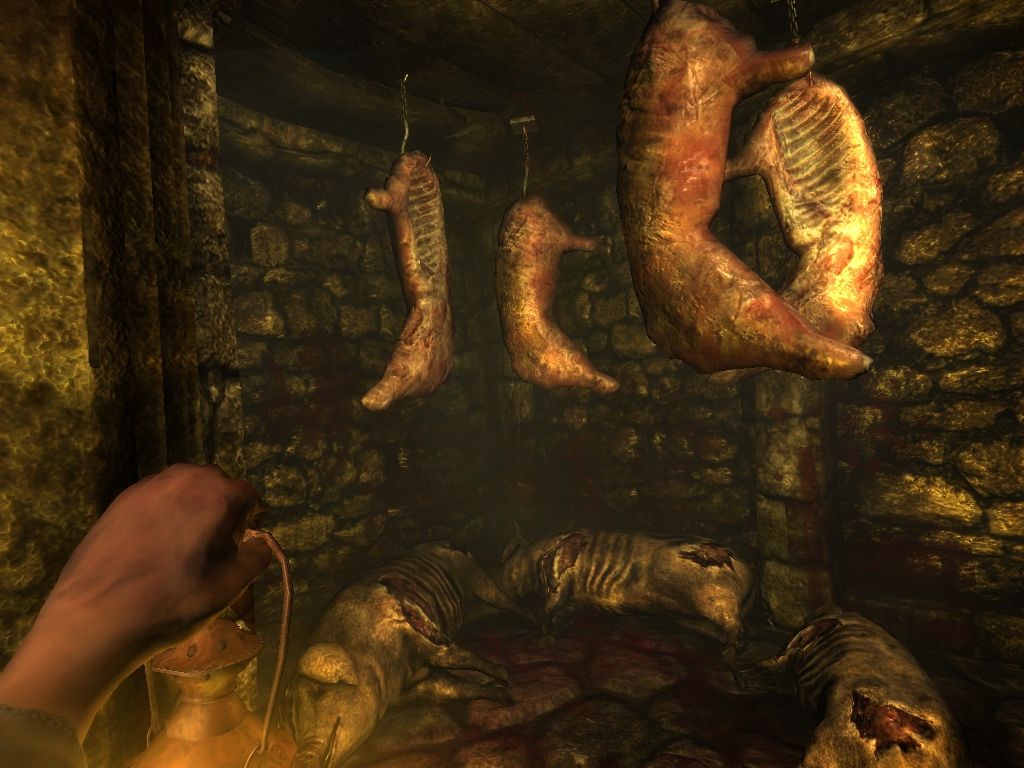
Still the benchmark. Sixteen years old and nothing has matched it. No weapons, a sanity meter that punishes you for looking directly at the things hunting you, and a castle that remains one of the best horror environments ever built. Frictional Games understood something most horror developers still haven't caught up to: vulnerability is more frightening than any monster design could ever be. You cannot fight back. You can only run, hide, and manage your own unraveling psychology as a resource alongside your actual survival.
The sanity mechanic is the whole thesis of the game distilled into one system. Stay in darkness too long, or stare too directly at a monster, and your grip on reality degrades along with your ability to navigate. It sounds like a gimmick described that way. In practice it's the most elegant piece of horror game design ever shipped, and every game on the back half of this list owes it something whether the developers admit it or not. Frictional never revisited the sequel-baiting title of "Dark Descent" with a numbered follow-up, and honestly, they didn't need to. What they built once was complete on arrival.
2. SOMA
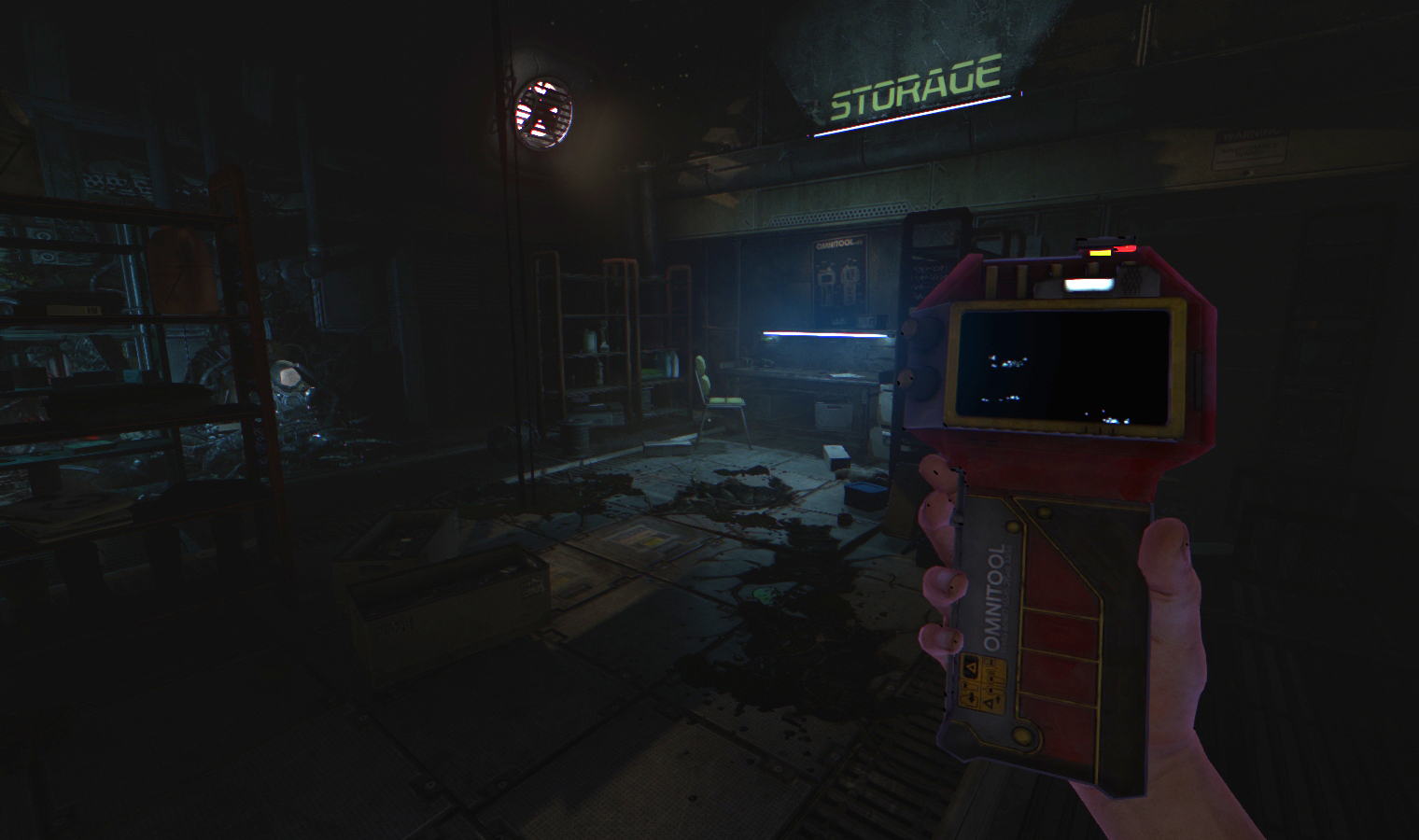
More disturbing than scary, which is exactly why it sits this high. SOMA is a philosophical horror game set at the bottom of the Atlantic in 2104 that asks genuinely unanswerable questions about consciousness and identity, and refuses to let you off the hook by answering them for you. I finished it, went to bed, and lay awake for the better part of an hour turning specific scenes over. That has not stopped happening in the years since.
Frictional built this on the same helpless, weapon-free foundation as Amnesia, but pointed the dread somewhere more existential. There's a moment about two-thirds through that recontextualises everything before it, and I'm not going to spoil it. Play it blind.
A Safe Mode exists that removes enemy danger entirely, which is worth knowing if the story is what draws you and the survival tension isn't. It doesn't make the experience lesser, just differently focused, and the story alone is worth the price of admission either way.
3. SIGNALIS
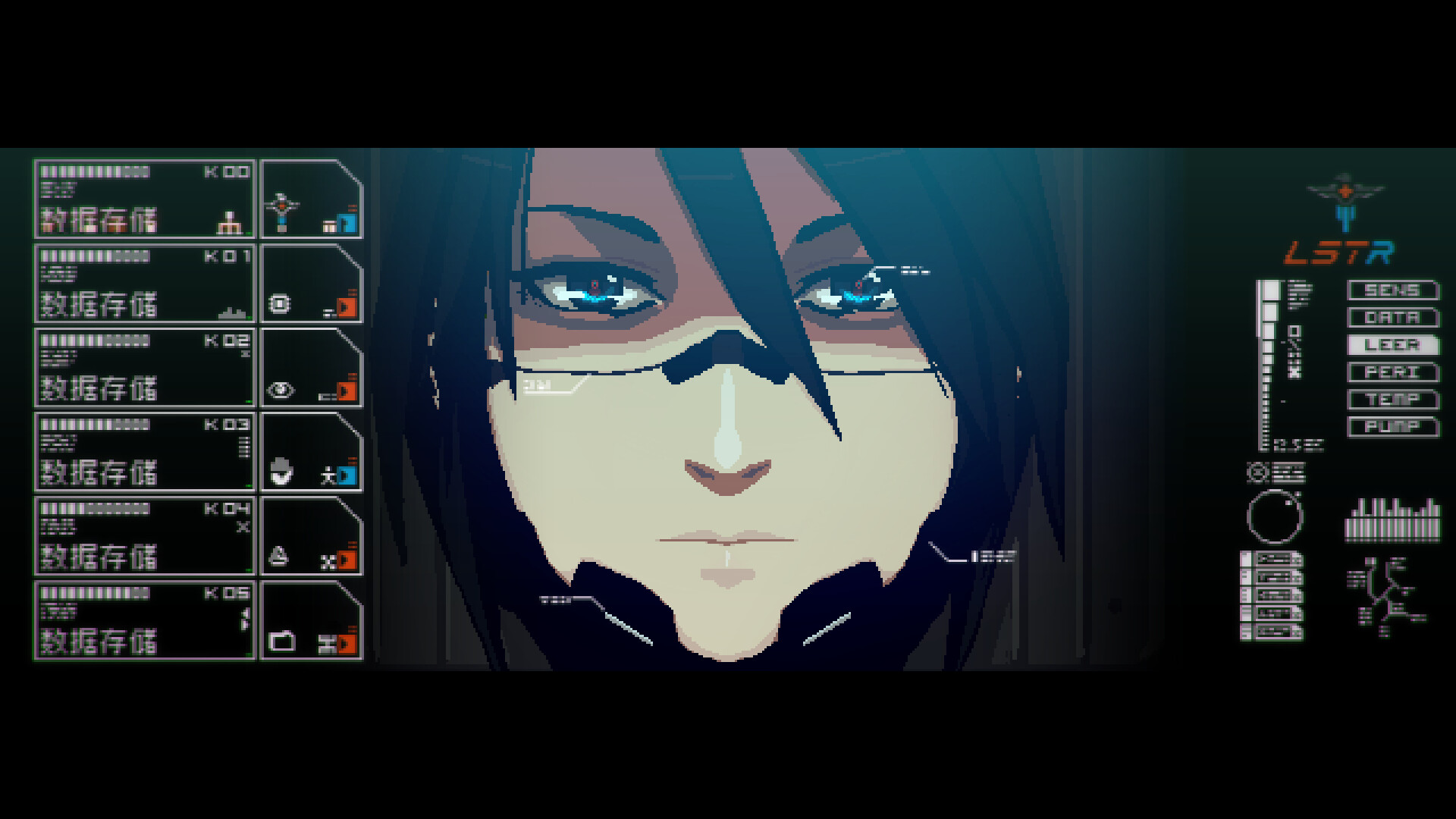
Two people. Six years. The best survival horror game released in the last decade, full stop. SIGNALIS is mechanically faithful to late-90s Resident Evil, narratively indebted to Evangelion and Solaris, and atmospherically unlike anything else on this entire list. rose-engine built something Capcom's much larger RE Engine team hasn't matched in terms of pure, sustained dread.
The non-linear reveal of what protagonist Elster actually is, what happened to Ariane, and what the facility has done to reality itself, is constructed with a level of care that rewards a second playthrough almost as much as the first. The endings don't resolve cleanly, and that's correct. This is a game built to surface in your memory unpredictably for months, not to hand you closure and move on.
The pixel-art presentation does a lot of quiet work here too, evoking PS1-era survival horror without ever feeling like a nostalgia exercise. It reads as a genuine aesthetic choice, not a budget constraint dressed up as style.
4. Visage
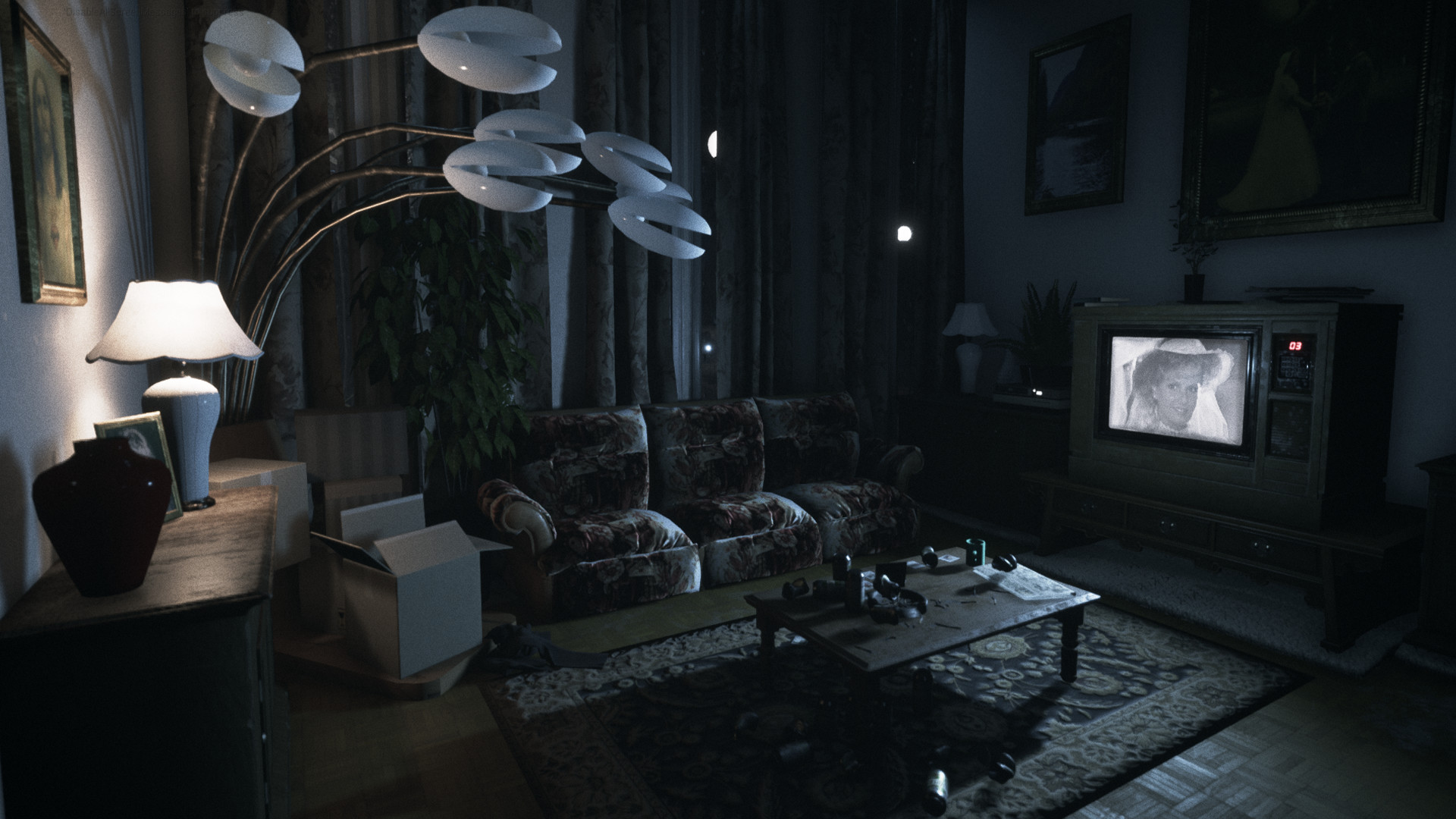
An Amnesia-inspired haunted house game where sanity, light, and darkness are your only real tools, pushed further into slow-burn dread than almost anything else in the genre. Each chapter unfolds a different family's tragedy within the same house, and the sense that something is always paying attention never lets up. This isn't jump-scare horror. It's the kind that rewards patience over reflexes, and punishes anyone expecting quick, cheap thrills.
Multiple chapters mean multiple distinct tragedies to work through, each with its own tone and pacing, but the house itself ties everything together into a single sustained, deeply atmospheric nightmare. Widely regarded within horror communities as one of the scariest indie games ever made, and after finishing it, that reputation checks out.
SadSquare Studio built this on a genuinely tiny budget relative to what it accomplishes, funded substantially through crowdfunding, which makes the sustained quality of its atmosphere even more impressive in context.
5. Darkwood
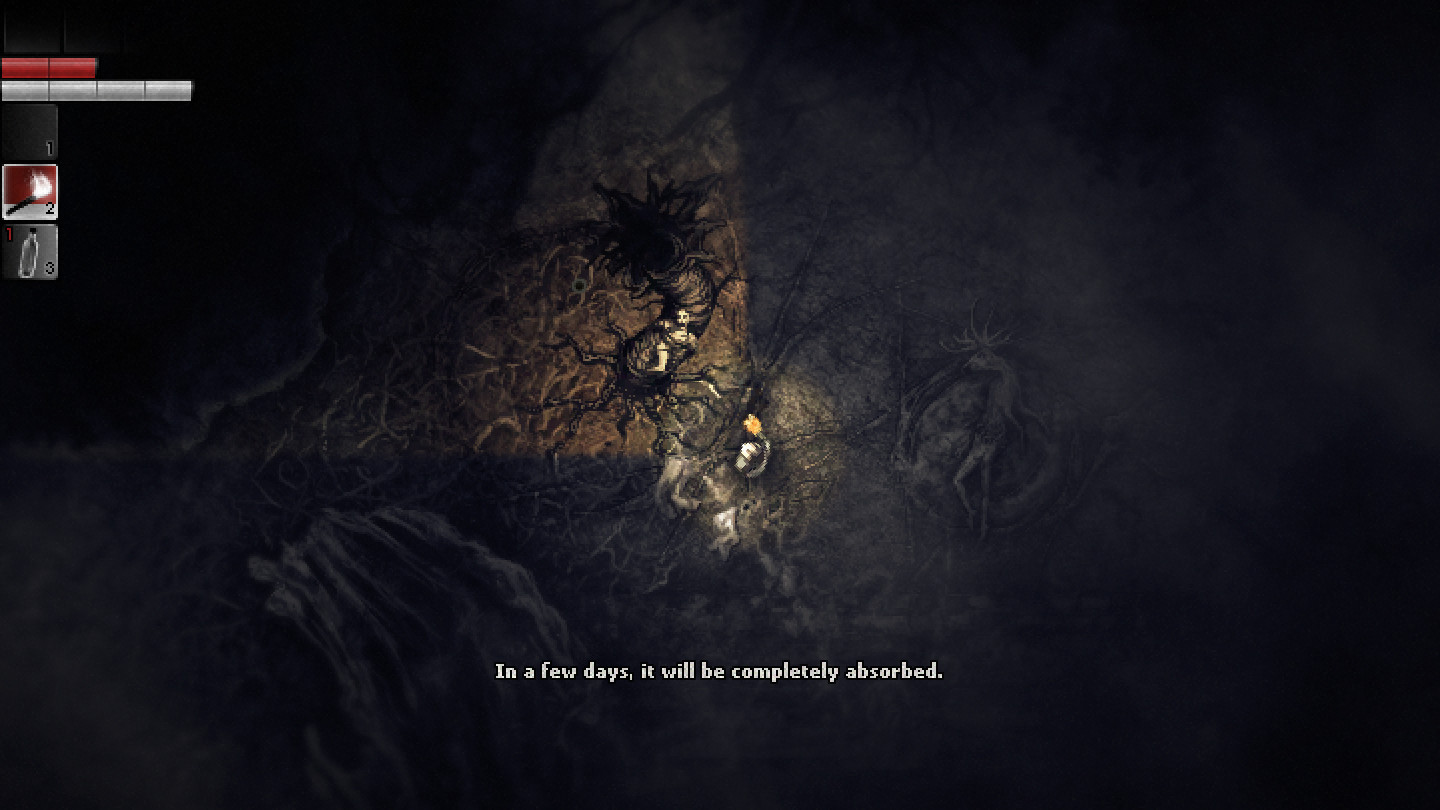
The best top-down survival horror game ever made, and one of the most underplayed. Acid Wizard Studio built a corrupted Eastern European forest that never explains what happened to it or what the corruption actually wants, leaving fragments for your imagination to assemble into something worse than anything the game could have shown you directly. By the third hour, the forest is genuinely under your skin.
The night sections are the game's masterstroke. Barricade yourself in your hut, listen to things try to get in, and pray your preparations were enough. There's no safety anywhere except what you build yourself, and the resource management required to maintain that safety is exactly what makes the risk of leaving feel real every single time.
The top-down perspective, unusual for horror generally, turns out to be exactly right for this specific kind of dread. You can see more of the environment than a first-person game would show you, and somehow that makes the uncertainty of what's actually out there worse, not better.
6. Outlast
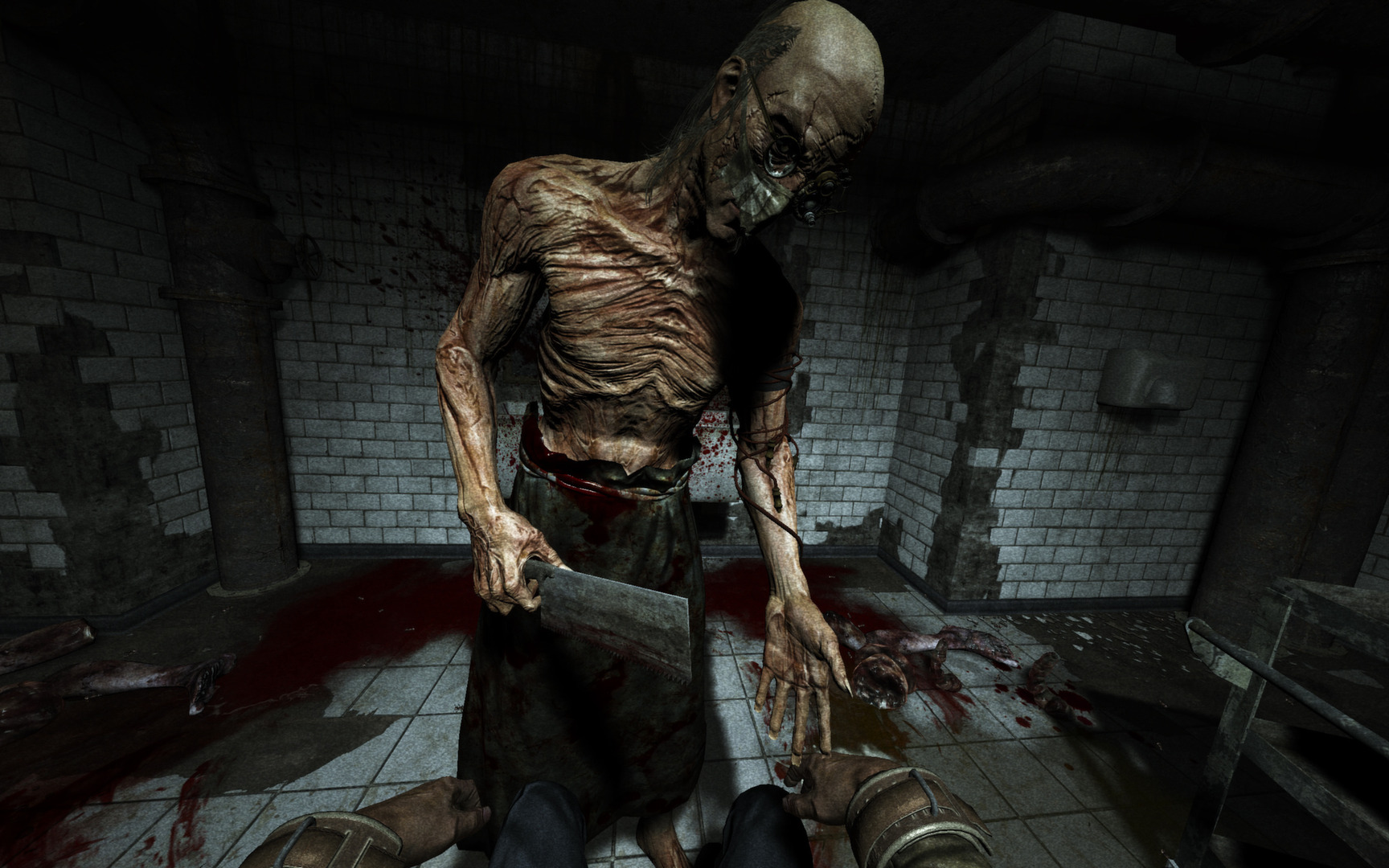
The game that made survival horror mainstream on YouTube. Red Barrels' camcorder night vision mechanic is one of the smartest ideas in horror gaming, grainy, glowing green, and just close enough to how real night vision actually looks to make the whole thing feel uncomfortably plausible. The first two hours inside Mount Massive Asylum are genuinely excellent, dense with atmosphere and real dread.
It leans too heavily on jump scares in the back half, and the narrative loses some coherence as it escalates. Both real criticisms. Neither disqualifying. This is still the best entry point into horror gaming for first-timers, and it's frequently available for well under five dollars, which makes the flaws easy to forgive.
Red Barrels went on to build The Outlast Trials from the lessons learned here, and comparing the two shows a studio that genuinely understood which parts of their original formula were worth scaling into co-op and which parts needed to stay solo.
7. The Mortuary Assistant
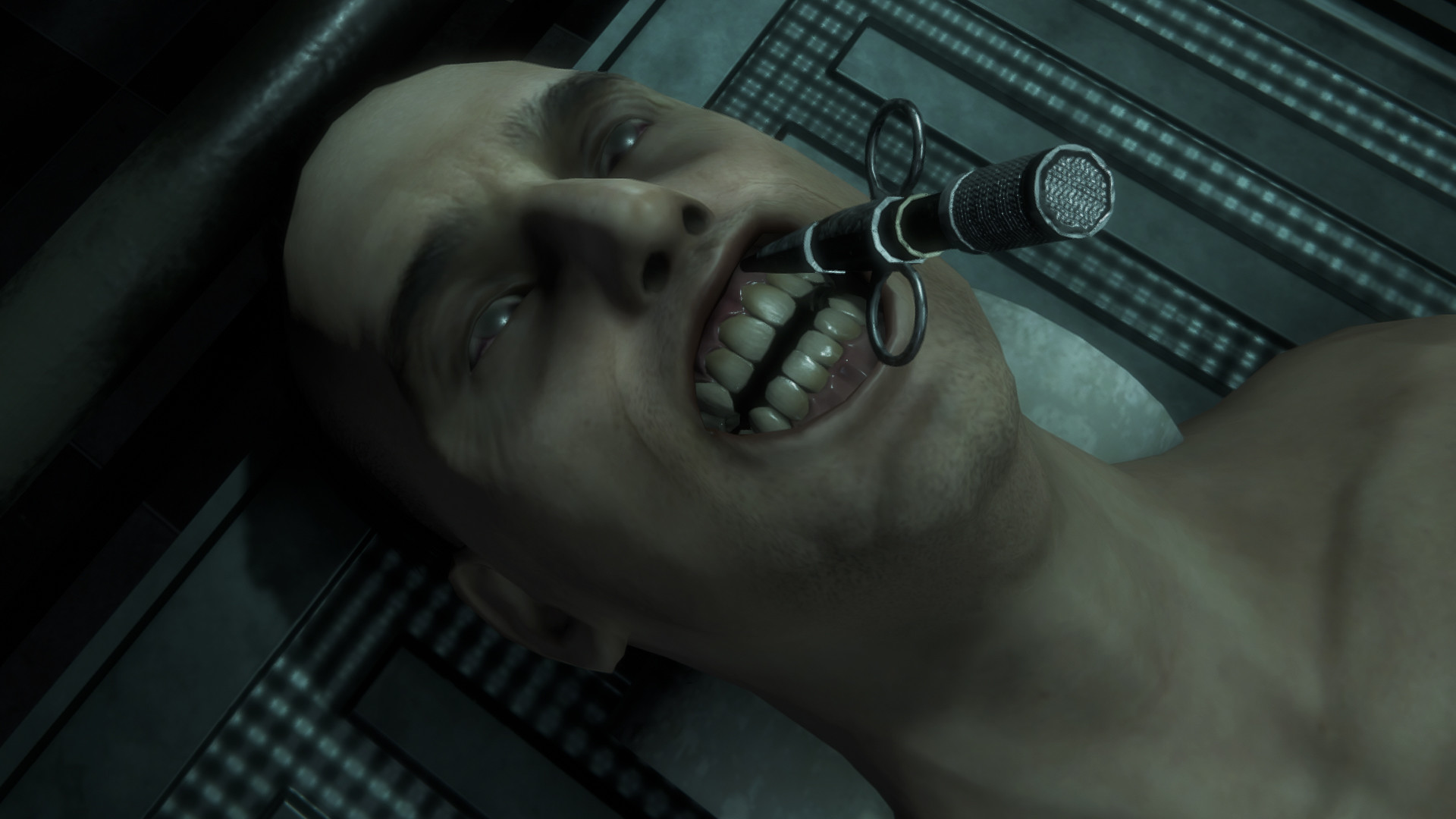
Your first day at River Fields Mortuary. You're embalming the dearly departed on your gurney when you notice an ominous woman in white staring back from the end of a long corridor, and by the time you look at your table again, the body is gone. Procedurally-generated scares mean this happens differently every time, keeping every playthrough tense in a slightly different way rather than becoming predictable on a second run.
A scalpel in your hand and a demon in your soul, fighting to exorcise it before you become fully possessed. The atmosphere is sustained across an entire shift rather than front-loaded into a few set pieces, and the procedural element genuinely means you can't just memorise your way through it the way you can with most scripted horror.
DarkStone Digital is a small studio, and the level of polish on the procedural scare system specifically suggests real technical ambition well beyond what the price tag would suggest.
8. Mouthwashing
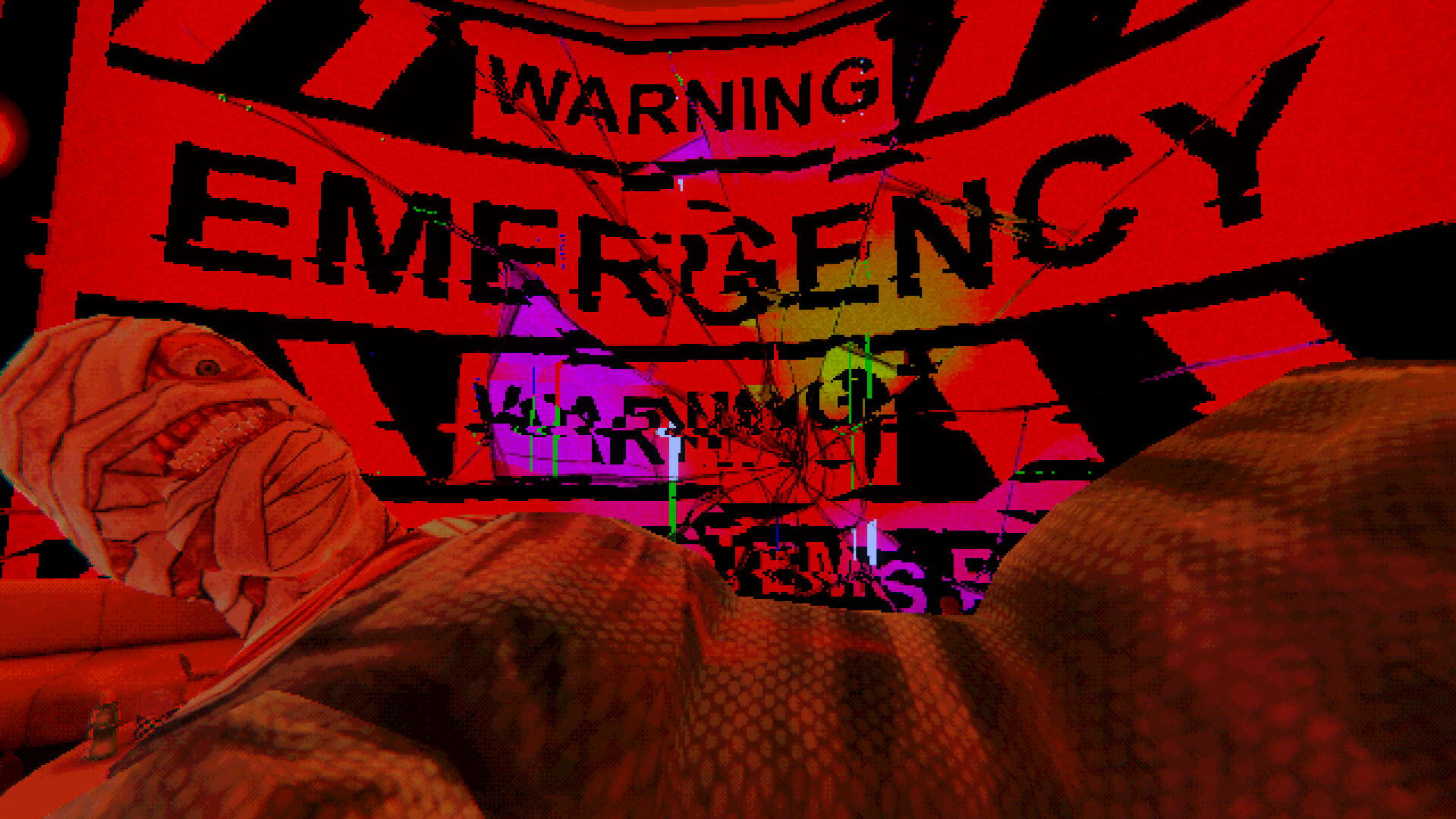
What happens to people in crisis when the structures that constrain their behaviour are removed. No monsters. Entirely human, and somehow more unsettling for it. Wrong Organ's non-linear structure reveals what actually happened aboard a stranded cargo ship gradually, and what it reveals is genuinely awful in a way that lingers well past the two-to-three-hour runtime.
This is psychological horror doing exactly what the genre promises and rarely delivers: no jump scares, no supernatural crutch, just the slow, dawning realisation of exactly how bad a situation got and exactly why. One of the most disturbing games released in 2025, and it earns every bit of that reputation through craft rather than shock value.
Wrong Organ's non-linear structure means the actual chronology of events only becomes clear well after you think you understand what happened, and piecing it together after the credits roll is its own kind of unsettling exercise.
9. The Backrooms 1998
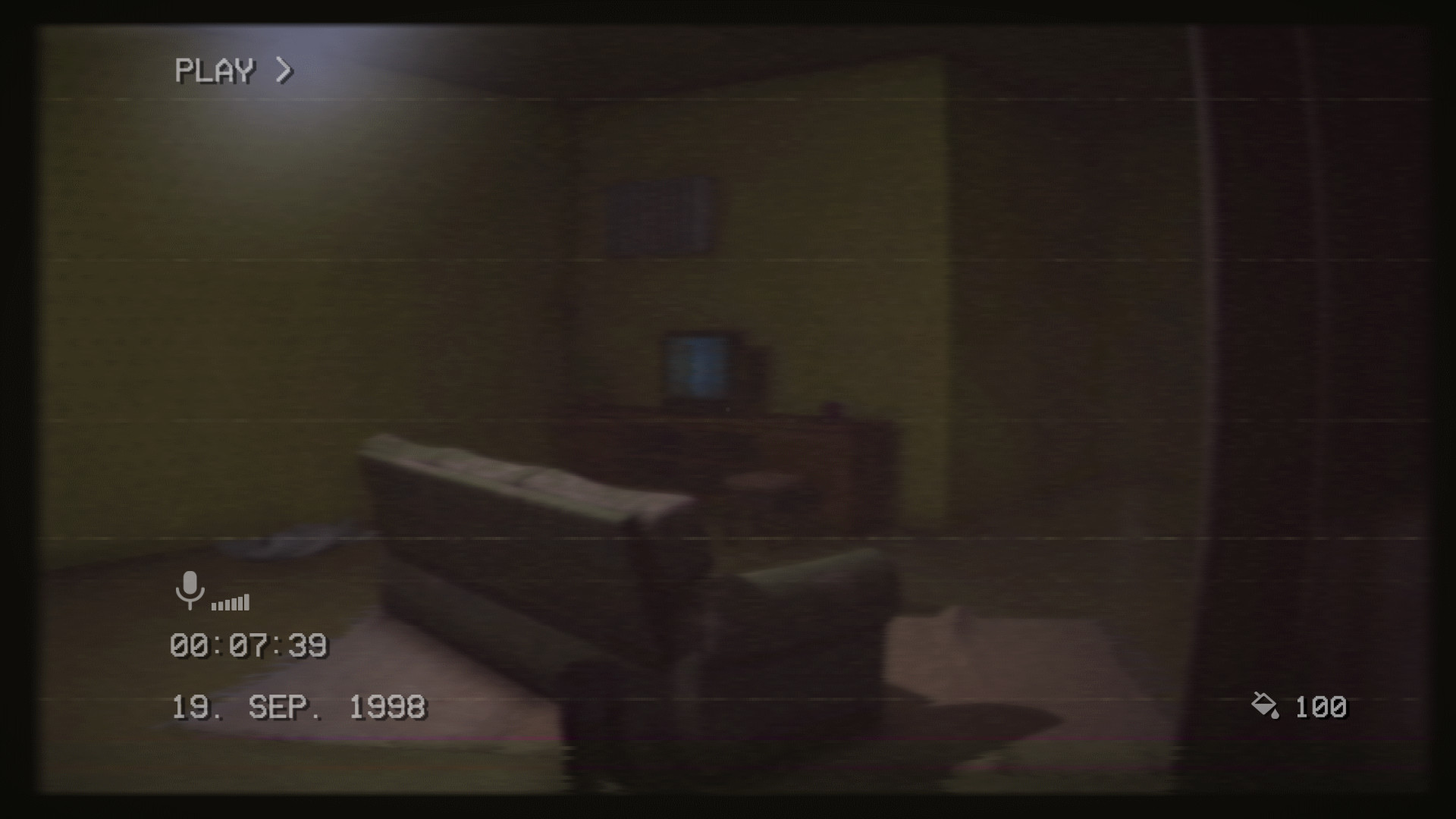
The internet's beloved liminal-space horror concept, rendered as a genuinely tense found-footage survival game. You roam the endless, off-yellow corridors of the Backrooms as a teen who fell through in 1998, marking your path, scavenging supplies, and piecing together what happened, while trying very hard not to make a sound.
Built largely by a single developer, and it delivers exactly the sustained, sound-based dread the concept promises. Don't step on glass. Don't knock things over. It will hear you. That constant fear of your own noise does more work here than any single scripted scare, and it's the reason this one genuinely got under my skin the first time I played it.
The found-footage framing device does real work distinguishing this from the dozens of other Backrooms-inspired games that have shown up on Steam since the concept went viral. Most lean on the aesthetic alone. This one actually commits to the format's storytelling logic.
10. Fear & Hunger
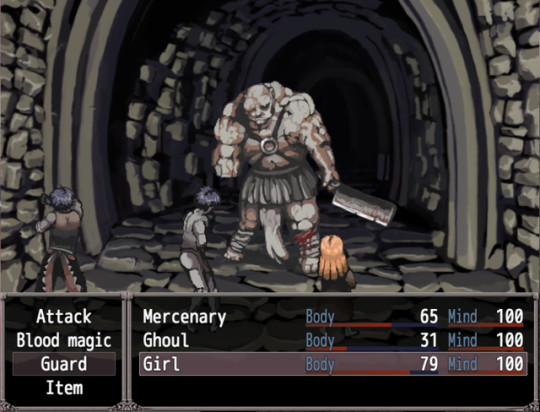
Not for everyone. Fear & Hunger goes places no commercial studio would ever be permitted to explore, built by one developer in RPG Maker, of all engines. The most transgressive horror RPG ever made, and that's not hyperbole. Read the content warning before you buy this one, because it means exactly what it says.
For the audience it's actually for, this is essential, uncompromised horror that refuses every safety rail the genre usually keeps. It won't work for most players, and that's by design rather than a flaw. If the warning doesn't scare you off, what's inside genuinely will.
A sequel, Fear & Hunger 2: Termina, exists and expands the world considerably, though starting with the original is still the right call for understanding what the series is actually trying to do.
11. KARMA: The Dark World
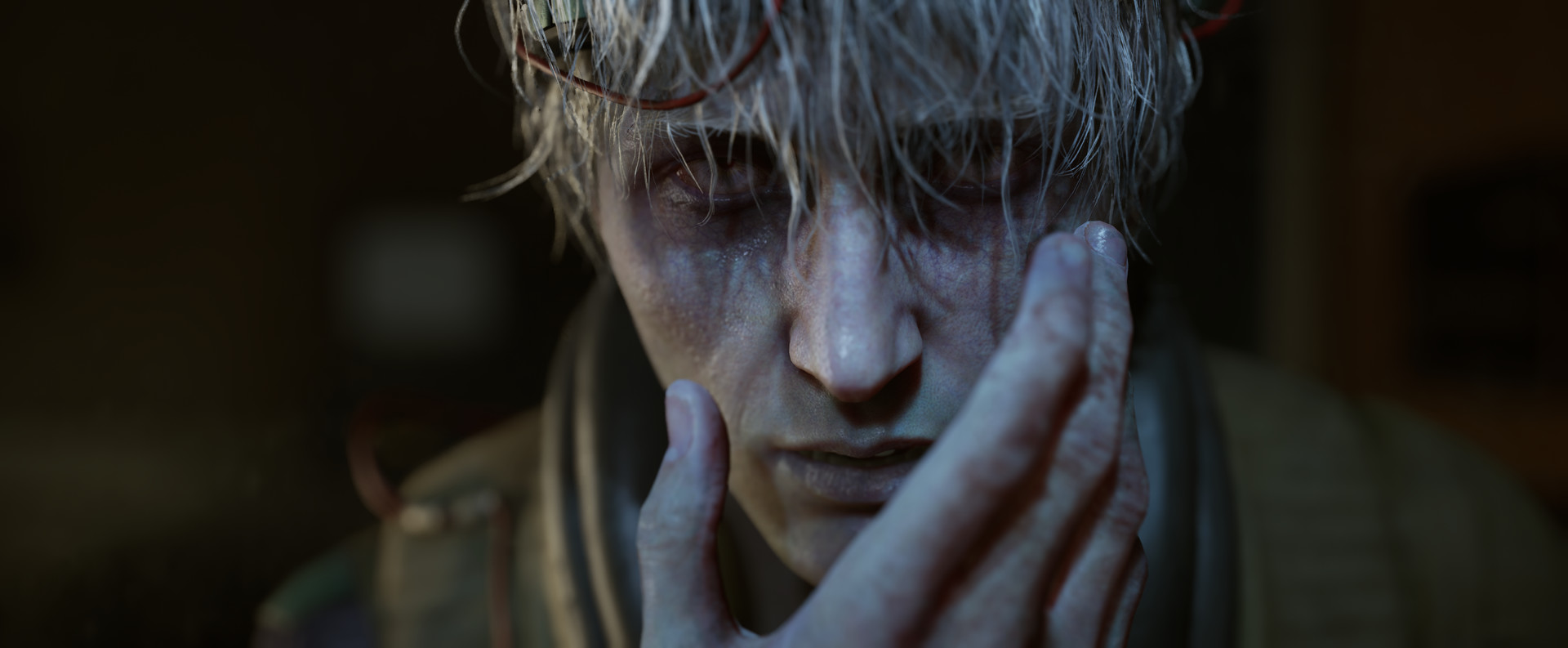
A first-person psychological horror game set in an alternate 1984 East Germany ruled by a surveillance corporation, where you dive directly into suspects' minds. The most visually stunning horror game I've played, full stop, and it earns every surreal moment on the way to a genuinely satisfying, deliberately ambiguous ending.
Critics gave it a 72 on Metacritic. That's a catastrophic misread of what this game actually does. The gameplay is minimal and the final third loses some momentum, both real criticisms, neither disqualifying. Don't let the middling score put you off something this visually and thematically confident.
The mind-diving mechanic specifically, entering a suspect's psyche to piece together their memories, is executed with a visual inventiveness that makes the low Metacritic score look even more like a genuine miss on critics' part.
12. The Sinking City 2

A Lovecraftian survival horror sequel built by a Kyiv-based studio between 2023 and 2026, during Russia's invasion of Ukraine, shifting the series from open-world investigation to focused, Resident Evil-style survival horror. Built through 85,183 documented air raid sirens, power cuts, and water shortages, with staff conscripted mid-project and homes damaged along the way.
That story alone doesn't make the game good. The game is good on its own honest merits: excellent atmosphere, real scarcity-driven combat, a standalone story that doesn't need the original to land. The exploration is more linear than the first game's open world, and some reviewers found the writing thin in the opening hours. Buy it because it earns the praise on craft alone.
Frogwares, the studio behind this, previously made the original Sinking City and several Sherlock Holmes adventure games, and the investigative DNA from that history is still visible underneath the tighter, more combat-focused structure here.
13. Scorn
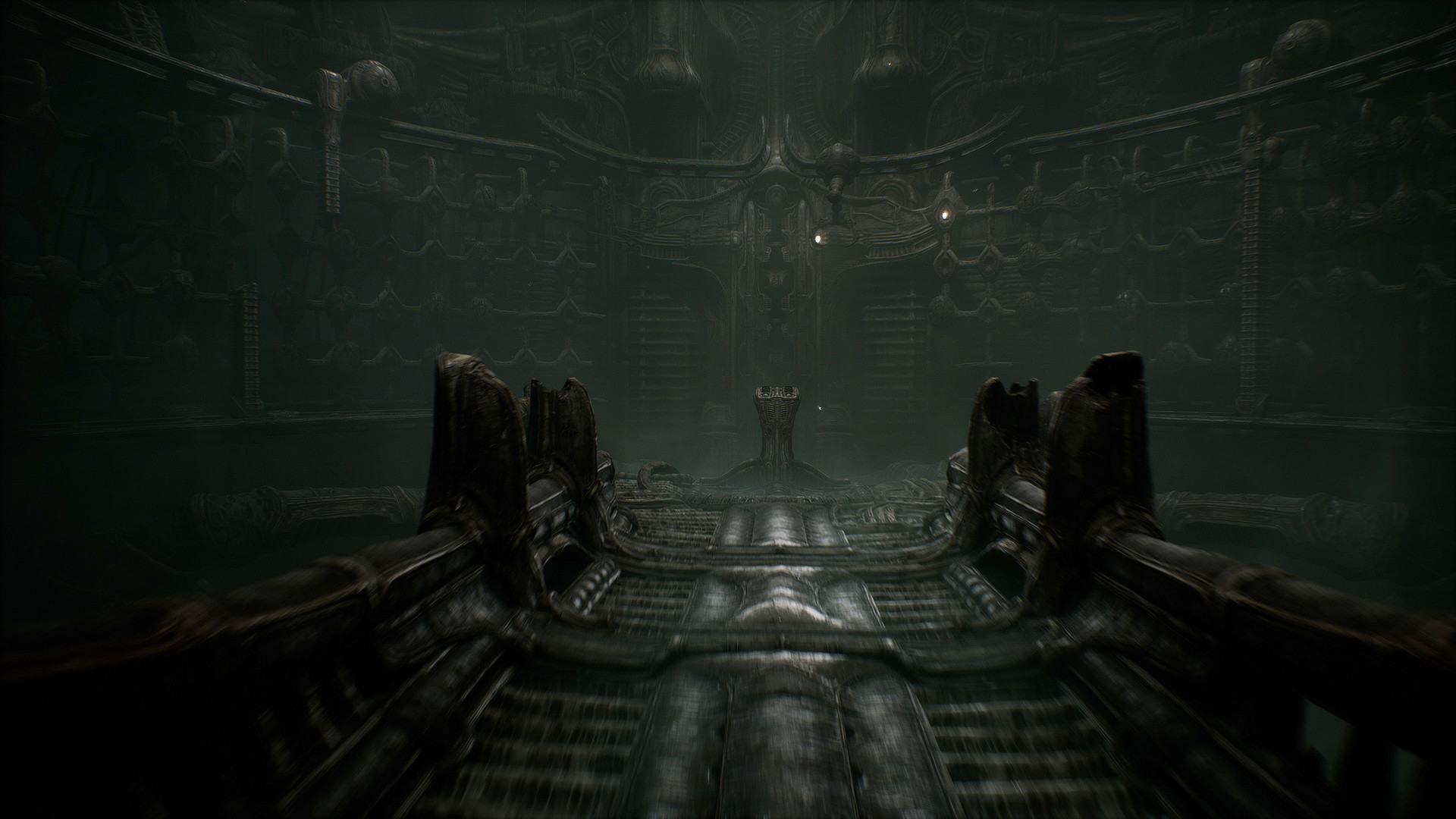
The most visually distinctive horror game ever made. Pure H.R. Giger and Zdzislaw Beksinski, rendered in a world built entirely of bone, flesh, and biomechanical dread that draws directly from both artists' visual languages more closely than any other game has attempted. The gameplay is deliberately obtuse: minimal guidance, environmental puzzle-solving, an unsettling sense of navigating a living organism rather than a level.
The slower pacing and lack of clear direction won't suit everyone, and the review score reflects that genuine split in reception. For players seeking pure atmosphere over conventional gameplay clarity, though, nothing else in the genre looks quite like this. Worth it for the art direction alone.
Ebb Software spent nearly a decade in development on this one, and the sheer commitment to a singular, uncompromising vision shows in a way that few horror games with this kind of ambition manage to actually ship intact.
14. Crow Country
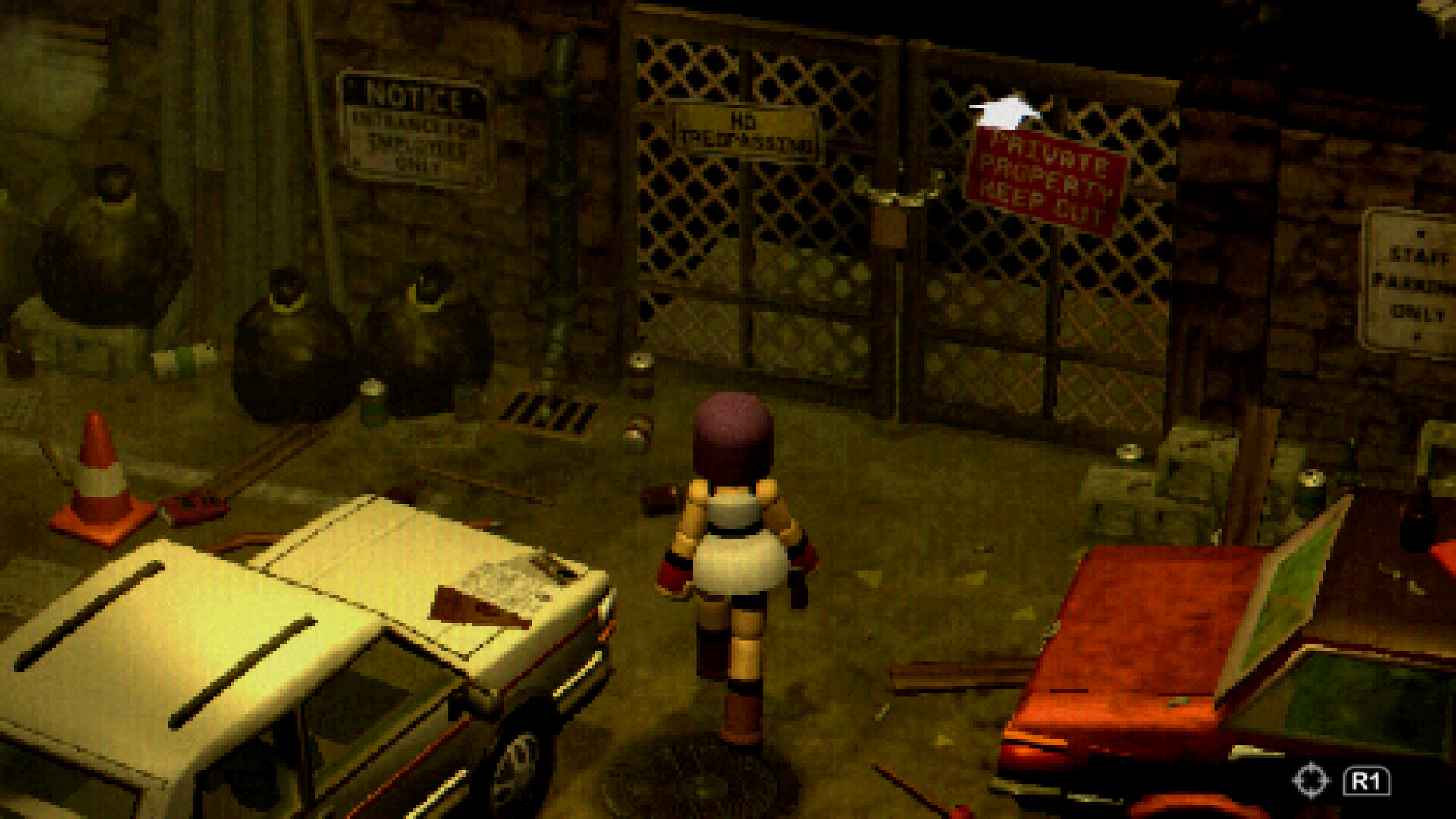
The highest-rated game on this entire list, and it is not close. Built by SFB Games, a two-person British studio, sitting at 98.1% Overwhelmingly Positive. You play Special Agent Mara Forest investigating an abandoned 1990s theme park where the owner vanished and the animatronics stopped staying animatronic, pure late-90s Resident Evil in structure, filtered through a grainy PS1 aesthetic that makes the whole thing scarier rather than dated.
Five hours, no filler. The puzzles are genuinely well designed rather than obtuse for the sake of it, and the theme-park setting gives the whole thing a colourful, almost cheerful visual language the horror plays against rather than with. Proof the genre's best ideas still come from small teams, not AAA budgets.
SFB Games' commitment to the PS1-era filter isn't just nostalgia bait. The limited draw distance and grainy texture work genuinely obscure threats in ways a modern, clean rendering engine wouldn't, and the horror is measurably weaker in any screenshot that doesn't include it.
15. Amnesia: Rebirth
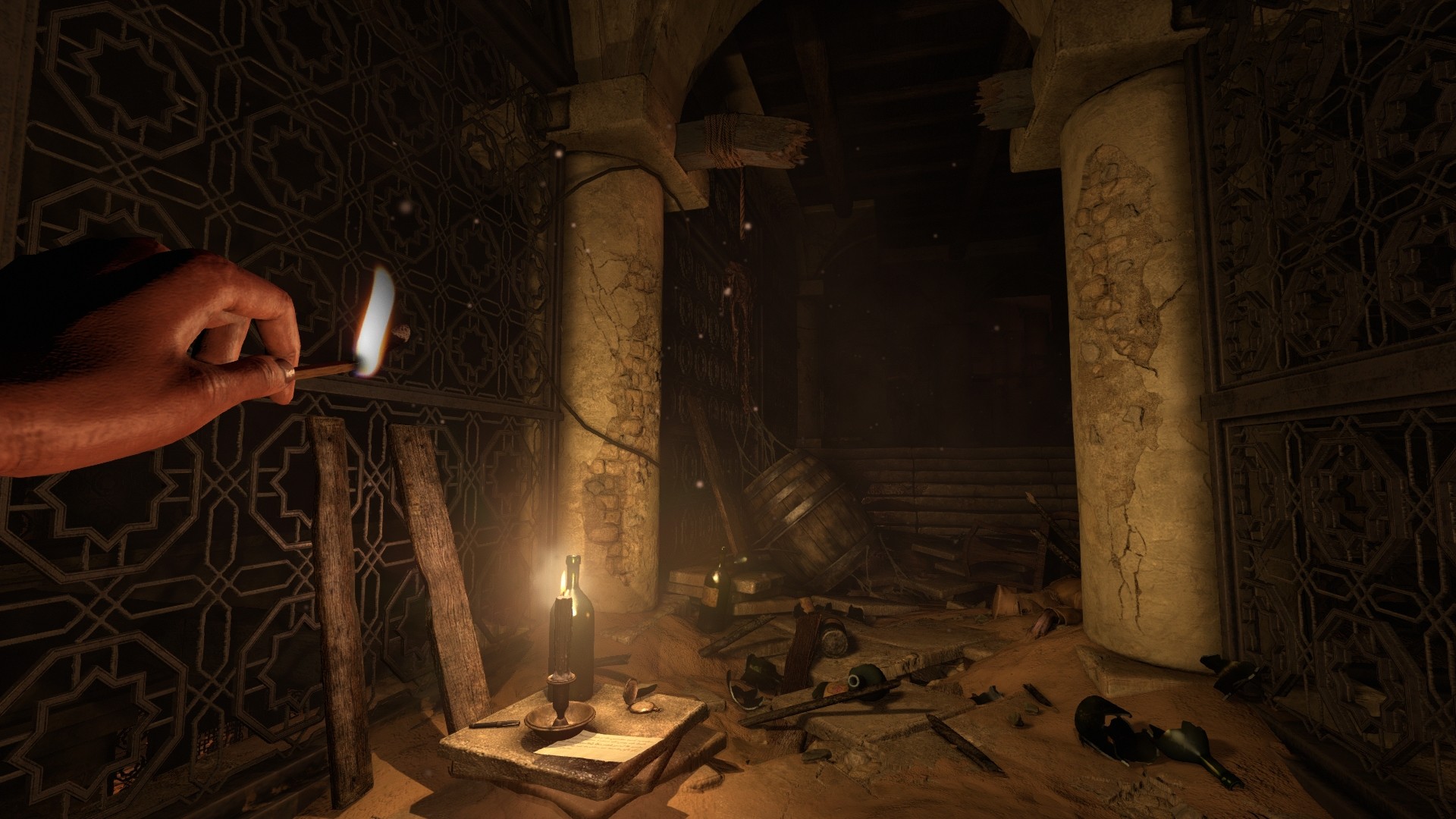
Not as good as The Dark Descent, but genuinely better than its reputation suggests. Tasi Trianon navigates a nightmarish version of colonial Algeria in 1937, weaving a pregnancy-centered narrative into Frictional's established sanity-and-vulnerability formula. It doesn't reach the same benchmark of dread the original set, but the setting and story give it real distinctiveness rather than functioning as a straight retread.
Play The Dark Descent first if you haven't. Rebirth is better appreciated with that foundation already in place. Once you're there, this earns its spot on any serious horror list purely on the strength of a story that goes places the original never attempted.
The desert setting is a genuine departure from the series' castle-and-facility comfort zone, and while it doesn't always land as effectively, the attempt to expand what an Amnesia game can look like is worth crediting on its own.
16. The Outlast Trials
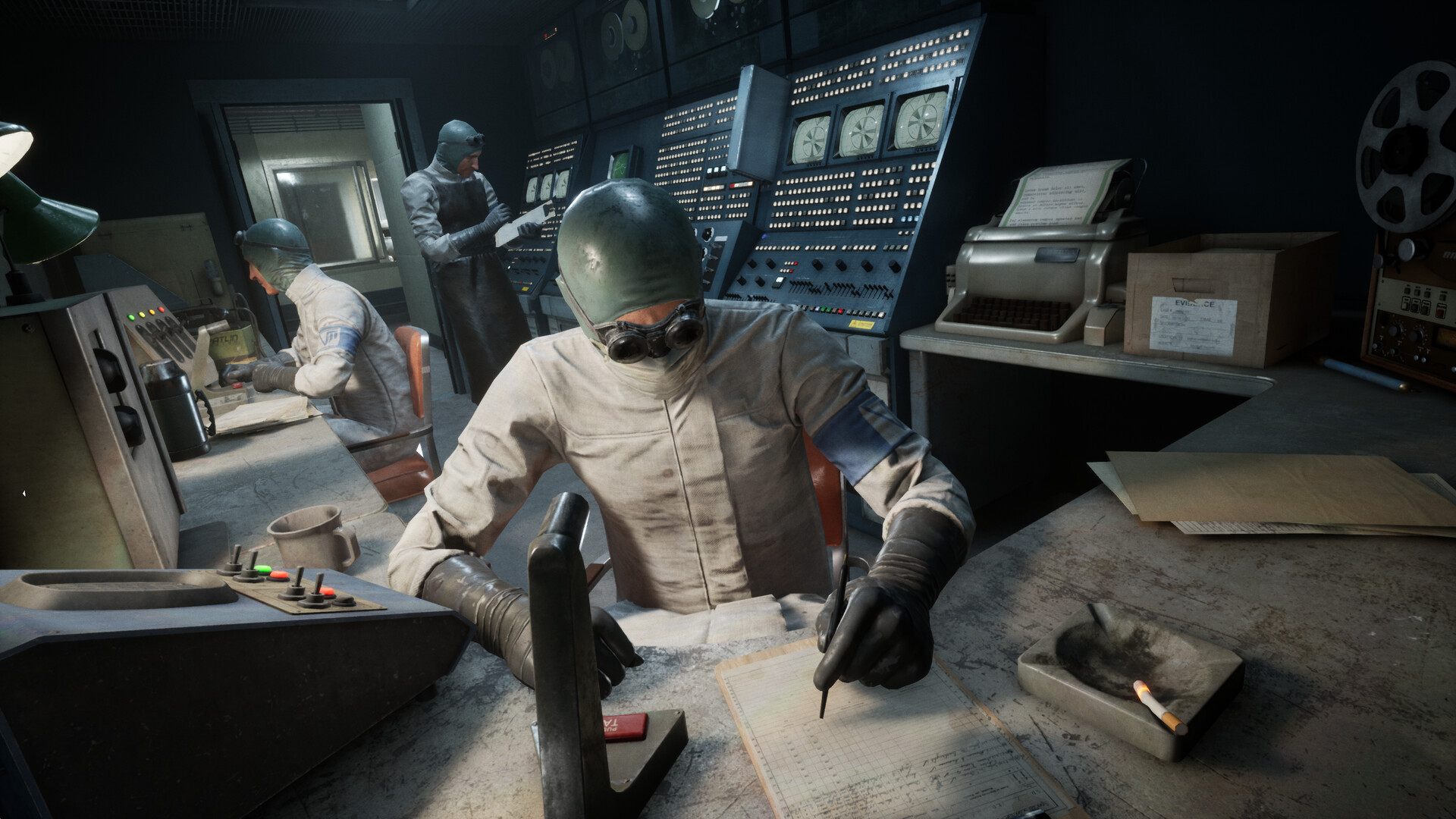
Red Barrels take the camcorder dread of the original Outlast and hand it to a group. Cold War-era human experimentation trials, playable solo or with up to three friends, with the night-vision mechanic now shared across a squad rather than carried alone. The diverse trial environments keep the format from feeling repetitive across dozens of runs.
The concurrent player count has settled since launch and the later trial tiers can grind without a committed group, but 53,000-plus reviews sitting at 94% positive is not an accident. If your group liked the original, this is the obvious next step, and it's genuinely one of the better co-op horror options on Steam right now.
The character customisation and cosmetic systems layered on top of the core horror loop are a genuinely odd fit on paper, but in practice they give the repeatable trial structure a reason to keep returning beyond just the horror itself.
17. Doki Doki Literature Club
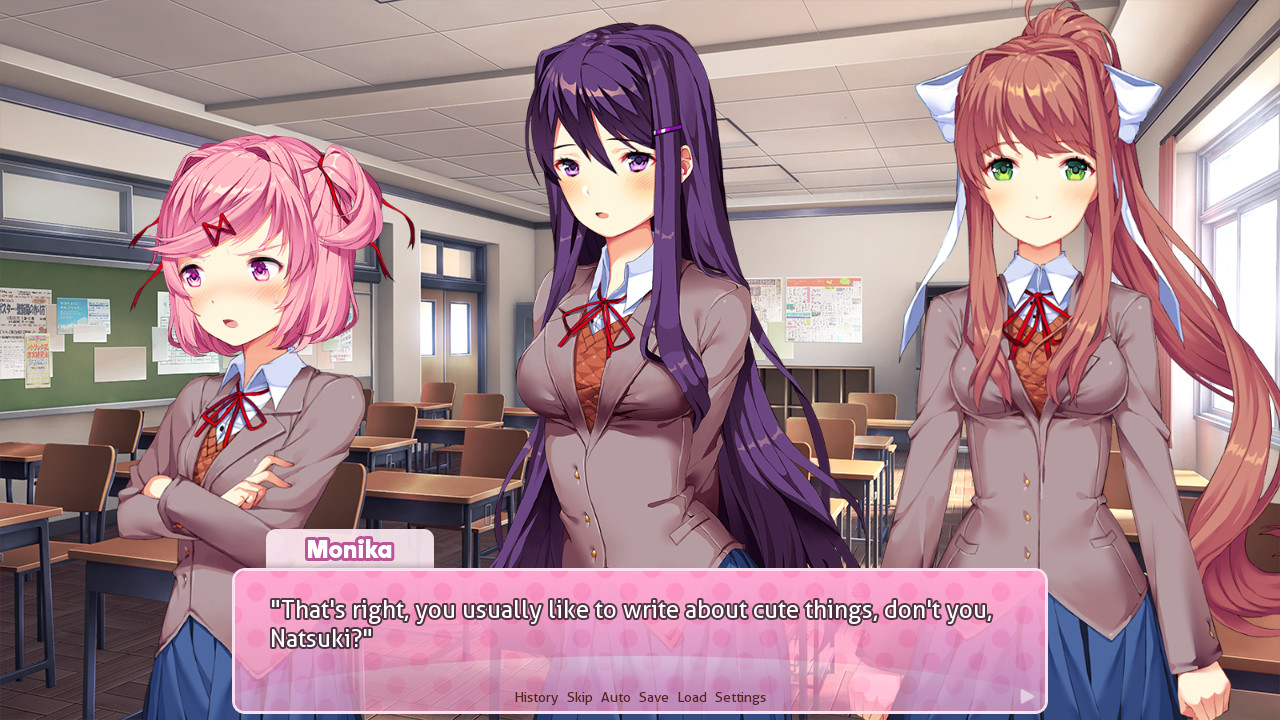
Presents itself as a visual novel about a high school literature club. This is accurate for approximately the first hour. What it becomes after that is something I'm not going to describe, because the less you know going in, the more effective the whole thing is. The content warnings on the Steam page exist for real reasons: this is not a game for everyone.
The disturbing content it contains is genuinely disturbing rather than performatively shocking, and that distinction matters more than most horror games understand. It's completely free, which means there's no real reason not to try the first hour if the content warnings don't exclude you.
Team Salvato's decision to release this for free rather than charge for it was a deliberate choice tied directly to what the game does with genre expectations. Charging money for it would have undercut the specific kind of trust it needs from a player going in blind.
18. SONG OF HORROR Complete Edition
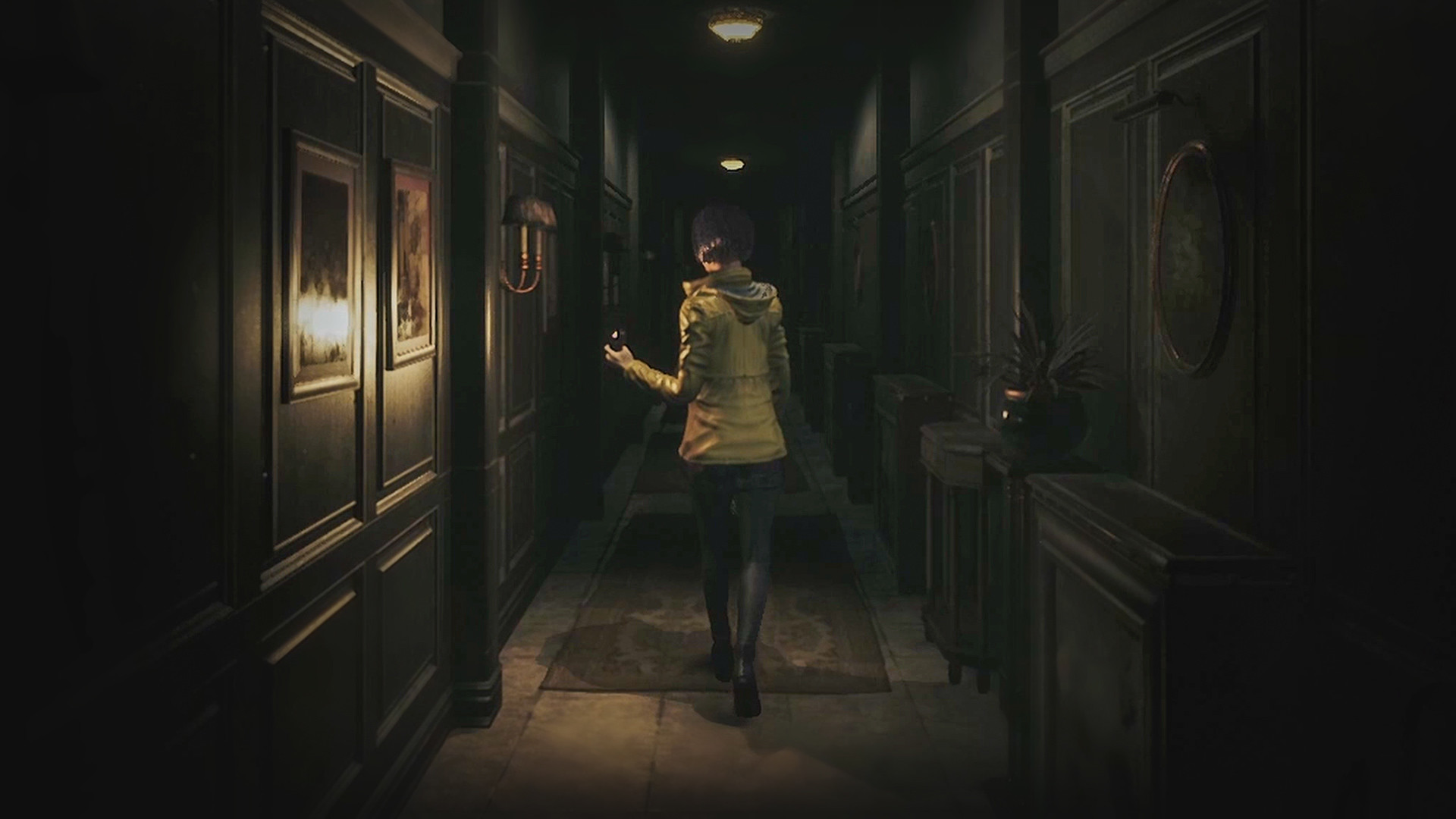
Permadeath survival horror across five episodes, investigating disappearances tied to a mysterious antique music box called The Presence. The real hook: lose a character to the game's genuine permadeath system and they're gone for the rest of the story, forcing real weight into every decision rather than treating death as a checkpoint reset.
Fixed camera angles and deliberate pacing evoke classic survival horror directly, and the rotating cast means the stakes never fully reset even after a loss. Pacing and some technical rough edges across its episodic release drew mixed reception, which the score reflects honestly, but the permadeath structure alone makes it worth knowing about.
Protocol Games released this across five separate episodes originally, and the Complete Edition bundling here means you get the full permadeath stakes across the whole story rather than a fragmented, waiting-between-episodes experience.
19. Still Wakes the Deep

A 1970s North Sea oil rig, cut off from the world, where drilling has disturbed something ancient and wrong deep beneath the sea floor. From The Chinese Room, known for narrative-driven titles like Everybody's Gone to the Rapture, it pairs genuinely tense survival-horror sequences with strong Scottish working-class character writing that carries real weight alongside the horror.
The claustrophobic, isolated setting does a lot of the atmospheric heavy lifting, and the game is genuinely shorter than most entries on this list, five to six hours, but it doesn't overstay its welcome. A tight, well-written horror experience that knows exactly how long its own premise should run.
The Chinese Room's decision to set this specifically in 1975, rather than a more generic modern setting, grounds the oil rig's technology and isolation in a period where help genuinely couldn't arrive quickly, which does real work for the sense of being trapped.
20. Layers of Fear (2016)
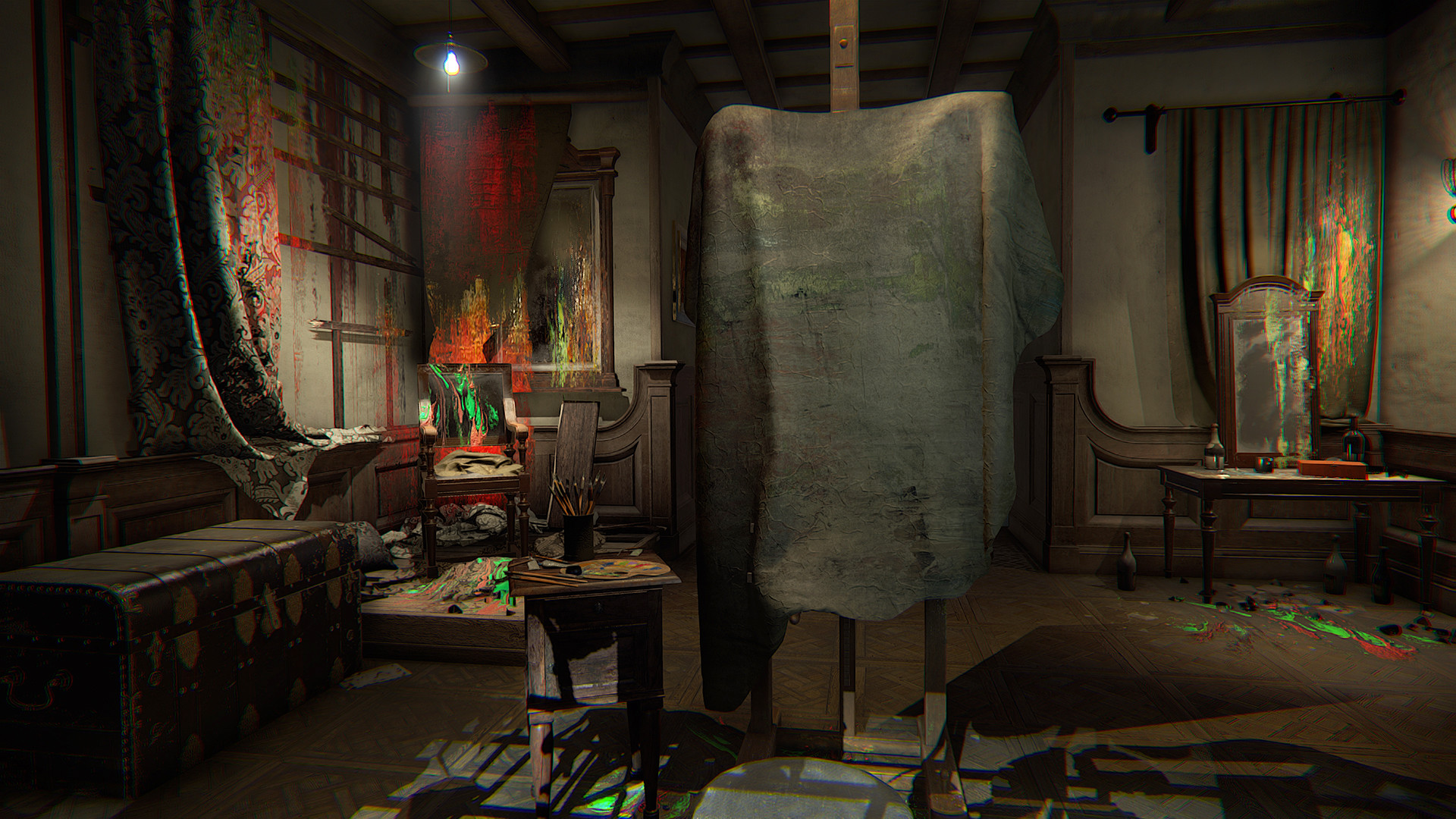
Most games can make you jump. Few can make you doubt yourself in real life. An unreliable narrator explores a spooky, cavernously empty Gothic house that quietly rearranges itself around him, with the story unravelling slowly through unreliable narration of the physical world itself. Doors disappear, corridors warp out of shape just at the edge of your vision.
The game rearranges itself specifically to mirror the protagonist's collapsing sanity, built around an obsessional painting made from questionable materials that only deepens the unease the longer you spend in the house. A tight four-to-five-hour experience that never wastes a moment establishing its central trick.
Multiple distinct endings reward paying attention to environmental details on a second playthrough, turning what looks like a single linear walking experience into something with genuine reason to revisit.
21. Slender: The Arrival
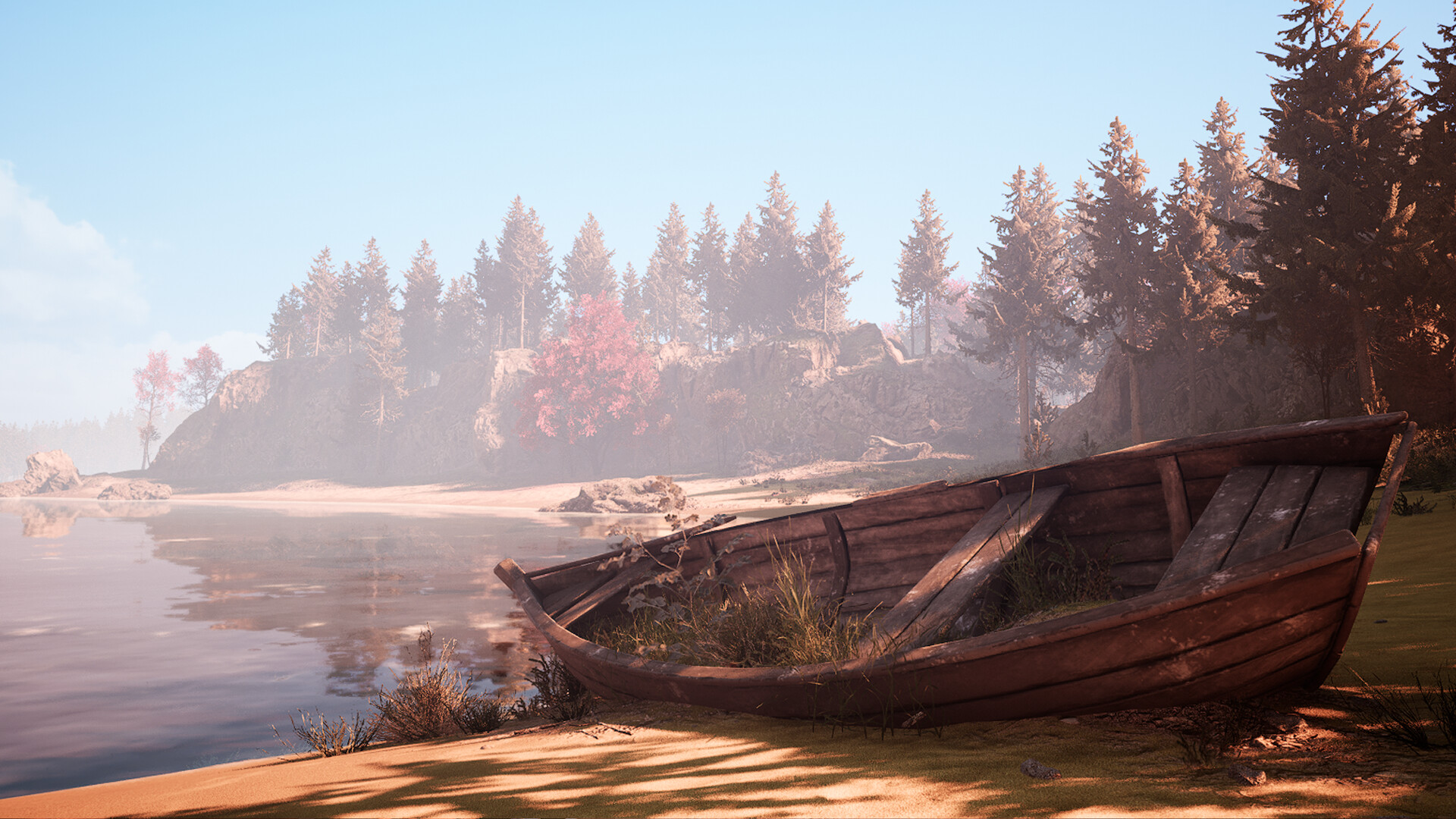
The officially licensed follow-up to the free browser game that turned Slender Man into a genuine internet horror phenomenon, and the formula every "collect items while avoiding a stalker" horror game since has copied directly. Explore dark environments collecting pages while managing a limited flashlight, with the titular figure appearing unpredictably at the edge of your vision.
It holds up reasonably well over a decade later, even if the core loop can feel dated and repetitive compared to what it went on to inspire. Worth playing for horror history alone: this is the game an entire generation of walking-simulator horror traces its lineage back to.
Blue Isle Studios later moved on to other projects entirely, and this remains the clearest evidence of what made the original Slender Man concept work as more than just an internet fad, pure, sustained, unresolved dread from something that never quite lets you see it clearly.
22. Mundaun
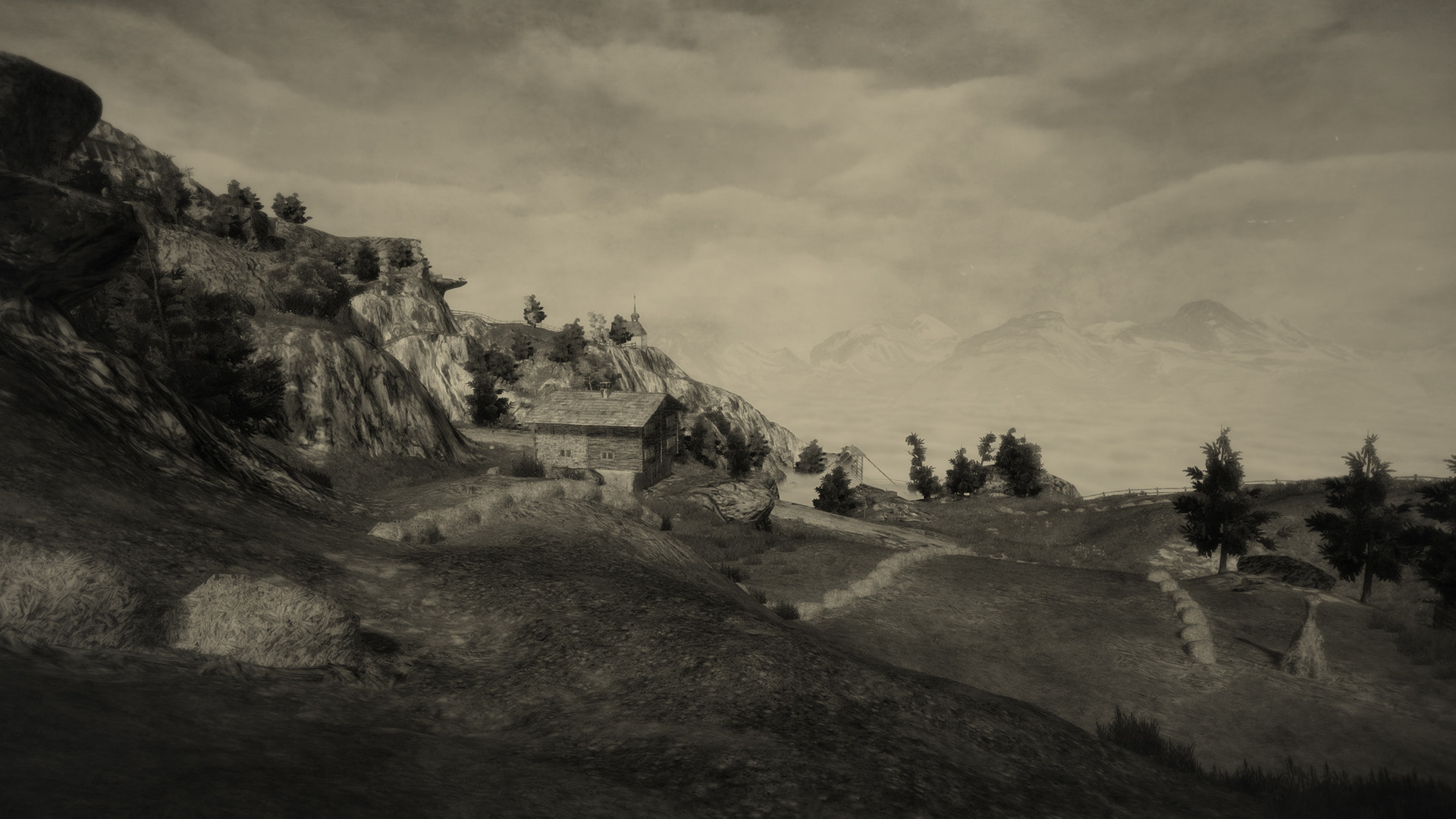
A weird, creepy little game with a The Lighthouse and Midsommar vibe to its strange, hand-drawn tale. The black-and-white, first-person scares see you revisiting your Swiss hometown after your grandfather's death, uncovering an ancient family curse built from real 1920s-era folklore rather than generic horror-movie tropes.
The scratchy penciled art, entirely hand-drawn, gives the whole thing an otherworldly vibe most horror games never attempt. It's a little clunky in places, with a few unclear puzzles and goals, but worth powering through for a horror game built from a genuinely different cultural foundation than almost anything else on this list.
Composer duties, art, and writing were all handled by the same tiny team, and that singular authorial voice is a large part of why the game feels genuinely foreign in a way most horror doesn't, rather than just visually distinct.
23. Iron Lung
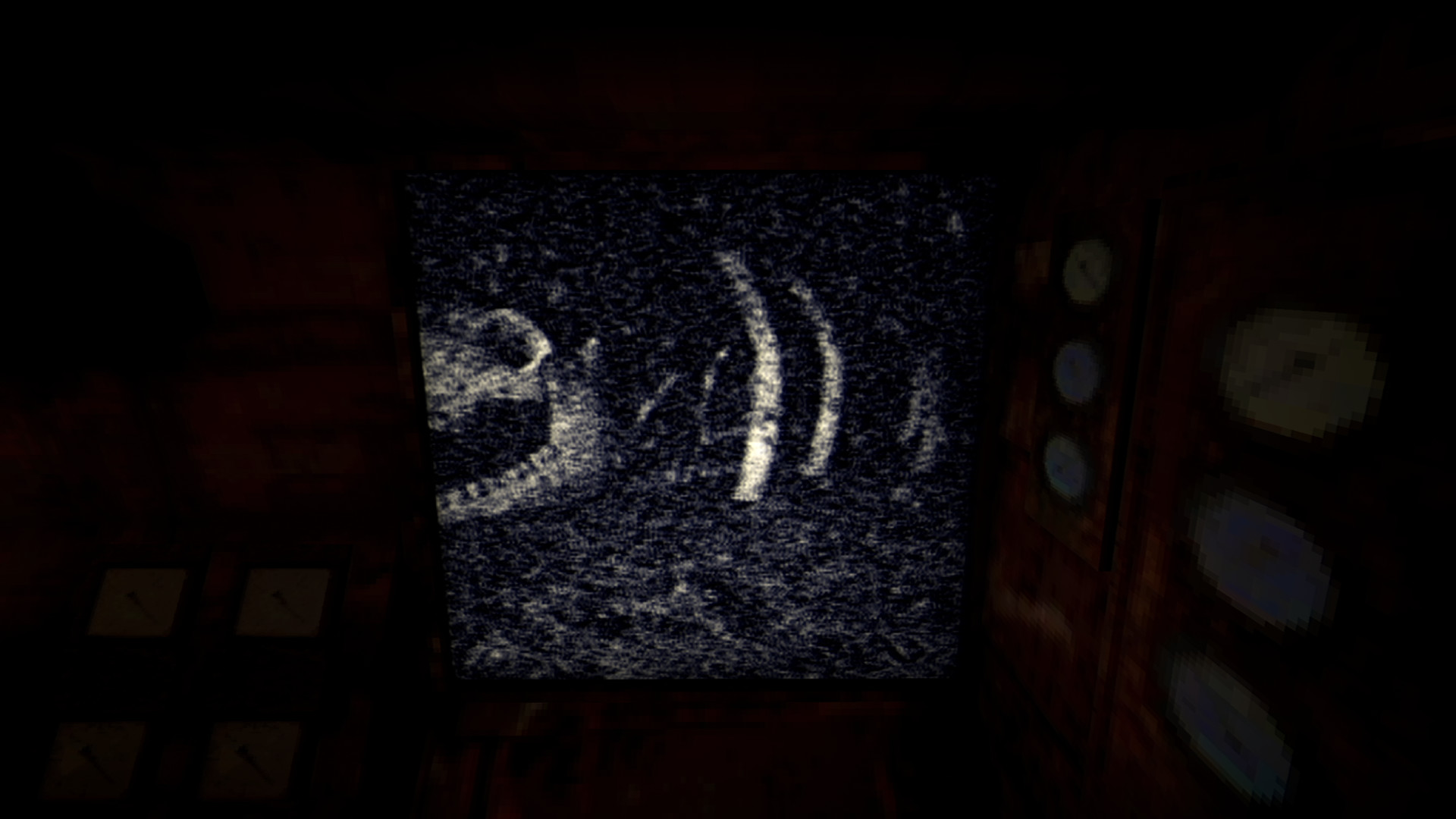
Pilot a cramped, battered submersible through an ocean of blood on a distant moon, taking required photographs in near-total darkness while something moves out there in the murk. David Szymanski, also known for the acclaimed shooter DUSK, strips horror down to a single claustrophobic premise and executes it with total confidence.
Short at one to two hours, but it earns every minute. The near-total darkness and cramped confines of the vessel build a specific, sustained unease that lingers well past the credits, proof that a genuinely tight, focused horror idea doesn't need a long runtime to land.
David Szymanski released this between larger projects, and the fact that a solo developer could deliver something this atmospherically complete in such a short runtime says something real about focus mattering more than scope in horror specifically.
24. Phasmophobia
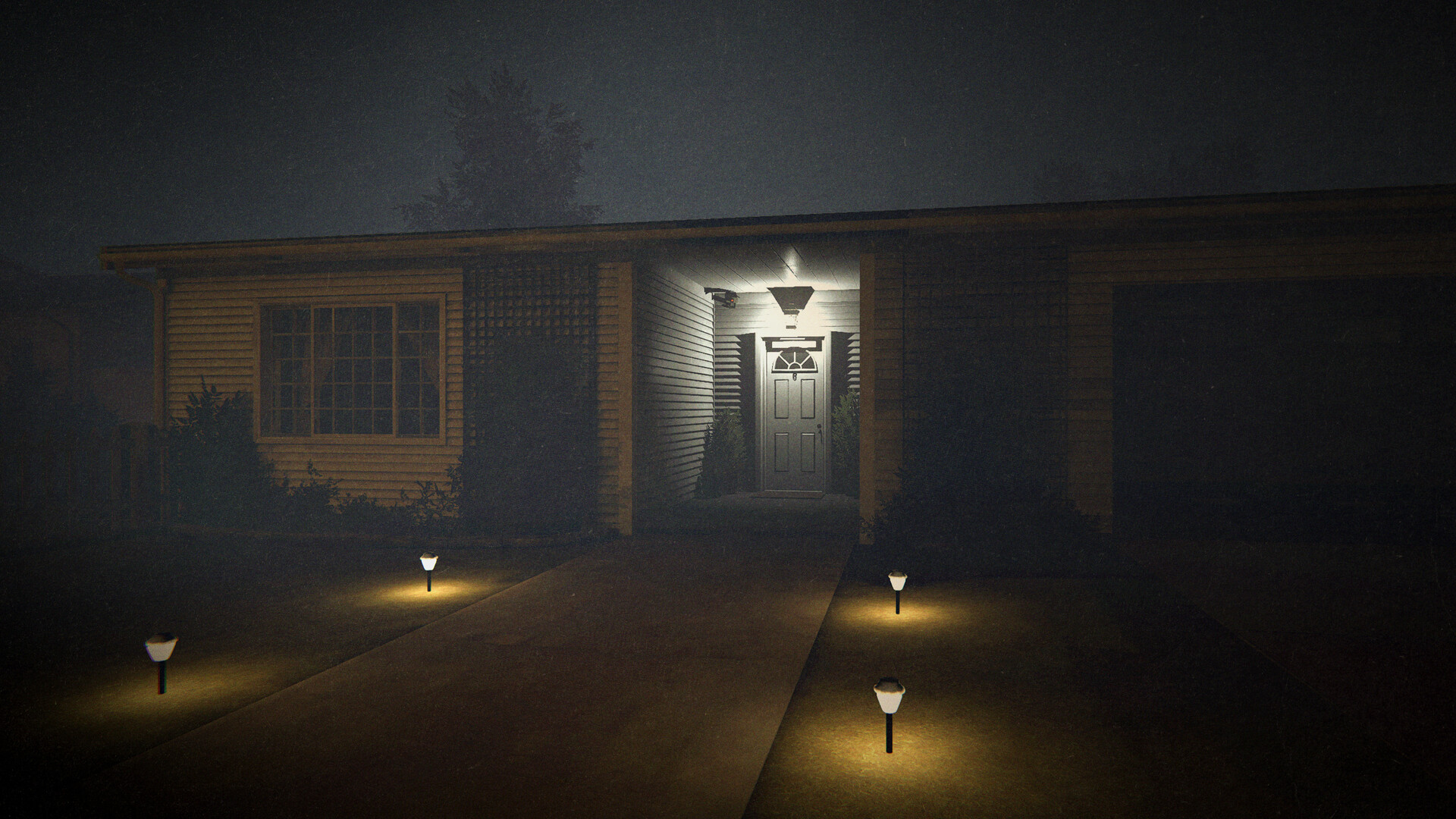
Launched in 2020 Early Access from a solo developer, and it remains in Steam's top 100 most-played games years later, a genuine phenomenon, not typical Early Access longevity. You and up to three friends enter haunted locations, using equipment to collect evidence and correctly identify the ghost type, since the specific way it kills you depends on exactly what kind of ghost it is.
The role-playing it enables, whispering, watching from the truck, arguing over EMF readings, creates a collaborative tension few other games in the genre replicate. Ongoing content updates continue to expand and refine the core loop years after launch, and it remains one of the best co-op horror experiences on Steam.
The evidence-gathering system has been expanded substantially since launch, with ghost types and their specific tells growing more numerous and more distinct, which keeps veteran players engaged years after they'd otherwise have learned every trick.
25. Lethal Company
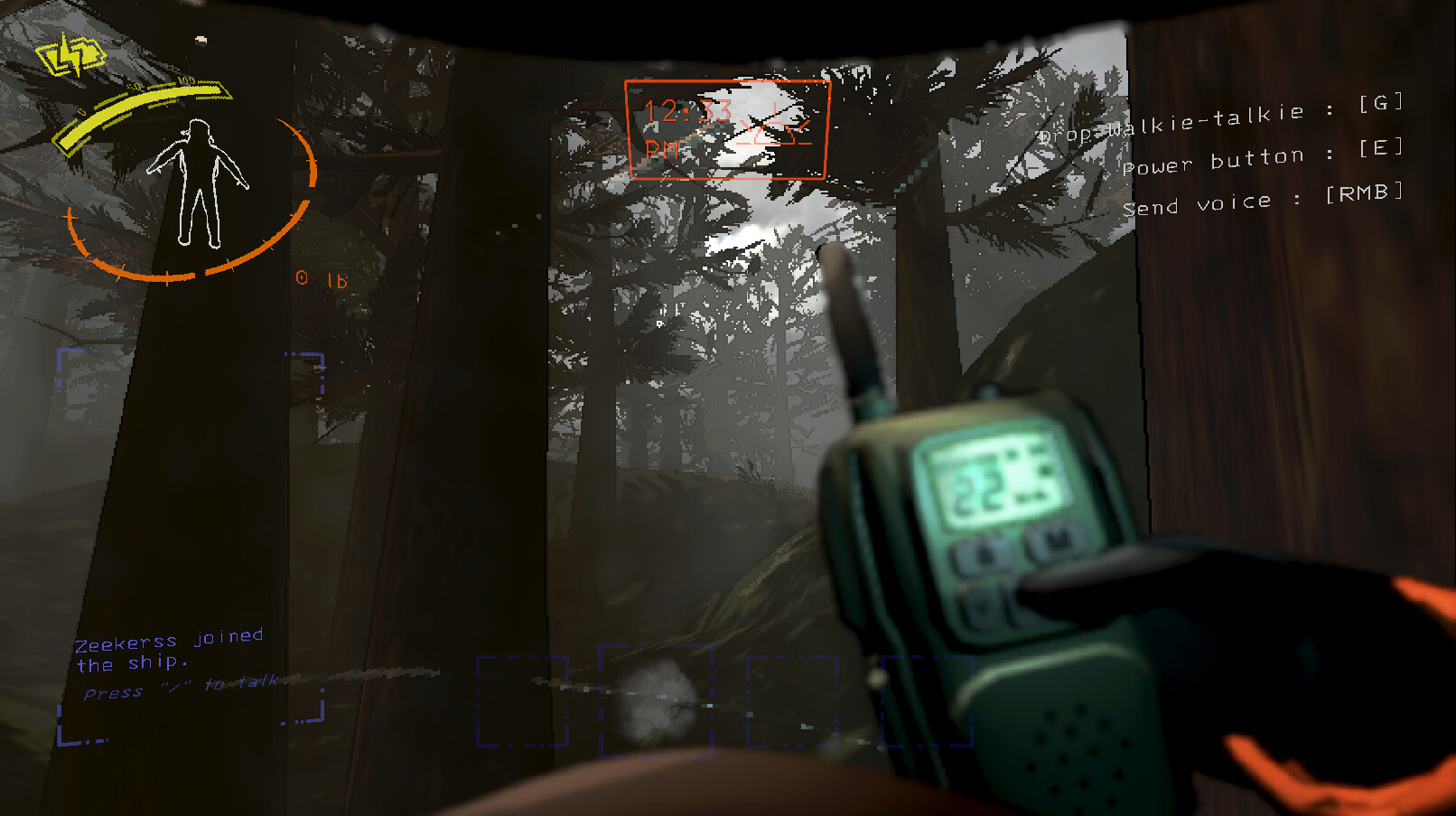
One of the highest-rated games on Steam, and the reason co-op horror exploded as a genre in the first place. A solo developer project that peaked at over 271,000 concurrent players and became a genuine cultural moment. You work for a corporation collecting scrap from abandoned moon facilities, trying to meet quota before the deadline while something wrong shares your space.
The monsters don't feel gamey. They feel like something that shouldn't be there, and sound design carries much of the horror, especially with headphones in a dark room. Slightly older now, and R.E.P.O. has arguably surpassed it for brand-new players, but the mod scene is enormous and the base design remains among the best in the genre.
Zeekerss has continued supporting this with regular content updates years after the initial concurrent-player explosion, which is a genuinely rare commitment from a solo developer who could reasonably have moved on to a new project by now.
26. R.E.P.O.
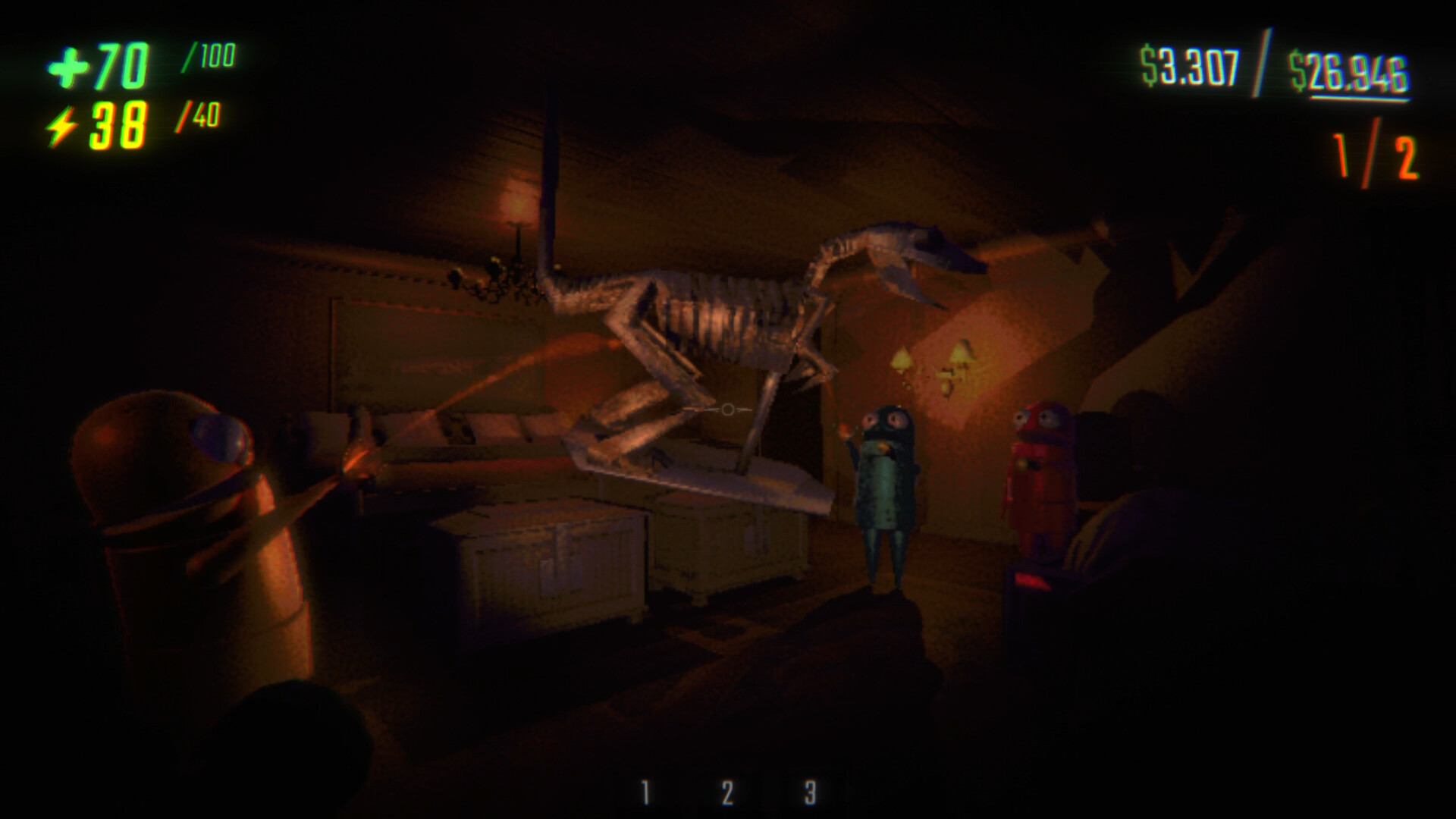
The best co-op horror game released in 2025, and it's not close. Up to six players collect valuables from haunted locations while physics-based chaos ensures nothing goes to plan. The valuables are full physics objects, meaning the mayhem is baked into the design rather than scripted. Each monster type has distinct behaviour patterns and audio cues learned over dozens of runs.
The game rewards communication and punishes lone-wolf players with a consistency that feels almost personal, and the tension escalates from manageable to genuinely tense in a way few co-op horror games manage. At under $10 split however many ways your group wants, this is the easiest recommendation on this entire list.
semiwork built the physics-based valuable system specifically to create chaos that no two groups will ever experience identically, and that unpredictability is doing more of the comedic and tense heavy lifting than the monster designs themselves.
27. Content Warning
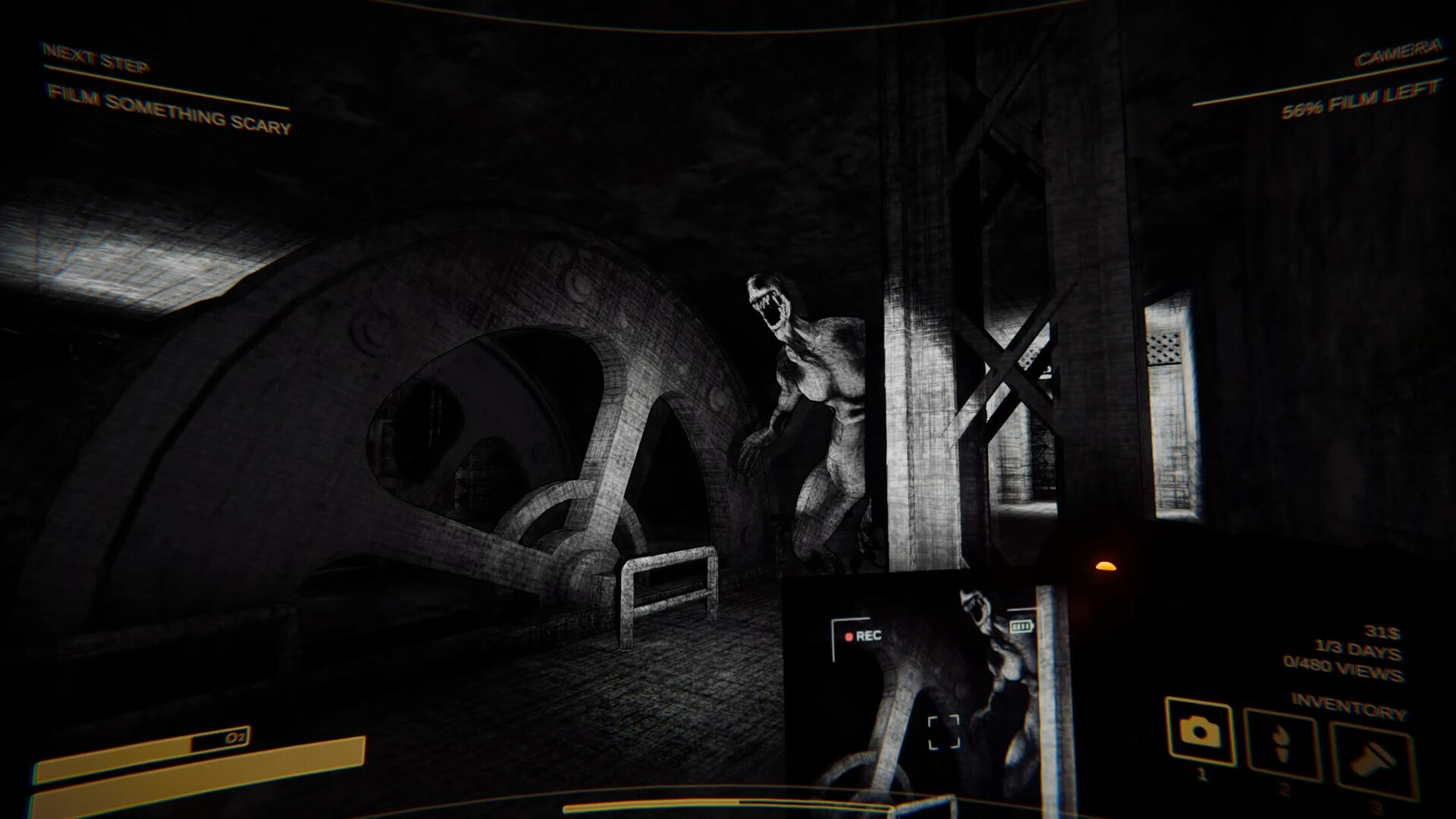
The best concept in the entire co-op horror genre. You and your friends go into a monster-infested underground world with a camera, film whatever terrifying things you find, and upload the footage for views. Your objective isn't just to survive: it's to survive AND get good footage, two goals that are frequently in direct conflict.
Free for its first 24 hours, generating enormous initial player counts, and it's settled into a steady, active community since. The core loop, film something awful, upload it, watch your numbers go up, remains endlessly replayable with the right group, and the filming objective creates a group dynamic no other co-op horror game has matched.
Landfall's decision to make the first day completely free was a genuinely smart go-to-market call for a game that depends entirely on word-of-mouth clips and shared footage to actually sell itself.
28. Five Nights at Freddy's
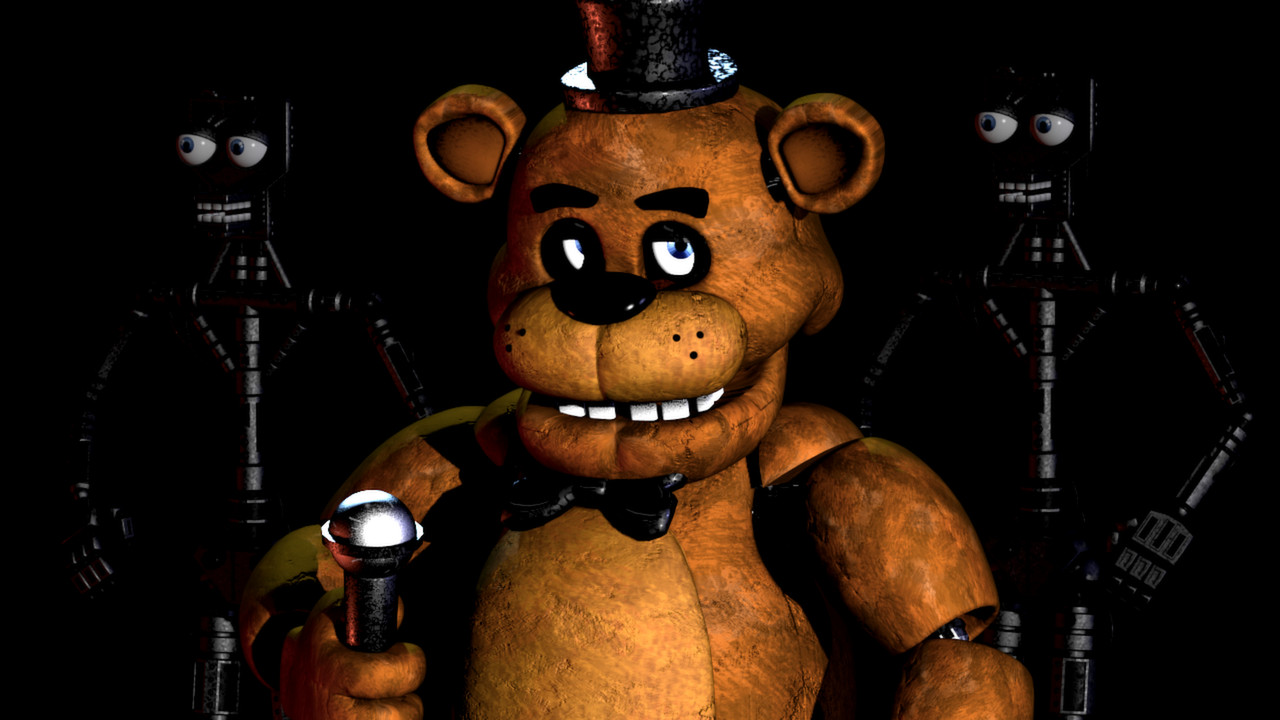
One person, one remarkable game, and a mechanic so elegant it spawned an entire genre and a franchise most players have some awareness of even without playing a single entry. You manage power across five cameras and two doors at Freddy Fazbear's Pizza while animatronic characters try to reach your office. Manage the power well enough to survive until 6am. That's the entire game.
The original is worth playing first because no subsequent entry in the now-massive franchise, including recent imitators, has matched the purity of its design. The resource management tension is genuinely inventive, and the jump scares earn their placement because the game specifically trains you to dread them.
Scott Cawthon's decision to step back from active franchise development in recent years has left the series in other hands, which makes revisiting the original specifically feel like returning to a purer, more singular vision than anything that followed.
29. Poppy Playtime
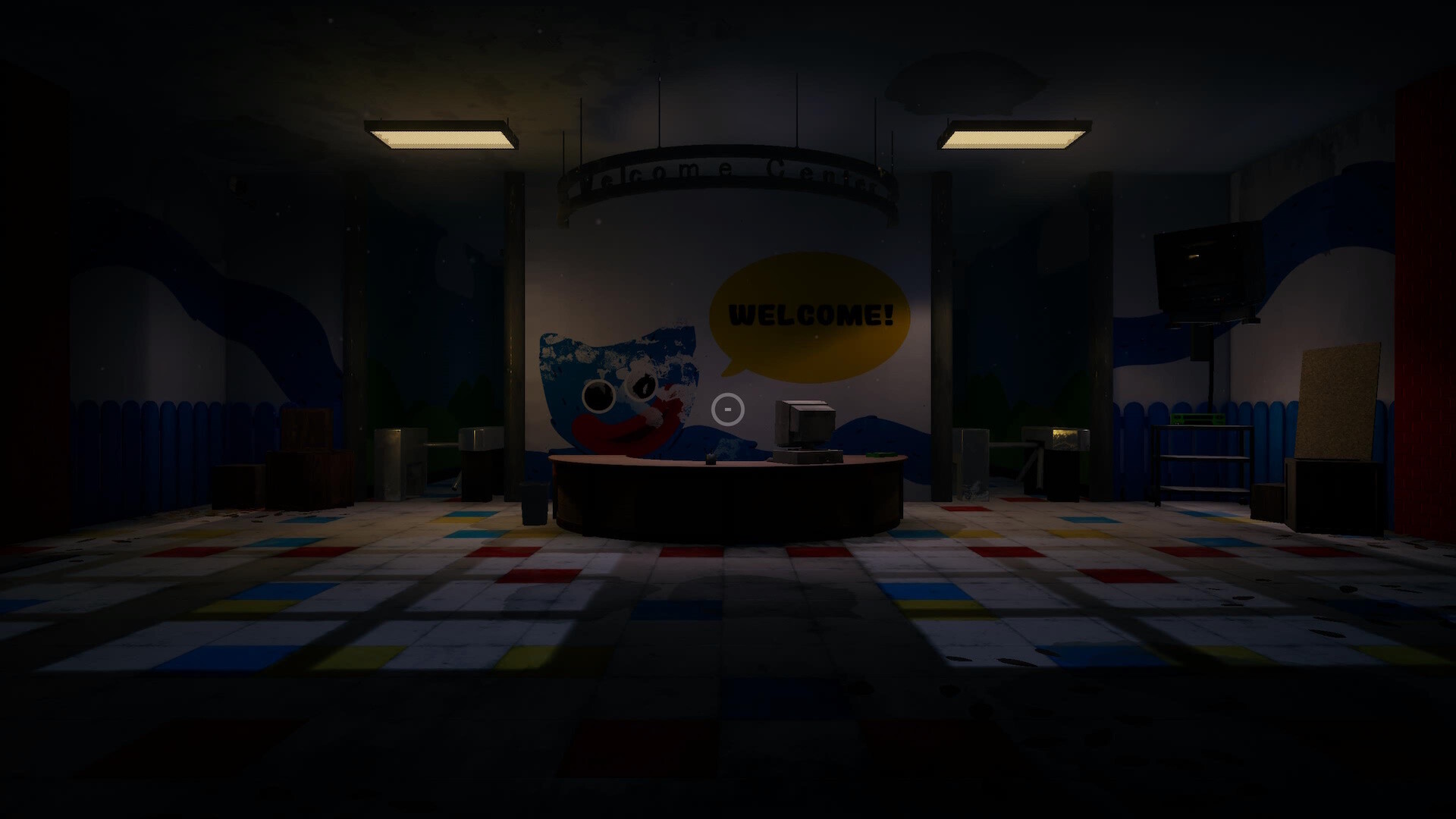
An abandoned toy factory, a decade after its staff vanished without explanation, and a multi-purpose grappling-hook glove for puzzle-solving and survival. Released episodically since 2021, each chapter has grown both the mystery and the cast of unsettling, once-cute mascot characters, becoming one of the defining titles of the mascot horror subgenre it helped popularise.
The first chapter is completely free, which makes this an easy recommendation regardless of your budget. Genuine puzzle-solving via the grappling hook keeps it engaging beyond just scares, though later chapters have drawn some real criticism for pacing and price relative to length.
Mob Entertainment's episodic release model has meant real gaps between chapters, which has tested some players' patience, but each new chapter has consistently expanded the underlying mystery rather than treading water to justify the wait.
30. Inscryption
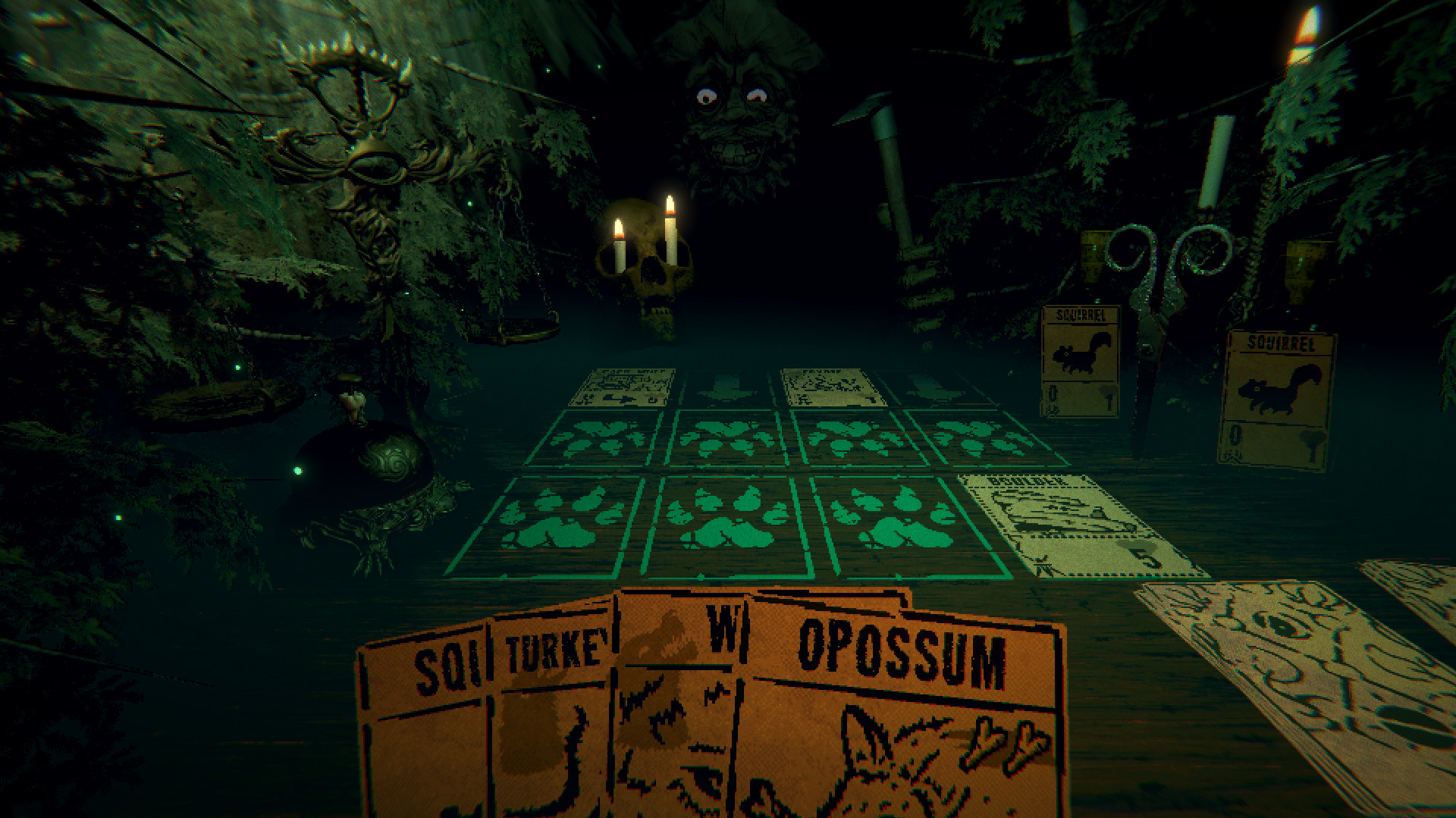
I'm not going to tell you much about Inscryption. The best thing I can do for you is send you in blind. Any description diminishes what the game does when you discover it for yourself. What I will say: it starts as a cabin-based deck-building game with a sinister atmosphere, and it does not stay there.
From Daniel Mullins, also behind Pony Island and The Hex, sharing their approach to games as objects that interrogate their own nature. The deck-building mechanics are genuinely excellent on their own merits. The surrounding structure is something else entirely, and its BAFTA Game of the Year win was fully justified. Play it before someone tells you what it does.
Daniel Mullins has a consistent pattern across his catalogue of building games that actively distrust their own medium, and this remains the clearest, most fully-realised version of that idea he's shipped to date.
Fifty games. Every horror subgenre Steam actually has to offer, from the sixteen-year-old benchmark at the top to a solo developer's found-footage liminal-space nightmare that came out this year. If you've made it this far, you now know more about what's actually good in this genre than most horror-focused outlets bother to cover in a year of separate articles.
A few honest patterns worth naming rather than burying in fifty separate entries. The best horror on Steam right now splits cleanly into two camps: small teams doing something a AAA budget would never greenlight (SIGNALIS, Darkwood, Crow Country, The Backrooms 1998, Mundaun), and genuinely massive studios finally getting the remake formula right (Resident Evil 2 and 4, Silent Hill 2, Fatal Frame II). The middle ground, competent but unremarkable horror with a real budget behind it, barely shows up on this list at all, because it barely exists as a category worth recommending.
Co-op horror deserves its own honest note. Phasmophobia, Lethal Company, R.E.P.O., Content Warning, and The Outlast Trials are ranked lower here than their cultural footprint might suggest, and that's deliberate. This list is ordered by how much a game stays with you after you've finished it, and co-op horror is built for the opposite experience. You play these to have fun with friends in the moment, not to lie awake at 2am. That's not a knock. It's just a different job than what Amnesia or SOMA are doing, and both jobs matter.
A pricing note worth stating plainly, since it changes how you should actually approach this list: buying all fifty at full price would run you close to $1,400. Nobody should do that. A meaningful chunk of these titles are frequently discounted well below their listed price: Amnesia: The Dark Descent regularly drops under $2, SOMA and Darkwood both go on sale for well under $10, and several of the co-op picks near the bottom of this list cost less than a fast-food meal at full price to begin with. Every linked FAQ page pulls live Steam pricing specifically so you're never looking at a stale number here, sale or not.
One more honest pattern, since it's the kind of thing that only becomes visible once you've actually assembled fifty of these side by side: Japanese horror developers are having a genuinely stronger run right now than almost anyone gives them credit for. Capcom's remake output, Bloober Team's SILENT HILL 2, Koei Tecmo's FATAL FRAME II remake, and NeoBards' SILENT HILL f all land in the top twenty of this list, and none of them are coasting on nostalgia alone. Each one is doing something a straight remaster wouldn't have accomplished. If you only take one recommendation away from this entire guide beyond the number one spot, let it be this: the current wave of Japanese horror remakes and reinventions is worth paying attention to as a genuine moment for the genre, not just a string of unrelated releases.
This is the pillar page now. New releases get added here as they earn their spot, existing entries get their pricing and review data refreshed automatically through the linked FAQ pages, and anything that gets delisted or superseded gets pulled rather than left to rot. Bookmark this one specifically if you're only bookmarking one horror list on this site.
31. Cry of Fear
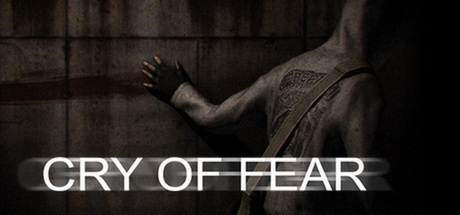
Cry of Fear started as a Half-Life 1 total conversion and became good enough to stand entirely on its own as a free, standalone release. You play a young man descending into madness on a cold Scandinavian night, and the game leans directly on the Silent Hill 2 playbook: unreliable narration, monsters that read as symptoms rather than obstacles, and a city that gets more wrong the longer you stay in it.
Team Psykskallar shipped a genuine co-op mode alongside the eight-hour single-player campaign, which is rare for something this atmospherically committed, and rarer still for something that costs nothing. Twelve years on it still gets cited as a direct influence by newer horror devs, and it earns that reputation on replay, not just nostalgia.
32. Yume Nikki
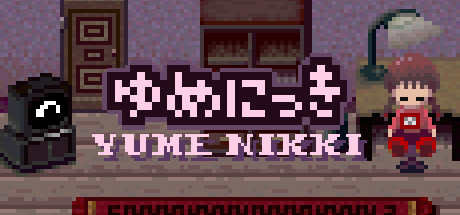
No combat, no dialogue, no stated goal. You control Madotsuki, a girl who never leaves her apartment, exploring dream worlds through her bedroom window and collecting Effects that change her form. Kikiyama built this in RPG Maker 2003 with zero interest in holding your hand, and that refusal is the entire point.
This is a precursor, not a footnote: the modern walking-sim horror genre owes it a direct debt, and its dream-logic visual language shows up in everything from Backrooms-style liminal horror to newer meta-horror games on this very list. Playism's free 2018 Steam release means there's no excuse not to have played the thing that started half of this.
33. Ib
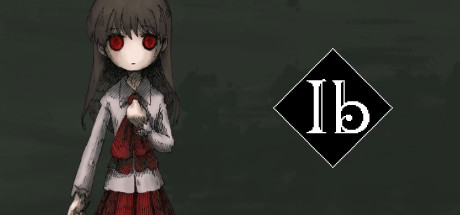
A nine-year-old girl gets separated from her parents in an art gallery, and the paintings stop staying still. kouri's 2022 remake rebuilds the beloved 2012 freeware original from the ground up: redrawn art, new puzzles, seven endings that actually diverge based on how you treated the people you meet along the way.
This sits alongside Corpse Party and Yume Nikki as one of the three games that basically invented Japanese RPG Maker horror as a recognizable style, and it's aged the best of the three. The remake's 99% approval isn't hype residue from a nostalgic fanbase voting up their childhood; it's a genuinely well-constructed exploration horror game that a first-time player with zero history with the original comes away loving just as hard.
34. Corpse Party
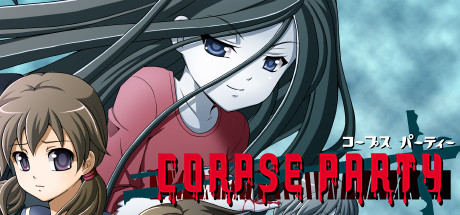
A friendship ritual goes wrong and traps a group of high schoolers in a nightmare version of an elementary school with a documented history of child murder. GrisGris built this on the same RPG Maker horror lineage as Ib and Yume Nikki, but pushed the tone considerably darker: this is genuinely brutal, unflinching horror, not atmosphere-first dread.
It's not a game for everyone, and it doesn't try to be. What it does, it does with total commitment: permanent character deaths that actually land emotionally, a mystery structure that rewards patience, and sound design that does more heavy lifting than the visuals ever need to.
35. Lone Survivor

Jasper Byrne built this solo, and it shows in the best way: a tight, personal vision of psychological horror wrapped in deliberately ugly pixel art that a bigger studio would have polished away. You choose how to survive a disease-ravaged city, sneak past threats or fight them, medicate your way through or face the deterioration head-on, and the game tracks which kind of person that makes you.
The masked protagonist's unreliable grip on what's real is the whole engine here, and Byrne resists ever fully resolving it. This predates most of the psychological-horror indie boom by years and still holds up against everything it influenced.
36. The Cat Lady

Susan Ashworth is a lonely 40-year-old on the verge of suicide when the game opens, and what follows is one of the most genuinely unflinching pieces of horror writing on this entire list. Five recurring antagonists, collectively "the Parasites," cross her path across the story, each one a distinct study in cruelty rather than a generic slasher stand-in.
Remigiusz Michalski wrote and directed this solo through Harvester Games, and the strong adult themes are load-bearing, not shock value. This isn't horror built to make you jump. It's horror built to sit with you, and thirteen years on it still does.
37. Neverending Nightmares
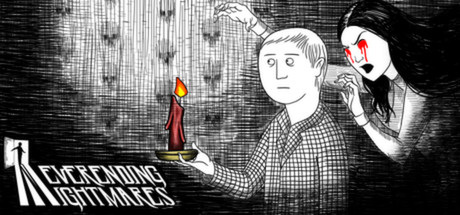
Matt Gilgenbach built this off his own lived experience with OCD and depression, rendered in a stark, Edward Gorey-inspired black-and-white pen style with splashes of blood-red. Thomas, the defenseless protagonist, wakes from one nightmare only to find himself in another, nested deeper, and the game never lets you fight back against any of it.
The reception has always been split, and it's worth saying plainly: some players find the back half repetitive rather than escalating. What's not in dispute is the sincerity of the source material, and there's a rawness here that games built by committee simply can't fake.
38. DreadOut
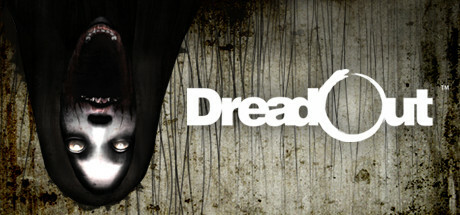
The first fully realized commercial horror game out of Indonesia, and it wears its Fatal Frame influence openly: you fend off Southeast Asian ghosts and spirits with a smartphone camera and an SLR rather than a weapon, photographing threats to weaken or banish them. A group of high schoolers stumbles into an abandoned town steeped in local mythology most Western horror fans have genuinely never encountered before.
Honest criticism first: critics were harder on the story and dialogue execution at launch than players ultimately were, and it shows in the gap between critic scores and Steam's own user rating. What earns it a spot here regardless is what it represents: Digital Happiness crowdfunded this into existence from a country with essentially no game industry infrastructure, and the mythology on display doesn't exist anywhere else in horror gaming.
39. Detention
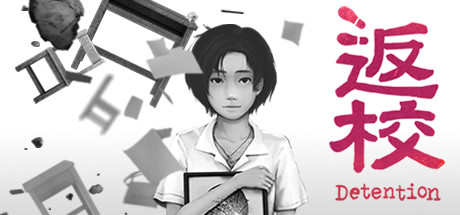
1960s Taiwan, under martial law, and two students trapped overnight in a high school that's turned genuinely hostile. Red Candle Games built their debut around Taiwanese and Buddhist mythology and, more pointedly, the White Terror period of Taiwanese history, using horror as a vehicle for something the country's own education system spent decades not talking about.
This is the rare horror game where the historical weight isn't set dressing, it's the actual subject, and the side-scrolling point-and-click execution never gets in the way of that. Red Candle's follow-up, Devotion, was pulled from Steam in 2019 over a political controversy and has never returned to the platform, which makes Detention the only way to experience this studio's work here directly.
40. Home Sweet Home
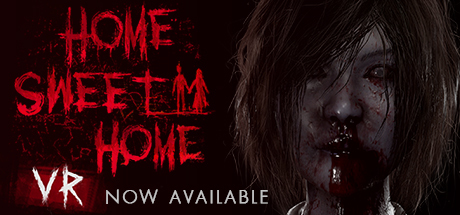
Thai mythology and folklore, rendered with a specificity that Western-developed horror almost never bothers with. Tim wakes up in an abandoned building searching for his missing wife, and Yggdrazil Group's stated design philosophy was "sharpen wits, not blades": no weapons anywhere in the first game, survival built entirely on stealth, observation, and knowing when to run.
The spirits pulled from real Thai belief systems are the whole draw here, distinct from the ghost-story grammar most horror fans have already absorbed a hundred times over. "Very Positive" reviews back up what the premise promises: genuine cultural specificity used well, not as a coat of paint.
41. Fran Bow
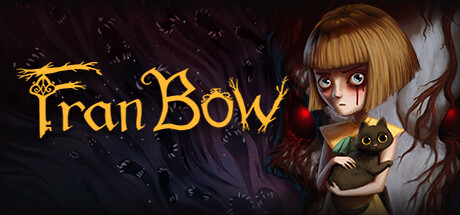
Fran witnesses something horrific, is committed to an asylum, and self-medicates her way into seeing an alternate reality called the Ultrareality where the true shape of things becomes visible. Killmonday Games, a husband-and-wife studio, built a point-and-click horror-adventure that pairs a deliberately cute, childlike art style against genuinely dark and disturbing subject matter throughout.
That contrast is the entire mechanism, and it works because the studio never winks at you about it. Ten years and 22,000-plus reviews later, it's still sitting at 97% positive, which for a two-person team working outside any publisher system is a genuinely remarkable result.
42. Yuppie Psycho
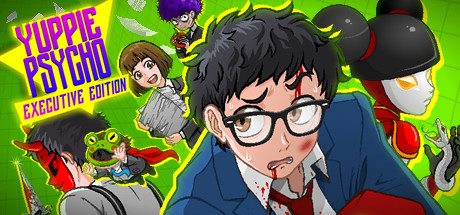
First day at a new job, and the job is hunting a witch that's corrupted the company from the inside. Baroque Decay built corporate horror as a genre unto itself: Brian Pasternack has to navigate office politics, an HR department staffed by literal walking mouths, and a boss who very much wants him dead, all without any real combat, relying on stealth to keep the Witch off him.
The satire lands because it's specific rather than generic: this is a studio that clearly worked a soul-crushing corporate job before making games, and every floor of Sintracorp reads like a lived grievance turned into level design. Metacritic 81 is a fair reflection of a genuinely distinctive, well-executed idea.
43. SCP – Containment Breach
Free, procedurally generated, and arguably the single most influential piece of collaborative-fiction horror gaming has ever produced. You're a disposable D-class test subject loose inside a containment facility during a mass breach, and the game's most famous threat, SCP-173, only moves when you're not looking directly at it, a mechanic that's been copied by more games than anyone's bothered to count.
This is the direct structural ancestor of the Backrooms mythology, not a coincidence: anomalous-facility exploration, numbered containment areas, disposable test subjects, all of it predates Backrooms by roughly a decade. One solo developer working from the SCP Foundation's community writing project built something that spawned SCP: Secret Laboratory (228,000-plus reviews on its own) and an entire subgenre underneath it.
44. Imscared
The game that started meta-horror as a recognizable subgenre. Ivan Zanotti built this to break the fourth wall for real: it touches your actual desktop files, renames things, changes your wallpaper, sends you messages the game itself shouldn't know how to send. PC Gamer called it an indie horror masterpiece back in 2012, and IGN was still naming it one of the best horror games on PC a decade later.
Doki Doki Literature Club's players cite this directly as the ancestor of DDLC's own fourth-wall trick, in their own community discussions, not as critical retrofitting. This is the blueprint everything from FAITH to Inscryption's stranger moments eventually built on.
45. Spooky's Jump Scare Mansion

A thousand rooms, and Spooky's House initially plays the premise as cute: cardboard cutout ghosts, a friendly narrator, low stakes. Lag Studios lets that mask slip gradually and deliberately, and by the back half of the run the thing chasing you through the mansion is genuinely, seriously horrifying rather than tongue-in-cheek.
The free-to-play entry point removes any excuse not to try it, and the escalation structure has become a genre template of its own: several games on this list owe Spooky's a debt for proving that tonal whiplash, cute-to-horrifying, works as a design philosophy rather than a gimmick.
46. Home Safety Hotline
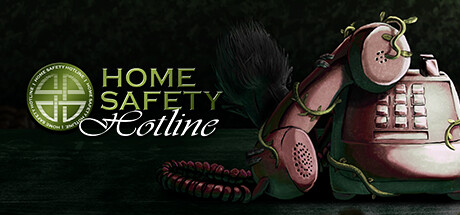
You work a 90s call center, fielding calls from panicked homeowners describing pests, hazards, and things that shouldn't exist in their walls. Designer Nick Lives built this analog-horror telephone-operator simulator under the Puppet Combo banner, and it's a hard left turn from that studio's usual VHS-slasher house style: zero combat, zero exploration, just a desk, a catalog of household horrors, and a decision to make about what you tell the person on the other end of the line.
This is the same analog-horror lineage that produced the Backrooms mythology and Kane Pixels' found-footage series, applied to an entirely original premise instead of borrowing an existing one. The lo-fi jazz soundtrack and CRT-monitor aesthetic do enormous work here, and the format itself, being genuinely responsible for what happens to a caller, is a structurally interesting kind of dread most horror games never attempt.
47. Bendy and the Ink Machine
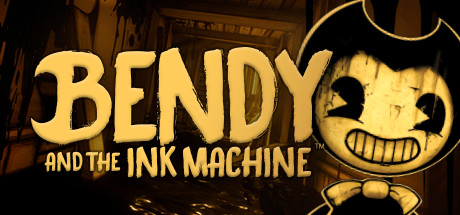
Henry returns to the abandoned animation studio where he once worked, and the ink itself has started coming alive. theMeatly built this episodically starting in 2017, leaning into a black-and-white 1930s cartoon aesthetic that turns childhood animation nostalgia directly into body horror, and it's one of the titles most responsible for establishing mascot horror as a genre people actively seek out.
Markiplier's playthrough alone pulled in over three million views on the first chapter, and that Let's Play visibility genuinely shaped how the next several years of indie horror got discovered and funded. The puzzle-solving holds its own, but it's the atmosphere and the central mystery of Joey Drew Studios that keep people coming back chapter after chapter.
48. Puppet Combo — Stay Out of the House
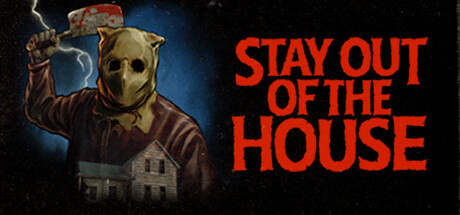
If indie horror has a single most recognizable house style right now, it's Puppet Combo's: VHS scan lines, deliberately janky PS1-era polygons, slasher-movie plotting stripped down to its rawest form. Stay Out of the House puts you investigating a butcher's family home that's exactly as unsafe as the title warns, with a killer that plays by old-school survival-horror rules rather than modern jumpscare pacing.
This is less a single game than a brand at this point, and Home Safety Hotline earlier in this list is the same studio proving the aesthetic isn't a one-trick pony: Puppet Combo has built a devoted following by refusing to modernize the retro slasher grammar even slightly, and it still works precisely because it's executed with real craft rather than nostalgia-bait.
49. FAITH: The Unholy Trinity
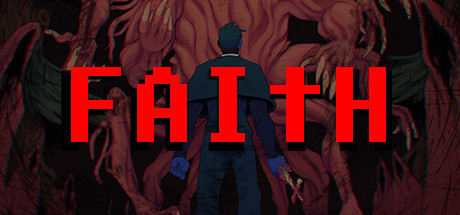
A young priest returns to the house where an exorcism went catastrophically wrong the year before, rendered entirely in chunky 8-bit pixels that should be too crude to scare anyone and somehow aren't. Airdorf Games built all three FAITH chapters around 1980s Satanic Panic paranoia, using rotoscoped animation and deliberately primitive visuals to make the imagination do the actual work.
The restraint is the whole trick: you see almost nothing in clear detail, and the demonic EVPs channeled through abandonware speech synthesizers do more unsettling work than any modern character model could. 95% Overwhelmingly Positive across nearly 8,400 reviews is a real vindication of the bet that low-fidelity horror isn't a limitation, it's a specific and effective tool.
50. Kholat
No weapons, no combat, not even a way to fight back if something notices you. Kholat drops you into the Ural Mountains with a compass, a map, and Sean Bean's narration, tracing the real, still-unexplained deaths of nine hikers in the 1959 Dyatlov Pass incident. IMGN.PRO built pure atmospheric dread here: when a spirit catches you, the only option is to run, and running rarely works.
Reviews sit at Mixed, and that's a fair, honest reflection: some players found the repetitive wilderness navigation dragged rather than built tension. What doesn't get disputed is the atmosphere itself, genuinely unsettling rather than jump-scare reliant, and the true-crime foundation gives it a weight most fictional horror premises simply can't manufacture.
Fifty indie horror games, ranked, none of them wearing a AAA budget. The pattern worth naming plainly: nine of these thirty carryover entries and a meaningful share of the twenty new additions came from teams of five people or fewer, several from a single developer working completely alone. Frictional, Team Psykskallar, Killmonday, Kikiyama, kouri, Ivan Zanotti, Daniel Mullins. Horror keeps proving to be the genre where a small, focused team with a genuinely strong idea can out-atmosphere a studio with a hundred times the budget, because dread doesn't scale with production value the way spectacle does.
The genre-originator cluster deserves its own callout, since it's easy to miss scrolling past fifty individual entries: SCP - Containment Breach and Imscared aren't just old games that happen to be good, they're the direct structural ancestors of mechanics and subgenres that show up repeatedly further up this list and across the wider genre. The Backrooms mythology owes SCP a real debt. Doki Doki Literature Club's players cite Imscared as its own ancestor in their own community discussions. Knowing the lineage changes how several other entries on this list read.
A pricing note, same honest framing as the main pillar: several of these cost nothing at all. Cry of Fear, Yume Nikki, SCP - Containment Breach, and Spooky's Jump Scare Mansion are all free, and none of them are lesser for it. If budget is a real constraint, start there rather than skipping the list entirely.
Devotion, Red Candle Games' other horror title, is not on this list, and it's worth explaining why rather than leaving the gap unexplained: it was delisted from Steam in 2019 following a political controversy and has never returned to the platform, only available now DRM-free through the developer's own storefront. Detention, the studio's debut, remains here and remains excellent on its own merits.
This is a companion pillar to the main 50-game horror guide, not a replacement for it. Read that one if you want the full picture including the AAA remake wave. Read this one if "indie" is the actual filter you're horror shopping by. Both get updated as the genre moves, same as always.