Dave the Diver, Stardew Valley, Hades: Why Cozy Games Are the Fastest Growing Genre
The average gamer is in their mid-30s. They have jobs, families, and limited time. Cozy games exist for them. Here's why the genre is exploding and what it means for indie developers.

TL;DR
- The average gamer is now around 35 -- jobs, families, and limited time explain the cozy genre's growth.
- Stardew Valley, Dave the Diver, and Hades cited as evidence the genre spans far more than farming sims.
- The argument: this isn't a fad, it's a demographic shift the industry is only just catching up to.
The average age of a gamer in 2026 is approximately 35. I am on the older end of that range, and I can tell you from personal experience that the way I play games has changed substantially from how I played them at 22. Not my ability to play them. The conditions under which I can play them, and what I need from them when I do.
At 22 I had no competing demands on my attention. I could sit down with a demanding game at 9pm and still be playing at 2am with no particular consequences. At 35 I have a finite number of usable evening hours and a brain that has spent the day making decisions and managing situations. The games that work for me in that state are not the same games that worked for me at 22.
Cozy games figured this out before most of the industry did, largely because the people making them were part of the audience they were designing for. They are now one of the fastest-growing segments in gaming. The commercial results are not niche. The audience was always there. It just was not being served.
What Cozy Actually Means
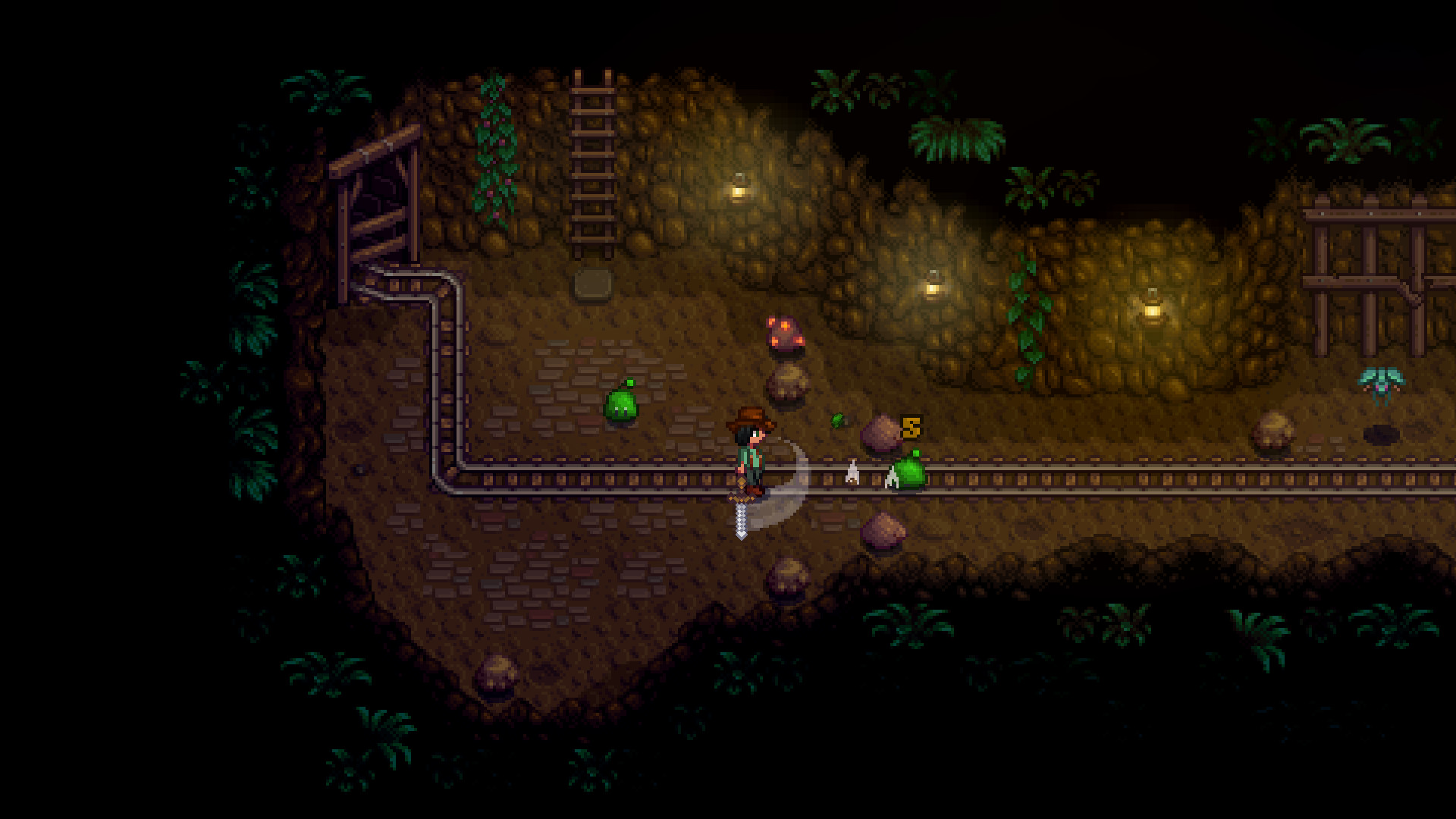
Cozy is a spectrum rather than a binary. Stardew Valley is cozy. Animal Crossing is cozy. Dave the Diver is cozy despite having genuinely challenging boss fights and a management system that becomes complex. Hades is cozy despite being a mechanically demanding action roguelite.
What these games share is not an absence of challenge. It is an absence of permanent punishment for failure. You can fail a Hades run and your run ends, but nothing is gone permanently. You can have a terrible farming season in Stardew and nothing bad actually happens. Next season starts fresh. You are never locked out of content because you had a difficult week and could not play. The game is patient with you.
For a player with 90 minutes on a Tuesday evening after the children are in bed, a game that penalises inattention with significant permanent lost progress is not entertainment. It is a second source of stress delivered through a different medium. Cozy games are built around the recognition that for a large and growing portion of the gaming audience, the barrier to entry is not ability but time, energy, and mental availability.
This is not a lowering of standards. It is a different standard, one calibrated to a different life stage and different conditions of play. The games industry spent thirty years building products for teenagers with unlimited time. The cozy genre is the correction that happens when those teenagers grow up and stop having unlimited time, but also stop wanting to stop playing games.
The Mechanics of Rest
There is a specific design pattern that almost every successful cozy game shares, and it does not get talked about enough because it sounds obvious when stated plainly. Cozy games are built around tasks with clear completion states and proportional rewards.
You water the crops. The crops grow. You harvest them. The money arrives. You upgrade the farm. This loop is not intellectually demanding. That is precisely the point.
When I am nine hours into a working day and I sit down with a game, I do not want a system that requires me to learn new information and apply it under time pressure. I want a system where I already understand what to do, where doing it produces visible results, and where the results accumulate into something that looks different from where I started. That is what cozy games provide.
The research on this is fairly clear even if game developers rarely cite it explicitly. Psychologists refer to the state of doing a moderately engaging task that requires light attention but not deep cognitive load as effortful rest. It is more restorative than passive consumption like watching television, and substantially less taxing than creative or analytical work. Cozy games sit almost perfectly in this window for most adult players.
This is not a design accident. The best cozy developers understand, intuitively or explicitly, that their players are using the game to decompress rather than to be challenged. The game has to be interesting enough to hold attention and simple enough not to add to cognitive load. Getting that balance right is harder than it looks. Most games designed with explicit relaxation goals end up being boring rather than restful, because they remove the engagement that makes the task feel worth doing.
Stardew Valley
At a glance: Farming Simulation RPG. 50-100+ hrs. Easy difficulty. Multiplayer.
Stardew Valley gets this exactly right. There is always something to do. None of it is complicated. All of it produces visible results. The game understands what it is for in a way that most games, even excellent ones, do not. It never wastes your time and it never forgets that you have other things to do with your evening. That kind of respect for the player's attention is rarer than it should be.
The Numbers Are Not Niche
Stardew Valley was made by one person, ConcernedApe, working alone for four years. It has sold over 30 million copies across all platforms since 2016. It received its most substantial content update to date in 2024, a decade after release, without charging for any post-launch content. One person. 30 million copies. Still actively supported in 2026.
Animal Crossing: New Horizons launched in March 2020 and sold 45 million copies. It was the best-selling game of 2020 by a significant margin, outselling Call of Duty in the year it launched.
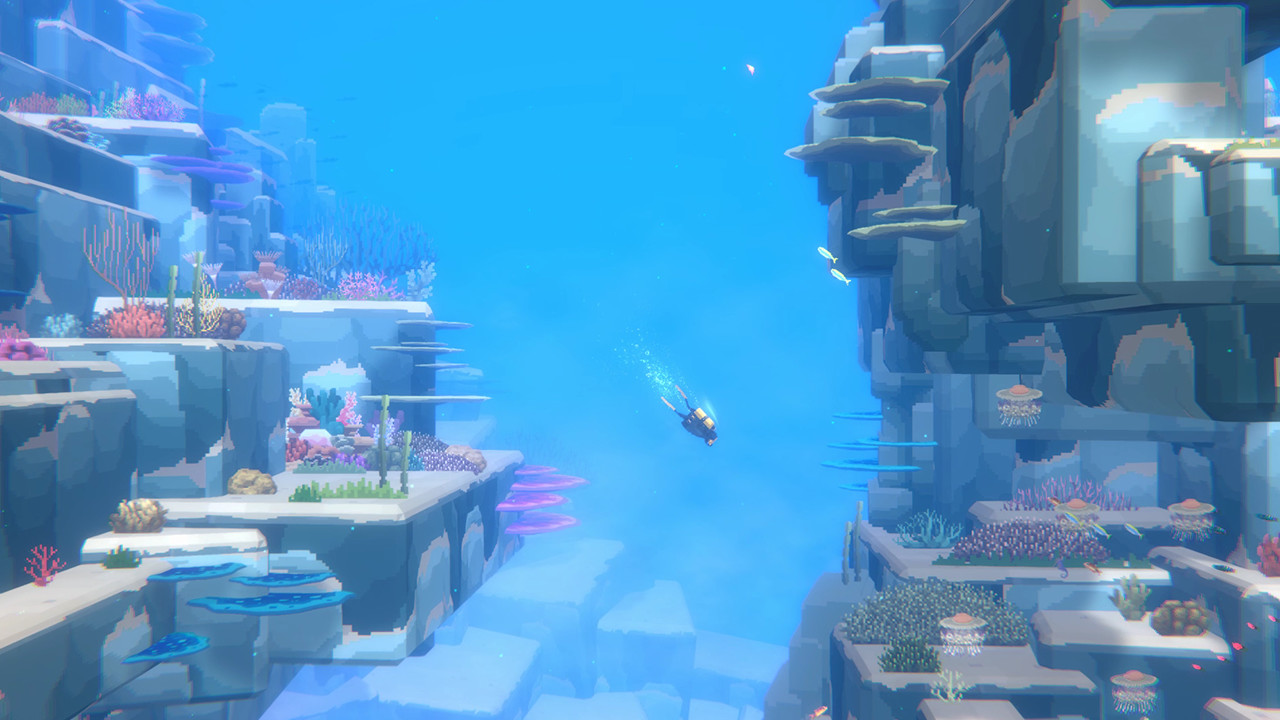
Dave the Diver sold over 3 million copies in its first year from a relatively small MINTROCKET team and received Game of the Year nominations from major outlets.
These are not the numbers of a niche genre. Stardew Valley has outsold the majority of AAA releases from the same period. Animal Crossing outsold the genre-defining competitive shooter of the same year. The cozy genre is generating mainstream commercial results from games made at fractions of AAA budgets, by teams that would not qualify for a room at most gaming conferences.
I genuinely find it baffling that the games press still treats this as a secondary market. 45 million copies. One person made a game that outsold Call of Duty. At what point does the industry decide this audience deserves to be taken seriously rather than treated as a demographic that stumbled into the wrong hobby?
Why Indie Developers Own This Space
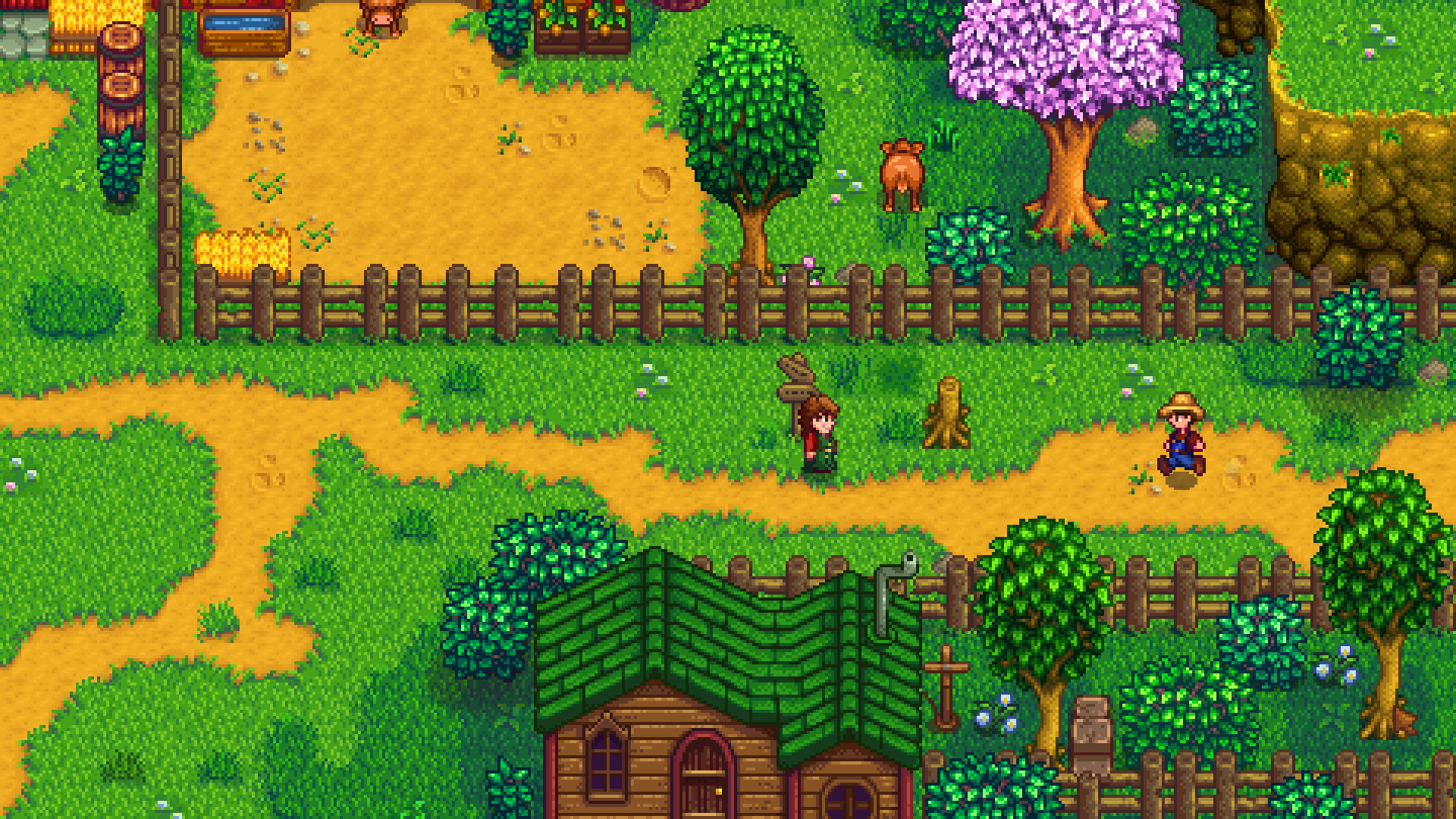
The cozy genre favours independent developers for structural reasons that are worth understanding specifically.
Cozy games do not require the technical infrastructure that competitive multiplayer or photorealistic graphics demand. You do not need a $50M rendering budget to make something warm and inviting. Stardew Valley uses pixel art. Animal Crossing uses simple 3D that has not substantially changed in fifteen years. The visual language of the genre rewards charm, personality, and attention to detail over technical spectacle.
More significantly: the design values of cozy games suit small teams in a way that AAA production cannot replicate. The reason Stardew Valley feels internally coherent, why every character has a believable personality, why the world feels like it exists independently of the player, why the seasonal rhythm feels inevitable rather than designed, is that one person made all of it. One voice. One set of values. One vision for what warmth means in this specific game.
That coherence is extremely difficult to manufacture with three hundred people across multiple departments. It is almost natural when one person builds something they genuinely want to exist. The authorial quality, the sense that a particular human being is behind every decision, is not something you can resource your way into.
This is also why attempts by large studios to enter the cozy market have generally failed or felt hollow. Disney Dreamlight Valley. The various attempts to make something in the Farmville vein that people would actually want to play. They have the production values. They do not have the authorial voice. Players can tell the difference, even if they cannot articulate exactly why, because the thing that makes a cozy game feel cozy is the sense that someone made it for reasons that had nothing to do with monetisation strategy. No amount of budget can fake that.
What the Genre Growth Signals About the Market
The cozy game boom is not a trend. It is a market correcting for a demographic miscalculation that the games industry made for thirty years.
The people who were teenagers when the PlayStation launched are now in their early forties. They grew up with games as a primary entertainment medium and have not stopped playing. But their relationship with gaming has evolved because their lives have evolved. The industry has been slow to acknowledge this partly because marketing departments primarily think about the demographic that generates the most visible online engagement, and design accordingly.
For indie developers, the cozy genre represents one of the more favourable market positions available in 2026: a large and growing audience, a lower production cost ceiling than most genres, AAA publishers structurally unsuited to compete here, and an audience that rewards authenticity over production spectacle.
Stardew Valley will not be overtaken by a $200M farming simulator with seasonal battle pass content and live service components. It will be overtaken, if it ever is, by the next ConcernedApe spending three to four years alone making exactly the game they want to play. The conditions that produced the original will produce the successor, not production scale.
The cozy space also has better retention economics than most genres. Players who find a cozy game they love return to it repeatedly over years. Stardew Valley players who started in 2016 are still playing in 2026, and some of them are playing it with their children now. That kind of decade-long player relationship is not possible for a live service game that sunsets its servers or a battle royale whose meta shifts every six weeks. The cozy player is not chasing novelty. They are returning somewhere they feel good. That is a fundamentally different relationship, and one that independent developers are structurally better positioned to build.
The next Stardew Valley is being made right now by someone who probably has not told anyone about it yet, in their spare time, for their own reasons. That is genuinely the best news in gaming, and it costs nothing to be the person who finds it when it comes out and tells everyone they know. The discovery infrastructure for this kind of game is worth building. Follow the right curators, check itch.io occasionally, and pay attention when small games surface in communities whose taste you trust. The excellent ones are there. They just require more active finding than the algorithm will do for you.
Stardew Valley is available on PC, Switch, PS4, and Xbox. $14.99. One person. 30 million copies. The single strongest argument for independent game development you can play.
Buy on Steam | Dave the Diver
One blunt observation: the cozy game genre also has a significant amount of crap in it. Not every game that calls itself cozy deserves the label. Some are cozy aesthetics applied to tedious mechanics. Apply the same judgement you would to any other genre.