The Elden Ring Difficulty Discourse Is Exhausting and Everyone Involved Is Wrong
Every time FromSoftware releases a game, the internet spends two weeks arguing about whether it should have an easy mode. Both sides of this argument are tedious. Here's the actual take.

TL;DR
- 25 million copies sold with no easy mode -- directly disproving two decades of AAA industry wisdom.
- More built-in difficulty management than any prior FromSoftware game: Spirit Ashes, co-op, an open world you can overlevel.
- One of the best games of the last decade, and the difficulty is doing real design work, not gatekeeping.
Elden Ring sold 25 million copies. It won Game of the Year at every major ceremony in 2022. It has no easy mode. Every time FromSoftware releases a game, approximately half the games press spends two weeks writing essays about why it should have one, and the other half spends the same two weeks writing essays about why adding one would ruin everything.
I have watched this argument run through Demon's Souls, Dark Souls 1, 2, and 3, Bloodborne, Sekiro, and Elden Ring. I have participated in it at different points. I have now arrived at a position I want to stake clearly:
Both sides are wrong. Both sides are boring. The discourse has produced no useful game design thinking in fifteen years of running and is actively preventing more interesting conversations about what these games actually are.
The Anti-Easy-Mode Side Is Wrong
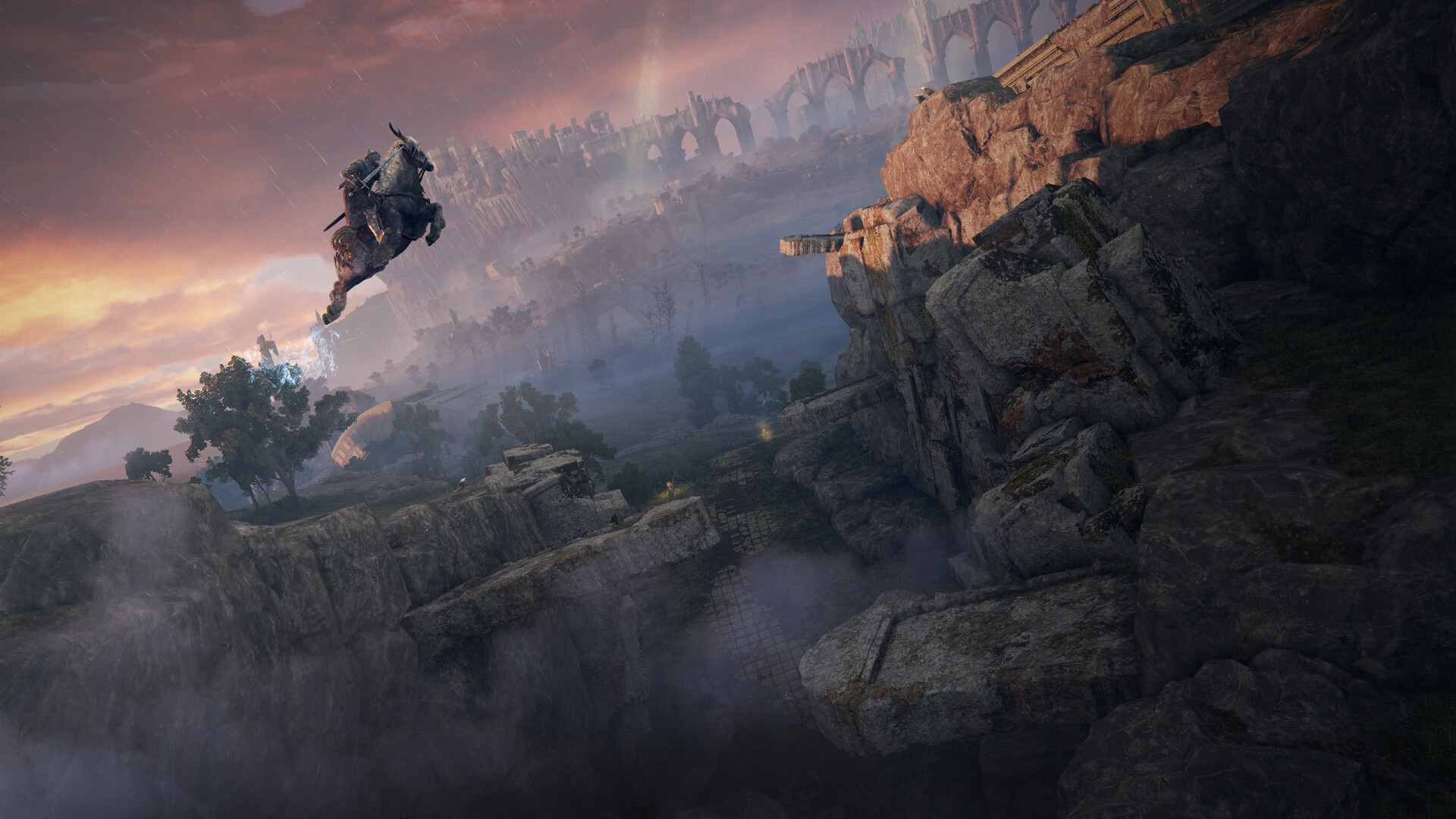
The argument that adding an easy mode would "ruin" the experience does not survive examination at any level of rigour.
Your save file does not communicate with anyone else's. What difficulty another player selects has zero effect on your experience. The challenge you face is unchanged by another player facing a reduced version of it. The sense of accomplishment from defeating Malenia after many attempts is not diluted by someone else being able to skip her. These are not connected systems. The argument that they are connected requires a theory of achievement that depends on other people's failures for its meaning, which is a strange thing to admit you need from a video game.
The more sophisticated version of the anti-easy-mode argument is that difficulty is intrinsic to the artistic vision. That the specific experience of earning progression through genuine failure, learning through death, is a core aesthetic that an easy mode would undermine. Hidetaka Miyazaki has said something close to this in interviews. I take it seriously as a statement of creative intent.
This is partially true and mostly overstated. The environmental storytelling, the history communicated through item descriptions, the visual narrative of the Lands Between, the implication of civilisational collapse in every architectural detail, has no functional relationship to the difficulty setting. The combat is one component of a multi-layered experience. It is not the experience itself.
What a significant portion of the anti-easy-mode crowd is actually defending is the exclusivity of a membership badge. Having completed a FromSoftware game is an achievement with social currency in certain communities, and an easy mode dilutes the scarcity of that currency. That is not an artistic argument. That is gatekeeping with artistic vocabulary attached, and I think it is worth calling it that plainly.
The Pro-Easy-Mode Side Is Also Wrong
FromSoftware has the right to make the game they want to make. They have made it. It has sold 25 million copies at its current difficulty level. The argument that they must add an easy mode to serve players who do not want to engage with the difficulty as designed is an argument that creative intent should be subordinated to universal accessibility, which is a position that does not scale well. We do not generally require novelists to write simplified versions of their books for audiences who find the prose demanding.
More practically: Elden Ring already has more built-in difficulty management than any previous FromSoftware release. Spirit Ashes let you summon AI companions for most major encounters. Co-op summon signs allow you to bring another player into any boss fight. The open world structure means you can overlevel almost any encounter by exploring elsewhere first and then returning. You can spend several hours in early Limgrave and arrive at late-game bosses with substantially more power than the intended progression assumes.
The discourse around FromSoftware difficulty is almost always conducted by people who have not actually used all of these tools and found them insufficient. I know this because when you ask people complaining about Elden Ring's inaccessibility whether they tried Spirit Ashes for the boss they are stuck on, you frequently discover they did not know that option existed or did not use it. The difficulty management tools are substantial. The discourse largely ignores them.
The accessibility argument for players with specific disabilities is the strongest version of the pro-easy-mode case and I want to separate it from general difficulty preference. Players with certain physical conditions face real and specific barriers with games built around precise input timing. That is a genuine design challenge that FromSoftware has incrementally addressed across releases and should continue to address. But conflating disability access needs with general player difficulty preference treats two distinct things as if they were the same argument.
What FromSoftware Games Actually Are
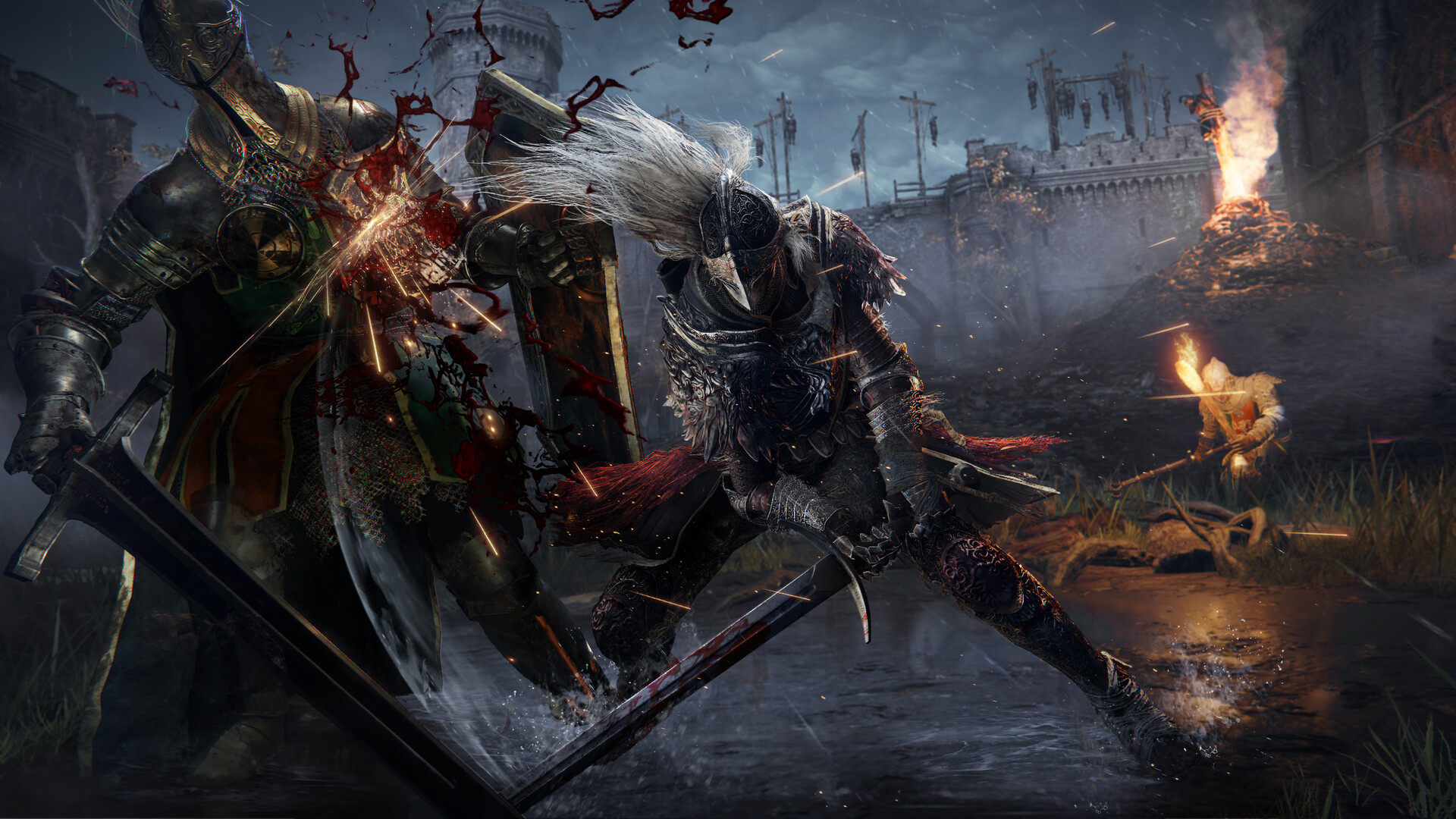
I think the difficulty discourse is genuinely damaging to understanding these games because it reduces them to one property when they are actually doing several things simultaneously.
Elden Ring is, among other things, a world-building achievement. The Lands Between is one of the most densely imagined game environments ever constructed. The lore embedded in item descriptions, the visual communication of history through the state of ruins and the positioning of landmarks, the ecological logic of how different regions relate to each other, all of this represents a specific kind of creative ambition that has nothing to do with whether Margit is beatable on the first attempt.
FromSoftware games are also exploration games in a specific sense. The design philosophy rewards attention paid to environments in ways that most games do not. A door you noticed in passing becomes relevant three hours later. A merchant's offhand remark turns out to be a puzzle piece. The world has a density of interconnection that only reveals itself to players who are paying close attention, and the difficulty is partly a mechanism that slows the pace of progress enough to allow that attention to be paid. The deaths are, among other things, time to look around.
They are also, distinctly, games about persistence. The specific emotional arc of encountering a challenge that seems impossible, learning its patterns, developing the skill to respond to them, and eventually succeeding is a designed experience. That arc requires genuine challenge to function. An easy mode does not necessarily destroy this, but it does change what that arc means, and Miyazaki's stated preference for not providing one is a coherent design position even if it is not the only valid one.
None of these things are what the difficulty discourse is about. The conversation that would actually be interesting is about what these games are communicating, how the difficulty functions in service of that communication, and why this specific approach to design found an audience of 25 million people when the industry consensus was that it would be too niche to sustain. That is genuinely interesting. The easy mode argument is not. It has never produced an insight and the next fifteen years of it will not produce one either.
What the Debate Is Actually About
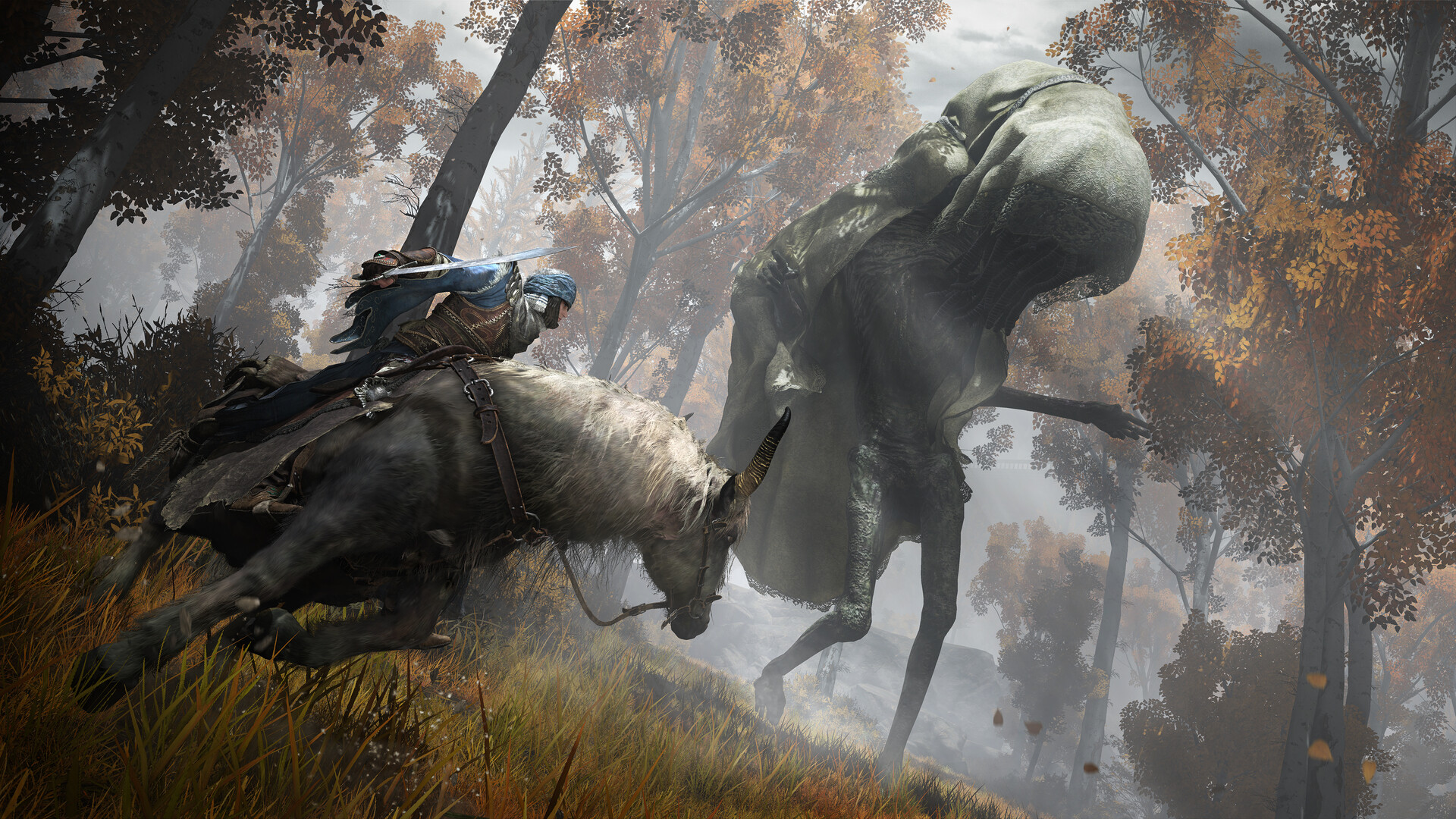
This is not primarily a game design debate. If it were a game design debate, it could be conducted calmly and would produce useful conclusions. It cannot be conducted calmly because it is not actually about game design.
For the anti-easy-mode camp, the underlying issue is social capital. Completing a FromSoftware game is a membership badge. An easy mode threatens the badge's exclusivity. People who have invested in that badge have a material interest in the games remaining gates that not everyone can pass. This is a completely understandable human motivation and a completely irrelevant basis for a design argument.
For the pro-easy-mode camp, the underlying issue is a broader political identity around inclusion in entertainment spaces. The target is not really Elden Ring's difficulty specifically. It is the concept of intentional gatekeeping in entertainment as an inherently exclusionary practice. This is also a legitimate concern in many contexts and an imprecise tool when applied to a specific game design decision by a specific studio.
Both are legitimate concerns in their appropriate contexts. Neither produces useful game design discourse when applied to whether a specific game needs a specific feature. The debate generates heat because it is actually about identity and belonging, and the anger on both sides is proportional to how personal those stakes feel. Game design is just the surface the argument is fought on.
Why 25 Million People Bought It
The commercial success of Elden Ring is the most interesting fact in the modern games industry that nobody is discussing properly, and the easy mode discourse is a large part of why.
The received wisdom in AAA game development has been, for at least twenty years, that difficulty is a barrier to audience. Games that are hard are for a niche. To reach mainstream audiences you smooth the edges, add difficulty settings, make sure players are not bouncing off the first hour. This wisdom has shaped the design of almost every major release from major publishers for two decades.
Elden Ring launched with no easy mode, a tutorial that teaches you how to die before it teaches you much else, a first boss in Limgrave that will kill most players multiple times before they understand what it is asking, and a lore delivery system that requires reading item descriptions to follow what is happening in the world. It sold 25 million copies. It is the fastest-selling FromSoftware game by a significant margin.
The comfortable industry conclusion from this is that FromSoftware games are a special case. A loyal audience built over fifteen years since Demon's Souls, a specific fanbase that will buy anything Miyazaki makes. This conclusion is wrong and it is wrong in a specific way.
The loyal audience built over fifteen years is itself evidence that the difficulty was the feature, not the limitation. The players who discovered Dark Souls in 2011 and stayed through six subsequent games did not stay despite the difficulty. They stayed because of it, because of the specific kind of accomplishment it makes possible and the specific kind of attention to world-building it forces. When Elden Ring opened that experience to an open world context that made the first hours more navigable, 25 million people found out what they had been missing.
That is not a niche story. That is a story about an industry miscalibrating what audiences will engage with if given the chance. The easy mode discourse has consistently framed the difficulty as the thing keeping people away. The commercial record suggests the difficulty is part of what draws people in, once they understand what they are engaging with.
The interesting design question is not how to lower the barrier. It is why the barrier, properly understood, is part of the value.
The Actual Position
Elden Ring is a well-designed game that is intentionally challenging. It has sold 25 million copies. FromSoftware does not owe anyone an easier version of their work. Players who exhaust the existing difficulty management tools, Spirit Ashes, co-op, overlevelling, and still cannot progress have the right to stop playing and spend their time on games they enjoy more. Not every game has to be for every player.
If you are stuck on a boss: use Spirit Ashes. If you are still stuck: summon for co-op. If you are still stuck: go elsewhere, level up, come back over-levelled. If you are still stuck after all of that: play something else. Both outcomes are completely valid.
The discourse has been running for fifteen years and produced nothing useful. Both camps should find something more interesting to argue about. There are genuinely fascinating and unresolved questions about how difficulty functions in game design, about legibility, fairness, the relationship between challenge and accomplishment, what it means for a game to respect a player's time, that this particular argument consistently prevents anyone from reaching.
FromSoftware's approach to narrative delivery is unlike anything else in the medium. The design of their environments, the specific way exploration and combat interact, the storytelling through architecture and item text, all of it represents a specific creative vision that has found an enormous audience by refusing to make itself easier to access. That is the conversation worth having.
What I find genuinely frustrating about the easy mode discourse is not that it is wrong. It is that it is boring, and it crowds out everything more interesting. The question of how Elden Ring communicates its lore through environmental design without explicit exposition is interesting. The question of why the death-and-retry structure produces a specific emotional arc that no other progression model replicates is interesting. The question of what it means commercially that 25 million people bought a game the industry spent twenty years telling itself was too niche for a mainstream audience is very interesting and has direct implications for how publishers should think about market sizing.
The easy mode argument is not interesting. It has never produced an insight and it will not produce one. Both sides know their position before the conversation begins. Nothing changes. The only output is heat.
The games themselves are worth far more attention than the discourse about accessibility settings has allowed them to receive. Shut up about easy modes and go read some item descriptions. The lore is genuinely extraordinary and you are missing it arguing about something that will never be resolved.
Elden Ring is available on PC, PS5, and Xbox Series. $59.99. One of the best games of the last decade. Use Spirit Ashes. They are in the game on purpose.
Buy on Steam | FromSoftware
One final word: the discourse is boring but the games are not. Stop arguing about accessibility settings and go play Elden Ring. It is genuinely excellent and the arguments about it are genuinely crap by comparison.
Game at a glance
| Detail | Answer |
|---|---|
| Genre | Action RPG |
| Typical length | 50-100 hrs |
| Difficulty | Hard |
| Play mode | Single player |
| Developer | FromSoftware |