Game Pass Killed the Mid-Budget Game and Microsoft Doesn't Care
Hi-Fi RUSH won every award. Microsoft shut down the studio that made it eight months later. This is not a coincidence. It is what Game Pass does to the games that don't generate subscriptions.

TL;DR
- Hi-Fi RUSH won multiple Game of the Year awards. Microsoft closed Tango Gameworks 8 months later.
- The argument: Game Pass economics reward subscription retention, not critical acclaim on its own terms.
- Not a coincidence -- a structural pattern in how mid-budget games get valued under the subscription model.
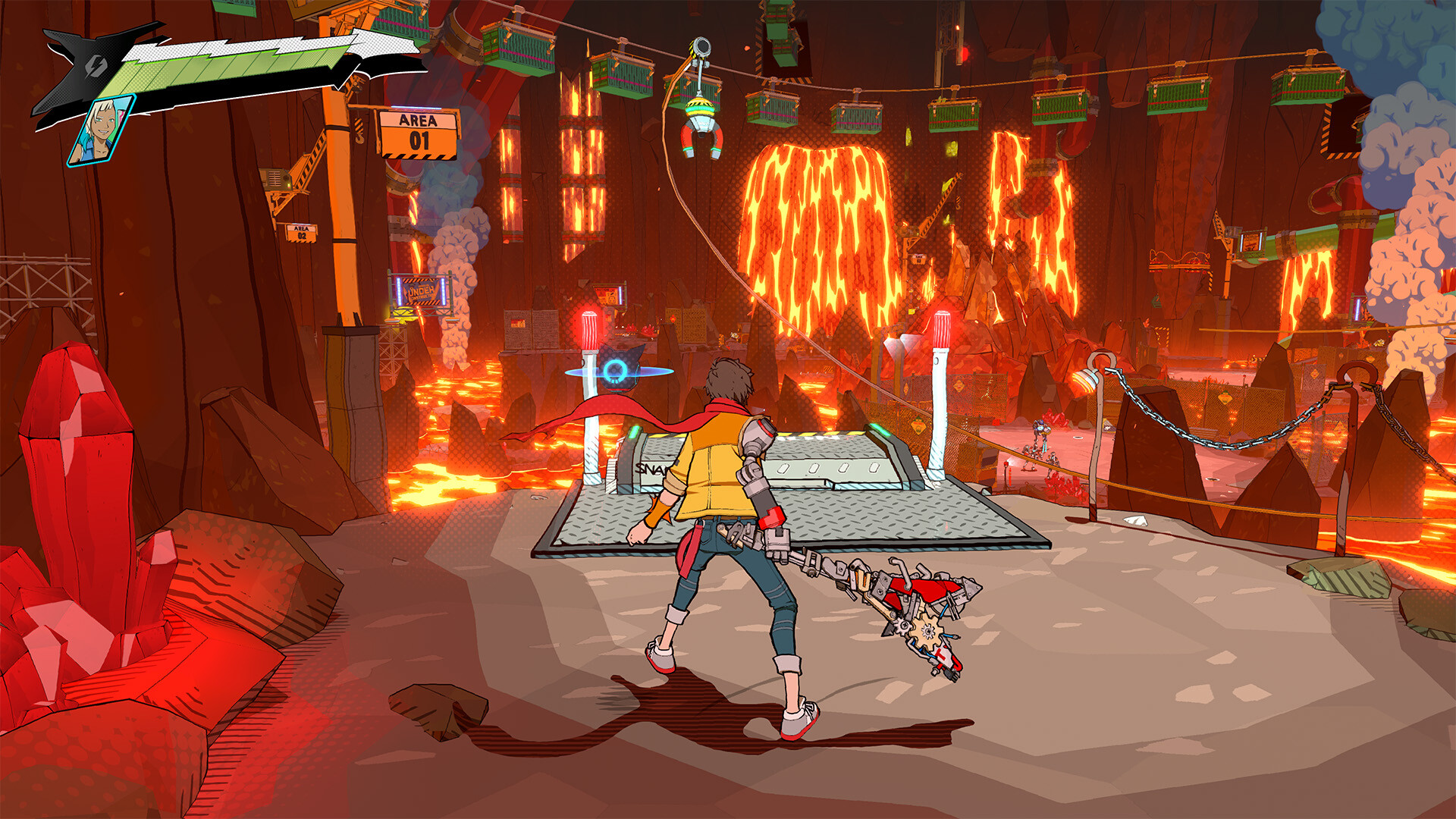
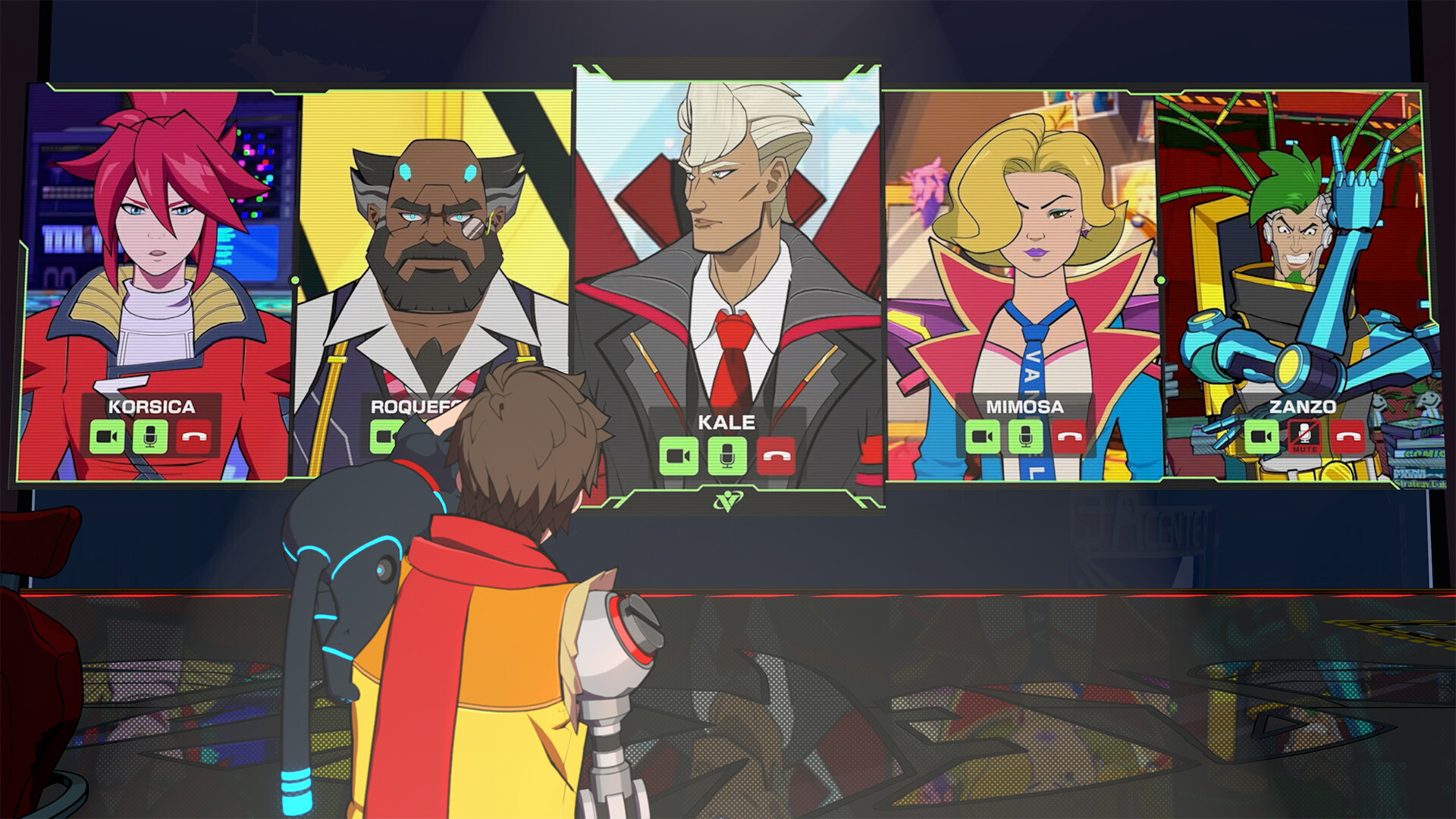
Hi-Fi Rush launched in January 2023 as a surprise drop with no prior announcement. It scored 88 on Metacritic. It won Game of the Year at multiple ceremonies. Phil Spencer praised it publicly and specifically. Xbox used it in marketing as evidence of what the platform stood for.
Microsoft closed Tango Gameworks in May 2024, eight months after the last award was presented.
Hi-Fi Rush
At a glance: Rhythm Action. 12-15 hrs. Moderate difficulty. Single player.
I have thought about this sequence of events more than I would like to admit. Not because it is unique: studios close all the time. But because of what it reveals when you understand the specific mechanism. Hi-Fi Rush did not fail commercially. It was not poorly received. It succeeded in every way a game can succeed and the studio was closed anyway.
The reason is arithmetic, and the arithmetic is genuinely bad for the kinds of games that matter.
How the Subscription Model Evaluates Games
Game Pass is measured on subscriber acquisition and retention. A game is commercially valuable to the service if it causes people to subscribe or if it keeps subscribers from cancelling through sustained engagement.
Hi-Fi Rush is a 12-15 hour action game. It has no live service component, no battle pass, no daily login rewards, no ongoing reason to return after completion. It launched as a surprise drop, which means there was no pre-release window during which prospective subscribers might have signed up specifically to access it.
By subscriber acquisition metrics: negligible impact, because the surprise launch model removed the conversion window. By engagement metrics: 12-15 hours played once per subscriber and done. Compare this to Call of Duty, hundreds of hours per active player per year, or Minecraft, which generates thousands of hours over a subscriber's lifetime on the service. Hi-Fi Rush was played by existing subscribers who did not subscribe to access it, and did not generate the sustained daily engagement that retention metrics reward.
From the subscription model's perspective, Hi-Fi Rush generated cost without generating proportional commercial value. The model responded as it was designed to respond.
I want to be precise: it is not malice. It is the subscription model operating correctly by its own metrics. The problem is that its metrics are wrong for evaluating the kind of games that justify the medium's existence as an art form. Microsoft did not close Tango because they hated what Tango made. They closed Tango because the mechanism by which the model values games cannot assign value to what Tango made. That is a more troubling situation than malice, because malice can theoretically be corrected. A structural mismatch between what the model measures and what the games are trying to do is harder to address.
The Arithmetic Problem in Detail
It is worth being specific about the numbers because the scale of the problem is not obvious until you look at it precisely.
Game Pass has approximately 34 million subscribers as of early 2025, at roughly $15 per month. That is around $6B annually in subscription revenue. Tango Gameworks had approximately 150 employees. Fully loaded cost per employee in the US games industry is roughly $200,000-$250,000 per year including benefits, office space, and infrastructure. Tango's annual operating cost was therefore in the range of $30-40M. Hi-Fi Rush took approximately five years to develop. Total investment: conservatively $150-200M.
To justify that investment by subscription metrics, Hi-Fi Rush would need to have driven a meaningful number of new subscriptions or prevented a meaningful number of cancellations. A 12-15 hour action game with no live service component, launched as a surprise drop with no pre-release marketing window, generates essentially zero subscription conversion. The people who subscribed because of Hi-Fi Rush are a rounding error. The people who kept their subscription because of Hi-Fi Rush, having played a game they finished in a week, are also a rounding error.
The subscription model cannot value Hi-Fi Rush correctly because the subscription model values ongoing engagement and Hi-Fi Rush is designed to end. These are structurally incompatible. The game is excellent. The model cannot see that it is excellent because the model does not measure excellence. It measures time spent and subscriptions generated. Hi-Fi Rush generates neither in quantities that matter to the model.
This is the structural problem that makes the Tango closure different from a normal studio closure. When a studio closes because it made a bad game, the industry learns something about what audiences will not support. When a studio closes because it made an excellent game that did not fit the commercial model of its publisher, the industry learns something more disturbing: that excellence is insufficient protection. The message to every remaining studio making finite single-player games within a subscription ecosystem is that their survival is not connected to the quality of what they make. It is connected to whether what they make generates the kind of engagement the subscription model rewards. These are different objectives and they produce different games.
The games you would design to maximise Game Pass engagement metrics are not the games that win Game of the Year. Hi-Fi Rush won Game of the Year by being exactly the game it needed to be for a focused 12-15 hour experience. Designing it to maximise engagement metrics would have required adding daily login rewards, seasonal content, reasons to return after completion. It would have required making it a different and almost certainly worse game. The model and the creative ambition are pulling in opposite directions, and the model wins.
The Endangered Category
The games most at risk from Game Pass economics are not the tentpoles. Call of Duty will always justify its cost. They are not the tiny indie releases either: those cost almost nothing to license and add breadth to the catalogue at minimal expense.
The endangered category is the middle: 50-200 person teams, $20-80M budgets, priced at $30-60, running 15-30 hours with a clear ending. Hi-Fi Rush. Prey. Dishonored. Pentiment. Tacoma. These games represent what the medium looks like when it is being ambitious without being bloated. When a clear creative vision is applied to a focused scope and the result is something that respects the player's time.
Game Pass distributes revenue across the total library weighted by engagement. Every hour a subscriber spends in Call of Duty is an hour not contributing to your finite single-player game's engagement metrics. The arithmetic reliably disadvantages finite games relative to endless ones, regardless of quality. For this model to sustainably support finite single-player games, Microsoft would need to explicitly cross-subsidise them from the revenue generated by high-engagement live service titles. There is no evidence they have committed to this. The Tango closure is evidence they have not.
This is the part I find genuinely infuriating. Hi-Fi Rush was used in Xbox marketing. Phil Spencer praised it specifically. The studio that made it was closed eight months after the awards season ended. The marketing department valued it. The commercial model could not. The people who made the closure decision are not the same people who decided to use it in marketing, which tells you everything about how the model distributes accountability inside organisations this large.
The people who praised Hi-Fi Rush publicly are not hypocrites in the simple sense. They genuinely appreciated what Tango made. The problem is that appreciation and commercial model fit are different things, and in a large organisation the commercial model is what determines operational decisions. The marketing team can celebrate a game. The finance team can close the studio that made it. Both are acting rationally within their own remit. The outcome is a studio closure that appears to contradict the public statements of the company's leadership, without anyone in that leadership having been dishonest. That is what makes the situation genuinely maddening rather than simply cynical. There is no villain. There is a model that produces outcomes nobody inside it wanted, because nobody inside it is responsible for the whole picture.
The Same Week
In the same week Microsoft closed Tango Gameworks, they closed Arkane Austin.
Arkane Austin made Redfall, which scored 56 on Metacritic, launched with a 30fps cap on hardware sold on the 60fps promise, and featured AI that stood still while being shot. Redfall was a failure by every metric. The case for closing Arkane after Redfall is at least legible.
Tango made Hi-Fi Rush, which scored 88, won awards, and was praised by the same executives who later closed the studio. The case for closing Tango has nothing to do with quality. It is entirely about commercial model fit. Both studios closed in the same week. The outcome was identical regardless of whether the studio had made something excellent or something terrible. Quality was not the determining variable.
A studio that made one of the best games of its year was closed for reasons that had nothing to do with the excellence of what it made. The model has no mechanism for valuing that excellence. When that is the model, quality becomes irrelevant to survival. That is genuinely disturbing as a structural fact about the industry, and it is the kind of fact that takes a while to land properly because we are accustomed to thinking of quality as at least partial protection. In most industries, making something excellent gives you some runway. In a subscription model with the specific metrics Game Pass uses, making something excellent is not sufficient protection if the excellence is of the finite, non-recurring kind. The model has no way to see it. You might as well have made something mediocre for all the difference it makes to the outcome.
What to Do About It
If you care about mid-budget finite single-player games continuing to be made, buy them directly.
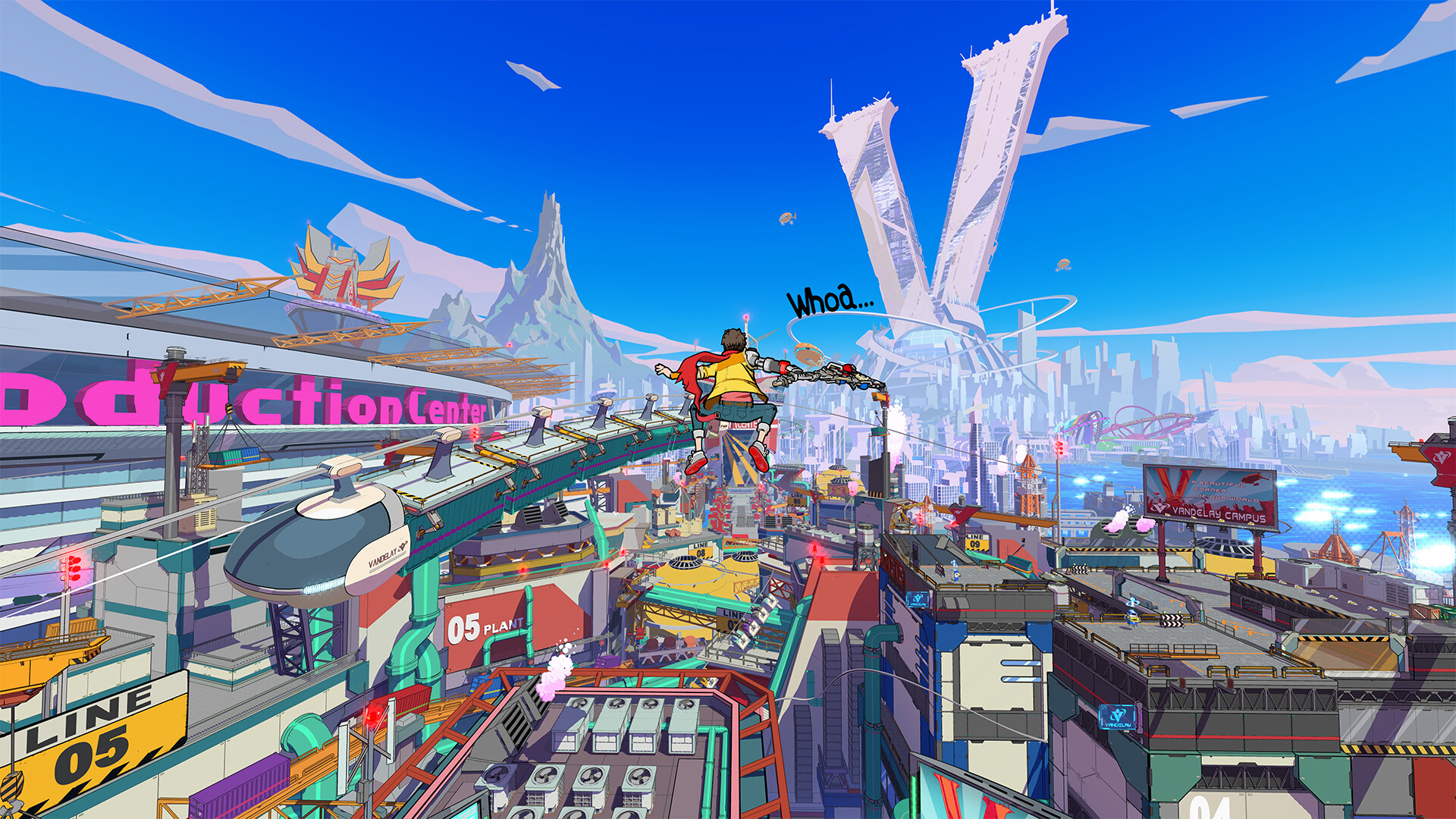
Buying Hi-Fi Rush on Steam for $29.99 sends a purchase signal: a concrete, measurable revenue number that demonstrates commercial demand for this type of game at this price point. Playing it through Game Pass sends a different signal: engagement duration, which for a 12-15 hour game is limited, and which counts for less in the model that actually determines what gets funded.
This is not a boycott of Game Pass. It is good value for the games it suits. It is a recognition that the signals the subscription model generates are structurally different from purchase signals, and that studios make future investment decisions based on which signals they receive.
The purchase signal is the one that says: someone valued this specific thing enough to pay specifically for it. The Game Pass play signal says: someone who was already subscribed happened to play this. These are different signals and the industry reads them differently. If you want more games like Hi-Fi Rush to get made, buy Hi-Fi Rush. The play count through a subscription will not tell anyone that.
The broader point is about where money flows and what it tells the people allocating development budgets. A studio that sees 500,000 purchase transactions for a finite single-player game knows there is an audience of 500,000 people who specifically wanted that thing. A studio that sees 3 million Game Pass plays of the same game knows that 3 million existing subscribers happened to try it. The second number is larger. It is also less informative about whether there is a market for the next game of that kind, because it conflates active demand with passive availability. The industry needs to make investments based on active demand. Game Pass play counts are not active demand. They are engagement data for a catalogue, and they should not be treated as a substitute for purchase signals when deciding what to fund.
Hi-Fi Rush is available on PC and Xbox. $29.99. Buy it. Not through Game Pass. Buy it directly. The signal you send with a purchase is the only signal the industry reads as genuine demand. The play count through a subscription is something else.
Buy on Steam