The Last of Us Part II Is a Better Game Than the First. The Backlash Was Embarrassing.
The Last of Us Part II is a more ambitious, more technically accomplished, and more thematically complex game than the original. The online backlash against it in 2020 was one of the ugliest things gaming has produced.

TL;DR
- The Last of Us Part II is the better game -- more ambitious, more technically accomplished, more thematically complex.
- The 2020 backlash was one of the ugliest things gaming has produced, and it wasn't really about game quality.
- The argument for why forcing empathy for a character with every reason to hate is the harder, more complete story.
The Last of Us Part II is a better game than the original. I have played both. I have thought about it for years. That is my conclusion.
It is more technically accomplished in its combat and AI systems, more structurally ambitious, more willing to make the player uncomfortable in ways that serve the story's actual argument rather than just generating atmosphere. The original is excellent. Part II is more difficult, more honest, and more interesting as a piece of work.
The backlash against it in 2020 was one of the ugliest things the gaming community has produced in recent memory. The review bombing campaign was organised and began before most participants had finished the game. The harassment directed at performers was severe enough to involve genuine threats to personal safety. Laura Bailey posted a selection of messages she received and they were not angry reviews, they were threats. And the overwhelming majority of the noise had nothing to do with the game's actual creative merits.
Both of these are true simultaneously. Part II is better than Part I. The backlash was genuinely embarrassing. Both deserve to be said plainly.
What the Game Is Actually Doing
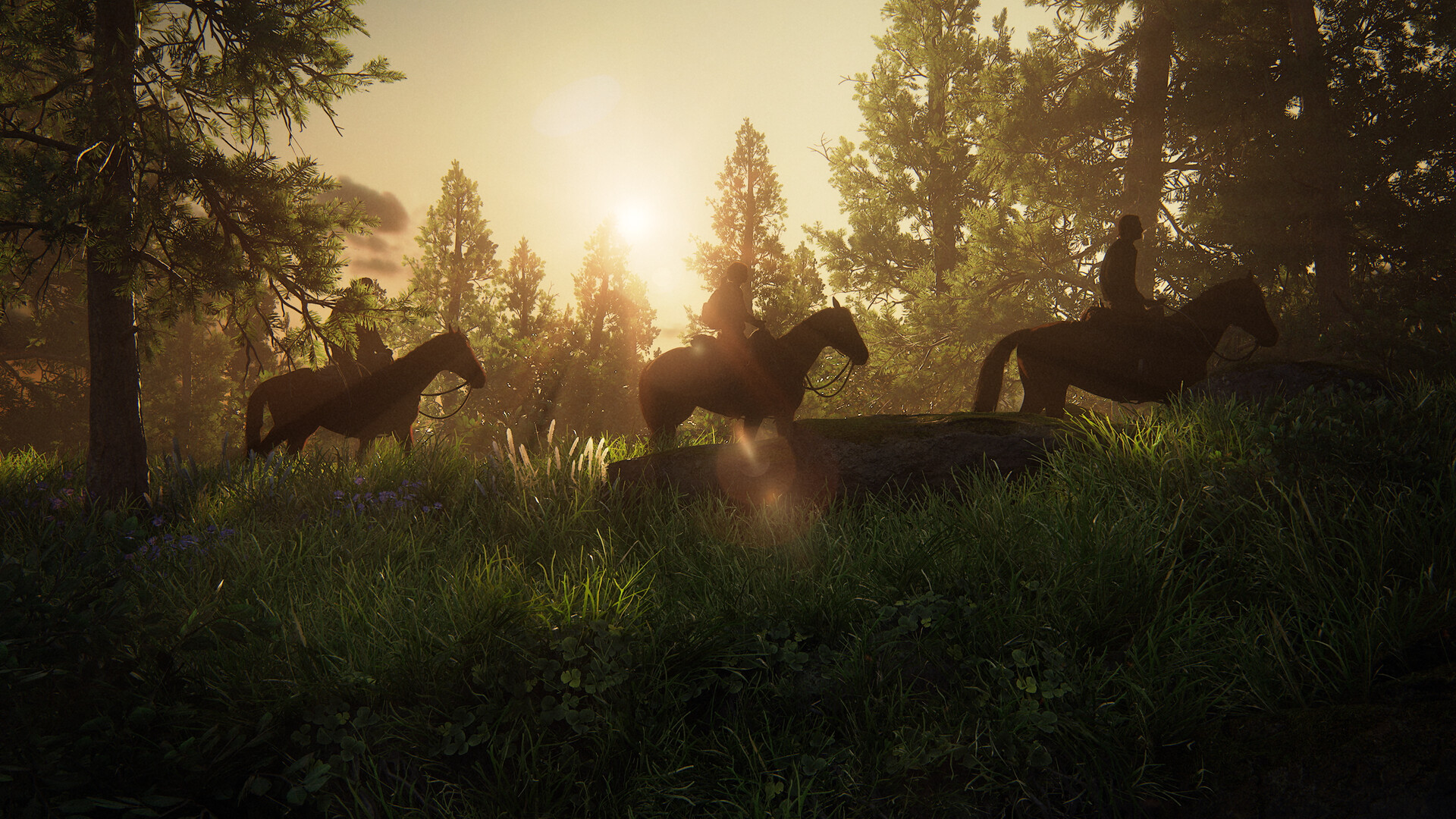
The Last of Us Part II takes the first game's central moral argument, that Joel's choice at the Firefly hospital was indefensible regardless of how emotionally satisfying it felt in the moment, and follows it to its logical destination.
The first game makes you feel the pull of Joel's love for Ellie even as it quietly shows you what that love costs. The ending is not triumphant. The expression on Ellie's face as Joel explains what happened is not the face of someone who fully believes the explanation. The game is careful about what it is doing. If you read the ending as unambiguously good, you were operating at a shallower level than the narrative was working at.
Part II makes that shallower reading impossible. It spends substantial time in the perspective of Abby, the person most directly harmed by Joel's choice, and requires you to experience events from her position. This is the correct structural decision. It is designed to force you to extend empathy toward someone you have every reason to hate and then to examine what that forced empathy reveals about the moral framework you brought to the original.
Naughty Dog committed to this fully. Most sequels hedge. They give you the comfortable continuation with some moral texture around the edges. Part II refuses the comfortable continuation entirely. I think that refusal is what the backlash was actually about.
The Abby Decision
The decision to give Abby a full character arc is the bravest narrative choice in a major video game release in years, and it is the thing that most of the backlash was actually targeted at.
Abby is the person who kills Joel. That is established early and without ambiguity. The player's response to this is intended to be grief and anger, because the game has spent significant time building the relationship between Joel and Ellie and the player's investment in it. The anger is earned. It is supposed to be there.
The game then asks you to spend roughly ten hours playing as Abby. Experiencing her relationships, her history, her motivations, her own grief. You see, from the inside, that Abby is not a monster. She is a person who lost someone she loved to a choice Joel made, and who has been carrying that loss in the same way Ellie carries hers.
This is extraordinarily difficult to do in a video game because the medium's conventions around player identification make it much harder to ask the player to inhabit a character they have reason to hate than a novel or film can. Naughty Dog did it anyway. The choice required accepting that a portion of the audience would not follow them there. A significant portion did not. That does not make the choice wrong.
I have thought a lot about why the Abby sections land differently for different players and I think the honest answer is that they require a willingness to engage with fiction as fiction rather than as personal identification. Players who experienced Joel's death as something that happened to them, rather than as something that happened to a fictional character in a story with a particular argument to make, found the Abby sections genuinely impossible. That is a real response and I understand it. But it is not a critical response to what the game is trying to do. It is a response to being asked to do something difficult. The game was right to ask.
The Abby sections also work because Naughty Dog wrote Abby as a specific person with specific relationships rather than as a device for generating moral complexity. The friendship with Lev is one of the best character relationships in the game, developed with the same care as the Joel and Ellie relationship in the original. By the time the narrative forces the two perspectives into direct confrontation, the player who engaged fully has been placed in a position where their allegiances are genuinely divided. That is an extraordinarily difficult emotional state to produce in an interactive medium, and the game achieves it through craft rather than through manipulation. The craft is what makes it something other than a provocation.
What the Abby decision required from Naughty Dog was the willingness to accept that some players would not follow them and to proceed anyway. That willingness is rare in commercial game development, where the financial pressure to retain every possible player tends to smooth off exactly the kind of edge that makes something genuinely affecting. Part II is sharper than most commercial games because it made a decision that it knew would cost it something. The games that cost their creators nothing tend to mean nothing to anyone. Part II cost Naughty Dog some of their audience. What it retained was the audience willing to follow a story wherever it needed to go. That is a better audience to have, and the game they made for that audience is better for being made for them rather than for everyone.
The Gameplay Is Substantially More Accomplished
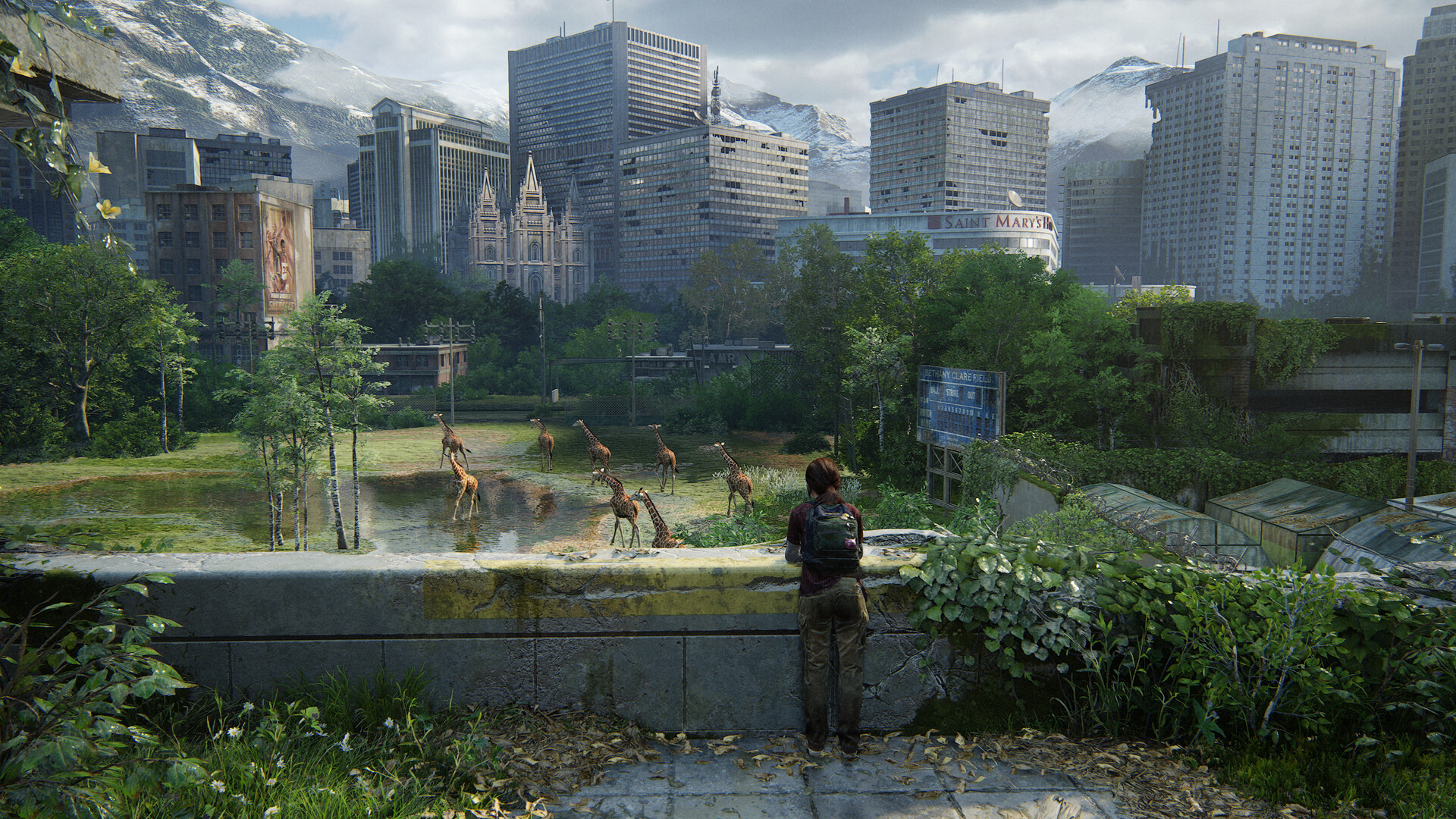
The combat in Part II is the most sophisticated stealth-action system in any Sony exclusive. This is a technical assessment, not a subjective one.
Enemy AI communicates in real time and calls out the names of fallen companions. I found this specifically disturbing in a way I did not anticipate. Hearing enemies mourn people I had just killed created an unexpected weight to encounters. They search in coordinated patterns rather than forgetting your position when you break line of sight. They set up flanking movements. Dogs in the Seattle sections track your scent trail, which makes the default survival horror crouch-and-wait tactic genuinely unavailable. You have to move.
The traversal is substantially expanded with a jump and rope system that opens vertical space. The prone crawl allows movement through cover that creates real tactical options. The crafting system has more meaningful decisions. The weapon upgrade trees require genuine choices about priorities.
The accessibility options at launch in 2020 were the most comprehensive of any major release that year. The game shipped with over 60 accessibility settings including audio descriptions, customisable control remapping, and adjustable game speed. This is a specific technical achievement that often goes unmentioned in coverage of the game, and it reflects a team that was thinking carefully about who plays and who deserves to play.
The production scale is also worth acknowledging because it is easy to take for granted when discussing the game's thematic ambitions. Part II is technically extraordinary: the environmental detail in Seattle, the character animation during combat and cutscenes, the lighting in the underground sections. These are not incidental achievements. They are the result of enormous craft applied consistently across a very long game. The fact that the thematic ambition and the production quality are both present simultaneously is part of what makes Part II exceptional. Games that take creative risks often do so at the cost of production quality. Games with production quality at this level often do not take creative risks. Part II does both.
What the Backlash Was and Was Not
Legitimate criticism of Part II exists and I want to acknowledge it before naming what was not legitimate.
The pacing in the middle section is extended in ways that test patience. The violence is heavy enough to produce emotional fatigue at certain points rather than meaningful discomfort. Whether the structural time given to Abby's perspective is sufficiently earned is a reasonable question that reasonable people disagree about. The game is long for what it is asking you to hold.
What happened in 2020 was not these legitimate criticisms being expressed loudly. The review bombing was coordinated through forums and Discord servers before most participants had completed the game. The harassment of Laura Bailey involved specific, credible threats that she posted publicly. These were not people expressing strong critical disagreement. These were people responding to a creative choice they did not like with genuine ugliness directed at real people who had done nothing to them.
The people who did this should be embarrassed. The discourse has largely moved on without accountability for what happened, which is disappointing. I think naming it clearly is better than the soft framing that typically follows community harassment campaigns, the one where it gets called "a mixed reception" rather than what it actually was: an organised harassment campaign against performers and a coordinated attempt to poison the critical record of a game before people had finished playing it.
What Part II Gets Right About Part I
At a glance: Action-Adventure. 13-15 hrs. Moderate difficulty. Single player.

The most common framing of the backlash was that Part II had disrespected the original. This requires a specific misreading of what the original was.
The Last of Us ends with Joel lying. This is not ambiguous. The game is careful to show you the moral weight of his choice even as it creates emotional sympathy for it. Reading the ending as simply triumphant requires ignoring what the narrative is doing with Ellie's expression, with the weight of what is not said, with the specific framing of the final scene.
Part II does not disrespect the original. It completes it. The reckoning with what Joel's choice actually cost, and what Ellie does with that information when she eventually has it, is the logical continuation of the story the original was telling. The discomfort Part II creates was always where the original was heading. The only question was whether the sequel would have the courage to be honest about what those consequences were.
Part II had that courage. It is more uncomfortable than the original. It is also more honest. Those two qualities are connected in a way that matters: the discomfort is not incidental to the honesty. It is the mechanism by which the honesty is communicated. A story about cycles of violence and grief that was comfortable to experience would be lying about what those cycles feel like. A sequel that gave Ellie and Joel a comfortable continuation would have been a betrayal of everything the first game was actually about, dressed up as a respectful tribute. Part II refused that. I find that genuinely admirable, and the reaction to it genuinely depressing.
Play both. In order. Let Part II do what it is trying to do rather than what you expected it to do. If it makes you angry, that anger is part of the point. The question is what you do with it.
One note on the harassment specifically, because I do not want to let it go with just a sentence. The people who sent threats to Laura Bailey, who coordinated review bombing before finishing the game, who spent 2020 doing everything they could to damage a game they had not played: they were not expressing strong critical opinions. They were attempting to punish people for making a creative choice they did not like. That is different. The games medium has had plenty of contentious critical moments. It has rarely had one where performers received death threats for playing characters in a story. The gaming community absorbed this and moved on more quickly than it should have. The next time someone describes the reception of Part II as "divisive," it is worth remembering what part of that division looked like.
The Last of Us Part I is available on PC. $59.99. Play it first. Part II is available on PlayStation. Play both. In order.
Buy Part I on Steam | Naughty Dog