Hollow Knight: Silksong Has Been in Development for 6 Years. Here's What That Tells You.
Silksong was announced in 2019. It's 2026 and Team Cherry is still working on it. This isn't a scandal. It's a case study in what it actually takes to make a great game.
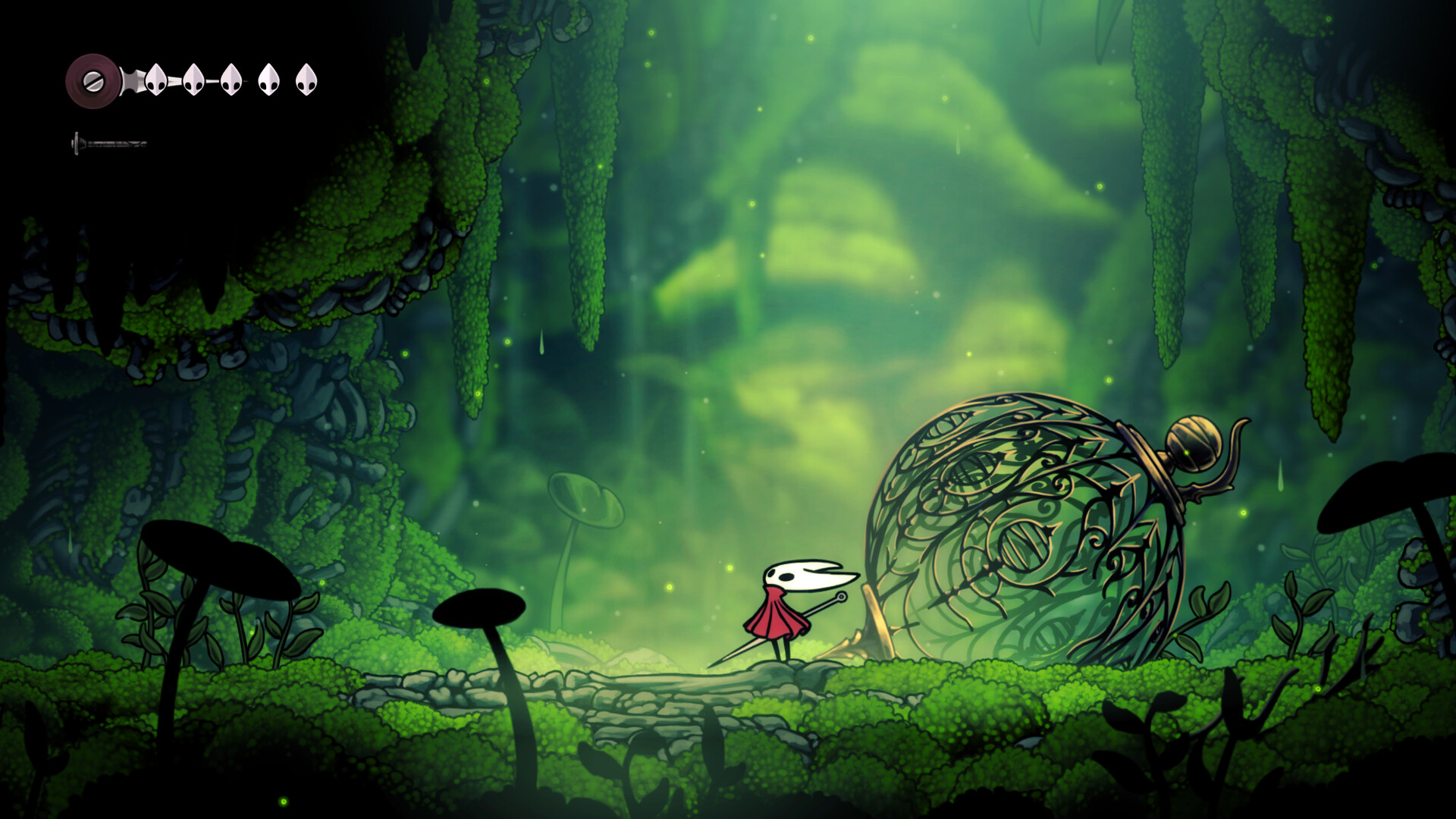
Hollow Knight: Silksong was announced in February 2019. It is now 2026. It is still not out.
I understand the despair the community has developed around this. Seven years is a long time to wait for a sequel to a game you love. The memes about Silksong never coming out exist because the anticipation has been sustained long enough to become something people process through dark humour rather than excited patience. I have made those jokes. I will probably make them again.
But I want to push back on the framing that treats the development timeline as a problem. Three people are making something large. They are taking the time it needs. In 2026, surrounded by games that shipped before they were ready and carry the critical and commercial consequences of that decision, a studio that ships when it is ready is not a failure case. It is one of the remaining examples of something going right.
What We Know
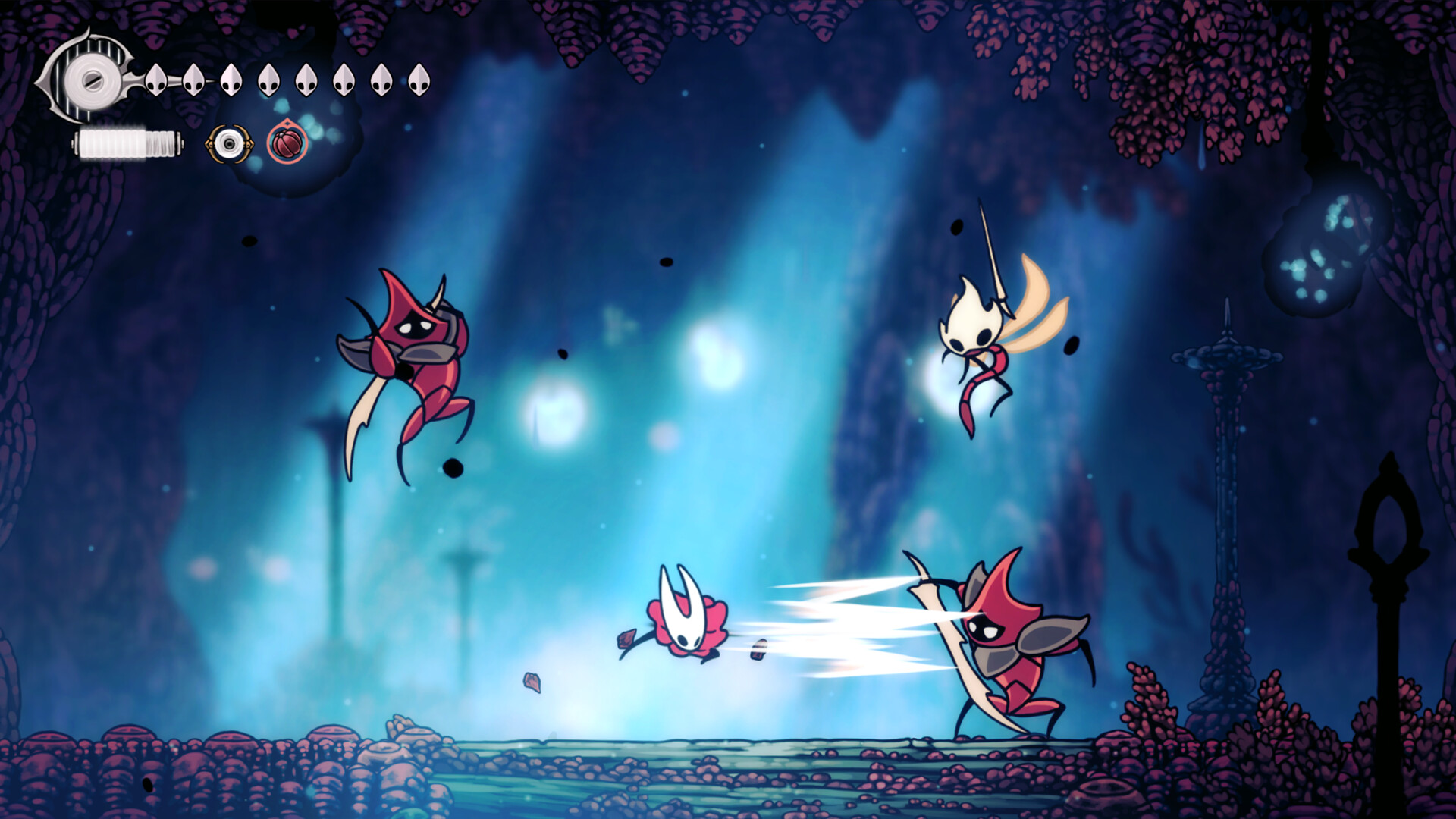
Team Cherry, Ari Gibson, William Pellen, and Jack Vine, announced Silksong as DLC that had expanded into a standalone game. That framing tells you something important about how they work: the project outgrew its original format and they followed it rather than constraining it to fit a delivery schedule.
Since the announcement: gameplay trailers showing new mechanics and new environments, a Nintendo Direct appearance in 2022, an Xbox Game Pass partnership, and periodic brief confirmations that the game remains in development. The updates have been sparse. The community fills the gaps with speculation, memes, and gradually darkening jokes.
Three people. Seven years. Something that started as DLC, expanded into a full game, and has been in development as that full game ever since.
My interpretation of that timeline: the scope is large. Three people expanding the scope of something already large takes as long as it takes. There is no accelerant that does not involve either adding people, which changes what the game fundamentally is, or shipping before it is ready, which is the option we have watched fail publicly and expensively many times over the past five years.
The Xbox Game Pass partnership is worth noting because it is the closest thing to an external commercial obligation that Team Cherry has taken on. A game that has been committed to a subscription service generates some commercial pressure to deliver. That pressure has clearly not been sufficient to push Silksong out before it is ready. This is either a very understanding commercial partner or a studio that has maintained creative control of its timeline despite the partnership. Either way, the result is the same: the game is coming when it is ready, not on a financial calendar.
Hollow Knight Precedent">The Hollow Knight Precedent
The context that makes the Silksong timeline legible is Hollow Knight itself.
Hollow Knight took four years. A Kickstarter that raised $57,000 against a $35,000 goal. Two primary developers at the core. The result: 5+ million copies sold, 87 on Metacritic, four free DLC packs after release, cited as one of the best games of its decade. The DLC packs were free. The post-launch support was free. Team Cherry spent years after release giving content to the people who had bought the game rather than charging them for it.
Team Cherry's track record is specific: four years, essentially no budget, one of the most acclaimed games of the 2010s, followed by years of free post-launch additions. That is what they produced when they were allowed to take the time the project needed.
When a team with that record tells you implicitly that the sequel requires more time than expected, the rational prior is to trust the history. Not as faith. As Bayesian reasoning from what the track record tells you about what to expect from this specific group of people making this specific kind of thing.
The track record also tells you something about the kind of game Silksong is going to be. Hollow Knight was not made quickly and released in a usable state. It was made carefully and released in a state that generated years of enthusiastic word of mouth. The DLC additions came from a team that understood what they had built and what could be added to it meaningfully. Nothing about how Team Cherry operates suggests that Silksong will be different.
The Meme and What It Gets Right
I want to spend a moment on the Silksong meme culture specifically because it is more interesting than it might appear.
The joke is: Silksong will never come out. Or: Silksong has been announced for every major gaming event and not appeared. Or: my children will be grown before Silksong releases.
The joke works because it channels genuine anticipation into a format that makes the waiting bearable. If Silksong were a game nobody cared about, the wait would not be funny. It would just be irrelevant. The humour exists because people care enough that the prolonged wait produces real feelings that need somewhere to go, and dark jokes are where feelings go when patience runs out.
What the meme does not say, and what I think is worth saying explicitly, is that the meme is a sign of health rather than a sign of dysfunction. The gaming community has developed the capacity to wait for something they want, to process that wait with humour rather than anger, and to sustain genuine interest across a seven-year gap. That is actually remarkable given the general orientation of gaming culture toward instant gratification and manufactured outrage.
I have seen communities respond to long development periods with genuine hostility: harassment of developers, conspiracy theories about cancellations, organised pressure campaigns. The Silksong community mostly makes jokes about Silksong not coming out. The jokes are self-aware enough to contain the acknowledgement that the wait will eventually end and the game will be worth it. That is a form of collective patience that is worth appreciating even when the jokes themselves are getting slightly tired.
It is also worth acknowledging what the meme culture around Silksong says about Team Cherry specifically. The jokes exist because people trust the studio. If there were genuine concern that the game had been cancelled or that something had gone seriously wrong, the humour would not be available as a register. Dark jokes about waiting are only possible when you still fundamentally believe the thing you are waiting for will arrive. Communities that have genuinely given up on a game do not make jokes about waiting. They stop talking about the game. The Silksong meme community is enormous, persistent, and fundamentally optimistic underneath the dark humour. That is a hell of a compliment to Team Cherry, even if it does not feel like one from the inside of a seventh year of waiting.
The specific jokes are also instructive. The most common format is a hypothetical featuring an extreme scenario: "Silksong will release when my grandchildren are old." "Silksong will be announced again at E3 2047." These are jokes about the scale of the wait rather than about the quality or existence of the game. Nobody is joking about Silksong being bad. Nobody is joking about Silksong being vaporware. The community has simply accepted the wait as the defining feature of anticipating this particular game, and found a way to be funny about it rather than miserable.
The Alternative
I want to be specific about what the alternative looks like, because the industry has provided extensive documentation of it in the period since Silksong was announced.
Cyberpunk 2077 had an externally committed release date, management bonuses tied to Metacritic scores, and console versions that did not function adequately at launch. Three years of patching to reach the state it should have been in at release. Sony pulled it from their storefront.
Battlefield 2042 had a fiscal year deadline, shipped missing features standard in its predecessor, and required over a year of remediation work.
Anthem had a public commitment to a release window, a studio that had no locked design eighteen months before launch, and was abandoned eighteen months after it shipped.
In each case: external deadline, compromised product, years of consequence. The developers did not want to ship in those states. They were pushed by something outside the studio that required a revenue event on a specific date.
Team Cherry does not have that external force. They own their studio and their IP. They can ship when Silksong is ready. The development time is a consequence of this condition. It is a feature, not a bug. The games worth playing from the past decade are disproportionately the ones made without that external pressure. Hollow Knight is one of them. I am genuinely glad that the people making its sequel are in the same position they were in when they made the original. And honestly, anyone complaining about the wait who has not yet played Hollow Knight in its entirety needs to go do that first and come back when they have run out of legitimate things to be doing while waiting.
What the Wait Says About Independent Development
The Silksong development timeline is a case study in what independent game development actually makes possible when it works correctly.
A studio that owns its IP and has no publisher can take the time a project requires. When a project expands beyond its original scope, they can follow it. When a mechanic is not working, they can rethink it without a quarterly review asking whether the schedule can accommodate a redesign. When the game is not ready, they do not ship it.
These seem like basic conditions for making something good. They are, in fact, quite rare in commercial game development. The structures that produce most games actively prevent them: external timelines, publisher approval processes, financial obligations that create pressure to deliver on someone else's schedule.
The consequence of this rarity is visible in the output. Games that were made with creative control intact tend to have a specific coherence that games made under external commercial pressure do not. You can often feel, in the first few hours, whether a game was made by people who were allowed to make the thing they were making or by people who were executing a brief that someone above them had approved. The first kind feels inevitable. The second kind feels assembled.
Hollow Knight has the inevitable quality. Every system serves the same vision, because the people who designed each system also held the vision. The map system, the charm system, the boss design, the environmental storytelling, all of it was made by the same small group of people with complete awareness of what every other element was doing. Silksong, by every indication, is being made the same way. The wait is the cost of that approach. The quality, when it arrives, is the benefit.
The games that have benefited from these conditions, the games made by studios that owned their process and their timeline, are disproportionately represented in the list of games worth caring about. Hollow Knight. Stardew Valley. Balatro. These are not coincidences. They are the output of conditions that allow the work to take as long as it actually needs.
The Waiting

I will not tell you the wait is easy. It is not. When a game looks this promising and the release date remains unknown, the anticipation becomes its own kind of heavy. That feeling is real and I do not want to dismiss it.
What I can say with confidence: the wait will end. When Silksong releases, the discourse will almost entirely shift to the game itself. The years of waiting will become a footnote. What will matter is whether it is worth playing.
I think the probability distribution on that question is strongly weighted toward yes, based on what Team Cherry has demonstrated they are capable of when given the time their projects require. The record supports that weight.
The honest thing to say is that I have been wrong about anticipated games before. I have waited for sequels to games I loved and found that the sequel missed what made the original work. I have every reason to be cautious rather than confident. But Team Cherry has given me specific evidence about how they operate: they made Hollow Knight the right way, they supported it the right way, and by every indication available they are making Silksong the right way too. Caution is appropriate. So is acknowledging what the evidence actually says.
If Silksong comes out and is disappointing, I will say so plainly. I will also have been wrong about something that I think most of the available evidence suggested was unlikely. Those two things can be true simultaneously. In the meantime, the wait continues, and the joke that it will never arrive remains funnier than the alternative of a game that shipped badly and needed years of repair. Team Cherry is doing this the right way, and the frustration of waiting for something done the right way is a much better frustration to have.
In the meantime: Hollow Knight exists. The base game plus four free DLC packs delivers 60-100 hours for most players. That is not a gap-filler. That is a main event. If you have not played it yet, the wait for Silksong suddenly becomes considerably less pressing.
Hollow Knight: Silksong -- Release date TBA. Wishlist it. Be patient. It will very likely be worth it.
Wishlist Silksong | Play Hollow Knight while you wait | Team Cherry