Gaming Needs a New Category. The Industry Is Too SCARED to Create It.
Expedition 33 won Best Indie Game with 412 credits and $10M budget. Balatro was one person. They should not share a category. The AA label needs to exist.

TL;DR
- Expedition 33 won Best Indie Game with 412 credits and a $10M budget. Balatro was one person.
- Those two things should not share a category, and the industry's award shows still treat them the same.
- The argument for a genuine AA label, and why nobody's willing to create one.
In November 2025, an anonymous solo developer called Vedinad withdrew Megabonk from The Game Awards' Best Debut Indie category. Not because of controversy. Not because of pressure from organisers. Because he had made games before under different studio names, and it didn't feel right to compete as a debut act.
He was giving up TGA exposure, the most valuable single moment of visibility in the industry calendar, because a category label mattered to him more than the platform. That is one of the most indie things anyone has done at The Game Awards, and it happened in the context of withdrawing from The Game Awards.
The category he left still contained Clair Obscur: Expedition 33. A game made by a 33-person core team, published by Kepler Interactive, with 412 people in the credits, a Korean studio hired for battle animations, professional voice actors, and a confirmed development budget of under $10 million according to Sandfall's own disclosure to the New York Times.
Vedinad was the most actually independent developer in that room. He was also the one who left.
That is the whole problem in one story. Everything below is evidence.
What Indie Actually Meant
The original definition was not complicated. Independent meant independent: no major publisher controlling your creative decisions, no corporate mandate shaping your scope, no safety net if it failed.
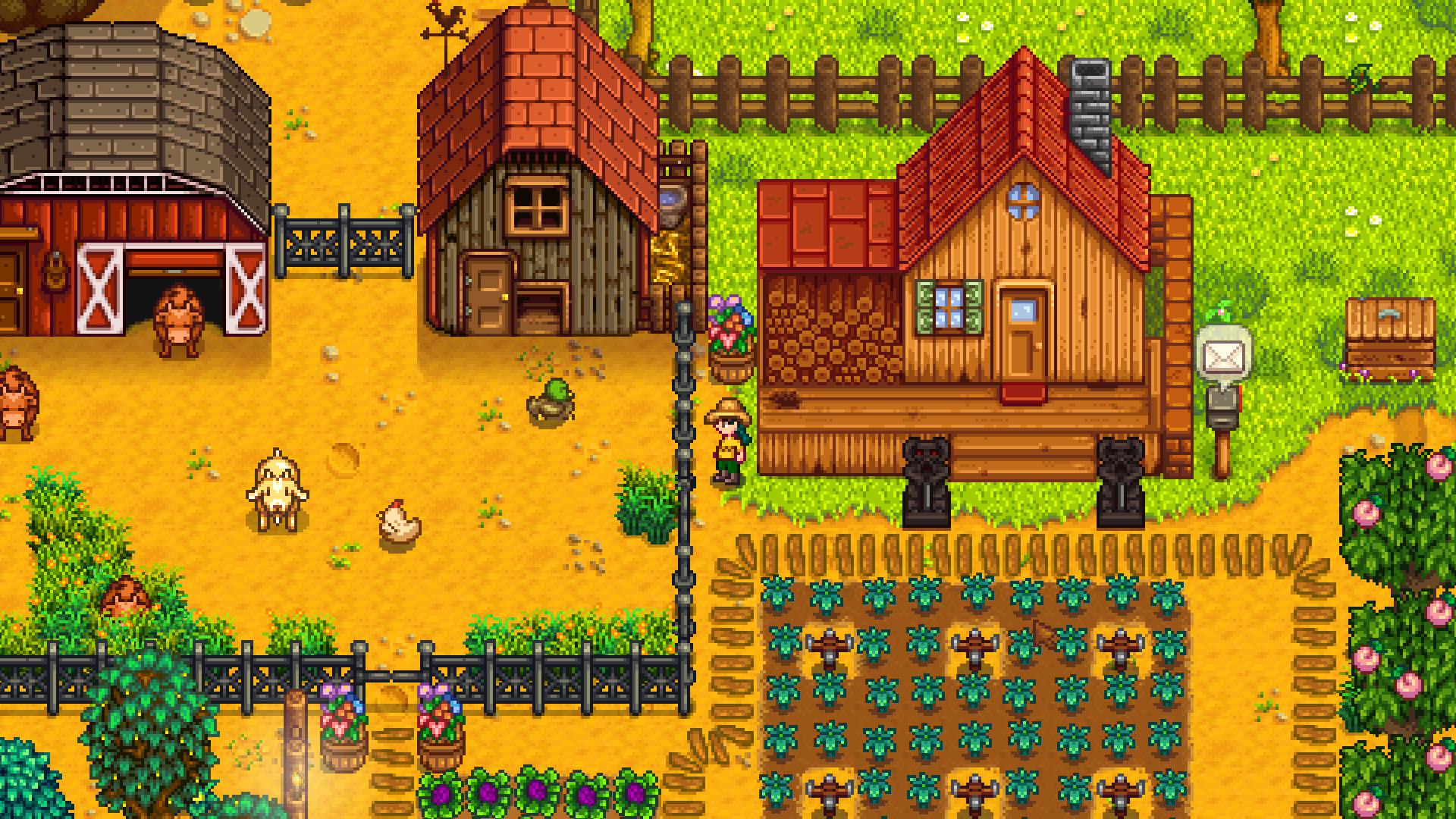
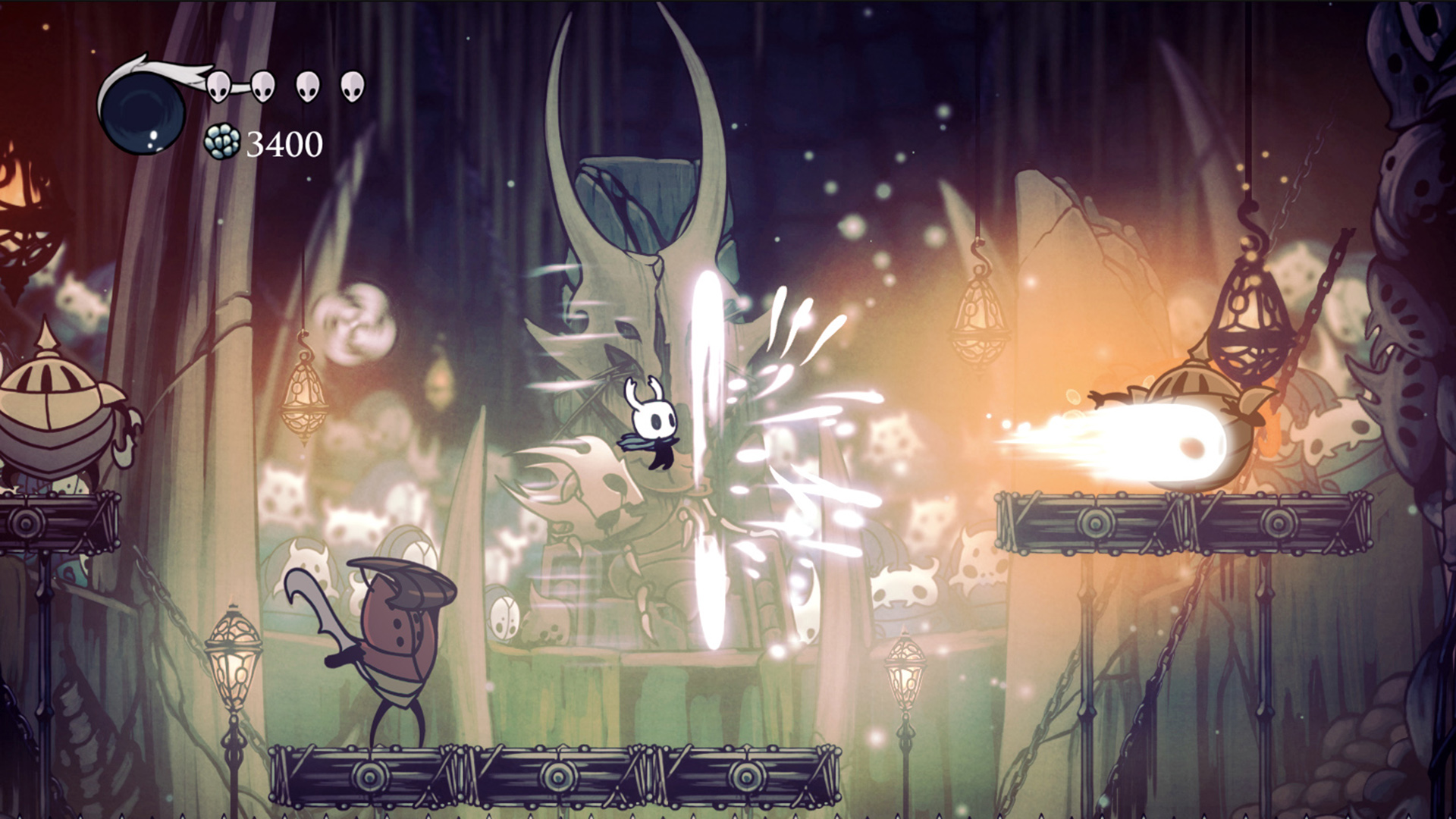
Eric Barone built Stardew Valley alone over four years. No publisher. No team. If it failed, he had nothing. It sold 20 million copies. Toby Fox made Undertale alone in his bedroom and won Best Independent Game at The Game Awards 2015. Team Cherry, two developers, raised AU$57,000 on Kickstarter for Hollow Knight and made the rest happen from personal savings.
LocalThunk built Balatro alone over two and a half years. He expected to sell "maybe 10 copies" and go back to his IT job. He sold 5 million. The first few hours of launch generated more money than he had ever made in his life. He said so publicly, in language that was stunned rather than performed. The game became profitable within one hour of release.
These games share something specific that has nothing to do with budget size or team headcount. They share the absence of a safety net. The creative decisions were made by one or two people with no executive layer above them, no publisher roadmap to conform to, no marketing department to satisfy. If the game was weird, it was weird because the developer wanted it weird. If it failed, there was no studio to absorb the loss.
That is what "independent" was coined to describe. That tier still exists. It is still producing extraordinary games. It is also drowning.
The Flood
Steam had roughly 3,000 games released in 2015. In 2025, that number was 20,003. A 6.5 times increase in a decade.
The jump accelerated sharply after 2017 when Steam Direct replaced the old Greenlight system, dropping the barrier to entry to a $100 fee. The result was not that the market grew proportionally to accommodate more developers. The result was that the revenue concentrated harder at the top while the volume exploded at the bottom.
In 2025, approximately 300 games out of 20,000 earned more than $1 million. That is 1.5%. In 2023, the top 100 games out of 14,000 released captured 91% of total revenue from that year's releases, the highest concentration since 2016. Research from H1 2022 found that 80% of games released in that period earned less than $5,000 total.
That is not a rounding error. That is the market telling roughly 15,000 developers per year that they released into a void. Fifteen thousand games. Gone. And the category supposedly championing independent creativity is occupied at the top by publisher-funded teams with Korean outsourcing studios. That is a crap deal.
The people making Balatro-scale games, one or two people, no safety net, two and a half years, a weird idea they believed in, are releasing into a 20,000-game ocean where the visible island of success is occupied increasingly by teams that are not really in the same situation they are. And when they get there, they find the indie award on that island is also occupied.
Expedition 33 Is Brilliant. It Is Also Not Indie.
I want to be direct about this before anything else: Clair Obscur: Expedition 33 is one of the best games released in years. The fact that Guillaume Broche and his team left Ubisoft to make something personal and ambitious on a constrained budget, that they used Unreal Engine 5 to punch so far above their resource weight that the result swept The Game Awards with 12 nominations and 9 wins, that they confirmed a sub-$10 million budget and delivered a game that rivals anything made for ten times that. All of that is impressive, and I mean that. The 9.5 Metacritic user score from 22,000+ ratings is real. The 5 million copies sold is real. The craft is real.
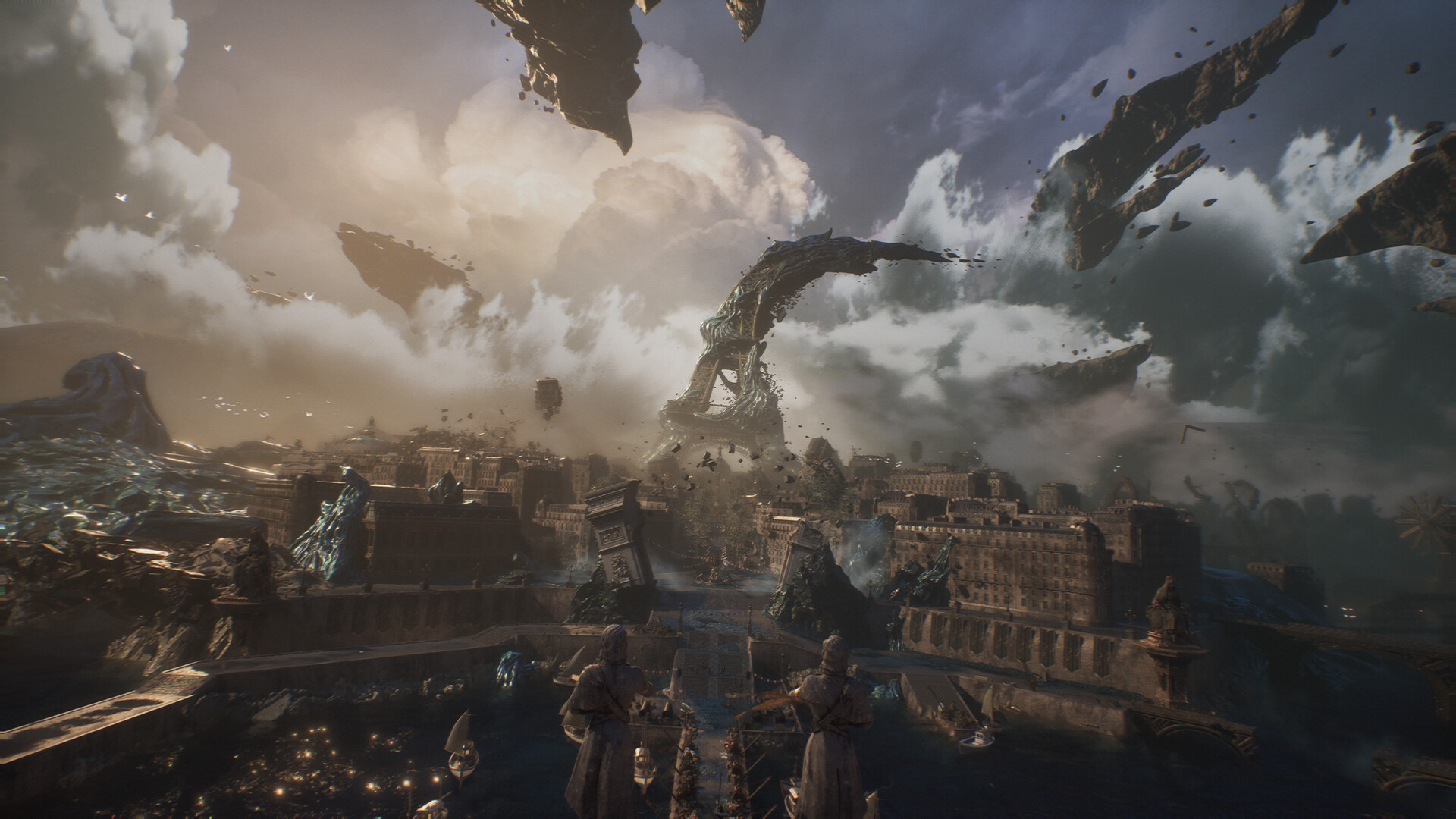
None of that bothers me. That is not the problem. The problem is what we call it.
Expedition 33 was published by Kepler Interactive. It received publisher funding that allowed the core team to grow. It has 412 people in its credits. It outsourced battle animations to a Korean studio. It had a professional voice cast. It had a marketing campaign. It launched day one on Xbox Game Pass, which means Microsoft paid for it to be there.
Sandfall Interactive is not Warner Bros. Kepler Interactive is not EA. But Kepler is a publisher. It funded a $10 million game. That is categorically different from what LocalThunk did, and calling both of them "indie" is not precision: it is a vocabulary failure with real consequences.
The Ghost of AA
There is a word for what Expedition 33 is. Nobody will use it.
Double-A. Mid-tier. The space between AAA blockbusters and actually independent development. The category that describes Expedition 33, and Hades, and Kena: Bridge of Spirits, and Disco Elysium, and Outer Wilds, and Sea of Stars, and the entire tier of publisher-backed or studio-revenue-funded games that make up the most celebrated "indie" releases of the past decade.
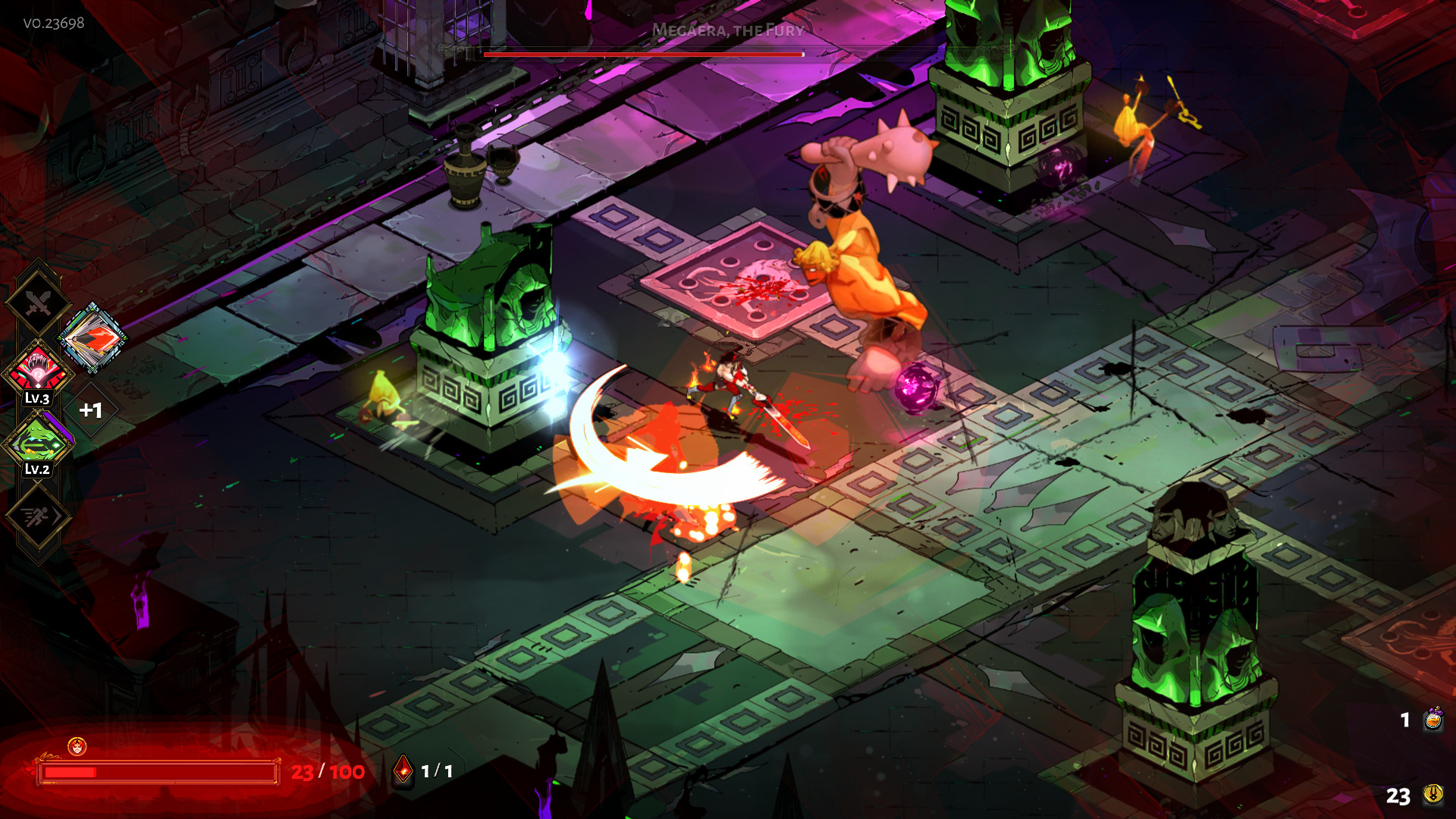
AA is not a new concept. The term existed in the early 2000s to describe mid-tier console games. It died as a self-applied label partly because, as Epic Games' Cliff Bleszinski declared in 2011, the middle class of gaming was dead, squeezed out between AAA blockbusters growing to $100 million budgets and the indie explosion happening at the bottom. He was wrong about the games. They came back, better than ever. He was right about the label. It never recovered.
Here is why nobody calls themselves AA in 2026: the word sounds like a consolation prize. A lesser version of AAA. Saying "we made an AA game" sounds like admitting you fell short of something, rather than naming something you made on purpose. Meanwhile "indie" carries enormous cultural cachet: authenticity, personal vision, creative risk, underdog energy. It is the label that signals trust to a certain kind of player. Of course studios want it.
Award categories compound the problem. The Game Awards uses "Best Independent Game" as its category. Not "Best Mid-Tier Game." Not "Best Double-A." Independent. So studios that want to compete for that award, and all the press attention it brings, need to be able to claim the label. And the eligibility criteria is loose enough that they can. It is a bloody mess of a system that nobody wants to fix because everyone at the top of the current arrangement is doing fine.
The result is a single category containing LocalThunk and Sandfall Interactive. A person working alone in his living room for two and a half years, and a publisher-funded team of 33 with 412 credits. Both called indie. Both competing for the same award.
That is not precision. That is a category that has been allowed to stretch until it means almost nothing.
Who Pays the Price
Video Game Insights segments what the industry calls "indie" into four tiers. At the top: Triple-I developers: 50-plus people, over a million copies sold, over $50 million in revenue. These now capture 53% of all indie Steam revenue. At the bottom: Hobby Developers: 1-2 people, a few thousand copies sold, maybe $50,000 total. Somewhere between 10,000 and 15,000 games per year land in this tier or just above it.
The top of the "indie" market is eating the bottom's oxygen. Not deliberately. Not maliciously. Just structurally.
When The Game Awards turns its spotlight on "Best Independent Game" every December, it is the most-watched gaming awards moment of the year: 154 million viewers in 2024. That spotlight, once per year, is the one moment the category gets cultural attention at scale. And the conversation is immediately dominated by the most-resourced games in the category. The games that already have publisher marketing behind them. The games that were going to be discovered regardless.
The solo developer with a weird idea and no safety net gets to compete against them for the same five nomination slots. Most years, they do not make the nominations. Most years they release into the same void as the 19,700 other games nobody heard of, except now the category supposedly built for them has given its biggest spotlight to a publisher-funded game with 400 credits. That stings. When they do, as Megabonk did in 2025, they end up feeling so out of place in the category that the most honest among them walk away voluntarily.
Only 20% of the 20,000 games released on Steam in 2025 generated enough traction for Valve to even enable community features: trading cards, badges, the basic infrastructure of discovery. 80% of releases effectively did not exist in any meaningful commercial sense. The label confusion is not causing this. But it is not helping. And it is fixable.
The Proposal
I am not asking anyone to tear anything down. Expedition 33 deserved every award it won. Hades deserved Best Independent Game in 2020. The games in the AA tier are often excellent and worth celebrating. The ask is simpler than that, and I am baffled it has not happened already.
Name the thing.
The Game Awards should create a Best AA Game category. Define it with a published threshold: proposed criteria: any game where the developer received external publisher funding, or had a core development team exceeding 15 people, or had a confirmed or estimated development budget exceeding $3 million. Any one of three criteria qualifies a game for AA rather than Independent. The threshold can be debated. The principle should not be. The industry has had the vocabulary and the data to fix this for years and done absolutely nothing, because the studios benefiting from the fuzzy label have no incentive to clarify it and the award bodies are too timid to force the issue.
Steam should allow developers to self-categorise with an explicit "AA" or "Mid-Tier" tag alongside Indie, with the Indie tag defined by a published honour system: no external publisher funding, core team under 15, budget under $2 million. It will not be perfect. Some people will abuse it. But it creates a signal where currently there is none.
Publishers should be honest about what they are. Kepler Interactive publishing a $10 million game with 400-plus credits is a publisher doing what publishers do. There is nothing wrong with that. The dishonesty is in calling the result independent.
The irony is that Expedition 33 does not need the indie label. It would win a Best AA Game award just as convincingly as it won Best Independent Game. Probably more convincingly, it would be the dominant entry in a category built for exactly what it is, rather than an outlier stretching a category designed for something else. Creating the AA category does not harm Sandfall Interactive or Kepler Interactive at all. It gives them a more accurate home and creates space for the tier below them to breathe.
The Number That Matters
20,000 games released in 2025. 300 earned over $1 million. 19,700 did not.
Somewhere in those 19,700 is the next Balatro. The next Hollow Knight. The next game made by one or two people with no safety net who spent years on something weird and believed in it. It is in there. We know it is in there because it always has been: the history of gaming is full of games that came from exactly that place.
What it does not have is a category it can claim without competing against a $10 million publisher-funded production for the same five nomination slots and the same press coverage bandwidth.
The Game Awards, and the press, and the platform algorithms all use "indie" as if it means something specific. It used to. It does not anymore, not because the games at the bottom of the category got worse, but because the games at the top got better and bigger without anyone updating the label.
Fix the label. Create the category. The games to fill it are already there, waiting to be seen.
Clair Obscur: Expedition 33 on Steam -- $49.99
Balatro on Steam -- $14.99
Hollow Knight on Steam -- $14.99